
Many homeowners assume that pests disappear when the temperature drops. After all, you don’t see ants marching across the lawn or swarms of flies buzzing around picnic tables the same way you do in spring and summer. But this seasonal assumption is one of the biggest pest control myths — and it can actually set you up for much bigger pest problems later if ignored.
In reality, winter is a critical time to protect your home from pests. As the cold weather settles in, many pests don’t die off — they move inside seeking warmth, food, water, and shelter. And once they establish themselves inside your home, they can cause damage, reproduce, and create infestations that are far more difficult and costly to manage in spring.
This article explains why pests invade homes in the winter, the most common winter invaders, the risks they pose, and why proactive winter pest control is one of the smartest investments you can make as a homeowner.
Why Winter Pest Control is Essential
Pests Seek Warmth, Shelter, Food & Water
When outdoor temperatures plunge, pests face a survival challenge. Most insects and rodents are ectothermic — meaning they depend on environmental heat to regulate their body temperature. Cold weather limits their ability to move, eat, and survive. But your home presents a much more hospitable environment: heated air, consistent temperatures, and places to nest.
Instead of dying off, many pests instinctively move indoors through tiny cracks, gaps, and entry points in search of warmth and shelter. Once inside, they can avoid the daily temperature swings and freezing conditions outside.
Outdoors in winter, food sources diminish rapidly. Leaves fall, insects die off or seek refuge, and plant matter shrivels. But inside your home, food is abundant: crumbs in the kitchen, stored food in pantries, pet food, and even organic debris tucked away in cabinets. Pests that are already inside, especially insects like cockroaches can continue to feed, breed, and thrive as long as food and moisture are available.
Moisture & Home Microclimates Create Pests’ Ideal Habitats
The indoor environment isn’t just warm — it’s often moist, especially in areas such as kitchens, bathrooms, basements, and utility rooms where condensation forms and ventilation is poor. Moisture attracts pests like cockroaches, silverfish, and other insects that prefer damp, dark spaces.
Even small pockets of humidity can be enough to sustain pests through the winter months, which is why indoor pest activity often increases even while outdoor sightings decline.
Common Pests That Move Indoors in Winter
Understanding which pests are most likely to invade homes in winter helps you target treatment and prevention effectively. Here are the most common winter pests, many of which are active inside homes even while outdoor activity drops:
Rodents, Mice & Rats
Rodents are among the most persistent winter invaders. Instead of hibernating, mice and rats actively seek shelter, warmth, and food all winter long. Once inside walls, attics, or crawl spaces, they can:
- Chew electrical wiring and insulation
- Contaminate food and surfaces with droppings
- Cause structural and fire hazards
Since they can squeeze through openings as small as a pencil width, rodents often enter unnoticed and establish nests close to heat sources like furnaces and appliances.
Cockroaches
Cockroaches cannot tolerate prolonged freezing temperatures outdoors. However, inside heated homes, they thrive. Kitchens, laundry rooms, and areas near water heaters offer ideal warmth, moisture, and food sources for cockroaches to survive, feed, and breed through winter.
German cockroaches in particular can reproduce year‑round indoors, making early control critical to preventing large infestations.
Termites and Carpenter Ants
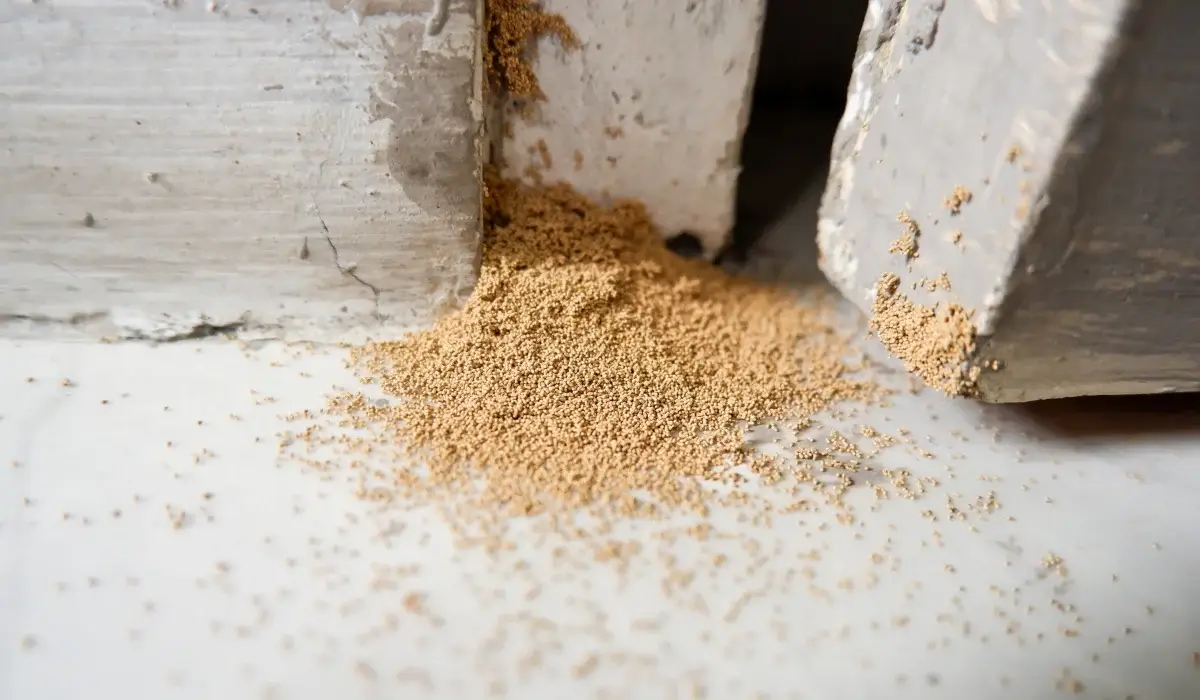
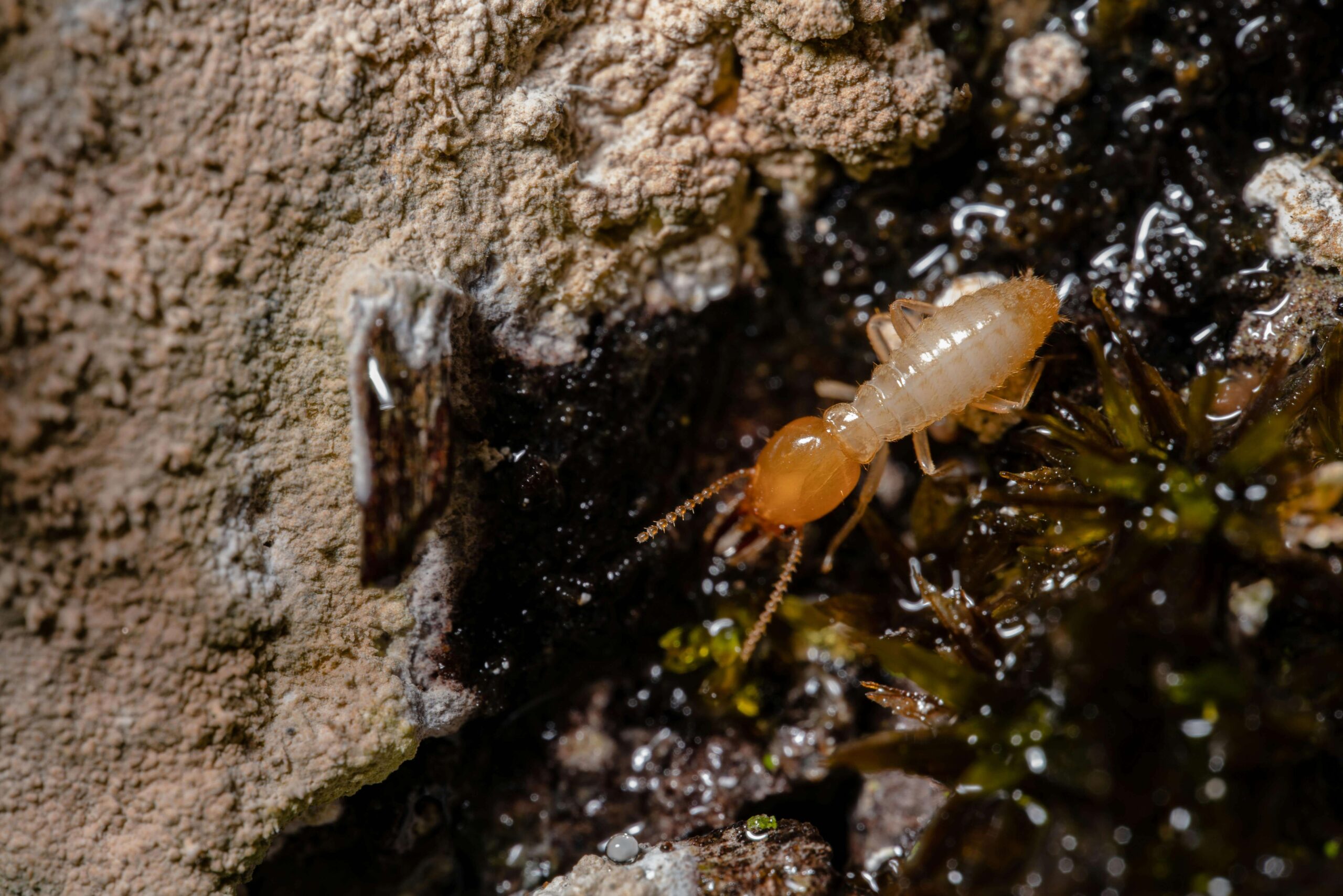
Wood‑destroying insects like termites and carpenter ants don’t disappear in winter. While they may reduce visible activity outdoors, they remain active in protected spaces, such as under insulation, in heated crawl spaces, or deep within wooden structures where temperatures stay above freezing.
This means they can continue to damage structural wood and furniture throughout the cold months unless treated.
Insects That Overwinter Indoors
Several insects overwinter by finding refuge inside homes:
- Spiders: Often already present indoors and become more noticeable in winter as they search for food.
- Stink bugs, boxelder bugs, cluster flies: Enter wall voids and insulated areas to stay dormant until spring.
- Silverfish and pantry pests: Seek humid areas inside homes.
These pests often remain hidden for weeks before homeowners notice signs of activity.
Stop Infestations Before Spring
Winter is the ideal time for proactive pest prevention. Professional technicians can:
- Identify entry points
- Detect nesting activity
- Treat overwintering pests
- Seal access gaps and utility penetrations
This is especially important for mice and rats, which frequently invade attics, crawl spaces, and garages in cold weather.
By treating now, homeowners avoid the surge in spring breeding cycles, when small unnoticed problems turn into infestations.
Why These Winter Invaders Matter
Property Damage
Rodents and wood‑destroying insects don’t just invade — they damage. Rodent chewing can compromise insulation, wiring, and structural materials. Termites silently consume wood, leading to repair costs that quickly mount.
- Rodents: chew electrical wiring, insulation, and structural materials, increasing fire hazards and repair costs.
- Termites: continue feeding throughout winter, silently damaging wooden structures.
- Carpenter ants & other wood-destroying insects: remain active in heated homes.
Winter treatments ensure these pests are controlled early, saving homeowners from expensive repairs down the line.
Health Risks
Indoor pests pose health issues as well. Cockroaches trigger allergies and asthma, especially in children, because proteins in their droppings, saliva, and shed skins become airborne. Rodent droppings and urine can also spread harmful bacteria.
Infestations Can Grow Unnoticed
Winter infestations tend to grow quietly. Warm, undisturbed areas such as attics, basements, and crawlspaces are ideal hiding places, and pest signs often go unnoticed until populations are large and harder to control.
Why Winter Is Actually the Best Time to Act
Most homeowners think winter is “quiet season” for pests but that belief is exactly what allows pests to settle in and multiply. Proactive winter pest control offers several key advantages and give homeowners confidence heading into spring. Knowing your home has been properly treated and protected means you can:
1. Avoid surprise infestations
Professional technicians can inspect and treat homes when outdoor activity is lower, entry points are easier to see, and pests haven’t built large populations yet.
2. Protect Your Home From Ongoing Damage
This reduces new pest entries and strengthens your home’s defenses. Because pests like rodents and termites remain active indoors, waiting until spring means giving them months to cause serious harm. Winter pest control interrupts this process, saving money and hassle later.
3. Peace of Mind Through the Season
In fall and winter, leaves and ground cover die back, making gaps, foundation cracks, and openings easier to spot and seal. Knowing your home has been inspected and treated provides homeowners with comfort and confidence through the winter and into spring. Don’t wait until pests are already inside to take action.
How Winter Pest Control Works
A typical winter pest control plan includes:
- Comprehensive inspection of interior and exterior entry points
- Identification of current signs of pest activity
- Sealing and exclusion of potential pest entry locations
- Treatment targeting overwintering pests and nesting areas
- Customized recommendations for your home’s layout and risk factors
Professional pest control services are designed to stop pests before they gain a foothold, rather than reacting to visible infestations.
Winter Pest Control Near You – Service Areas We Cover
At Proforce Pest Control, we provide expert pest control services across the Southeast, including the following locations:
- South Carolina: Charleston, Columbia
- North Carolina: Charlotte, Raleigh
- Florida: Ft. Lauderdale, Orlando, Tampa, Tallahassee, Jacksonville
- Virginia: Virginia Beach
- Georgia: Savannah
If you’re searching for “winter pest control near me” or “rodent and termite control this winter”, our certified technicians are ready to help.
Why Choose Proforce Pest Control?
Winter is an ideal time to tackle your pest issues. At Proforce Pest Control, our skilled technicians specialize in proactive pest prevention and customized treatment plans designed to protect your home year-round. We employ effective methods to address common winter pests such as rodents and termites, ensuring that your home stays safe and comfortable throughout every season.
Schedule Winter Pest Control Before Pest Season Starts
Don’t wait for spring to deal with rodents, termites, and other household pests. Take action now to prevent infestations and protect your home from costly damage.
Experience the Proforce difference, trusted by homeowners since 2015.
📞 Call Now 800-546-4913
🏠 Get in Touch Online Schedule an Inspection Today