Someone will reach out to you within 5 minutes during business hours to provide your free quote.
Do You Have A FLEA & TICK Problem?
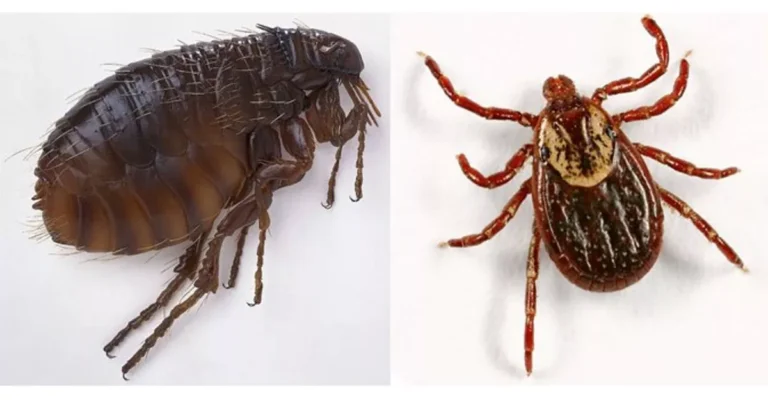
Fleas and ticks are parasitic pests that feed on the blood of mammals, and they are a concern for any household with pets or even without them. Fleas are tiny, wingless insects that move by jumping impressive distances relative to their size, allowing them to transfer easily between animals and into your home. Ticks are slow moving arachnids that attach to hosts and feed for extended periods.
Both are most commonly picked up outdoors and brought inside on pets, clothing, or wildlife passing through your yard. Across the Southeast and Mid Atlantic, common species include cat fleas, the most frequent indoor flea despite the name, as well as black legged ticks, American dog ticks, lone star ticks, and brown dog ticks.
Proforce Pest Control offers targeted indoor and outdoor treatments for both fleas and ticks, tailored to your home and your family’s needs.
Frequently asked questions
FLEA & TICK Control FAQs
Pest problems come with a lot of questions. Here's what you need to know to identify, prevent, and get rid of them.
How do I know if my home has fleas?
The most common signs are pets scratching excessively, small dark specks known as flea dirt in pet bedding or on furniture, and tiny bites on your ankles or lower legs. You may also see fleas jumping on carpets or upholstery. Our service professionals use glue board monitoring during inspections to confirm activity and assess the severity before treating.
Can I have fleas without pets?
Yes. Fleas can be brought into a home by wildlife like squirrels, raccoons, or feral cats that access crawl spaces, attics, or porches. They can also be present from previous occupants’ pets. If you are getting bitten but do not have animals in the house, there is usually a nearby source and our team can help identify it.
What should I do before and after flea treatment?
Before treatment, vacuum all floors thoroughly and wash pet bedding. After treatment, vacuum daily for two weeks to help stimulate flea pupae to emerge and contact treated surfaces. Do not steam clean floors for two to three months, as heat and moisture can break down the treatment. You will also want to treat your pets with a vet recommended flea product to prevent reinfestation.
How does Proforce treat for ticks?
We offer separate indoor and outdoor tick treatments. Outdoor treatment targets the perimeter and landscaped areas where ticks harbor, while indoor treatment focuses on areas where pets rest and where ticks are most likely to drop off. Both can be combined for comprehensive coverage, and your service professional will recommend the right approach based on what they find during inspection.
What if Fleas or Ticks Come Back After Treatment?
All Proforce services come with a re treat guarantee. If you are still seeing fleas or ticks after treatment, call your local branch and we will schedule a follow up at no additional charge. Fleas in particular can take two to three weeks to fully resolve because pupae in carpets may hatch after the initial treatment, which is why consistent follow up matters.
What's bugging you?
EXPLORE OUR PEST LIBRARY
To learn more about the pests invading your space and how we can help eliminate them for good