
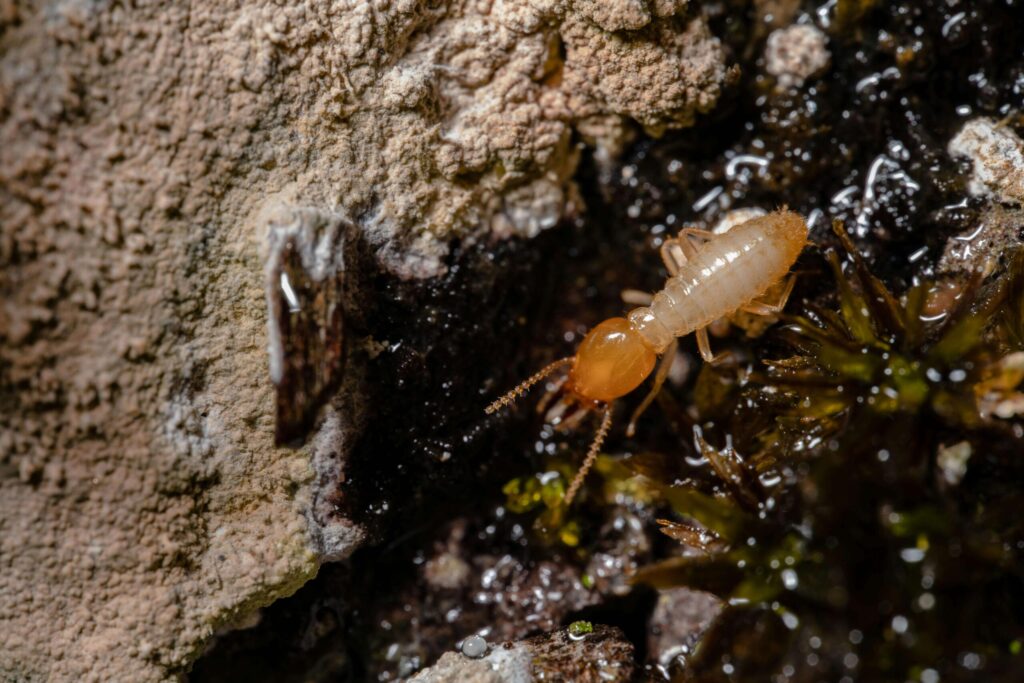
You notice bubbling paint along a baseboard. Maybe a window frame feels soft, or your hardwood floors look slightly warped. It’s natural to wonder: is it termites or water damage?
In warm, humid regions like Florida, moisture and wood-destroying pests can create similar warning signs. In Tallahassee and surrounding North Florida communities, high humidity and heavy rain make homes more vulnerable to both problems year-round. Because of these conditions, Tallahassee pest control experts often inspect homes for moisture damage, termite activity, and possible termite control needs.
Knowing the difference helps you act fast and avoid costly structural damage. Below are nine clues to help you identify the issue and determine whether a termite infestation may be present.
Key Takeaways
- Termites eat wood from the inside out, while water damage weakens wood through exposure to moisture.
- Mud tubes, hollow-sounding wood, and discarded wings often signal a termite infestation.
- Staining, peeling paint, and musty odors typically suggest moisture issues.
- A professional termite inspection offers clarity and protects your Tallahassee home from long-term structural damage.
Termites or Water Damage? 9 Clues
If you have noticed damaged wood, soft spots, or staining, it is important to look closer before assuming the cause. These common clues can help you distinguish between termite activity and water-related damage.
1. Hollow-Sounding Wood
When you tap on wood, and it sounds hollow, termites may be feeding inside. They consume cellulose and leave the thin outer layers intact, which can make trim and beams appear normal on the outside, one of the common signs you have a termite problem that often goes unnoticed at first.
Water damage, on the other hand, usually makes wood feel soft and spongy. It doesn’t create the same hollowed-out effect. If you’re unsure, this is one of the fastest ways for pest control experts to narrow down the options.
2. Mud Tubes Along Foundations
Subterranean termites build pencil-sized mud tubes along foundations and crawl spaces. These tubes protect them from the open air as they travel between soil and wood.
Water damage doesn’t create mud tubes. If you see narrow, dirt-like tunnels on concrete or brick, that’s a strong indicator you need termite control rather than plumbing repair.
3. Peeling Paint That Looks Like Water Damage
Both termites and moisture can cause paint to bubble. Termites introduce moisture as they feed, which sometimes mimics classic water damage.
The difference is what’s underneath. If you peel back paint and find maze-like patterns in the wood, that points to termites. Straight cracking and widespread discoloration usually suggest water intrusion.
4. Warped or Buckling Floors
In humid areas like Tallahassee, warped floors are common after plumbing leaks or heavy rain. Water causes boards to expand unevenly.
Termites can weaken floor supports, causing them to sag. If the floor feels unstable instead of just swollen, termites may be the cause.
5. Discarded Wings Near Windows
Swarming termites shed their wings near windows and doors. You may find small, translucent wings on sills or in spider webs.
Water damage does not leave behind insect wings. This clue is often a good reason to call a pest control company for a professional inspection.
6. Frass or Pellet-Like Droppings
Drywood termites push waste out of small holes, leaving behind tiny wood-colored pellets. This material looks like sawdust but feels gritty.
Moisture problems can cause rot, but not in pellet piles. If you see this sign, contact pest control services quickly to prevent further structural damage.
7. Musty Odor Without Visible Mold
Water damage often creates a musty smell associated with mold growth. Termites can also create faint odors inside walls as colonies grow.
If the smell accompanies mud tubes or hollow wood, it may signal termites rather than just moisture.
8. Cracked or Blistered Wood
Moisture causes wood to swell and split in irregular patterns. Termite galleries, however, create distinct internal channels.
When general pest control experts open damaged wood, termite activity leaves smoother tunnels, while water damage appears darker and more uneven.
9. Local Risk Factors in Tallahassee
Homes in Tallahassee and surrounding areas face heavy rainfall, sandy soil, and warm temperatures that support termites year-round.
If your Tallahassee home has experienced both storms and pest issues before, you may need both moisture repair and termite treatment. A thorough pest management approach rules out guesswork.
Check These Spots First (Fastest Tells)
Start by inspecting the areas where termite activity and moisture problems are most likely to appear. These high-risk spots can provide early clues that help you quickly narrow down the cause of the damage.
Crawl Spaces and Foundations
Start under your home if accessible. Mud tubes along piers or foundation walls often quickly confirm the presence of termites.
Moisture stains without tubes usually indicate drainage or plumbing issues. In older homes across Crawfordville and Monticello, crawl spaces are common entry points for both pests and water.
Window and Door Frames
Termites often target soft wood around frames. Press gently with a screwdriver. If it sinks easily and reveals hollow channels, call for termite control.
If the damage feels damp and darkened, the issue may be flashing or seal failure rather than an infestation.
Attics and Roof Lines
Roof leaks create visible staining and warped wood. Termites rarely begin in attics unless an infestation has progressed significantly.
If you see wings in the attic, that may signal swarmers emerging indoors, which requires immediate professional service.
If the Clues Point to Termites
If the signs suggest termite activity, taking prompt action is essential. Professional evaluation and targeted treatment can help confirm the problem and prevent further structural damage.
Schedule a Professional Inspection
A professional inspection confirms whether you have an active termite infestation. Early detection prevents major structural damage and expensive repairs.
Many pest control services begin with a thorough inspection to identify signs of termite activity and contributing conditions around the home. After the inspection, pest control experts recommend the right pest control solutions based on what they find.
Consider Long-Term Termite Protection
In termite-prone regions like Florida, preventative termite protection often makes sense even if activity is minimal.
Treatment plans may include baiting systems or soil treatments designed to stop colonies before they expand.
Evaluate Ongoing Pest Management
Termites are not the only concern in the Southeast. Homeowners often bundle residential pest control, rodent control, mosquito control, and protection against common pests like wasps, roaches, and bed bugs. Many companies also offer commercial pest control programs for local businesses that face similar pest risks.
Ongoing pest control services reduce future pest problems and keep properties protected year-round. Consistent treatments help keep your Tallahassee home pest-free even during peak pest seasons.
Many homeowners choose a quarterly service schedule to maintain consistent protection against termites and other common pests.
Easy Misreads That Waste Time
Some signs of damage can be misleading and may point to the wrong cause. Understanding these common misinterpretations can help you avoid unnecessary treatments and focus on the real issue.
Assuming All Softwood Is Termites
Many homeowners call exterminators when the issue is simply a leaking pipe. Water damage often appears darker and spreads in irregular patterns.
A trained inspection prevents unnecessary termite treatment.
Ignoring Early Signs
Small mud tubes or a few wings may not look serious. Waiting allows an infestation to expand and increase structural damage. Early action limits cost and disruption.
Confusing Other Pests
Carpenter ants and some cockroaches can damage wood or appear near moisture. However, termites cause more severe structural damage.
A pest control company can identify the exact cause before recommending treatment plans.
Schedule a Termite Inspection
If you suspect termites or water damage in your Tallahassee home, professional guidance saves time and prevents costly mistakes. A detailed inspection clarifies the issue and outlines the next steps.
At Proforce Pest Control, we provide Tallahassee pest control services, including termite control and ongoing pest management for homeowners in Tallahassee and nearby communities, using effective, eco-friendly treatment strategies for residential environments. With thorough inspections and follow-up service when needed, you receive professional pest control focused on long-term protection.
Contact us today to schedule a free inspection and protect your property with reliable termite control and pest management.
FAQs
How can I tell if I have a termite infestation or just water damage?
Look for mud tubes, discarded wings, or hollow wood. Water damage typically causes staining and soft spots, with no evidence of insect activity. A professional inspection quickly confirms the difference.
Are termites common in Tallahassee?
Yes. Tallahassee’s warm climate and humidity support termite activity year-round. Preventative termite protection helps reduce risk, especially in older homes.
Should I call pest control even if I’m not sure?
Yes. A pest control professional inspects the property and determines whether termite treatment or moisture-related repairs are needed. Acting early protects your home from structural damage.