Termites are one of the most destructive pests affecting homes and commercial properties in Orlando. They stay active year-round, but activity levels change with environmental conditions. Instead, termite behavior shifts with seasonal weather, moisture levels, and available food sources.
Understanding these seasonal patterns helps homeowners and property owners spot warning signs early and choose the right termite control. Pest control professionals use seasonal patterns to plan inspections and treatments.
This guide explains how termite behavior changes throughout the year in Orlando, when termite swarms happen, and what conditions cause these changes.
Key Takeaways
- Termites in Orlando are active year-round, but their behavior changes with weather and moisture levels.
- Termite swarms increase during warmer weather when reproductive termites leave to start new colonies.
- Seasonal warning signs like mud tubes, swarmers, and termite damage help spot early infestations.
- Regular inspections catch termite activity early, so treatment can start before damage worsens.
How Termite Activity Changes by Season
Pest control professionals monitor termite behavior because it varies throughout the year with weather and moisture levels.
Spring Termite Activity
Spring often marks the start of peak swarming season for many termite species in Orlando, though timing can vary. Eastern subterranean termites often swarm after rain when humidity and temperatures rise.
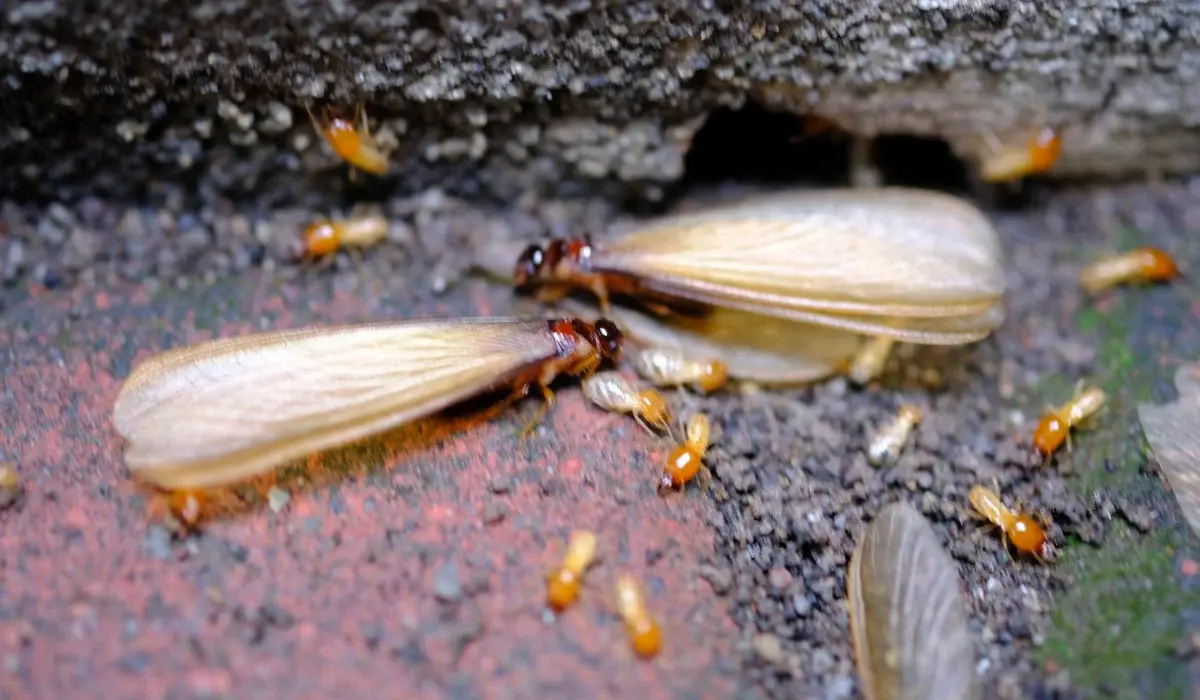
These swarmers, also called alates or winged termites, leave established colonies to form new ones. Homeowners often see termite swarmers near windowsills, doors, and light fixtures.
Pest control professionals recommend spring inspections because termite swarms can signal a nearby active infestation.
Summer Termite Activity
Summer heat and humidity increase termite activity. Subterranean termites stay active underground, feeding on cellulose in wooden structures.
Drywood termites may also swarm and infest attics, walls, and other wooden structures without soil contact.
During summer, pest control professionals focus on crawl spaces, basements, and exterior areas where moisture and food sources are easier to find.
Fall Termite Activity
Termite activity does not stop in the fall. Colonies continue feeding inside walls, crawl spaces, and wooden structures as temperatures gradually cool.
Homeowners may notice existing termite damage more clearly. Regular inspections help catch termite problems before winter.
Winter Termite Activity
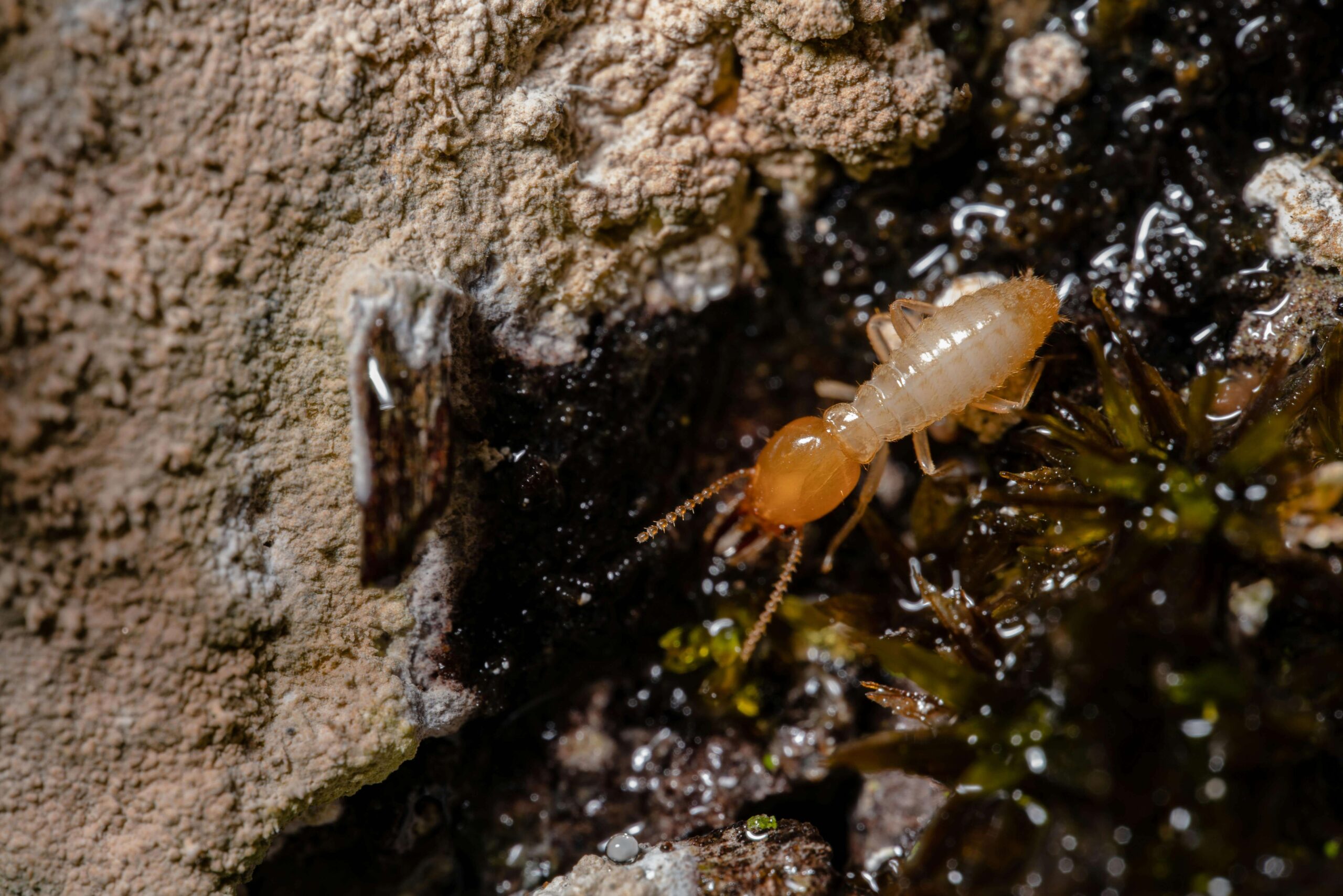
Even in winter, termite colonies stay active in Orlando because temperatures rarely drop low enough to stop them. Subterranean termites may move deeper underground or into protected areas inside structures.
Inspections during this season focus on interior spaces like attics, basements, and crawl spaces, where termites remain active.
Seasonal Swarming: When It Spikes
Termite swarms are one of the most visible signs of activity and help colonies grow.
Early Spring Swarming Window
Termite swarm season often begins in early spring when temperatures rise and the soil becomes moist. Subterranean termites commonly swarm during this period.
Swarmers are attracted to light, so homeowners often see them near windowsills and indoor lights.
Late Spring and Summer Swarms
Drywood termites often swarm later than subterranean termites, extending into late spring and summer.
Homeowners may confuse termite swarmers with flying ants. A pest control company can identify the termite species and confirm if there is an infestation.
Post-Storm Swarm Activity
Heavy rain and increased humidity can trigger termite swarms at different times of the year. These conditions encourage reproductive termites to leave their colonies.
After storms, pest control professionals often get calls from property owners who see swarmers indoors.
What Seasonal Conditions Drive Behavior Shifts
Termite behavior changes based on temperature, moisture, and available food sources.
Temperature and Warmer Weather
Warmer weather increases termite feeding and foraging activity. As temperatures rise, termite colonies become more active and prepare for swarm season.
Moisture and Damp Conditions
Moisture strongly affects termite activity. Dampwood termites and subterranean termites thrive in humid environments.
Leaking pipes, damp crawl spaces, and poor drainage can support termite colonies and raise the risk of infestation.
Food Sources and Cellulose Availability
Termites feed on cellulose found in wood, cardboard, and paper products. Wooden structures such as decks, fences, and support beams provide consistent food sources.
When termites access these materials, colonies grow faster, increasing the likelihood of problems.
Seasonal Signs of Termite Activity at Home
Recognizing signs of termite activity helps homeowners catch problems early.
Mud Tubes Along Foundations
Mud tubes are a common sign of subterranean termites. These structures protect termites as they travel between soil and wood, and pest control professionals often find them along foundations, crawl spaces, or basement walls.
Winged Termites and Shed Wings
Seeing winged termites indoors is a strong sign of activity. After swarming, termite swarmers shed their wings, and homeowners often find them near windowsills or entry points.
Wood Damage and Hollow Areas
Termite damage often appears as hollow or weakened wood. Affected wood may sound hollow when tapped, which can signal structural damage.
Droppings and Frass
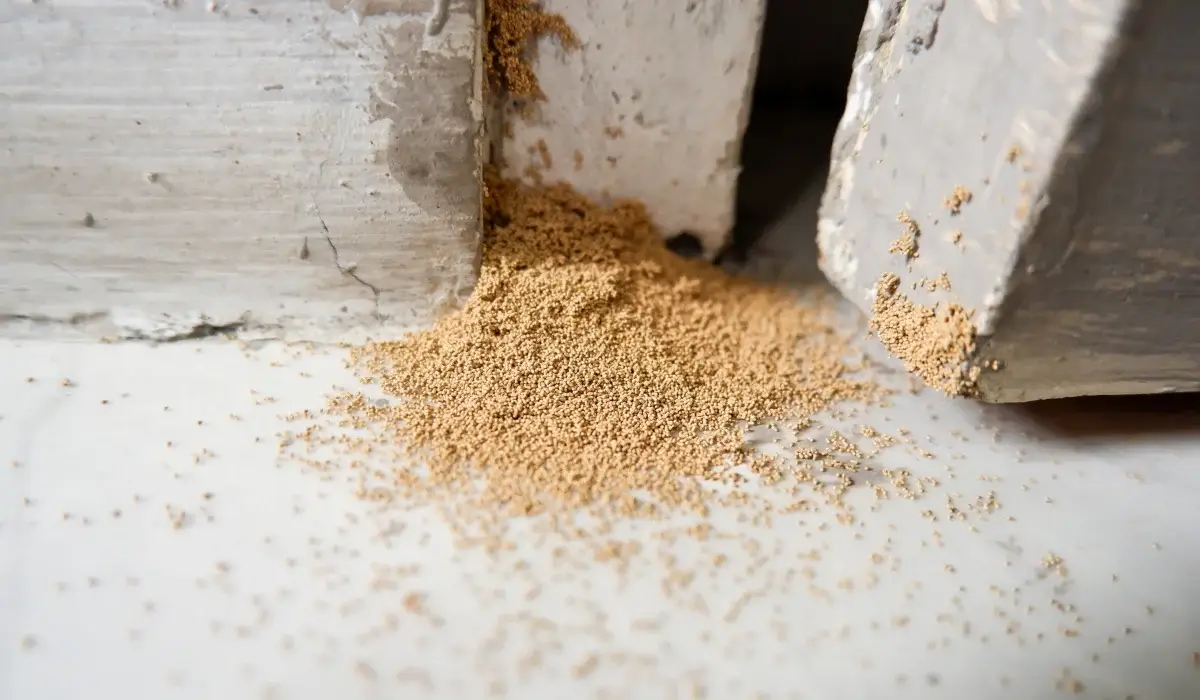
Drywood termites produce small pellets called frass that resemble fine grains. Finding frass indoors can signal an active infestation and may require termite control.
Schedule a Termite Inspection in Orlando
Because termite activity occurs year-round in Orlando, Florida, regular monitoring is essential. Whether you manage a home, rental property, or commercial building, early detection protects your investment.
At Proforce Pest Control, we provide residential, commercial, and termite control services throughout Orlando and the surrounding areas. Our pest control professionals inspect for termite activity, identify the species, and recommend treatment options.
If you suspect termite activity or want preventative protection, contact us today. Schedule a termite inspection with our team to address the issue and help protect your property.
FAQs
When is termite swarm season in Orlando?
The termite swarm season in Orlando typically begins in early spring and can continue through summer. Swarming often occurs after rain when warmer weather increases humidity.
How can I tell if swarmers are termites or flying ants?
Termite swarmers have straight antennae and equal-length wings, while flying ants have bent antennae and uneven wings. A pest control company can identify the insect and confirm whether termite activity is present.
Do termites remain active during winter in Florida?
Yes. Termite colonies can remain active year-round in Florida due to its mild climate. Regular inspections help detect termite infestations even during cooler months.