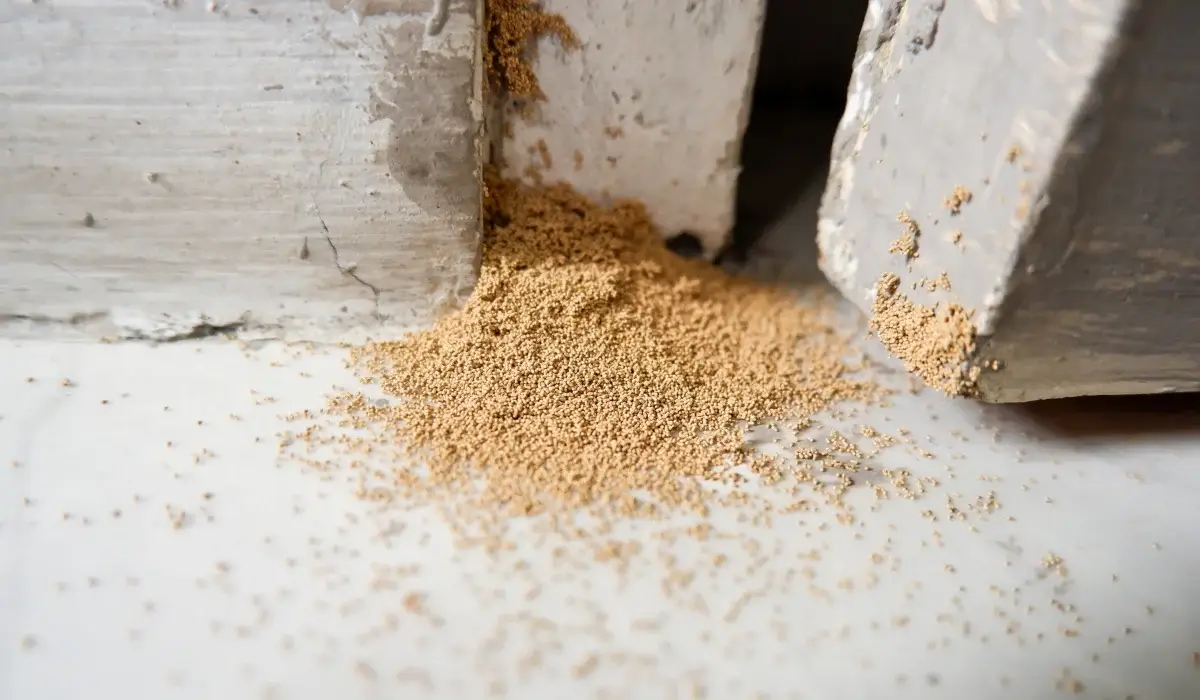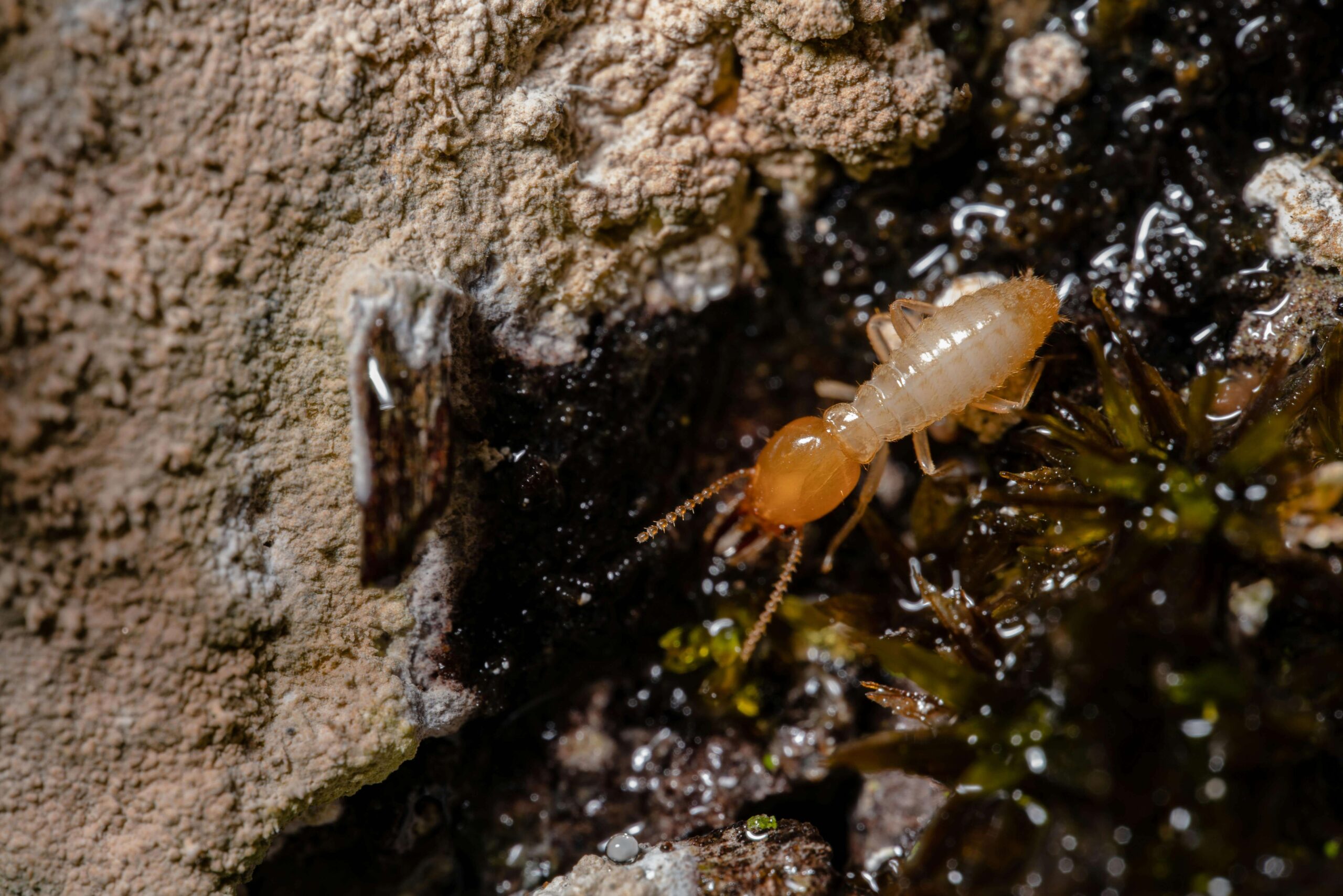
Subterranean termites cause major structural damage in Charlotte, NC. They live underground and travel through mud tubes to reach cellulose in wood framing, flooring, and support beams. Because termite activity starts out of sight, homeowners may not notice it until damage has already begun.
Termite baiting is a common termite control method used by pest control companies. Unlike some methods, termite baiting targets the termite colony instead of just the areas where termites are visible.
When properly installed and checked, a termite baiting system helps detect activity early and control infestations before they spread.
Key Takeaways
- These systems target subterranean termites at the colony level for long-term protection.
- In-ground termite bait stations monitor activity around the home’s perimeter.
- Sentricon and similar systems allow worker termites to carry bait back to the entire colony.
- Professional termite inspections help detect activity early and reduce the risk of damage.
What Termite Baiting Is (and Why It Matters)
Termite baiting is a method that reduces termite activity by targeting their feeding behavior. Instead of focusing only on visible areas, this method targets the colony causing the problem.
How Termite Bait Stations Work
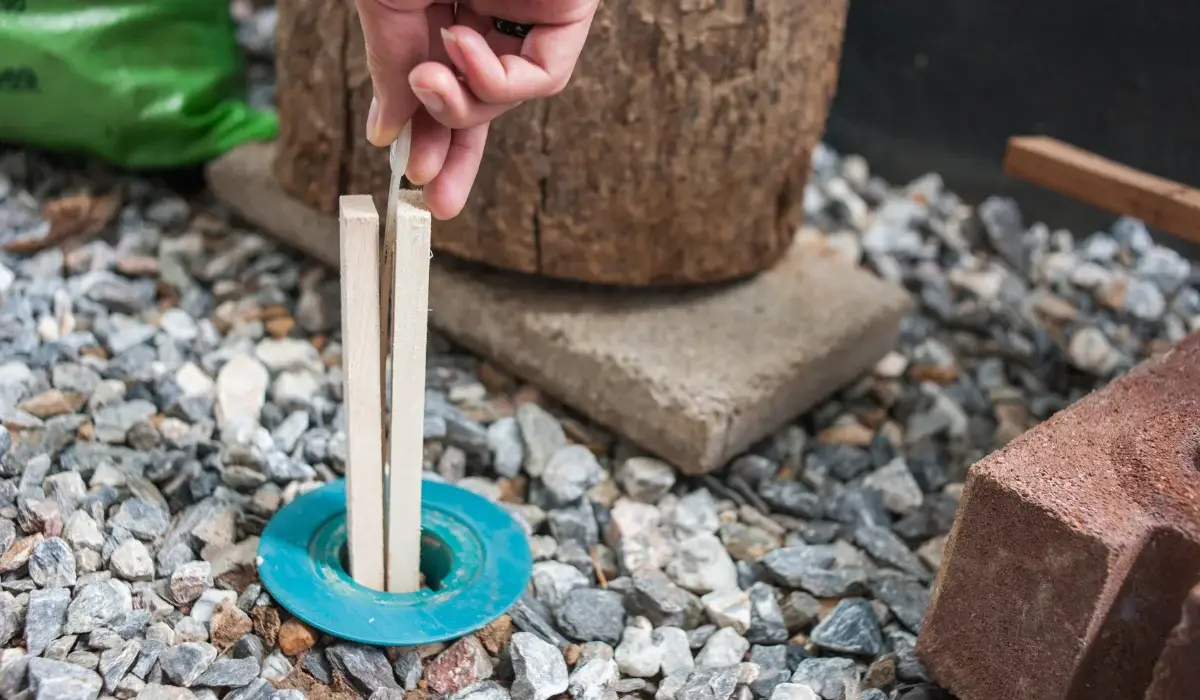
A termite baiting system uses in-ground termite bait stations installed around the home’s perimeter. These stations contain cellulose, which serves as a food source for worker termites.
Once termites feed on the bait, technicians replace it with bait that contains an active ingredient that affects the termite molt. Worker termites carry the material back to other members, spreading it through the colony.
Why Colony Elimination Is Important
Many termite treatment methods only stop termites in one area. Termite baiting targets the colony, causing the activity.
As worker termites spread bait, it interrupts growth and reproduction. Over time, this reduces termite populations instead of just individual termites.
Monitoring for Active Termite Activity
Termite bait stations help detect problems early. In-ground stations allow pest control professionals to monitor activity during routine termite inspections, helping find problems before infestations become visible.
If technicians find an active infestation, they can add stations or above-ground bait near mud tubes or feeding areas.
Termite Baiting Benefits for Homeowners
These systems offer several advantages for homeowners who want reliable termite control.
Continuous Termite Monitoring
These systems provide ongoing monitoring. Technicians check stations during scheduled termite inspections.
This monitoring can help identify termite problems early, sometimes before homeowners notice signs such as mud tubes or damaged wood.
Eco-Friendly Termite Control Approach
Many homeowners choose termite baiting because it targets activity without broad soil treatment. This approach limits the amount of material used in the surrounding area.
For properties near gardens, wells, or sensitive landscaping, pest control professionals may opt for bait systems instead of certain soil treatments.
Long-Term Protection for Structures
Once installed, the system supports ongoing termite prevention when properly maintained. Stations stay in place, and technicians check them during inspections.
This long-term protection helps reduce the chance of severe damage going unnoticed.
When Baiting Is the Right Approach vs Liquids
Different termite problems need different treatment methods. Pest control professionals consider several factors before choosing between baiting and liquid treatments.
Properties With Limited Access for Trenching
Liquid products often require trenching around the home’s perimeter to create a barrier. In some homes, landscaping, patios, or drainage systems make trenching difficult.
In these cases, bait systems offer a practical option without major disruption.
Homes With Active Infestations
When technicians discover an active infestation, termite baiting can help address the colony connected to the problem. Technicians may place above-ground bait directly on areas where termites feed, such as near mud tubes.
Worker termites carry the bait back to the colony, helping spread the treatment to members who never leave the nest.
Situations Requiring Flexible Treatment Methods
In some cases, pest control professionals combine bait systems with other methods based on the property and activity level.
For example, soil treatment may protect key areas while bait stations monitor for new activity.
What to Expect From a Baiting Program
A termite baiting program includes inspection, installation, and follow-up visits.
Initial Termite Inspections
The first step is a detailed inspection around the home’s perimeter. Technicians look for mud tubes, damaged wood, and other signs of termite activity.
Based on the results, they decide where to place stations and how many are needed.
Installation of In-Ground Stations
Technicians install in-ground termite bait stations around the property based on inspection findings and layout. Placement helps intercept termites as they search for food near the home.
Ongoing Monitoring and Follow-Up Visits
After installation, pest control professionals return for scheduled inspections. If they detect termite activity, they replace the monitoring material with bait intended to affect the termite colony.
Follow-up visits keep the system active and allow technicians to address issues as needed.
Schedule a Termite Baiting Assessment in Charlotte
Subterranean termites remain one of the most destructive pests affecting homes and commercial properties in Charlotte, NC. Because termite activity often occurs underground, professional termite control helps reduce the risk of hidden structural damage.
At Proforce Pest Control, we provide residential and commercial pest control, as well as advanced termite control programs, throughout Charlotte, NC. Our technicians use baiting systems to monitor activity and reduce infestations.
If you want long-term termite protection, contact us today. Schedule a termite baiting assessment or request an inspection to find the right plan for your property.
FAQs
How do termite baiting systems eliminate a termite colony?
Worker termites feed on bait and carry it back to the colony, which reduces populations over time.
Are termite bait stations better than liquid products?
Both termite baiting and liquid products can be effective termite control methods. Pest control professionals often recommend bait systems for long-term monitoring.
How often should termite bait stations be inspected?
Most termite bait stations are inspected several times per year during routine termite inspections. Regular monitoring helps detect activity early and stop infestations from growing.