Life in Tallahassee, FL, comes with warm weather, oak-lined neighborhoods, and a long growing season. But it also brings pests that stay active almost year-round. Florida’s heat and humidity create ideal conditions for termites, roaches, ants, and other insects that can quickly turn a small issue into a serious problem.
For homeowners and commercial property owners looking for pest control in Tallahassee, FL, the challenge is more than just eliminating pests. It is choosing solutions that actually work in Florida’s climate. A one-time spray or DIY fix may not address moisture, soil conditions, or hidden termite activity.
This guide covers what works for Tallahassee’s most persistent pests, why treatments fail, and how to build a pest control strategy that protects your home or business from structural damage and repeat infestations.
Key Takeaways
- Florida’s humidity fuels termite infestation risks and year-round pest activity.
- Homeowners should never ignore early warning signs like mud tubes, frass, and swarmers.
- DIY termite treatment can miss hidden termite colony activity inside walls.
- A custom treatment plan and a professional termite inspection can help reduce the risk of significant damage.
What Works for Tallahassee’s Toughest Pests
Effective Tallahassee pest control uses targeted strategies that address Florida’s environment and the termite species present.
Professional Termite Inspection
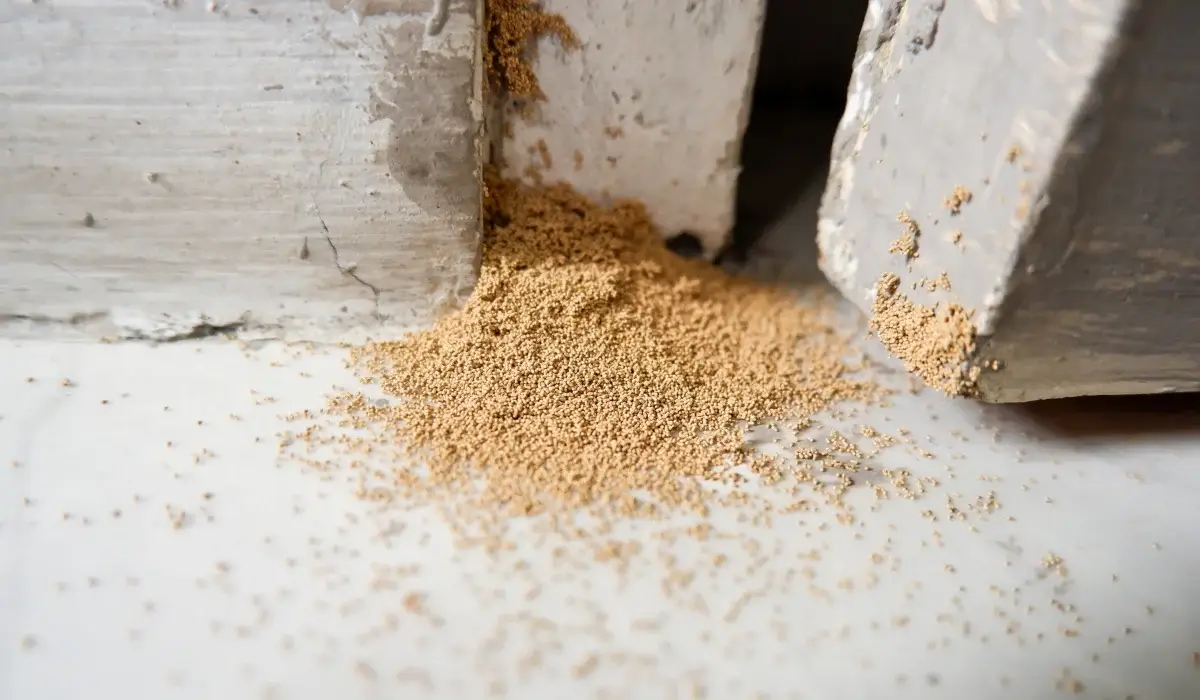
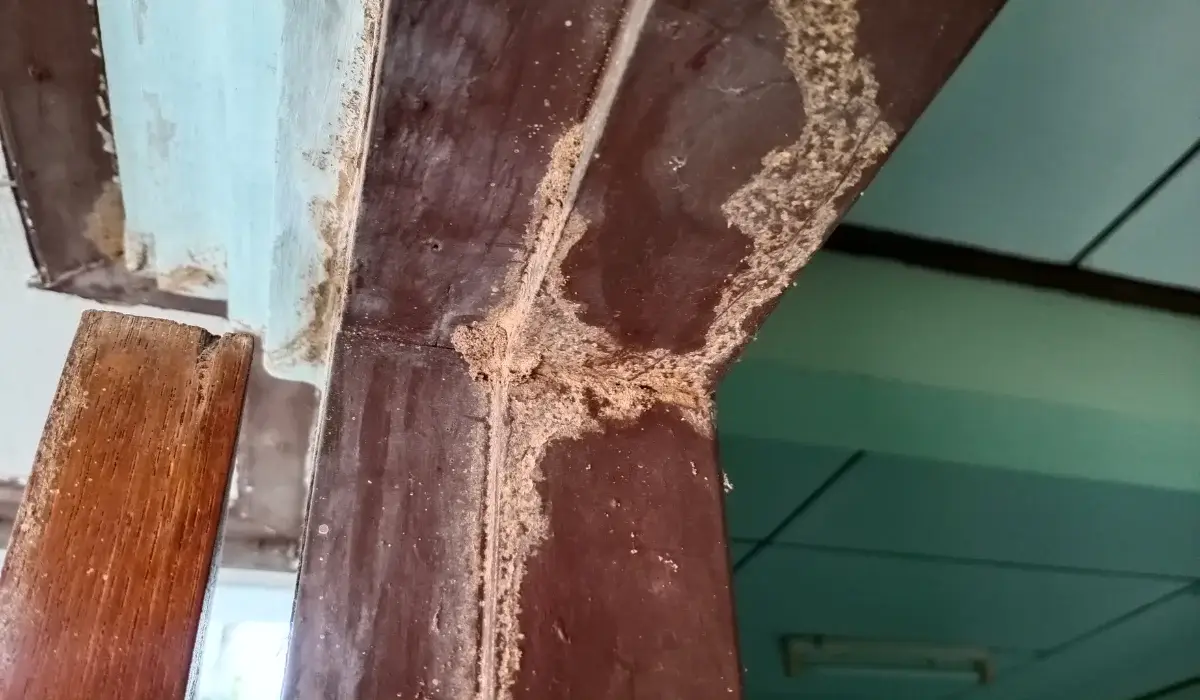
A professional termite inspection is the first step in stopping a termite infestation. Subterranean termites often build mud tubes along a home’s foundation, while drywood termites leave behind frass that looks like sawdust near window sills or baseboards.
A professional termite inspection helps detect termite activity early. Catching warning signs such as termite droppings, hollow-sounding wood, or flying termites near door frames can help reduce the risk of structural damage.
Targeted Termite Treatment Methods
Effective termite treatment depends on the type of termite involved. Subterranean termites require soil treatments or bait systems placed around the home’s foundation. These systems target the termite colony, reducing termite activity around the property.
Drywood termites, on the other hand, live above ground in wood. Localized treatments or structural fumigation may be necessary to stop an active termite problem. Choosing the right termite control method helps eliminate the termite colony more effectively.
Moisture Control and Crawl Space Protection
Moisture attracts termites and supports ongoing termite activity. In Tallahassee, water damage around crawl spaces or basements creates ideal conditions for subterranean termites to thrive.
Improving drainage, repairing leaks, and installing vapor barriers reduces the risk of a new colony forming. Moisture control also protects support beams and wood floors from long-term wood damage.
Florida’s Most Persistent Pests to Target
Florida’s climate supports multiple termite species and other pests that demand consistent attention.
Subterranean Termites
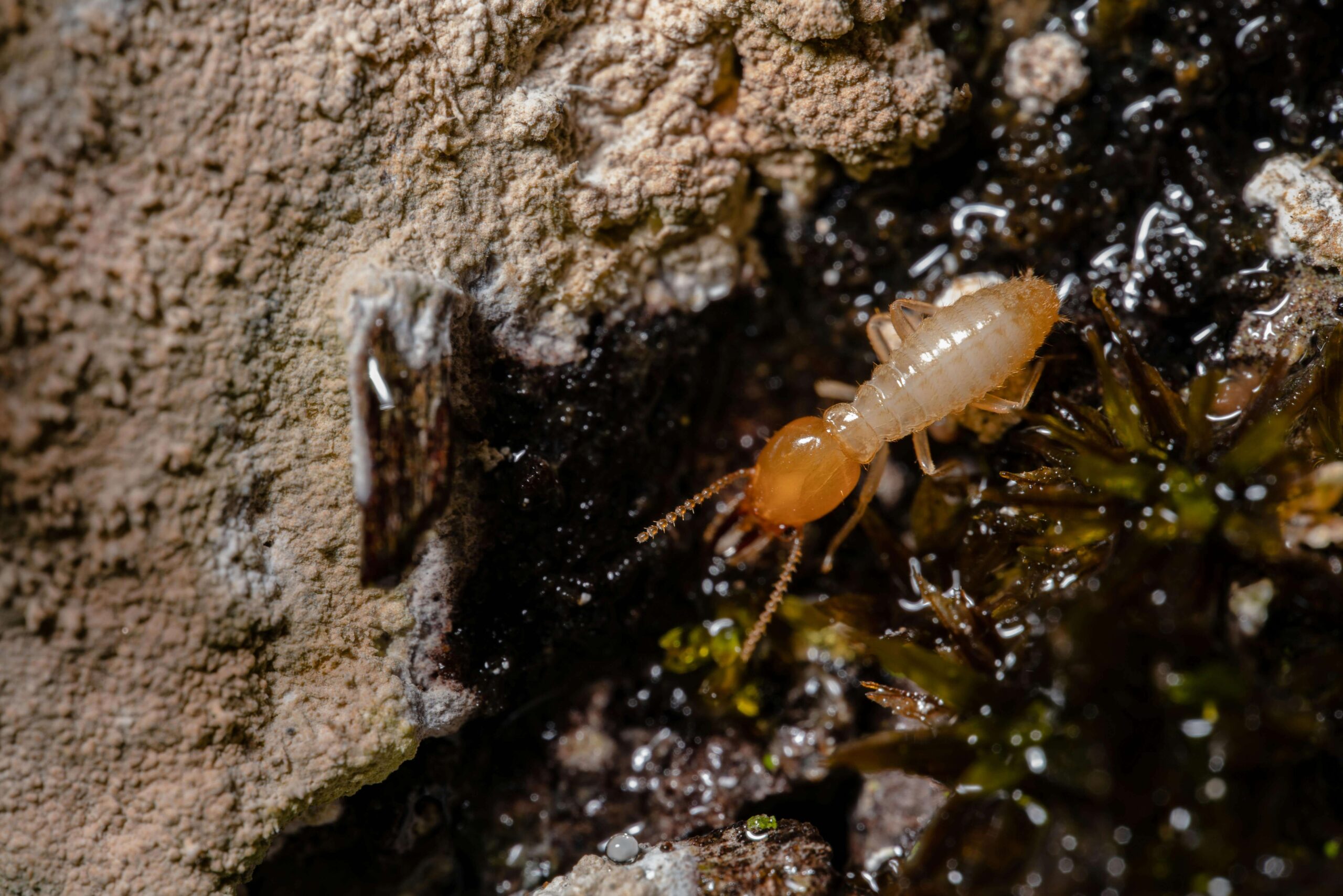
Subterranean termites are the most destructive termite species in North Florida. They travel through mud tunnels and mud tubes to reach cellulose materials inside your home.
Common signs include damaged wood, hollow-sounding wood, and visible mud tubes near the home’s foundation. Left untreated, they cause significant structural damage over time.
Drywood Termites
Drywood termites live directly inside wood and do not need contact with soil. You may notice frass or termite droppings near window sills, baseboards, or door frames.
Signs of a termite infestation from drywood termites often include small kick-out holes and piles of sawdust-like material. These pests can infest attics, drywall, and furniture.
Formosan Termites
Formosan termites are an aggressive type of termite known for forming large termite colonies. They can cause rapid wood damage and are often associated with major termite infestations in Florida.
Termite swarmers from Formosan colonies may appear in large numbers during termite swarms. Spotting winged termites indoors is a strong warning sign of a serious termite problem.
Flying Termites and Swarmers
Flying termites, also known as termite swarmers, appear when a termite colony matures and sends out reproductive members to start a new colony.
Termite swarms near your property indicate nearby termite activity. Seeing swarmers around lights or windows may signal termite activity nearby or inside the structure.
Why Treatments Fail in Florida Homes
Many Tallahassee homeowners attempt DIY solutions before calling a pest control professional. Unfortunately, treatments often fail for predictable reasons.
Misidentifying the Type of Termite
Different termite species require different treatment methods. Treating drywood termites with soil-based solutions typically does not effectively address the infestation.
Without proper identification, a termite problem may continue behind drywall or inside wood floors. A pest control professional ensures accurate diagnosis before creating a treatment plan.
Ignoring Early Warning Signs
Common signs such as mud tubes, frass, termite droppings, and hollow-sounding wood often go unnoticed. Some homeowners mistake termite droppings for simple sawdust.
Ignoring these warning signs allows termite activity to expand, leading to significant damage and costly repairs.
Skipping Professional Monitoring
Even after termite treatment, ongoing monitoring is critical. Florida’s climate supports year-round termite swarms and the risk of reinfestation.
Without routine inspections and pest management support, a new colony may establish itself over time. Professional termite control focuses on identifying active colonies and applying the appropriate treatment method for the property.
Get a Tallahassee Pest Control Plan
Persistent Florida pests require more than a quick treatment. Whether you suspect a termite infestation, see termite swarmers, or notice signs of termite damage in damaged wood, acting early protects your investment.
At Proforce Pest Control, we provide general pest control, commercial pest control, and termite control services in Tallahassee, FL. With targeted termite treatment plans and guidance to address moisture conditions around your property, you get practical solutions tailored to Florida homes and businesses.
Contact us today to schedule a termite inspection and discuss treatment options that help protect your property year-round.
FAQs
What are the most common signs of termite damage in Tallahassee?
Common signs of termite damage include mud tubes along the home’s foundation, frass near window sills, hollow-sounding wood, and visible termite droppings. Seeing termite swarmers or flying termites indoors also indicates possible termite activity.
How do subterranean termites differ from drywood termites?
Subterranean termites live in soil and build mud tunnels to reach wood, while drywood termites live directly inside wood structures above-ground. Each termite species requires specific termite treatment methods.
Should I schedule a termite inspection if I see swarmers?
Yes. Seeing termite swarmers or signs of a termite infestation is a clear warning sign. A termite inspection helps identify active termite colonies and can guide the next steps for termite treatment.