
The Winter Pest Myth
Most homeowners breathe a sigh of relief when the first frost hits. Winter feels like the season when pests finally disappear, no more mosquitoes buzzing around your ears, no more ants cutting across your kitchen counters, no more wasps spoiling backyard hangouts.
But this comforting idea is a winter pest myth.
Just because you don’t see insects or rodents doesn’t mean they’re gone. It means they’ve switched into stealth mode; using ancient survival tricks that allow winter pests to endure freezing temperatures, hide in your home, and explode back to life the moment spring arrives.
Understanding how winter pests survive is the key to preventing cold-season infestations. Here’s what’s really happening when the temperature drops.
1. How Winter Pests Hack Their Biology to Survive
Insects are what scientists call ectotherms (you might know the old term: cold-blooded). Their body temperature matches whatever temperature surrounds them. You’d think this would be a death sentence in freezing weather, but insects have evolved biological superpowers that would make any sci-fi writer jealous.
Diapause: Nature’s Pause Button
Diapause goes way beyond simple hibernation. It’s a pre-programmed shutdown mode that halts an insect’s growth and slashes its metabolic rate to almost nothing. What’s really wild is that many insects trigger this based on day length, not temperature. They’re essentially reading the calendar, preparing for winter weeks before it actually arrives. When spring comes, they pick up right where they left off, like pressing play after pausing a video.
Natural Antifreeze
Many insects don’t just wait for the cold. They prepare for it by changing their body chemistry. They produce cryoprotectants (compounds with names like glycerol and trehalose) that work exactly like the antifreeze in your car’s radiator. These sugars lower the freezing point of the insect’s body fluids, preventing ice crystals from forming inside their cells. Without this adaptation, those ice crystals would shred their cells from the inside out.
Heat Shock Proteins: Molecular Bodyguards
Here’s where it gets even more impressive. During diapause, extreme cold can still cause an insect’s proteins to break down and lose their shape. To prevent this cellular catastrophe, insects produce heat shock proteins (Hsps). Think of these as tiny molecular bodyguards that wrap around other proteins, stabilizing them and preventing them from collapsing under the stress of freezing temperatures.
These aren’t just neat party facts. These adaptations make insects absurdly resilient, allowing them to wait out months of brutal cold and emerge in spring ready to reproduce.
2. Why Cold Snaps Don’t Kill Winter Pests
“We had a hard freeze last week. That should kill off most of the bugs for the year, right?”
Haha. If only it were that simple. Insect biology and environmental factors make this kind of wishful thinking. It takes far more than a cold snap to put a real dent in pest populations.
So, then you might ask how cold does it need to get to really stop pests? That depends entirely on where you live. An expert from Savannah, Georgia put it bluntly when discussing the mild winters of coastal Georgia:
“At least in the coastal Georgia area, It would take a truly deep freeze with sustained temperatures below freezing for at least 30 days to significantly decrease our warm weather insect population.”
Thirty consecutive days below freezing… in many parts of the country, that never happens.
And here’s something that might surprise you: snow actually helps pests survive. A heavy blanket of snow doesn’t make things colder for ground-dwelling insects. It does the opposite. Snow acts as a powerful insulator, protecting creatures like slugs and burrowing insects from the much colder air temperatures above. Under that white blanket, they’re tucked into a stable, relatively warm microclimate.
3. Why Winter Pests Invade Your Home
When temperatures plummet outside, many pests abandon the “tough it out” approach entirely. Why struggle to survive in the cold when there’s a much better option just a few yards (literally) away?
Your home offers everything a pest could want: consistent warmth, abundant food, water sources, and protection from predators. To them, your house during winter is like a five-star resort with an all-inclusive meal plan.
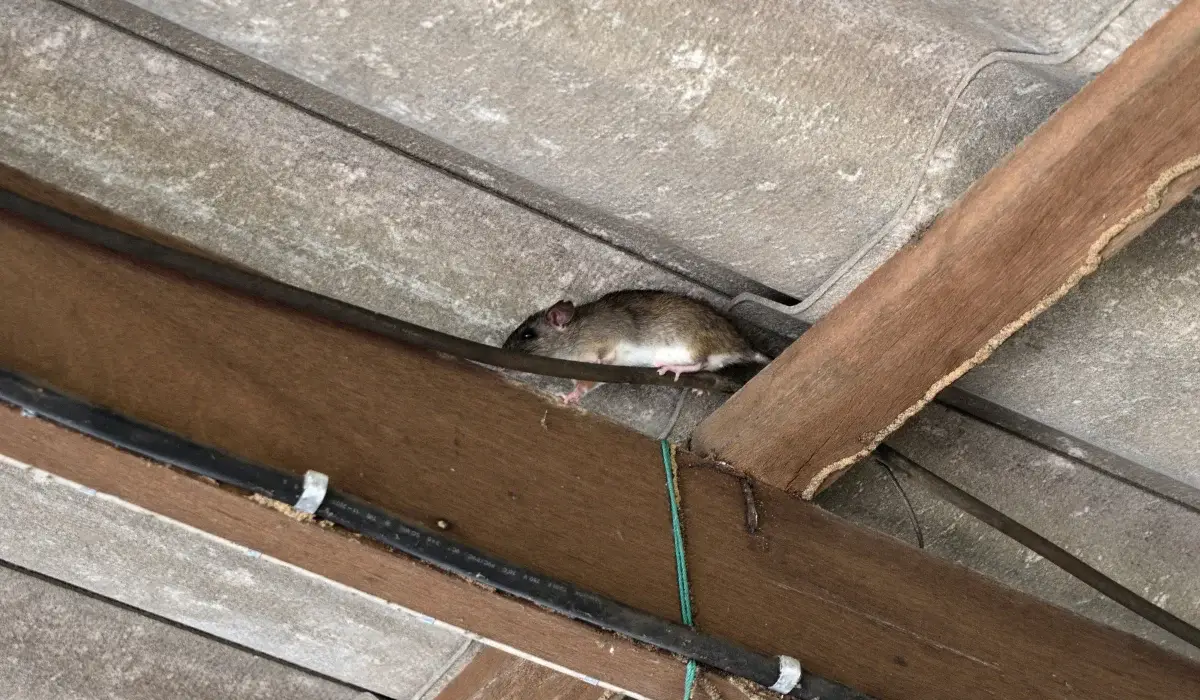
Rodents (mice and rats), cockroaches, spiders, and various flies actively seek indoor refuge when the weather turns harsh. They slip through tiny cracks in your foundation, gaps around windows and doors, unsealed vents, and any other opening they can find. And once they’re inside, they’re not just annoying. They’re dangerous.
Rodents
chew through electrical wiring, creating serious fire hazards. They contaminate food prep surfaces with bacteria that can cause food poisoning. A single mouse can leave behind thousands of droppings in just a few months.
Cockroaches
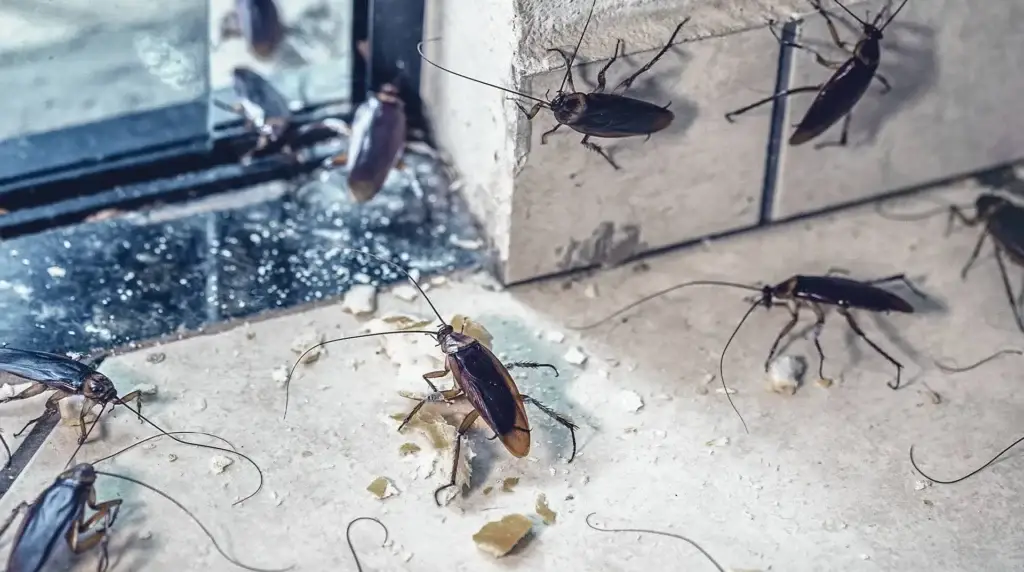
aren’t just disgusting. They trigger allergies and make asthma worse, especially in children. Their droppings, shed skins, and saliva contain proteins that become airborne and cause respiratory problems.
Wasps
Wasps use our homes as winter survival bunkers. Queen wasps often sneak into lofts, attics, and garages in fall. They’re not looking to build a nest right away. They just want a safe place to hibernate. Come spring, they wake up, walk outside, and start a brand new colony right on your front porch.
4. How Urban Landscapes Help Pests Survive Winter
If you live in a city or suburb, there’s another factor working against you: the urban heat island effect.
All that concrete, asphalt, and brick absorbs heat during the day and radiates it back out at night. Roads, parking lots, driveways, sidewalks, and buildings create a microclimate that’s consistently warmer than surrounding rural areas. This artificial warmth creates refuges where pest populations can thrive through winter when their rural cousins are struggling.
The numbers on this are striking. A study on the evergreen bagworm (a common pest) revealed just how much pavement helps insects survive brutal cold. At -19.4°C (-2.9°F), 50% of bagworm eggs survived when surrounded by just 25.7% impervious surfaces. When the temperature dropped even further to -20.6°C (-5.1°F), the survival rate stayed at 50% as long as the pavement coverage increased to 50.75%.
In other words, concrete and asphalt work like a thermal blanket that keeps pests alive. This urban heat island effect lets marginally cold-tolerant pests survive in regions where they’d normally die off, which means more pests surviving winter and more pests emerging in spring.

5. How Climate Change Affects Winter Pest Behavior
You might think warmer winters would simply mean more surviving insects across the board, but the reality is messier and more unpredictable than that. Climate change isn’t just making things warmer. It’s disrupting the ancient, finely-tuned survival rhythms that insects have relied on for millennia.
For centuries, insects have used day length as their primary cue for when to enter diapause. Day length is reliable. It doesn’t lie. But warmer autumns are now tricking insects into delaying this process. They wait too long, enter dormancy unprepared, and then get hammered by sudden cold snaps.
The spring mismatch is even worse. Warmer springs are causing bumblebee queens to emerge from diapause about 10 days before flowers open. They wake up hungry, ready to start new colonies, and find… nothing. No nectar, no pollen, no food source at the exact moment they need it most. This doesn’t just threaten bee populations. It threatens the crops that depend on those bees for pollination, which means it threatens our food supply.
These disruptions make historic pest patterns less reliable. The old rules about when certain pests show up and how severe the infestations will be? Those rules are breaking down. As the climate continues changing, predicting pest activity becomes increasingly difficult.
Don’t Let Winter Pests Make Your Home Their Resort
The comforting idea that pests take a break for winter is a myth, and it’s a costly one. From producing their own antifreeze to exploiting urban heat islands to moving straight into your walls, pests are active survivors who’ve mastered the art of beating the cold. They haven’t disappeared. They’re using sophisticated strategies to wait out the winter, often right inside your home.
The best defense? Don’t wait until you spot them. Disrupt their lifecycle before they activate their survival mode. Seal entry points before they can slip inside. Keep your home dry and clean so it’s less appealing as a winter refuge.
Proforce Pest Control understands the behavior of winter pests and our year-round protection plans stop infestations before they start.