
 Skip to content
 Someone will reach out to you within 5 minutes during business hours to provide your free quote.
Stinging insects, including wasps, hornets, yellow jackets, and various bee species, are a common concern for homeowners across the Southeast and Mid Atlantic, especially from spring through fall when colonies are most active. Paper wasps build open, umbrella shaped nests under eaves and overhangs. Yellow jackets often nest underground or inside wall voids, making them harder to spot and more likely to be disturbed accidentally. Carpenter bees bore into untreated or unpainted wood, creating round holes in fascia, decks, and trim.
While most stinging insects serve important roles as pollinators and predators, their presence near doorways, play areas, and outdoor living spaces creates a real risk, particularly for family members with allergies. When a nest is disturbed, many species defend it aggressively and sting multiple times.
Proforce Pest Control service professionals are trained and equipped to handle stinging insect activity, using species specific treatment methods and proper protective gear.
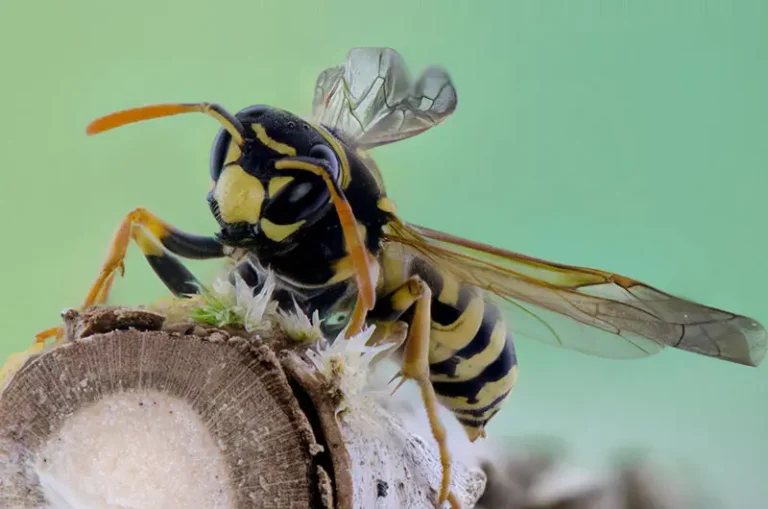
We do not recommend it. Disturbing a nest can trigger an aggressive defensive response, especially from yellow jackets and hornets. Our service professionals wear protective suits and use species specific treatment methods to handle nest removal. This is a situation where calling a professional first is the right move.
Yes. Most homeowners want consistent protection throughout the season, not just a single nest removal. Our standard pest control plan covers stinging insects, and your service professional treats vulnerable areas such as eaves, overhangs, entryways, and nesting sites during every scheduled visit. If new nests appear between visits, the Proforce Guarantee covers a callback at no additional charge.
We handle paper wasps, yellow jackets, hornets, mud daubers, carpenter bees, and other common species found across the Southeast and Mid Atlantic. Treatment varies by species. Paper wasps receive direct knockdown spray, while ground nesting yellow jackets and certain hornets may require dusting or drenching methods. Your service professional identifies the species first and applies the right approach for each situation.
Carpenter bees prefer soft, unpainted, and unstained wood. Painting or staining exposed wood surfaces is the most effective deterrent. Seal any existing bore holes and repair damaged fascia, trim, and deck boards. Natural repellents like citrus oil or almond oil applied around problem areas can also discourage activity. Your Proforce service professional can point out vulnerable areas during service and treat active bore holes directly.
To learn more about the pests invading your space and how we can help eliminate them for good