
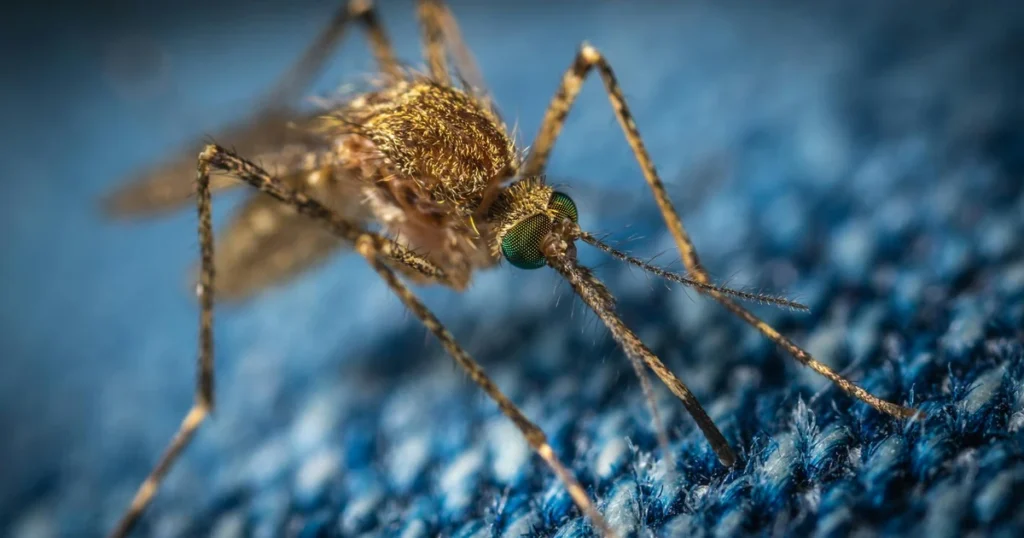
Mosquitoes in Florida can create costly problems when early signs are missed. Learn what to look for, why it matters, and when to call Proforce.
Key Takeaways About Mosquito Types in Florida
- Florida’s warm, humid climate can support multiple mosquito species, and telling them apart starts with understanding their size, markings, and where they tend to gather around your yard.
- Mosquitoes develop quickly through four life stages, so new adults can appear in your yard within days when conditions are right.
- Reducing areas where water collects on your property is one of the most practical steps you can take to limit mosquito activity near your home.
- Professional mosquito control from Proforce uses barrier treatments, larvicide applications, and optional trapping to target mosquitoes at multiple stages of their life cycle.
How to Identify Mosquito Types in Florida
Telling one mosquito from another can be difficult for most homeowners. While Florida’s warm climate creates favorable conditions for many mosquito types, the traits that separate them are often subtle and hard to spot without close observation. Understanding the basics of mosquito development can help you recognize activity around your home and respond sooner.
How to Tell Mosquito Types Apart in Florida
Florida hosts dozens of mosquito species, but a handful drive most of the pressure homeowners actually feel. The table below is the fastest way to narrow down what you’re dealing with. Match what you’ve seen on size, coloring, and where it showed up, then check the last column to gauge the health risk.
| Species | Size | Color | Where to look | Risk | Sting |
|---|---|---|---|---|---|
| Yellow fever mosquito | 3/16–1/4″ | Dark body with white violin or lyre-shaped scales on the thorax and white-banded legs | Container breeder around homes: discarded tires, flowerpot saucers, untreated pools, clogged gutters | Primary vector of yellow fever, dengue, and chikungunya; potential Zika vector; daytime biter | Yes |
| Asian tiger mosquito | 3/16–1/4″ | Shiny black with a single white stripe down the center of the thorax and white-banded legs | Established in all 67 Florida counties; breeds in tires, birdbaths, animal dishes, and tree holes near shaded yards | Vector of dengue, eastern equine encephalitis, and Zika; aggressive daytime biter, peaks morning and late afternoon | Yes |
| Southern house mosquito | ~3/16″ | Medium brown with darker proboscis and wings; pale half-moon bands on the abdominal segments | Nutrient-rich standing water: storm drains, ditches, wastewater, bird baths, neglected catch basins | Primary southern U.S. vector of St. Louis encephalitis; transmits West Nile virus; night biter | Yes |
| Black salt-marsh mosquito | ~1/8″ | Dark body with white bands at the base of each abdominal segment and a white ring on the proboscis | Coastal salt marsh breeder, but flies far inland after rains and tides; found statewide in Florida | Transmits eastern and Venezuelan equine encephalitis and dog heartworm; emerges in aggressive biting swarms | Yes |
If what you’re seeing doesn’t match any row cleanly, that’s usually a sign more than one species is active on the property. A pro can confirm before you start treating the wrong breeding site.
All mosquitoes share the same four life stages: egg, larva, pupa, and adult. According to the University of Kentucky, every mosquito passes through this sequence regardless of type. Because the early stages happen in water, you may notice larvae wriggling near the surface of any standing water on your property before adults ever appear.
Adult mosquitoes across different types can look similar at a glance. Size, color patterns, and resting posture vary, but these differences are often too fine for homeowners to distinguish in the moment. Paying attention to where and when you notice activity is usually more practical than trying to identify a specific type on sight.
How to Spot Mosquito Activity Inside Your Florida Home
Indoor mosquito activity usually shows up as biting during evening or nighttime hours. You may hear the familiar high-pitched whine near your ears or notice mosquitoes resting on walls and ceilings in dimmer rooms. Because development from egg to adult can happen quickly, a small water source near an open entry point can lead to noticeable indoor activity in a short time.
According to UC IPM, the entire mosquito life cycle from egg to adult can be completed in a week or less during summer, depending on water temperature. That speed means populations can surge when conditions are right.
Where Mosquito Activity Shows Up Around Florida Homes
Outdoors, you are most likely to notice mosquitoes in shaded, damp areas of your yard. Under ideal conditions, some mosquitoes can complete development from egg to adult in less than a week, as the University of Kentucky notes. Any container, low spot, or fixture that holds water for even a few days may serve as a development site.
Look for activity near bird baths, clogged gutters, plant saucers, and pooled rainwater. Shaded foliage and dense landscaping also provide resting spots for adults during the day.
Exterior Entry Points Mosquitoes Use Around Florida Homes
Mosquitoes typically enter through open doors, windows without intact screens, and garage openings left ajar. Torn or ill-fitting window screens are one of the most common gaps. Keeping doors closed and repairing screen damage are straightforward steps that help reduce indoor encounters.
Why Mosquito Problems Develop in Florida
Florida’s warm temperatures and frequent rainfall create conditions that allow mosquitoes to breed throughout much of the year. Understanding what draws them to your property, where they rest, and how they move can help you recognize a growing problem before it gets out of hand.
Outdoor Nesting Areas for Mosquitoes Around Florida Homes
Mosquitoes need standing water to reproduce. Any container, low spot, or clogged gutter that holds even a small amount of stagnant water can become a breeding site. Female mosquitoes generally require a blood meal before laying eggs, so they tend to stay close to both water sources and the people or animals they feed on. According to the University of Kentucky, females may live for more than a month, giving them plenty of time to lay multiple rounds of eggs near your home.
Food and Shelter That Attract Mosquitoes Around Florida Homes
Female mosquitoes are blood feeders, and any outdoor activity on your property can draw them in. Male mosquitoes do not bite. They live one to two weeks and feed on nectar and plant juices instead. Shaded foliage, dense shrubs, and covered patios offer resting spots where mosquitoes wait between feedings. The combination of blood-meal hosts and nearby shelter keeps populations cycling on the same property.
How Mosquitoes Move Around Florida Homes
Not every mosquito stays where it hatched. According to the University of Kentucky, some species remain near their breeding site while others can travel several miles away. That means your yard can host mosquitoes that originated well beyond your property line. Reducing breeding sites on your own lot helps, but neighboring water sources can still contribute to local activity.
Trails and Entry Points Mosquitoes Use in Florida
Mosquitoes are attracted to areas where people gather outdoors, often congregating near doorways, patios, and open windows. Open doors and windows give them a direct path indoors. Keeping doors and windows closed during peak activity, and removing standing water where possible, limits the pressure around your home.
Risks From Florida Mosquitoes
Health Risks Linked to Florida Mosquitoes
Mosquitoes are biting pests that can affect anyone spending time outdoors. According to EPA, more than 53 million children and 6 million adults spend a significant portion of their days in over 120,000 public and private schools across the United States. That volume of outdoor exposure means mosquito activity can be a concern well beyond your backyard.
Bites themselves are a nuisance, causing itching and discomfort that can disrupt sleep and outdoor activities around your home.
Property Damage From Mosquitoes in Florida
Mosquitoes do not cause structural or property damage the way wood-destroying pests do. Their impact centers on quality of life rather than physical harm to your home. Persistent mosquito activity around a yard can make porches, patios, and other outdoor living spaces less enjoyable throughout warmer months.
Food Areas and Mosquito Activity in Florida Homes
Outdoor dining and food prep areas can draw mosquito activity, especially when people gather during dawn or dusk hours. Standing water in plant saucers, pet bowls, or forgotten containers near these spaces may contribute to the problem. The Proforce mosquito service process includes breeding site treatment using a larvicide in stagnant water that cannot be removed, which helps address these trouble spots.
Keeping food areas clear of standing water and unnecessary containers is a practical step any homeowner can take.
When to Look Closer at Mosquito Activity in Florida
If you notice persistent biting activity despite common prevention steps, it may be worth looking more closely at conditions around your yard. Some homeowners turn to electronic ultrasonic repellent devices, but as University of Kentucky notes, scientific studies show these devices to be of negligible benefit in deterring mosquitoes or reducing bites.
Rather than relying on unproven gadgets, focus on removing standing water, maintaining landscaping, and evaluating whether a professional barrier treatment may be appropriate for your property. Proforce mosquito treatments include barrier applications to foliage and shaded resting sites, along with larvicide for water that cannot be drained.
Professional Pest Control for Mosquitoes in Florida
Knowing which mosquitoes are active around your yard is a helpful first step, but lasting pressure on populations comes from a structured approach. Integrated Pest Management (IPM) is a science-based framework that combines prevention and targeted control to minimize economic, health, and environmental risks. The USDA supports IPM as a core strategy for sustainable pest management. For Florida homeowners, that means pairing smart prevention with targeted professional service.
How to Reduce Attractants for Mosquitoes in Florida
Mosquito management starts with your own property. According to the EPA, IPM focuses on prevention by removing conditions that attract pests, including water, food, and shelter. For mosquitoes, the most important attractant to address is standing water.
Walk your yard and empty anything that collects rainwater: saucers under planters, buckets, wheelbarrows, and clogged gutters. Removing standing water is a core preventive action recommended under IPM programs. Even small amounts of pooled water can serve as breeding habitat, so consistent upkeep matters.
Beyond water removal, reducing shaded resting spots helps lower mosquito activity. Trim dense foliage and keep vegetation away from seating areas. These cultural and physical steps are the foundation that professional treatment builds on.
Why Mosquito Control in Florida Starts With Inspection
Before any treatment, a thorough property assessment identifies where mosquitoes rest and where water collects. Proforce service professionals walk the yard to note shaded foliage, low-lying areas that hold moisture, and any containers that are difficult to empty. This inspection shapes the treatment plan so products go where they are needed most.
IPM programs prioritize the lowest-risk options that still address the problem, weighing risks to occupants and the environment. A careful inspection keeps preventive product application limited to areas where non-physical methods alone may not provide the same results.
What to Expect During Professional Mosquito Treatment in Florida
Proforce mosquito control follows a threefold process. First, a barrier treatment is applied to foliage, shaded areas, and resting sites using a mister or blower. Second, a larvicide (Altosid) is placed in stagnant water that cannot be removed. Third, where applicable, Inzecto Mosquito Traps are placed along property lines and monitored monthly.
Each visit takes approximately thirty minutes, though larger yards may require more time. Before service, the yard must be clear of people and animals in treatment areas, with pet food, water bowls, and toys removed. Open doors and windows should be closed. Pets must stay out of treated areas for at least four hours after application.
What to Expect From a Florida Mosquito Control Plan
Proforce structures ongoing mosquito service around the same IPM principles that guide every pest plan. Preventive product application is limited when non-treatment methods can provide the same results, keeping unnecessary exposure low. When treatment is needed, barrier products like Suspend Polyzone target mosquito resting sites.
The In2Care system uses water-filled stations that attract egg-laying mosquitoes. When mosquitoes interact with the station, they pick up the In2Care product and spread it to nearby water sources, making those areas unable to support larval development. This is why treatment holds up after rainfall. If mosquitoes persist between visits, the Pest-free Service Warranty covers reservice at no extra charge.
Bottom Line on Mosquito Types in Florida
Florida’s warm climate and abundant moisture create conditions where multiple mosquito species can thrive. Knowing how to tell species apart by size, coloring, and behavior helps you understand what you are dealing with around your property. Reducing standing water, maintaining your yard, and working with a professional mosquito control program can all help keep populations in check. If mosquitoes are a persistent concern around your home, contact Proforce Pest Control to request a quote for ongoing mosquito service backed by the Pest-free Service Warranty.
Frequently Asked Questions About Mosquito Types in Florida
How Can I Tell Different Mosquito Species Apart?
Mosquito species can vary in body size, leg markings, and wing patterns. Some are darker in color while others have distinct white or silver banding. Activity patterns also differ, with certain species more active at dawn and dusk and others biting during daylight hours. Observing when and where bites occur can help narrow down what species may be present.
Why Are Mosquitoes So Common in Florida?
Florida’s warm temperatures, humidity, and frequent rainfall create abundant standing water where mosquitoes can breed. Development from egg to adult can happen quickly in warm water, which means populations may surge during the hotter months.
What Does Proforce Mosquito Service Include?
Proforce uses a threefold approach: barrier treatment applied to foliage and shaded resting sites, larvicide treatment in stagnant water that cannot be removed, and mosquito trapping where applicable. Each visit takes approximately thirty minutes, though timing can vary based on yard size. If mosquitoes persist between visits, you can call for reservice at no extra charge under the Pest-free Service Warranty.
What Can I Do on My Own to Reduce Mosquitoes?
Birdbaths, clogged gutters, flowerpot saucers, and similar items can all collect enough water for mosquitoes to breed. Keeping your yard trimmed and reducing shaded, damp resting areas also helps limit where adult mosquitoes shelter during the day.