
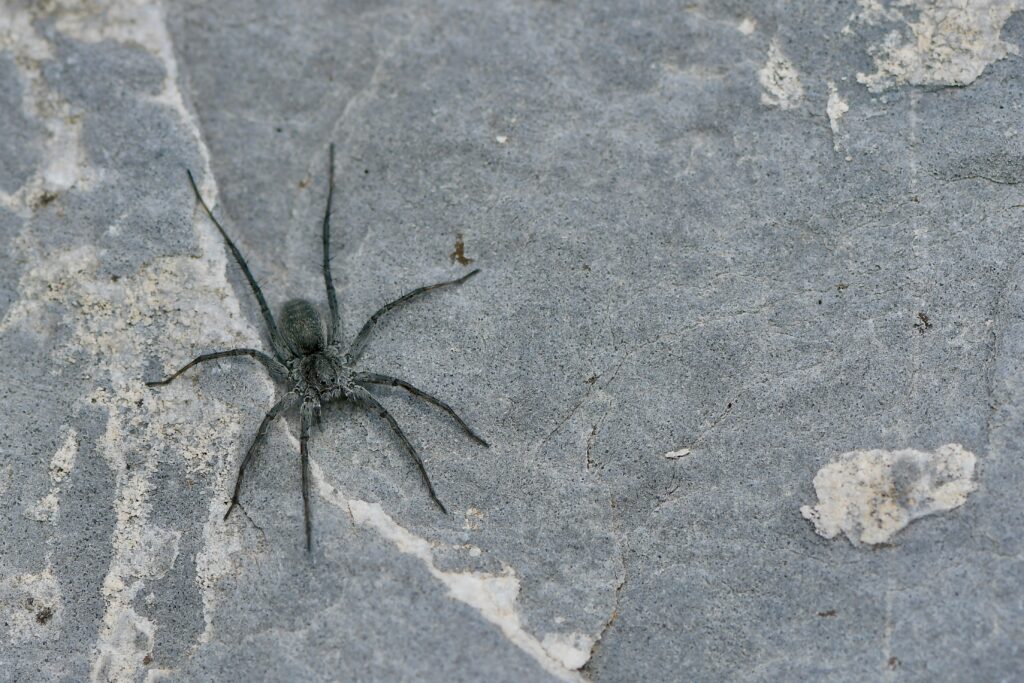
Spiders in Virginia Beach can create costly problems when early signs are missed. Learn what to look for, why it matters, and when to call Proforce.
Key Takeaways About Virginia Beach Spiders
- Virginia Beach homeowners may encounter several spider species around their property, and learning to tell them apart helps you respond appropriately.
- Most spiders can bite, but only a few species pose a notable health concern. Correct identification matters before assuming a bite is serious.
- Reducing clutter, sealing entry points, and keeping outdoor lighting managed can make your home less inviting to spiders.
- Proforce Pest Control covers spiders under its general pest control plan, with local service professionals who understand the Virginia Beach area.
How to Identify Virginia Beach Spiders
Knowing what to look for helps you figure out which spiders may be sharing your Virginia Beach home. Size, web style, and where you find activity all offer useful clues. Below are the details that matter most when you are trying to narrow down what you are dealing with.
How to Tell Spider Types Apart in Virginia Beach
Spider activity around Virginia Beach homes usually narrows to the species below. Match what you’ve seen on body size, web shape, and where it turned up, then check the last column to decide how seriously to take a sighting.
| Species | Size | Color | Where to look | Risk | Sting |
|---|---|---|---|---|---|
| Black widow | ~1/2″ | Shiny black with red or orange hourglass underneath | Woodpiles, garage corners, outdoor equipment, sheltered spots | Medically significant bite; intense pain and muscle cramping | Yes |
| Brown widow | ~3/8–1/2″ | Light to dark brown with orange hourglass underneath | Eaves, woodpiles, and sheltered outdoor structures | Venomous but bites typically less severe than black widow | Yes |
| Brown recluse | ~3/8″ | Golden brown with violin-shaped mark behind the head | Not established in Virginia Beach; rare hitchhiker in stored goods | Bite can cause tissue damage; confirmed local sightings rare | Yes |
| Joro spider | Up to 1 1/4″ | Bright yellow and gray with red and black markings, long legs | Large gold-colored orb webs between trees, eaves, porch railings | Egg sacs hold hundreds of eggs; population can multiply each year | No |
| Southern house spider | Up to ~3/4″ | Females dark brown with silver leg joints; males light brown, slender | Cracks, crevices, garages, sheds, undisturbed storage areas | Males often mistaken for brown recluse; bites are not significant | No |
| American house spider | ~1/4″ | Brown with banded legs and rounded abdomen | Cobwebs in garage corners, basement windows, undisturbed closets | Passive hunter; bite produces only minor symptoms if it occurs | No |
If the spider doesn’t match any row cleanly, photograph it rather than handling it. A pro can confirm the species before you take any next step.
One spider that Virginia Beach homeowners may notice is the Joro spider. According to the University of Georgia pest guide, adult females can reach up to 1¼ inches in body size and have notably long legs. They build large, spiral, wheel-shaped orb webs that can sometimes appear gold-colored. That combination of size and distinctive web color makes them easier to identify compared to many other species.
When you spot a spider, note the body size, leg length, and web shape. Orb weavers like the Joro spider construct organized, wheel-shaped webs, which sets them apart from species that spin irregular, tangled webs.
How to Spot Spider Activity Inside Your Virginia Beach Home
Webs are often the first sign of spider activity indoors. Large, structured orb webs are especially noticeable and may indicate an orb-weaving species. Smaller, messy webbing in corners or along ceilings can point to other types.
Check areas that get less foot traffic, such as closets, garages, and storage rooms. Spiders tend to settle where they can build webs without frequent disturbance.
Where Spider Activity Shows Up Around Virginia Beach Homes
Outdoors, large orb webs can stretch between trees, porch railings, and exterior light fixtures. Joro spiders, for example, build webs that are large enough to span open spaces between structures and landscaping.
Look for webs near outdoor lighting, since lights attract the flying insects that spiders feed on. Covered patios, eaves, and fence lines are common spots where web-building activity appears.
Exterior Entry Points Spiders Use Around Virginia Beach Homes
Spiders can move indoors through gaps around doors, windows, and utility openings. Cracks in the foundation or poorly sealed weather stripping may give them a path inside.
Inspecting the perimeter of your home for visible gaps is a practical first step. Keeping exterior webs cleared can also reduce the number of spiders that settle close enough to find their way through an opening.
Why Spider Problems Develop in Virginia Beach
Spiders settle in and around Virginia Beach homes when they find quiet hiding spots and a steady supply of prey. Understanding what draws them in can help you recognize early signs of activity before webs start appearing in every corner.
Outdoor Nesting Areas for Spiders Around Virginia Beach Homes
Southern house spiders and other reclusive species gravitate toward dark, undisturbed storage areas. While brown recluses are occasionally found in Virginia as isolated introductions, they are not established in the Virginia Beach area. Outdoor sheds, woodpiles, and seldom-moved yard equipment can offer the sheltered conditions these spiders prefer. The less foot traffic a spot receives, the more appealing it becomes as a nesting site.
Food and Shelter That Attract Spiders Around Virginia Beach Homes
Southern house spiders feed on cockroaches, moths, and flies. According to the University of Georgia pest guide, these spiders are no real threat and beneficial because they consume those pest species. Where prey populations are high, spider activity tends to follow. Reducing other insects around your home can lower the food supply that keeps spiders nearby.
How Spiders Move Around Virginia Beach Homes
Spiders often relocate from outdoor nesting areas into interior spaces when they find access. Dark, undisturbed storage areas inside a home mirror the conditions spiders already seek outdoors. Garages, closets, and storage rooms that stay still for long stretches can become secondary nesting spots once spiders find a way inside.
Trails and Entry Points Spiders Use in Virginia Beach
Gaps around doors, windows, and foundations give spiders a direct path indoors. Because Southern house spiders and similar species prefer dark, undisturbed spaces and often travel along walls and edges where they are less likely to be disturbed. where they are less likely to be disturbed. Sealing visible gaps and keeping storage areas tidy can make these paths less inviting.
Risks From Virginia Beach Spiders
Most spiders you encounter around your Virginia Beach home pose little direct danger, but certain species and behaviors deserve your attention. Understanding the realistic risks helps you decide when spider activity calls for a closer look and when it is simply part of living in a coastal area.
Health Risks Linked to Virginia Beach Spiders
Spider bites are a common concern, yet the actual risk may be lower than many homeowners assume. According to UC IPM, if the brown widow is displacing the more venomous black widow in some areas, the overall risk of a medically serious spider bite may actually be decreasing compared to previous decades. That said, any bite that causes unusual pain or swelling warrants medical attention.
Knowing which spiders are present around your property helps you gauge real versus perceived danger. Awareness matters more than alarm.
Property Damage From Spiders in Virginia Beach
Spiders themselves rarely cause structural harm, but heavy webbing on eaves, siding, and outdoor fixtures creates a persistent nuisance. Some species leave dense webs that collect debris and stain surfaces over time if left unchecked.
Joro spiders, for instance, deposit egg sacs containing hundreds of eggs on walls, tree bark, and nearby structures. As University of Georgia pest guide notes, these egg sacs can also appear on leaves and other exterior surfaces. A single season of unchecked egg laying can lead to noticeably more webbing around your home the following year.
Food Areas and Spider Activity in Virginia Beach Homes
Spiders follow the insects they feed on. Kitchens, pantries, and anywhere that attracts smaller pests can indirectly attract spiders looking for prey. Reducing other insect activity inside your home often reduces spider activity as well.
Keeping interior and exterior lights managed, since light draws flying insects, can make your home less appealing to web-building spiders that set up near reliable food sources.
When to Look Closer at Spider Activity in Virginia Beach
A spider or two is expected in any home. However, when you notice egg sacs on walls or exterior structures, the population may be growing. Joro spider egg sacs alone can contain hundreds of eggs, so even a few sacs deposited around your property could mean a larger presence once they hatch.
Pay attention to where webs concentrate. Clusters of webs near entry points, along rooflines, or around outdoor living spaces suggest conditions that support ongoing spider activity and are worth investigating further.
Professional Pest Control for Spiders in Virginia Beach
Most spiders can bite and produce venom, but only a few species pose a serious concern. The black widow, brown widow, and brown recluse are among those considered seriously venomous to humans. Knowing which spiders you are dealing with matters, and professional pest control can help you address an infestation with the right combination approach.
How to Reduce Attractants for Spiders in Virginia Beach
Indoor spiders such as American house spiders prey on insects that get inside your home. In rare cases, brown recluse spiders may appear in Virginia as accidental hitchhikers, but they are not established in the Virginia Beach region. According to Mississippi State University Extension, anything you do to exclude insects will also help reduce spider populations. Sealing gaps around doors, windows, and utility entry points limits the prey that draws spiders indoors.
Keeping indoor areas tidy removes the cover spiders rely on. Reducing clutter and vacuuming webs regularly takes away the protected spots where spiders tend to settle. Fewer insects inside your home means fewer reasons for spiders to stay.
Why Spider Control in Virginia Beach Starts With Inspection
Accurate identification is the first step in any pest control plan. Common house spiders may be mistaken for brown widows because of their color and general body shape, but they do not have an orange hourglass shape on the underside of the belly. Some light brown, long-legged, slender-bodied spiders are often mistaken for brown recluse spiders as well.
Misidentification can lead to unnecessary concern or, worse, overlooked risk. A trained service professional inspects your home to determine which species are present and where they are concentrated. That assessment guides the right course of action for your property.
What to Expect During Professional Spider Treatment in Virginia Beach
Spider infestations can be difficult to manage and often require a combination approach. Because brown recluse bites can be serious, according to Texas A&M AgriLife Extension, hiring a professional pest control company is the best path forward for a household infestation of these spiders.
Proforce service professionals focus on the specific conditions in your home. Treatment targets both the spiders present and the insect prey that supports them. This combination approach addresses the immediate issue while working to reduce conditions that attract spiders over time.
What to Expect From a Virginia Beach Spider Control Plan
Proforce covers spiders under its general pest control plan, which also addresses ants, cockroaches, beetles, centipedes, fleas, flies, silverfish, ticks, carpenter bees, wasps, and yellow jackets. That broad 35-pest coverage means your ongoing treatment tackles the insects spiders feed on, not just the spiders themselves.
Widow spider bites, while extremely rare as a cause of fatality especially with good medical attention, can result in intense pain and cramping of muscles, especially in the abdomen and upper legs. A consistent pest control plan helps you stay ahead of these concerns. Proforce backs every visit with the Proforce Guarantee and maintains a 92.5 NPS across more than 23,000 reviews. Done Right. Every Time.
Bottom Line on Spiders in Virginia Beach
Most spiders you find around your Virginia Beach home are not a serious concern, and many actually help by feeding on other pests. The key is learning to tell the difference between harmless species and the few that may pose a risk, then taking steady steps to reduce the conditions that attract spiders indoors. Keeping storage areas tidy, sealing entry points, and addressing other pest activity all make your home less inviting.
When webs and sightings become persistent, or if you suspect a spider that could be venomous, a professional inspection is the practical next step. Contact Proforce Pest Control to request a quote for your home.
Are Most Spiders in My Home Dangerous?
The majority of house spiders are not dangerous to people. Only a small number of species carry venom that is considered seriously harmful. If you are unsure what you are dealing with, a trained service professional can help with identification.
Why Do Spiders Come Inside?
Spiders often follow their food sources indoors. Homes with other pest activity, such as flies or cockroaches, can attract spiders looking for prey. Dark, undisturbed storage areas also provide appealing shelter.
What Can I Do to Reduce Spider Activity?
Start by decluttering closets, garages, and basements where spiders tend to nest. Reducing other insect populations around your home also removes a primary reason spiders move in. Regular cleaning and sealing gaps around doors and windows can help limit access points.
When Should I Call a Professional?
If you notice persistent webs returning after cleaning, or if you spot a spider you suspect may be venomous, professional service is a practical choice. Some infestations can be difficult to manage and may require a combination approach that a service professional can put together for your situation.