
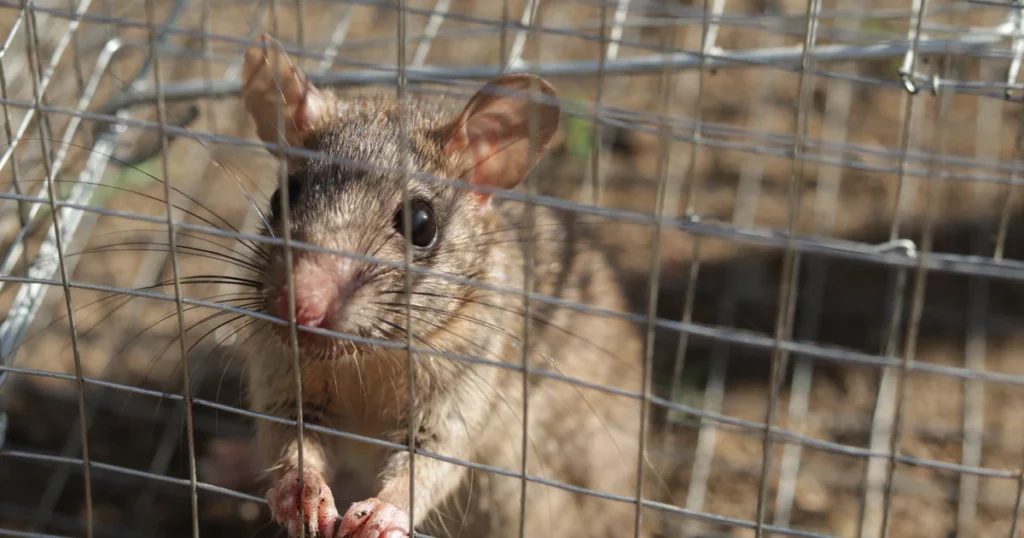
Rodents in Virginia can create costly problems when early signs are missed. Learn what to look for, why it matters, and when to call Proforce.
Key Takeaways About Virginia Rodents
- Rats and mice can enter Virginia homes through surprisingly small gaps, and even one rodent or signs of activity can warrant prompt action.
- Knowing the differences between common rodent types helps you spot an issue early and understand where to look for activity around your property.
- Rodents can damage property and pose health concerns, making prevention and professional control worth considering for any Virginia homeowner.
- Proforce Pest Control offers rodent control that includes inspection, baiting, trapping, and exclusion work backed by a re-treat guarantee on every service.
How to Identify Virginia Rodents
Knowing which rodent species you are dealing with is the first step toward solving the problem. Mice and rats share some habits, but they differ in where they nest, how far they travel, and where you will find evidence of their presence. Here is what to look for in and around your Virginia home.
How to Tell Rodent Types Apart in Virginia
The two rat species most likely to affect homes behave very differently. According to Texas A&M School IPM, roof rats climb and nest above ground in attics and trees, while Norway rats burrow near foundations and can travel up to 150 feet from their nests. Mice stay much closer to home, typically foraging within 30 feet of their nests, so signs of activity tend to cluster in a small area.
Commensal mice and rats are the species that most commonly share living spaces with people. Recognizing the difference between a mouse dropping and a rat dropping, or between a burrow entrance and a chewed soffit, helps you understand the scope of the issue before choosing next steps.
How to Spot Rodent Activity Inside Your Virginia Home
Look for runs on drywall, furniture, or countertops where mice repeatedly travel the same trails. Scratching or scurrying sounds in walls and under floorboards are another giveaway. Small holes in food bags, droppings that resemble small dark seeds, and nests made from clothing or cardboard all point to mice.
A musty urine smell is also telling. In nine out of ten cases where that odor is discovered, some sort of rodent or animal issue is present. Strange pet behavior, such as pawing under furniture or fixating on walls, can be an early clue as well.
Where Rodent Activity Shows Up Around Virginia Homes
Rodent nests can appear in attics, walls, trees, and vine-covered structures. Mice often build nests in wall voids, cardboard boxes, heating units, and appliances. Because mice forage so close to their nests, intensive searching near droppings or gnaw marks often reveals the nest itself.
Rodent nests can also attract secondary pests. Some pantry insects breed in rodent nests and may migrate from those nests into living areas. Rodent mites, roughly 1 mm in size, can disperse from nests and occasionally bite humans in nearby rooms.
Exterior Entry Points Rodents Use Around Virginia Homes
Rats and mice look for any gap they can squeeze through. Poorly sealed AC entry points, rotted wood under raised homes, holes along the fascia, and the ridge of the roof are all common access points. Roof rats can climb trees and travel along power lines to reach rooftops, where they enter through vents or other openings.
When temperatures drop, mice actively search for warmth and probe homes for gaps. Foundation cracks, siding holes, garage openings, and gaps around doors and windows are among the most common ways mice get inside.
Why Rodent Problems Develop in Virginia
Rodent problems around Virginia homes often come down to accessible food, nearby shelter, and easy ways inside. Understanding what draws rodents in and how they move can help you spot conditions before an issue takes hold.
Outdoor Nesting Areas for Rodents Around Virginia Homes
Rodents do not travel large distances. According to UF/IFAS Extension, their density and movement may be influenced by habitat features such as brush, stacked wood, and available food sources. Yards with dense vegetation or stored materials can create the kind of cover rodents prefer close to a structure.
Food and Shelter That Attract Rodents Around Virginia Homes
Rodents tend to nest near warm food sources. Birdseed, dry pet food, and garden seeds stored in garages or sheds can all draw activity closer to your home. Rodents may also stash nuts or pet food in wall voids, building hidden caches that sustain them over time.
Warm air, moisture, and food all attract pests looking for a place to settle. Dark cavities in walls or crawl spaces offer the protection and shelter rodents seek, especially as temperatures drop.
How Rodents Move Around Virginia Homes
Rodents cause substantial annual damage to property, crops, and food supplies throughout America. Once they find a reliable food source near your home, their movement patterns tighten around that area. Reducing brush, stacked wood, and outdoor food sources can help influence how close rodents settle to your foundation.
Trails and Entry Points Rodents Use in Virginia
Mice are small enough to squeeze into narrow holes or cracks. Common indoor entry routes include garages, siding gaps, foundation cracks, and openings around doors and windows. Roof rats favor elevated paths and may access rooftops from nearby trees or utility lines.
Inside, you may notice runs on drywall or countertops from repeated rodent travel. Droppings, scratching sounds, and small holes in food packaging confirm that rodents have found a path into your home.
Risks From Virginia Rodents
Rodents that find their way into a Virginia home can create problems that go beyond simple nuisance. These pests can spread diseases, damage critical building components, and draw secondary pest activity into areas where you store food. Understanding these risks helps you decide how quickly to act when you notice signs of rodent activity.
Health Risks Linked to Virginia Rodents
Rodents can spread diseases, and according to Texas A&M School IPM, they also trigger asthma and allergic reactions. Droppings, urine, and dander that accumulate in attics, wall voids, and living spaces may affect indoor air quality over time. Households with young children or anyone who has respiratory sensitivities should take rodent signs seriously.
Property Damage From Rodents in Virginia
One of the more dangerous property risks is fire. Rodents can cause fires by damaging electrical wiring as they gnaw through insulation and casing. Chewed wiring hidden inside walls or attics may go unnoticed until a serious problem develops. Rodents also commonly chew through AC conduits, cardboard boxes, plastic bags, and clothing or bedding they use as nesting material.
Food Areas and Rodent Activity in Virginia Homes
Kitchens, pantries, and anywhere food is accessible can become a target. Rodents may move and hide food in wall voids or other concealed spaces. As the University of Minnesota Extension notes, food hidden by rodents may also attract beetles, creating a secondary pest issue you might not expect. Sealing all food in sturdy containers and cleaning up spills quickly can reduce the appeal of these areas.
When to Look Closer at Rodent Activity in Virginia
Droppings, scratching sounds in walls, and small holes in food bags are all signs worth investigating. A musty urine smell in the attic is another strong indicator. Unusual pet behavior can also point to rodent activity behind the scenes.
Because these pests pose threats to both your health and your property, early attention matters. Watching for the signs above gives you a head start on addressing the issue before wiring, stored belongings, or air quality are affected.
Professional Pest Control for Rodents in Virginia
Keeping rodents out of your Virginia home takes more than a single trap. A layered approach that combines attractant reduction, thorough inspection, and professional treatment gives you the best chance of addressing a rat or mouse problem before it grows.
How to Reduce Attractants for Rodents in Virginia
Rats are most active at dusk and travel at night to food and water sources. Limiting what draws them in can make your property less appealing. Seal all food in sturdy containers and put away uneaten pet food. Clean up spills quickly so nothing lingers overnight when rodents are on the move.
Trim tree branches and bushes back at least three feet from your foundation. Do not store blankets or fabrics in unsealed bins or flimsy plastic bags. Use heavy-duty storage bins instead, and get cardboard out for recycling as soon as possible. These materials can serve as nesting supplies.
Seal entry points around your home, paying close attention to foundation cracks, siding gaps, garage openings, and spaces around doors and windows. Mice can squeeze through surprisingly narrow holes when seeking warmth.
Why Rodent Control in Virginia Starts With Inspection
Inspection is the foundation of any rodent control plan. Proforce service professionals examine your attic for running trails, which appear as discolored, gray marks left by oils on a rodent’s body. These trails can lead directly to entrance and exit points.
They also look for visible chewing damage, especially around AC conduits, which rodents commonly chew through for condensation. A musty urine smell in the attic is a strong indicator of activity. Droppings help identify what type of rodent is present, since their size varies by species.
On the exterior, according to Texas A&M School IPM, Norway rat burrows appear in soft soil, eroded areas, or where hard surfaces meet soil, with entry holes that are clean, smooth, and may show grease marks. Roof rats favor elevated locations including attics, walls, and tree tops. Proforce can inspect attics, under homes with a crawl bot if needed, and on top of roofs with drones.
What to Expect During Professional Rodent Treatment in Virginia
Once the inspection is complete, Proforce service professionals strategically place four rodent bait stations around the home. Placement is guided by evidence found during the inspection, including droppings, tracks, and nests.
Inside the attic, Maki Paks are placed to bait rodents away from chewing on wires. Two are positioned on either side of the AC unit for homes with a minimal rodent issue. Miniature bait boxes are also used in the attic. A dust applicator is used to lightly apply D-Fence dust toward the four corners of the attic without broadcasting or covering stored materials.
Baited glue traps may be placed indoors to catch rodents still inside. If burrowing rodents are found, the IGI CO2 burrow option is available for an extra fee. Snap traps and wooden lever traps are also part of the available toolkit.
What to Expect From a Virginia Rodent Control Plan
Proforce backs every rodent service with a re-treat guarantee. If you continue to hear activity, the team adjusts trap placement or bait type. Rats can be trap-shy and smart enough to avoid traps until those changes are made.
For homes that need structural sealing, Proforce offers wildlife exclusion work. Exterior exclusion uses cement or steel applied to gaps a quarter inch or larger. Attic exclusion may involve sealing around fascia, covering the whirly bird with wire mesh, or securing the base of the home with mesh. Wildlife exclusion jobs carry a one-year warranty against the original animal.
Homeowners should ensure the service professional has clear access to the attic, crawl spaces, and roof. Move any items blocking entry points, and make sure no vehicles are blocking flat ground needed for roof access.
Bottom Line on Rodents in Virginia
Rodents that make their way into Virginia homes can cause property damage and create conditions that affect your health. Whether you are dealing with mice scratching inside walls or rats nesting in the attic, early attention matters. Identifying droppings, gnaw marks, or unusual sounds gives you a starting point, and sealing entry points paired with proper sanitation helps reduce the chances of a repeat problem. When you want professional assistance with rodent control, contact Proforce Pest Control to request an inspection and learn about your options.
Frequently Asked Questions About Rodents in Virginia
How Do Rodents Get Inside a House?
Mice and rats seek warmth and accessible food, squeezing through surprisingly small openings. Common entry points include gaps around doors and windows, foundation cracks, siding holes, and garages. Roof rats may reach rooftops from nearby trees or utility lines and enter through vents or fascia gaps. Poorly sealed AC entry points and rotted wood under raised homes are other frequent access routes.
What Are the Signs of a Rodent Problem?
Look for droppings that resemble small, dark seeds, as size can indicate the species present. Discolored trails on drywall, furniture, or countertops come from repeated rodent travel. You may also hear scratching sounds in walls. Small holes chewed into food bags, nests made from clothing or cardboard, and unusual pet behavior are additional indicators.
What Can I Do to Prevent Rodents?
Start by sealing food in sturdy containers and putting away uneaten pet food promptly. Clean up spills quickly so rodents have fewer reasons to stay. Limit nesting materials by trimming vegetation back at least three feet from your foundation, storing fabrics in heavy-duty bins, and recycling cardboard promptly. Seal any gaps or cracks before setting traps. Natural repellents such as peppermint oil, cayenne pepper, cloves, vinegar, or fabric softener sheets stuffed into entry points may help deter mice as well.
How Does Professional Rodent Control Work?
Proforce service professionals inspect the exterior and interior of your home, including the attic, looking for droppings, running trails, chewing damage, nests, and odor. Based on the evidence, they strategically place rodent bait stations around the home. Inside the attic, baits and traps intercept rodents before they cause further damage to wiring or stored belongings. For homes needing exclusion work, the crew seals openings a quarter-inch or larger with cement, steel, or wire mesh around the fascia, soffit, and base of the home.