
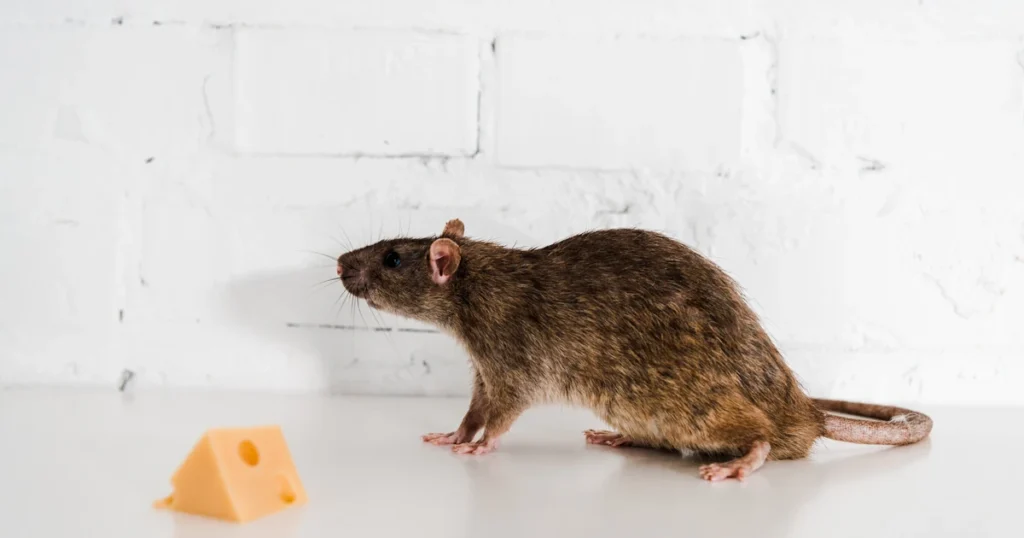
Rodents in South Carolina can create costly problems when early signs are missed. Learn what to look for, why it matters, and when to call Proforce.
Key Takeaways About South Carolina Rodents
- South Carolina homeowners may encounter rats and mice that nest in and around homes, especially near accessible food sources and sheltered areas.
- Rodents can cause property damage and pose health concerns, so early identification of signs like droppings, sounds in walls, or unusual odors is worth acting on.
- Sealing entry points, removing potential nesting materials, and keeping food stored properly are practical steps that help reduce rodent activity around your home.
- Professional rodent control can include detailed inspections, strategic bait placement, trapping, and exclusion work to address entry points.
How to Identify South Carolina Rodents
Knowing which rodent you’re dealing with is the first step toward addressing the problem. Rats and mice each leave different clues, nest in different spots, and move through your property in distinct ways. Understanding those differences helps you figure out where to look and what you’re looking at.
How to Tell Rodent Types Apart in South Carolina
Roof rats and Norway rats behave quite differently. According to Texas A&M School IPM, roof rats climb and nest above ground in attics and trees, while Norway rats burrow near foundations and can travel up to 150 feet from their nests. Roof rats may also nest in walls and vine-covered structures. Mice, by contrast, tend to stay closer to their nests and forage within a much smaller range.
The size of droppings you find can indicate what type of rodent is present. Larger droppings generally point to rats, while droppings that look like small, dark seeds suggest mice. Paying attention to where droppings appear, whether in an attic or along a foundation, helps narrow down the species.
How to Spot Rodent Activity Inside Your South Carolina Home
Mice often leave runs on drywall, furniture, or countertops from repeatedly traveling the same trails. Scratching or scurrying sounds in walls and under floorboards are another common indicator. Small holes in food bags, especially items left out, can signal mice are foraging nearby.
In attics, look for discolored, gray running trails left by oils coming off rodents. These trails can lead to entrance and exit points. A musty urine smell in the attic is a strong indicator of a rodent issue. Chewed AC conduits are worth inspecting as well, since rodents commonly chew through them for condensation.
Where Rodent Activity Shows Up Around South Carolina Homes
As Texas A&M School IPM notes, mice typically forage within 30 feet of their nests, so searching near signs of activity often reveals nests in wall voids, cardboard boxes, heating units, and appliances. Nests built from clothing or cardboard may turn up in closets, cabinets, or under furniture.
Old rodent burrows outdoors can attract other pests. Yellowjackets may build nests below ground in abandoned rodent burrows, and bumble bee colonies are often found in similar cavities. Locating and removing rodent nests within 300 feet of your home helps reduce these secondary concerns.
Exterior Entry Points Rodents Use Around South Carolina Homes
Poorly sealed AC entry points are one of the most common ways rodents get inside. Under raised homes, rotted wood can open gaps large enough for entry. Roof rats can climb trees and travel along power lines to reach rooftops, where they enter through the ridge of the roof, holes along the fascia, or various vents.
When cooler weather arrives, mice search for warm shelter and can squeeze into narrow holes or cracks. Gaps around doors, windows, siding holes, foundation cracks, and garages are all potential access points worth checking.
Why Rodent Problems Develop in South Carolina
Rodent issues around South Carolina homes often start outside and work their way in. Understanding what draws rodents to your property, where they shelter, and how they travel can help you recognize early warning signs before damage adds up.
Outdoor Nesting Areas for Rodents Around South Carolina Homes
Rodents tend to nest near warm food sources. Outdoor areas with overgrown vegetation, stacked wood, or accumulated debris can serve as harborage. According to UC IPM, removing likely harborages such as rodent nests is an important step in management. When nesting sites sit close to a structure, rodents have a short path to your home’s interior.
Food and Shelter That Attract Rodents Around South Carolina Homes
Warmth, moisture, and food are the primary attractants. Rodents seek protection in dark cavities such as walls or crawl spaces. Even stashed food can become a problem: rodents may create caches of nuts or pet food inside wall voids, sustaining activity long after you think the food has been cleaned up.
Removing accessible food and water sources is one of the most straightforward steps you can take. Sealed containers, prompt cleanup, and dry storage areas all reduce what rodents are looking for.
How Rodents Move Around South Carolina Homes
Rats are most active at dusk and travel at night to food and water sources. This nocturnal pattern means you may not see rodents directly, even when they are active around your home. Signs like droppings, tracks, or sounds in the walls are often the first clues homeowners notice.
Trails and Entry Points Rodents Use in South Carolina
Structural problems such as gaps around AC conduits, rotted wood under raised homes, or openings along the fascia can permit entry. Rodents can squeeze through surprisingly narrow openings, so even small cracks deserve attention.
Sealing entry points and fixing structural gaps are key parts of keeping rodents out. Foundation cracks, gaps around doors and windows, and siding holes all warrant regular inspection.
Risks From South Carolina Rodents
A rat or mouse infestation in your South Carolina home can create more than just an annoyance. Rodents introduce secondary pests, compromise stored food, and leave behind signs that may go unnoticed until the problem grows. Understanding what these pests put at risk helps you decide how quickly to act.
Health Risks Linked to South Carolina Rodents
Certain mite infestations typically occur in structures where rodent nests are located. According to Texas A&M AgriLife Extension, bites from these mites are usually noticed only in specific rooms near the nests. Unlike bed bugs, these mites do not hitchhike on people or belongings, so the issue stays concentrated around active nesting areas.
If you are finding unexplained bites in one room of your home, a hidden rodent nest nearby may be the underlying cause. Addressing the nest is the first step toward resolving the mite activity as well.
Property Damage From Rodents in South Carolina
Rats and mice can chew through AC conduits, wiring, cardboard boxes, plastic bags, and even clothing or bedding, which they use as nesting material. Visible chewing damage in your attic, along with discolored running trails, can point to ongoing activity. A musty urine smell in an enclosed space is another indicator that rodents have been present.
You have options for ridding your property of a rat or mouse infestation, but the longer these pests stay, the more material they can damage.
Food Areas and Rodent Activity in South Carolina Homes
Rodents stash food in hidden spots throughout a structure. As the University of Minnesota Extension notes, food hidden by rodents may also attract beetles. This means one pest problem can lead to a second one in pantries, cabinets, or wall voids where rodents have stored food items.
Keeping food sealed in sturdy containers and cleaning up spills quickly reduces the resources available to rodents and the secondary pests they attract.
When to Look Closer at Rodent Activity in South Carolina
Droppings, scratching sounds in walls, holes in food packaging, and unusual pet behavior such as barking at nothing or pawing under furniture are all signs worth investigating. Nests made from clothing or cardboard often appear in closets, cabinets, and under furniture. If you spot any of these signs, a closer look at your attic, crawl space, or roofline may reveal how rodents are entering.
Professional Pest Control for Rodents in South Carolina
Keeping rodents out of a South Carolina home takes more than a single trap. A thorough approach combines reducing what attracts them, inspecting for entry points, and applying targeted control methods. Here is how each step works and what Proforce brings to the process.
How to Reduce Attractants for Rodents in South Carolina
Rodent nests can attract secondary problems. According to UC IPM, some pantry insects breed in the nests of rodents and may migrate from those nests into homes. Removing nesting opportunities early helps limit that risk.
Seal all food in sturdy containers and put away uneaten pet food. Clean up spills quickly and recycle cardboard promptly, since rodents may use it as nesting material. Store blankets and fabrics in heavy-duty bins rather than flimsy bags.
Trim ground cover and remove mulch from around your foundation to reduce harborage areas. Removing tree branches or bushes within three feet of your foundation also limits pathways to your home.
Why Rodent Control in South Carolina Starts With Inspection
Regularly inspecting vulnerable areas is a core part of rodent management. Focus on storage closets, laundry rooms, garages, and any food storage or preparation spaces. Norway rat burrows tend to appear in soft soil or where hard surfaces meet soil, and their entry holes are typically clean, smooth, and may show grease marks. Roof rats favor elevated locations, including attics, walls, and tree tops.
Proforce service professionals inspect attics for running trails, chewing damage, droppings, odor, and disturbed storage items. If roof access is needed, Proforce can use drones. For under-home inspections, a crawl bot may be deployed when space is tight.
What to Expect During Professional Rodent Treatment in South Carolina
Proforce places four rodent bait stations around the home, positioned based on evidence such as droppings, tracks, and nests. Inside the attic, service professionals apply D-Fence dust lightly toward the four corners, avoiding stored materials and the AC unit.
Maki Paks are placed in the attic to draw rodents away from wiring. Miniature bait boxes supplement these placements. Baited glue traps and snap traps are used indoors to catch rodents still inside. Snap traps can be baited with peanut butter, honey, or cotton string. If burrowing rodents are found, Proforce can use an IGI CO2 burrow device for an additional fee.
What to Expect From a South Carolina Rodent Control Plan
Every Proforce rodent service includes a re-treat guarantee. If activity continues, service professionals adjust trap placement or bait type, since rodents can be trap shy. Wildlife exclusion jobs carry a one-year warranty against the original animal.
For exclusion work, Proforce seals gaps one-quarter inch or larger using cement or steel. Attic exclusion may include covering the whirly bird vent with wire mesh, sealing around fascia, and securing the base of the home with mesh. These steps target common entry points such as AC conduits, rotted wood under raised homes, and gaps along the roof ridge.
Homeowners should ensure access to attics, crawl spaces, and roofs before the service visit. Move any items blocking entry points, and keep driveways clear so equipment can reach the roofline if needed.
Bottom Line on Rodents in South Carolina
Staying ahead of rodent problems matters for both your property and your health. Removing accessible food and water sources, sealing entry points, and watching for signs like droppings or stashed food in wall voids are all practical steps you can take. When those steps are not enough, working with a rodent control professional gives you a structured plan that covers inspection, baiting, trapping, and exclusion.
Proforce Pest Control offers a re-treat guarantee on every rodent service and a one-year warranty on wildlife exclusion work, so reach out for a quote if you need help protecting your home.
Frequently Asked Questions About Rodents in South Carolina
How Do Rodents Get Inside a Home?
Mice and rats can squeeze through surprisingly small openings. Common entry points include gaps around AC conduits, foundation cracks, holes along the fascia, siding gaps, and spaces around doors and windows. Roof rats may also climb trees or travel along power lines to reach the roofline.
What Signs Point to a Rodent Problem?
Look for droppings, rub marks along walls from repeated travel paths, scratching sounds in walls, and holes in food packaging. A musty urine odor in the attic or crawl space is another strong indicator. Pets may also behave oddly, barking at walls or pawing under furniture.
Can I Handle Rodent Control on My Own?
Basic prevention goes a long way. Seal all food in sturdy containers, clean up spills quickly, and remove nesting materials like loose cardboard and unsealed fabric bins. Sealing entry points before setting traps improves results. If activity continues despite your efforts, a professional inspection can uncover hidden access points and guide a more thorough approach.
What Does Proforce’s Rodent Service Include?
Service professionals inspect the attic, exterior, and crawl spaces for droppings, chew damage, and entry points. Bait stations are placed around the home, and attic treatments use dust application and bait packs positioned near activity areas. Trapping is used indoors as needed. Exclusion work seals openings with cement, steel, or wire mesh. Every rodent service carries a re-treat guarantee, and wildlife exclusion jobs include a one-year warranty.