
Rodents in Georgia can create costly problems when early signs are missed. Learn what to look for, why it matters, and when to call Proforce.
Key Takeaways About Georgia Rodents
- Georgia homeowners may encounter rats and mice that seek entry through gaps in foundations, rooflines, and AC conduits, so knowing what to look for is the first step toward control.
- Rodents can cause property damage and pose health concerns, making early identification of droppings, gnaw marks, and nesting material worth your attention.
- Sealing entry points, removing food sources, and keeping storage areas tidy help reduce the conditions that attract rodents to your home.
- Professional rodent control, including exterior bait stations, attic inspections, and exclusion work, targets both current activity and future access points.
How to Identify Georgia Rodents
Knowing which rodent species you are dealing with is the first step toward resolving the problem. Georgia homeowners may encounter house mice, roof rats, and Norway rats. Each species looks and behaves differently, and the signs they leave behind vary depending on where they settle in or around your home.
How to Tell Rodent Types Apart in Georgia
The house mouse is one of the most adaptable rodent species worldwide and maintains a strong association with human settlements. It is sometimes mistaken for other small rodents inhabiting buildings and surrounding areas, so learning the key differentiating features is important.
According to Texas A&M School IPM, different rat species have distinct behaviors. Roof rats climb and nest above ground in attics and trees, while Norway rats burrow near foundations and can travel up to 150 feet from their nests. Recognizing these patterns helps you narrow down which species may be present.
How to Spot Rodent Activity Inside Your Georgia Home
Droppings are often the first clue. Look for them near food storage areas, in drawers, cupboards, and under sinks. Mouse droppings look like small, dark seeds, while rat droppings are noticeably larger. Droppings size helps indicate which species is present.
Musty odors from concealed areas can also point to rodent activity. If you notice a persistent urine smell in the attic or behind walls, there is a good chance rodents have established a presence. Strange pet behavior, like barking at “nothing” or pawing under furniture, can be another signal.
Where Rodent Activity Shows Up Around Georgia Homes
Inside, watch for runs on drywall or countertops created by mice repeatedly traveling the same trails. Scratching or scurrying sounds in walls and under floorboards are common. Nests made from clothing or cardboard may appear in closets, cabinets, or under furniture.
Roof rats tend to show signs in attics and upper levels. Norway rats are more likely to leave evidence near ground-level areas and along foundations. Matching the location of the signs to the behavior of each species helps you identify what you are dealing with.
Exterior Entry Points Rodents Use Around Georgia Homes
When temperatures drop, mice search for warmth and can squeeze through narrow holes or cracks. Common entry points include gaps around the garage, siding holes, foundation cracks, and spaces around doors and windows. Roof rats can climb trees and travel along power lines to reach rooftops, where they enter through vents or gaps along the fascia.
Poorly sealed AC entry points and rotted wood under raised homes also provide access. Keeping an eye on these areas around your Georgia home can help you recognize rodent activity early.
Why Rodent Problems Develop in Georgia
Rodents can become a concern for Georgia homeowners when the conditions around a property give them easy access to food, shelter, and reliable travel routes. Understanding what draws rodents in and how they move helps you spot pressure points before an issue grows.
Outdoor Nesting Areas for Rodents Around Georgia Homes
Rodents seek protection and shelter in dark cavities, including wall voids and crawl spaces beneath homes. According to the University of Tennessee Extension, warm air and moisture also attract pests to these sheltered spots. Yards with dense ground cover or stored materials can offer rodents the concealment they need to nest close to a structure.
Food and Shelter That Attract Rodents Around Georgia Homes
Accessible food is one of the strongest draws. Rodents may target birdseed, dry pet food, garden seeds, dried flowers, and ornamental corn stored in garages or sheds. Even potpourri and rodent baits left in the open can attract them. Keeping these items sealed and out of reach reduces what rodents can forage.
Inside walls, rodents often stash nuts or pet food in hidden caches. Gnaw marks on food packaging are a common early sign that rodents have found a reliable food source in your home.
How Rodents Move Around Georgia Homes
Rats are among the most problematic rodents in residential areas. They can damage crops, contaminate food supplies, and transmit diseases to humans and pets. Certain non-native species pose particular problems when they establish themselves near homes.
Trails and Entry Points Rodents Use in Georgia
Rodents are creatures of habit. Signs of activity include droppings, pilfered food, gnaw marks, and grease marks, which are dark oil stains left when rats rub against surfaces. These clues typically appear along walls, foundations, pipes, and electrical conduits.
Gaps in a home or garage give rodents a direct path inside. Sealing holes, placing traps in and around the home, and removing accessible food sources are practical steps that help reduce entry opportunities, as Centers for Disease Control and Prevention notes.
Risks From Georgia Rodents
Rodents in Georgia can create problems that go well beyond the nuisance of hearing scratching in your walls. These pests pose both health and property concerns that are worth understanding so you can act at the first sign of activity.
Health Risks Linked to Georgia Rodents
Rodents can spread diseases to people. Hantaviruses have been identified in the deer mouse in other U.S. regions, and according to Missouri Department of Conservation, the disease is fatal in about 36 percent of cases. Deer mice also associate with plague and Lyme disease transmission. If you find droppings or nesting material, clean the area with a disinfectant or a mixture of bleach and water rather than sweeping or vacuuming dry debris.
While plague is a disease rats can carry, according to UC IPM, it is rarely found in commensal rodent species. Commensal rats and mice do not carry or transmit rabies. Rodent pests can also trigger asthma and allergic reactions in occupied spaces.
Property Damage From Rodents in Georgia
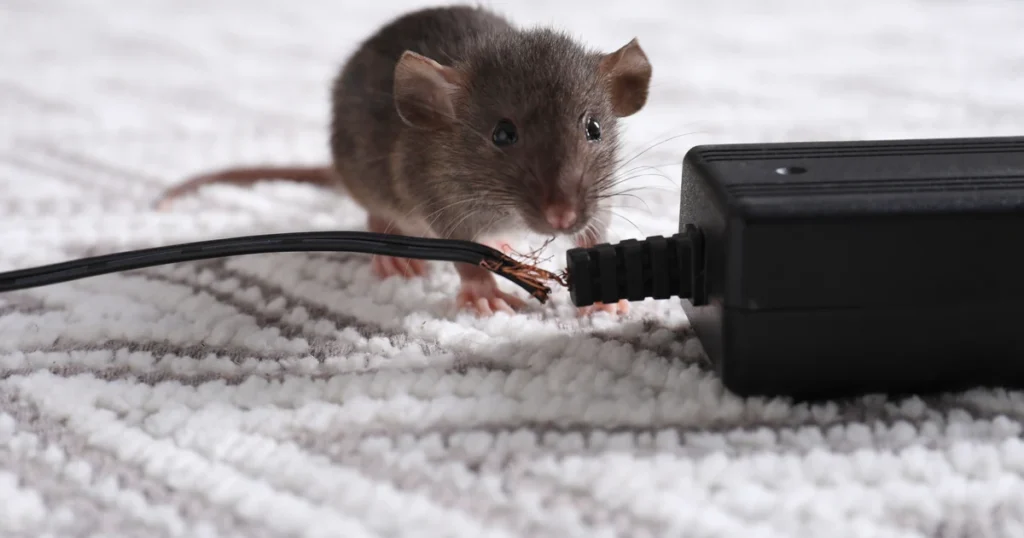
Gnawing is one of the most serious risks rodents bring to your home. Their teeth target electrical wiring, gas lines, and appliance cords. The Federal Emergency Management Agency attributes numerous fires of undetermined origin to rodent-caused wire damage. Vehicles and stored property also suffer gnaw damage.
Rodents frequently target vehicle engines, gnawing on the insulative sheaths of engine wires in cars. This can lead to malfunctions and costly mechanical repairs. Garages and carports connected to your home deserve the same attention as interior spaces.
Food Areas and Rodent Activity in Georgia Homes
Your kitchen and pantry are natural draw points. Mice can chew through food bags, especially those left out unattended. Sealing all food in sturdy containers and cleaning up spills quickly reduces the resources available to these pests. Put away uneaten pet food after each meal.
When to Look Closer at Rodent Activity in Georgia
Early warning signs matter. Droppings, gnaw marks on wiring or stored items, and a musty urine smell all point to possible rodent activity. Strange pet behavior, such as barking at nothing or pawing under furniture, may also signal that pests have moved in.
Addressing rodent activity early helps protect wiring, stored belongings, and the overall condition of your home. A thorough inspection of your attic, crawl spaces, and exterior entry points is a practical first step.
Professional Pest Control for Rodents in Georgia
Managing rodents in Georgia goes beyond setting a trap and hoping for the best. A thorough approach covers prevention, detailed inspection, species-appropriate treatment, and ongoing monitoring. Understanding how each step works helps you make informed decisions about protecting your home.
How to Reduce Attractants for Rodents in Georgia
Reducing what draws rodents to your property is the first line of defense. Rats travel at night to find food and water sources, so limiting access to both can make your home less appealing. Seal all food in sturdy containers, put away uneaten pet food, and clean up spills right away. Remove tree branches or bushes within three feet of your foundation, and swap cardboard storage boxes for heavy-duty bins.
Minimizing contact with rodents in your home also lowers the risk of exposure to hantaviruses, according to Centers for Disease Control and Prevention. Keep garages and storage areas tidy, and avoid leaving nesting materials like loose fabric or cardboard in accessible spaces.
While certain dogs and cats may capture house mice, few situations exist where household pets provide sufficient population control, as UC IPM notes. Relying on a pet alone is unlikely to resolve an active issue.
Why Rodent Control in Georgia Starts With Inspection
Inspection matters because different rodent species behave differently. Norway rat burrows typically appear in soft soil, eroded areas, or where hard surfaces meet soil, and their entry holes are clean, smooth, and may show grease marks. Roof rats, by contrast, favor elevated locations including attics, walls, tree tops, and vine-covered structures.
Proforce service professionals examine attics for running trails, visible chewing damage, droppings, odor, and even bird nests that can mimic rodent activity. They also check AC conduits, which rodents commonly chew through for condensation. Inspections can cover attics, under homes using a crawl bot if needed, and rooftops with drones.
What to Expect During Professional Rodent Treatment in Georgia
Rodent mites can disperse from their animal hosts and occasionally bite humans, but they cannot survive without those hosts. Professional pest control paired with host removal addresses both the rodent population and secondary pests like mites.
Proforce places four rodent bait stations around the home, using evidence from the inspection to position them where activity is highest. For Norway rats, stations go near burrows, suspected nest sites, against walls, or along travel routes. For roof rats, stations are placed in elevated locations such as in the crotch of a tree, on top of a fence, or high in a vine.
Inside the attic, service professionals apply a light coat of D-Fence dust toward the four corners and place Maki Paks to redirect rodents away from chewing on wires. Baited glue traps, snap traps, and miniature bait boxes round out the indoor approach. If burrowing rodents are found, an IGI CO2 burrow treatment is available for an additional fee.
What to Expect From a Georgia Rodent Control Plan
Proforce covers rats, including roof rats, and mice. The wildlife exclusion process begins with a detailed exterior inspection to identify locations that need sealing, caulking, or replacing. A wildlife crew then applies cement or steel to openings a quarter-inch or larger, and may install wire mesh around fascia, whirly birds, or the base of the home.
Every rodent service carries a re-treat guarantee, and wildlife exclusion jobs include a one-year warranty against the original animal. Dead animal removal is available at a flat rate, and if the animal cannot be located, a biological neutralizing agent is applied to help break down the remains and control odor.
Because rats can be trap-shy and may avoid traps until placement or bait is adjusted, regular follow-up visits are part of the process. With ongoing service, rodents that contact baits tend to become lethargic and more likely to end up on a trap.
Bottom Line on Rodents in Georgia
Catching the signs early, such as droppings near food storage areas, gnaw marks on packaging, or musty odors from concealed spaces, gives you a head start on addressing the problem. Pairing prevention steps like sealing gaps around your home and removing accessible food sources with professional rodent control makes a meaningful difference. If you suspect rodent activity in your Georgia home, contact Proforce Pest Control to request an inspection and get a plan tailored to your situation.
Frequently Asked Questions About Rodents in Georgia
How Do Rodents Get Inside a House?
Rodents can squeeze through openings as small as a quarter inch. Common entry points include poorly sealed AC conduit entries, gaps along the fascia, holes in siding, foundation cracks, and spaces around doors, windows, and garages. Roof rats are especially skilled climbers and may reach your roof by traveling along tree branches or power lines before finding a way in through vents or ridge openings.
What Are the First Signs of a Rodent Problem?
Look for droppings near food storage areas, in drawers, or under sinks. Gnaw marks on food packaging, scratching or scurrying sounds in walls, and stashed food items such as nuts or pet food in wall voids are also common indicators. A musty odor from a concealed area can point to an active presence as well.
What Can I Do to Prevent Rodents Around My Home?
Seal holes and gaps around the exterior of your home and garage. Store food in sturdy containers and put away uneaten pet food promptly. Keep tree branches trimmed at least three feet from your foundation, and swap out cardboard storage boxes for heavy-duty bins so rodents have fewer nesting materials to work with.
Does Proforce Offer a Guarantee on Rodent Services?
Proforce provides a re-treat guarantee on every rodent service. Wildlife exclusion jobs carry a one-year warranty against the specific animal the exclusion work was originally set in place for. If you continue to hear activity inside your home after service, you are covered under the warranty terms.