
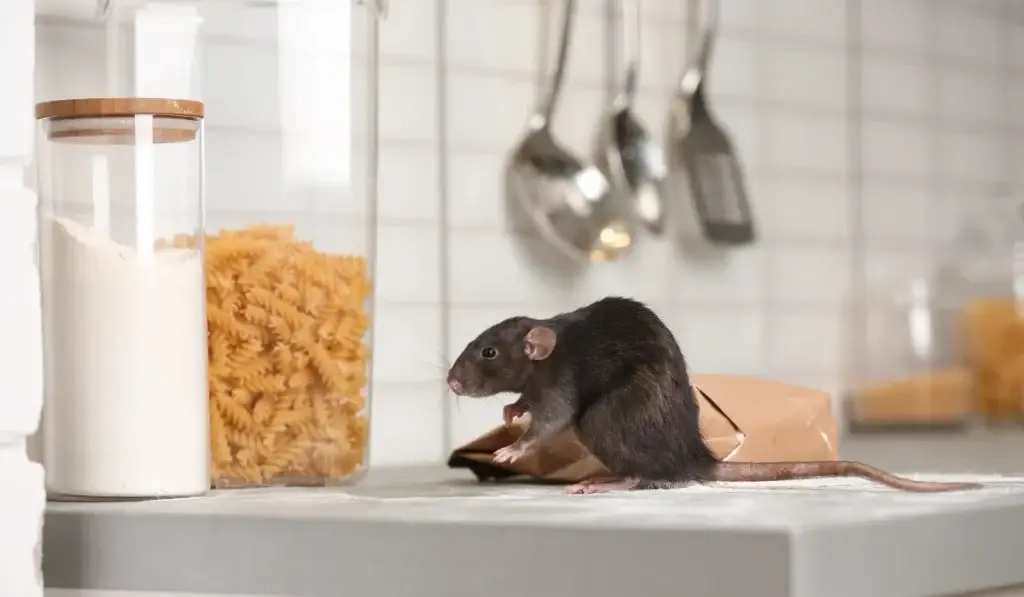
Hearing scratching in the attic? Finding droppings under the sink or chewed pantry boxes? If rodents enter your home, a small issue can quickly become a serious problem. Rodent control in Fort Lauderdale often requires more than a few hardware store traps, especially when pest issues spread through kitchens, garages, and crawl spaces.
In Fort Lauderdale and the surrounding areas, warm weather and readily available food sources keep rodents active year-round. Whether you own a home or manage a commercial property, rodent infestations need a clear plan.
Here is what works, what to check first, and how to choose the right solution.
Key Takeaways
- Rodent control works best when trapping, exclusion, and sanitation are combined.
- Entry points such as roof gaps, crawl space vents, and garage seals are common failure points.
- DIY traps can help in the short term, but larger infestations require professional pest control.
- Ongoing pest management protects your property from rodents and other common pests.
What Works for Rodent Control in Fort Lauderdale Homes
Effective rodent control in Fort Lauderdale focuses on removal and long-term prevention. Quick fixes rarely solve the problem.
Strategic Trapping Placement
Traps work well when you place them correctly. Rodents travel along walls and edges, not across open floors. Place traps along walls behind appliances or inside cabinets to catch more rodents.
Poor trap placement is a common reason rodent infestations continue in many homes.
Monitored Bait Stations
Tamper-resistant bait stations work well in garages, storage areas, and commercial properties. However, you should check them regularly.
A professional exterminator checks rodent activity and adjusts the plan. Without follow-up visits, bait stations alone may not stop pest activity.
Sanitation and Food Control
Rodents stay where they can easily find food. Pet food left out overnight, open trash, and cluttered storage areas give rodents easy access to food.
These same cleanup steps also help prevent cockroaches, silverfish, fleas, and other common pests.
Exterior Perimeter Management
Outdoor pest control helps reduce rodent activity before they enter your home. Trim shrubs, seal burrows, and remove debris to reduce nesting areas.
This approach supports general pest control, home pest control, mosquito control, and termite control for better protection.
South Florida Entry Points to Check First
Before you call an exterminator, check these high-risk areas. Rodents only need small openings to enter, and these gaps can lead to bigger pest issues.
Roofline Gaps and Attic Vents
Rodents often climb siding and utility lines. Damaged soffits or open vents give rodents direct access to the attic. Older homes often have gaps around attic vents, rooflines, and exterior openings.
Garage Door Seals
A worn garage sweep leaves a gap large enough for mice to get through. Shine a flashlight under the door at night. If you see light under the door, rodents can enter.
Crawl Space Openings
A poorly sealed crawl space often lets rodents enter. Loose vent covers and foundation cracks allow rodents inside. Many homes have crawl spaces or foundation gaps that let rodents move indoors.
Plumbing and Utility Penetrations
Gaps often remain where pipes and cables enter the home. Rodents use these openings to reach kitchens and laundry rooms.
Sealing these gaps can reduce rodent activity and limit access for other pests.
Exclusion Basics That Make Traps Work
Trapping alone won’t solve a recurring problem. Exclusion ensures rodents cannot re-enter.
Seal Structural Gaps
Seal openings with durable materials such as metal mesh and sealant. Foam alone is not enough. A thorough job seals every visible gap, not just the large ones.
Reinforce Vulnerable Doors and Vents
Install door sweeps, vent screens, and chimney caps where needed. These upgrades help prevent rodents from re-entering.
Manage Storage and Clutter
Cardboard boxes create hiding spaces. Use sealed plastic bins for long-term storage. Fewer nesting areas make pest control solutions and pest management plans work better.
Why Rodent Problems Persist in South Florida Homes
Even after sealing entry points and setting traps, rodent problems can persist if the conditions that attract them remain. In Fort Lauderdale and surrounding areas, the climate and environment make it easier for rodents to survive and return, which is why a more complete approach is often needed.
Year-Round Rodent Activity
Unlike in colder regions, South Florida’s warm climate allows rodents to stay active year-round. Without a seasonal slowdown, populations can grow quickly if not kept in check.
Outdoor Conditions That Support Infestations
Dense landscaping, fruit trees, and overgrown vegetation provide shelter and easy access to homes. Roof rats commonly use branches and utility lines to reach attics and rooflines.
Hidden Entry Points and Nesting Areas
Even after sealing visible gaps, rodents can find or create new openings. Attics, wall voids, and crawl spaces offer protected nesting areas that are difficult to detect without a detailed inspection.
Moisture and Food Sources
Leaking pipes, standing water, and accessible food sources continue to attract rodents. These conditions are common in humid environments and can sustain infestations if not addressed.
Why Basic Methods May Fall Short
Traps and exclusion help reduce activity, but they may not eliminate the problem if nesting sites and contributing factors remain. Recurring signs often indicate a larger issue that requires a more comprehensive solution.
Schedule Rodent Control in Fort Lauderdale
Rodents often remain active unless you remove food sources and seal access points. Ignoring early warning signs increases repair costs and health risks.
At Proforce Pest Control, we provide professional pest control and rodent control for homeowners and businesses in Fort Lauderdale and surrounding areas. Our pest control solutions include a satisfaction guarantee where available.
If you want reliable rodent control and a pest-free property, call today for service. Our team performs detailed inspections, sends clear updates, and provides dependable pest control services.
FAQs
How do I know if I have a rodent infestation?
Common signs include droppings, scratching noises in walls, gnaw marks, and grease trails along baseboards. If sightings increase, contact a professional exterminator.
Can rodents cause other pest problems?
Yes. Rodents can attract fleas and contribute to unsanitary conditions that support the growth of cockroaches and other pests.
Is rodent control a year-round service?
In warm regions like South Carolina and coastal Florida, rodent activity occurs year-round. Ongoing pest management helps prevent repeat infestations.