
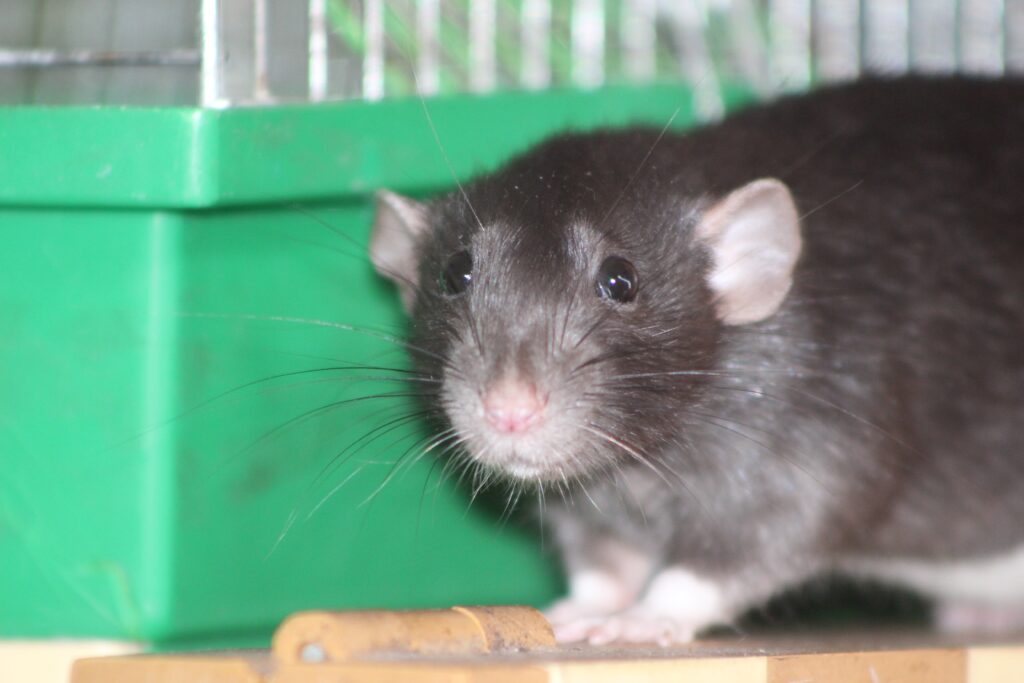
Rats in Florida can create costly problems when early signs are missed. Learn what to look for, why it matters, and when to call Proforce.
Key Takeaways About Florida Rats
- Florida homeowners may encounter more than one rat species, and correct identification helps guide the right approach to control.
- Rats can infest homes, pose health concerns, and cause property damage, so early attention matters.
- Prevention starts with reducing access points and removing harborage areas around your property.
- Proforce Pest Control offers rodent control and removal backed by the Proforce Guarantee.
How to Identify Florida Rats
Knowing what rats look like and where they leave evidence helps you act early. Florida homeowners may encounter commensal rats, the non-native species that pose problems around homes and structures. A quick visual check and an understanding of common signs can point you in the right direction.
How to Tell Rat Types Apart in Florida
Roof rats are one of the commensal species you may find around Florida properties. According to UC IPM, the roof rat has a gray to white belly and a uniformly dark tail with fine scales. A useful field test: when the tail is pulled back over the body toward the head, it reaches at least to the snout. That long tail is one of the quickest ways to confirm you are looking at a roof rat rather than another rodent.
Roof rats also show strong food preferences. They favor fruits, tree nuts, berries, slugs, snails, young birds, and bird eggs. Fruit trees and nut-bearing plants near a home can draw these rats closer to the structure.
How to Spot Rat Activity Inside Your Florida Home
Gnaw marks on wiring and structural materials are a telltale indoor sign. According to UC IPM, roof rats in attics may cause considerable damage and present safety concerns, including electrical sparks and fires, due to their gnawing and nest-building activities. Both roof rats and Norway rats may chew directly on natural gas lines, creating explosion and fire hazards.
Listen for scratching or scurrying sounds overhead, especially after dark. Droppings, greasy rub marks along walls, and shredded nesting material in hidden corners are additional indicators worth investigating.
Where Rat Activity Shows Up Around Florida Homes
Rats often leave signs in areas that are sheltered and close to food or water. Look for gnaw damage on wood framing in crawl spaces, basements, and storage areas. Attic framing can also show evidence of chewing or nesting. Damaged fruit on the ground beneath trees may signal roof rat feeding nearby.
Exterior Entry Points Rats Use Around Florida Homes
Rats can squeeze through surprisingly small gaps. Check where utility lines enter the home, gaps around roof eaves, and openings in crawl space vents. Any hole large enough for a rat’s skull can become a doorway. Keeping an eye on these exterior access points helps you spot activity before rats settle in deeper.
Why Rat Problems Develop in Florida
Rat activity around Florida homes often comes down to available nesting spots, easy access to food or water, and structural gaps that let rodents move freely between outdoors and indoors. Understanding what draws rats in can help you stay a step ahead.
Outdoor Nesting Areas for Rats Around Florida Homes
Roof rats and Norway rats choose very different nesting locations. According to Texas A&M School IPM, roof rats climb and nest above ground in trees, while Norway rats burrow near foundations and can travel up to 150 feet from their nests. Trees, vine-covered structures, and fence lines give roof rats overhead pathways close to your roofline.
Norway rat burrows tend to appear along foundation walls and in undisturbed ground cover. Removing outdoor harborages, including accumulated wood rat nests, reduces the shelter options rats rely on near your property.
Food and Shelter That Attract Rats Around Florida Homes
Once rats settle nearby, they look for enclosed, elevated spaces to nest. Roof rats move into attics, wall voids, ceiling cavities, and storage cabinets. These indoor areas offer steady shelter and protection from weather, which keeps populations established year-round.
Structural problems in buildings that allow entry, along with unaddressed harborages, give rats the combination of food access and cover they need to stay close to your home.
How Rats Move Around Florida Homes
Rats follow consistent travel routes between nesting sites and food sources. Norway rats move along walls and near burrows at ground level. Roof rats travel through elevated paths, including tree branches, fences, and vines that connect to your roof or upper walls.
Because Norway rats can range up to 150 feet from a nest, activity may appear far from the actual burrow. Roof rats nest in attics, walls, and trees, so their movement often spans both outdoor and indoor spaces.
Trails and Entry Points Rats Use in Florida
Rats exploit structural gaps and openings in buildings. Sealing entry points and fixing structural problems that permit access are key steps in reducing rat movement indoors. Gaps around rooflines, foundation cracks, and poorly fitted vents are common paths.
For roof rats, elevated entry points matter most. For Norway rats, ground-level gaps near walls and burrow sites are the primary concern. Addressing both levels helps limit the routes rats use to move between outdoor nesting areas and the interior of your home.
Risks From Florida Rats
Health Risks Linked to Florida Rats
Rats can carry plague, although it is very rarely found in commensal rodent species. Commensal rats and mice are considered extremely low-risk for rabies by the CDC, and no case of rabies transmission from a rat to a human has been documented in the United States. While the rabies and plague risks are low, rats living near people still pose a public health concern worth taking seriously.
Property Damage From Rats in Florida
Gnawing is one of the most costly behaviors rats bring into a home. As UC IPM notes, rats inflict substantial damage through gnawing that targets electrical wires and wooden structures such as doors, ledges, corners, and wall trimmings. Damaged wiring is a particular concern because exposed conductors can create fire hazards behind walls where they go unnoticed.
Norway rats add another layer of risk. They can undermine building foundations and slabs through burrowing and are capable of gnawing through soft metals such as copper and lead, as well as plastic and wood. That range of materials means very few structural components are entirely out of reach.
Food Areas and Rat Activity in Florida Homes
Kitchens, pantries, and any area where food is stored or prepared can draw rat activity indoors. Both Norway rats and roof rats readily infest homes, and once they locate a food source they tend to return. Roof rats, with their sleeker, more agile build and a tail longer than their head and body combined, can access upper-level spaces that homeowners may overlook.
When to Look Closer at Rat Activity in Florida
Fresh gnaw marks on wood trim, wiring, or metal fixtures are strong indicators that rats are active nearby. Foundation cracks or disturbed soil along slabs may point to Norway rat burrowing. You have options for addressing a rat or mouse infestation on your property, and early attention to these signs can help you choose the right next step.
Professional Pest Control for Rats in Florida
Keeping rats out of a Florida home takes more than a single trap or a quick fix. Because rats can nest in very different parts of a property, a reliable approach combines attractant reduction, thorough inspection, and ongoing professional service tailored to your situation.
How to Reduce Attractants for Rats in Florida
Trimming tree branches that touch or overhang your roof is one practical step. When activity is concentrated on branches, removing those branches can be a useful control measure. Vine-covered structures also give roof rats easy access to elevated areas, so keeping vegetation trimmed back from walls and rooflines matters.
Exclusion materials need to be chosen carefully. Lightweight chicken wire should be avoided because rats can easily pass through the wire openings. Heavier-gauge hardware cloth or metal flashing provides a more reliable barrier around gaps and vents.
Why Rat Control in Florida Starts With Inspection
Rats leave distinct signs depending on the species. According to Texas A&M School IPM, Norway rat burrows appear in soft soil, eroded areas, or where hard surfaces meet soil, and their entry holes are clean, smooth, and may show grease marks. Roof rats, on the other hand, favor elevated locations including attics, walls, tree tops, and vine-covered structures.
Knowing where activity is concentrated guides every decision that follows. A service professional who understands these patterns can pinpoint entry points and nesting zones that a homeowner may overlook.
What to Expect During Professional Rat Treatment in Florida
Ready-to-use bait stations are among the tools registered for rat control. More than a dozen of these products are registered for house mice, and some are also registered for rats. Each station comes with a rodenticide bait packaged inside or with it.
However, bait stations alone may not resolve every situation. As UC IPM notes, roof rats may not enter bait stations even when stations are placed along established runways. This can complicate control efforts, which is why a service professional may combine multiple approaches rather than relying on a single method.
What to Expect From a Florida Rat Control Plan
Proforce service professionals start with a detailed inspection to identify species-specific signs and entry points. Because Norway rats and roof rats use different parts of a structure, the treatment plan is adjusted to match what the inspection reveals.
Proforce includes rodent control and removal as part of its service lineup. With 11 locations across 5 states and a 92.5 NPS backed by 23K reviews, the team brings consistent, accountable service to every visit. The Proforce Guarantee stands behind every treatment. Done Right. Every Time.
Bottom Line on Rats in Florida
Rats can jeopardize your home’s structure and your family’s well-being when they move in unnoticed. Knowing which species you’re dealing with, where they tend to settle, and how to reduce access points gives you a practical starting point. When an infestation goes beyond what you can manage on your own, working with a rodent control professional can help you address the problem thoroughly. Reach out to Proforce Pest Control to request a quote and get a plan tailored to your home.
How Do I Know If I Have Rats or Mice?
Rats are noticeably larger than house mice and leave behind bigger droppings, gnaw marks, and grease trails. Identifying the species matters because each one behaves differently, and the wrong approach can waste time. A rodent control professional can confirm which pest is present and recommend an appropriate plan.
Can Rats Cause Damage Inside My Home?
Yes. Rats may gnaw on structural materials and can create costly problems if left unchecked. They can also pose concerns for your household’s health. Addressing signs of activity early helps limit the scope of any damage.
What Can I Do to Prevent Rats?
Sealing entry points around your home’s exterior is one of the most practical steps you can take. Removing potential nesting sites, keeping food sources secured, and reducing clutter in storage areas all make your property less inviting. Consistent upkeep is key to long-term prevention.
Should I Handle Rats on My Own or Hire a Professional?
Minor issues may respond to basic prevention steps. However, if you notice ongoing signs of activity, a rodent control expert brings the experience and tools needed to address the situation more thoroughly. Bait station placement, for example, requires careful positioning, and some species may not enter stations readily, which can complicate do-it-yourself efforts.