
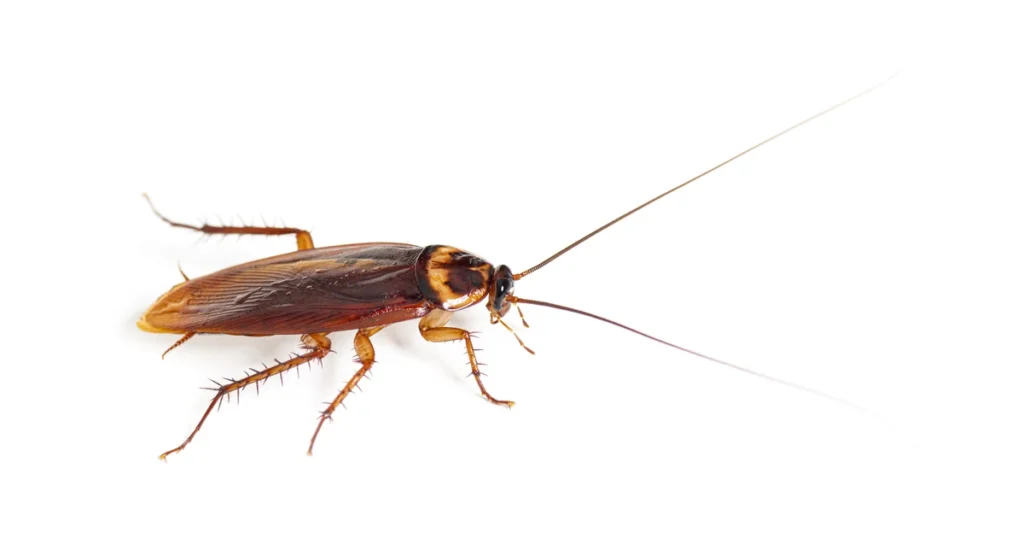
Palmetto Bugs in North Carolina can create costly problems when early signs are missed. Learn what to look for, why it matters, and when to call Proforce.
Key Takeaways About North Carolina Palmetto Bugs
- “Palmetto bug” is a common name for several cockroach species, some of which live outdoors and may move inside your house when searching for food or water.
- Knowing which type of roach you are dealing with helps guide the right approach, since some species can breed indoors while others cannot survive inside long-term.
- Sealing gaps around doors, windows, and cracks in the foundation can help reduce the chance of palmetto bugs entering your home.
- Professional pest control from a local team like Proforce Pest Control can help you identify the species involved and build a targeted plan for your property.
How to Identify North Carolina Palmetto Bugs
Several cockroach species may show up in and around North Carolina homes, and they are not all the same. Identifying the species helps you understand where it lives, whether it can survive indoors long-term, and what steps to take next. Body markings, flight behavior, and activity location can narrow the field quickly.
How to Tell Palmetto Bug Types Apart in North Carolina
The term “palmetto bug” is often applied loosely to large cockroach species. American and Oriental cockroaches live outdoors but can temporarily invade indoor spaces. German and brownbanded cockroach species, by contrast, live and breed entirely indoors. Telling them apart matters because an outdoor species that wanders in requires a different approach than one that has established itself inside your walls.
Smokybrown cockroach nymphs offer a useful identification clue. According to the University of Georgia pest guide, first instar nymphs have a white band across the thorax (the body segment just behind the head) and white-tipped antennae. If you spot small nymphs with those markings, you are likely dealing with smokybrown cockroaches rather than another species.
The Asian cockroach flies toward light sources, which distinguishes it from most cockroach species. Wood cockroaches are also attracted to lights and may occasionally enter homes in firewood or wander inside during warm months, but they cannot survive indoors long-term.
How to Spot Palmetto Bug Activity Inside Your North Carolina Home
Seeing a single cockroach indoors does not always mean you have an established population. Some species, such as wood cockroaches, wander in temporarily and cannot maintain a colony inside. Others, like the German cockroach, breed entirely indoors and may point to a more persistent issue.
Cockroach sticky traps are useful for catching roaches so you can identify the species involved. Placing traps in areas where you notice activity helps confirm whether they are occasional invaders or indoor residents.
Where Palmetto Bug Activity Shows Up Around North Carolina Homes
Outdoor cockroach species that temporarily invade indoor spaces often come from areas just outside the home. Wood cockroaches, for example, may enter during warm months. Because they are attracted to lights, you may notice them near illuminated doorways or windows at night.
Exterior Entry Points Palmetto Bugs Use Around North Carolina Homes
Light sources near doors and windows can draw certain cockroach species toward your home. The Asian cockroach and wood cockroach are both attracted to light, which can bring them close to entry points. Wood cockroaches may also arrive in firewood carried inside. Reducing light exposure near openings and inspecting firewood before bringing it indoors can help limit the number of cockroaches that find their way in.
Why Palmetto Bug Problems Develop in North Carolina
Palmetto bugs, most often smokybrown cockroaches, live primarily outdoors. According to the University of Georgia pest guide, the smokybrown cockroach is the most common cockroach in suburban Southern neighborhoods with mature hardwood trees. North Carolina’s tree-lined residential streets can create the kind of environment these pests favor.
Outdoor Nesting Areas for Palmetto Bugs Around North Carolina Homes
Smokybrown cockroaches commonly live in treeholes, attics, crawlspaces, and sheds. Yards with mature hardwood trees offer ready harborage. These roaches settle into protected spots close to homes where moisture and biological debris accumulate.
Food and Shelter That Attract Palmetto Bugs Around North Carolina Homes
Palmetto bugs may move indoors in search of food or water. Storing bulk grain in insect-proof containers and treating it with food-grade diatomaceous earth is one way to help protect stored food from insect pests.
If you use food-grade diatomaceous earth, purchase a product specifically labeled for that use and follow label directions. Inhaling the dust can cause respiratory problems, so wear protective equipment during application. These products are available from mail and internet suppliers.
How Palmetto Bugs Move Around North Carolina Homes
American, oriental, and smokybrown cockroaches live mostly outdoors but may move indoors when food or water draws them in. They can also be brought inside with groceries or boxes. Once established indoors, according to Texas A&M AgriLife Extension, they can move through structures, spreading from one area to another.
Trails and Entry Points Palmetto Bugs Use in North Carolina
Because palmetto bugs start outdoors, they often follow paths from trees, crawlspaces, and attics into living spaces. Reducing contact between outdoor harborage areas and your home can help limit how these roaches find their way inside. Inspecting items like grocery bags and boxes before bringing them in is another practical step.
Risks From North Carolina Palmetto Bugs
Palmetto bugs that wander into your North Carolina home are more than a startling sight. Whether they typically live indoors or outdoors, these pests can pose concerns that go beyond simple nuisance. Understanding the risks helps you decide how seriously to take any activity you notice.
Health Risks Linked to North Carolina Palmetto Bugs
Indoor cockroaches are recognized as significant pests of public health. Outdoor species that find their way inside are considered serious nuisance pests as well as potential public health pests, according to UC IPM. That distinction matters because palmetto bugs may spend most of their time outdoors yet still carry the same concerns once they enter your living space.
Even occasional indoor visitors can affect the cleanliness of surfaces they contact. Treating any palmetto bug sighting as a potential health matter, rather than dismissing it as a one-time event, is a reasonable approach for North Carolina homeowners.
Property Damage From Palmetto Bugs in North Carolina
Palmetto bugs are primarily nuisance pests inside the home. While they are not associated with the type of structural damage caused by wood-destroying pests, their presence in stored areas can be disruptive. Gaps around doors, walls, and ceilings in closets and storage spaces give these pests easy access to belongings you rarely check on.
Sealing cracks around doors, walls, and ceilings in seldom-opened closets can help create a pest-free storage area. That simple step reduces the chance of finding unwelcome visitors among seasonal items or keepsakes.
Food Areas and Palmetto Bug Activity in North Carolina Homes
Any palmetto bug activity near food preparation or storage areas deserves attention. Outdoor species that enter your home may travel across the same counters and shelves where you handle meals.
Keeping these pests away from food areas starts with limiting the entry points they use. Sealed cracks and tight-fitting doors throughout your home help reduce the chance that palmetto bugs reach kitchens or pantries.
When to Look Closer at Palmetto Bug Activity in North Carolina
A single palmetto bug indoors may be an isolated visitor. However, repeated sightings suggest that gaps in your home’s exterior are giving these pests a reliable path inside. Repeated activity warrants a closer look at your home’s defenses.
Check storage closets and other low-traffic areas for cracks around doors, walls, and ceilings. Addressing those openings is one of the most straightforward ways to limit palmetto bug access throughout your North Carolina home.
Professional Pest Control for Palmetto Bugs in North Carolina
Keeping palmetto bugs out of your North Carolina home involves a combination of prevention, thorough inspection, and targeted treatment. When you understand what draws these pests inside and how professionals address an infestation, you can take informed steps to protect your living space.
How to Reduce Attractants for Palmetto Bugs in North Carolina
One of the most practical steps you can take is sealing entry points. According to Purdue Extension, cockroaches can travel from neighboring rooms or apartments into your home through holes and cracks in walls or around doors. Closing off those gaps removes a primary pathway palmetto bugs use to get indoors.
Walk the perimeter of your home and check for openings around door frames, where utility lines enter, and along baseboards. Even small crevices can serve as an entryway for palmetto bugs.
Why Palmetto Bug Control in North Carolina Starts With Inspection
Before any treatment begins, a careful inspection helps identify where palmetto bugs are entering and where they may be hiding. Service professionals look for cracks, gaps around walls, and other openings that could allow access. This step shapes the entire control plan.
Inspection also helps determine the scope of an infestation. Knowing whether palmetto bugs are concentrated near one entry point or spread across multiple areas guides the treatment approach and helps avoid unnecessary steps.
What to Expect During Professional Palmetto Bug Treatment in North Carolina
Professional treatment for palmetto bugs often involves addressing hard-to-reach areas where these pests hide. As Mississippi State University Extension notes, commercially available dusts for cockroach control contain active ingredients such as deltamethrin, diatomaceous earth, or silica gel, and can be used to treat wall voids and other inaccessible areas.
These dust applications target the spaces palmetto bugs use for shelter, areas that surface-level treatments may miss. By reaching into wall voids and tight gaps, service professionals can address an infestation at its source rather than only where pests are visible.
Sealing entry points is often part of the treatment process as well. Closing gaps around walls and doors helps prevent palmetto bugs from returning after the initial control work is done.
What to Expect From a North Carolina Palmetto Bug Control Plan
A palmetto bug control plan from Proforce Pest Control combines inspection, targeted treatment, and ongoing attention. Proforce service professionals are local experts who understand the conditions in each service area. With an NPS score of 92.5 across more than 23,000 reviews, Proforce backs every visit with the Proforce Guarantee. Done Right. Every Time.
Palmetto bugs fall under the general pest control plan, which covers cockroaches along with dozens of other common pests. An ongoing treatment schedule helps keep your home protected over time, rather than addressing each infestation individually.
Your control plan may include sealing cracks and crevices, applying dust treatments in hidden voids, and routine follow-up visits. Each step builds on the inspection findings so the approach fits your home’s specific needs.
Bottom Line on Palmetto Bugs in North Carolina
Palmetto bugs found around North Carolina homes are typically outdoor cockroach species that may wander inside when looking for food or moisture. Identifying the species helps you choose the right response. Sealing gaps around walls and doors, reducing moisture sources, and keeping entry points closed can go a long way toward keeping these pests outside where they belong. When palmetto bugs keep showing up despite your best efforts, Proforce Pest Control can help. Reach out to request a quote and let our service professionals handle the rest. Done Right. Every Time.
Frequently Asked Questions About Palmetto Bugs in North Carolina
Are Palmetto Bugs the Same as Cockroaches?
“Palmetto bug” is a common nickname for several large cockroach species. In North Carolina, the term usually refers to outdoor roaches such as the smokybrown or American cockroach rather than the smaller species that breed indoors.
Why Do Palmetto Bugs Come Inside?
These roaches typically live outdoors but may move inside when searching for food or water. They can also be brought in with items like boxes or groceries. Holes and cracks around doors and walls give them easy access.
How Can I Keep Palmetto Bugs Out of My Home?
Seal holes and crevices around walls and doors to block common entry points. Reducing available food and moisture indoors makes your home less attractive. Consistent upkeep of these barriers is important for long-term prevention.
When Should I Call a Professional?
If you are seeing palmetto bugs regularly inside your home, a professional inspection can identify the species involved and locate how they are getting in. Proforce service professionals can develop a targeted plan based on what they find during the inspection.