
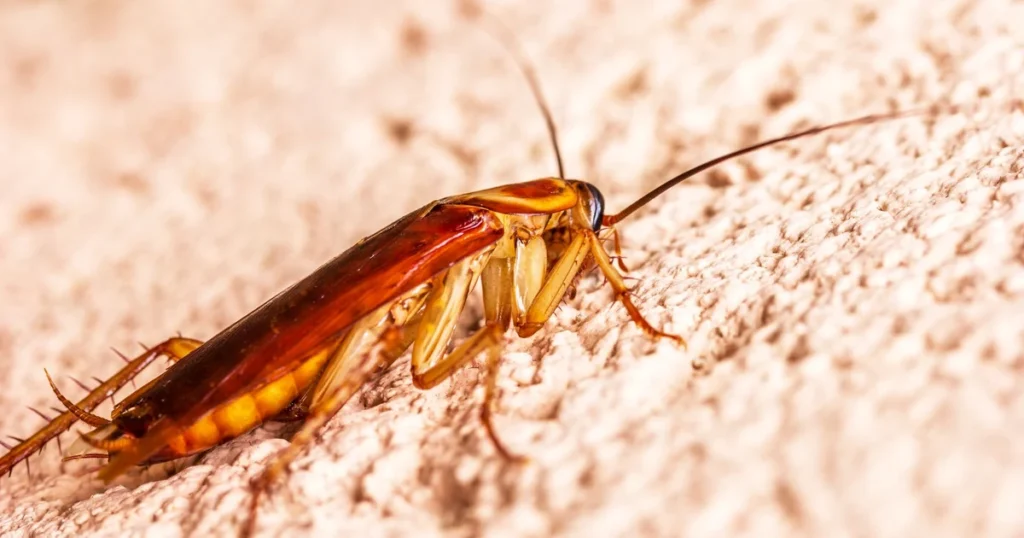
Palmetto Bugs in Georgia can create costly problems when early signs are missed. Learn what to look for, why it matters, and when to call Proforce.
Key Takeaways About Georgia Palmetto Bugs
- Palmetto bugs are American cockroaches. The nickname “palmetto bug” refers to the American cockroach (Periplaneta americana), a large, reddish-brown roach commonly found across Georgia. They have well-developed wings but seldom fly.
- They gravitate toward dark, damp spaces. Palmetto bugs favor basements, crawl spaces, floor drains, and sewer systems. They can enter your home through damaged pipes, missing drain screens, or faulty water traps.
- Populations grow quickly. A single female American cockroach and her offspring can produce over 800 cockroaches in one year, making early intervention critical.
- Georgia hosts multiple cockroach species. Beyond the American cockroach, the Southeastern United States is home to eight species of native wood cockroaches, so accurate identification matters before treatment.
- Allergen concerns are real. American cockroaches have been reported to increase the risk of allergies and asthma in urban settings.
- Long-term control requires finding the source. Palmetto bugs often travel long distances from where they gather indoors. Treating only visible roaches without addressing harborage areas rarely delivers lasting relief.
How to Identify Georgia Palmetto Bugs
The term “palmetto bug” gets tossed around loosely in Georgia, but it usually points to one of a few large cockroach species that thrive in the state’s warm, humid climate. Knowing which species you are dealing with helps you understand where to look and what to expect. Below are the key differences, the indoor signs to watch for, and the most common entry points around your home.
Telling Common Georgia Species Apart
The American cockroach is the largest palmetto bug you will encounter indoors. Adults are reddish-brown, roughly one and a half inches long, with a yellowish figure-eight marking behind the head. They have well-developed wings but seldom fly. According to the University of Georgia pest guide, the smokybrown cockroach is the most common species in suburban Southern neighborhoods with mature hardwood trees, where it lives in treeholes, attics, crawl spaces, and sheds. Smokybrowns are a uniform dark mahogany and slightly smaller than Americans.
Georgia is also home to wood cockroaches and the Asian cockroach. The Asian cockroach looks nearly identical to the smaller German cockroach but readily flies toward lights at dusk, a behavior that sets it apart from most other species. When you see a large, winged roach gliding toward your porch light, species identification matters because each type favors different harborage areas.
How to Spot Palmetto Bug Activity Inside Your Georgia Home
You may notice small, brown, bean-shaped egg cases tucked into crevices along baseboards, behind appliances, or inside cabinets. American cockroach egg cases are about three-eighths of an inch long, brown when first laid, and darken to black within a day or two. Each case can yield 15 to 20 nymphs, so even one or two capsules signal a growing population.
Other signs include dark, pepper-like droppings along shelf edges and a musty odor in enclosed spaces. Nymphs are smaller and lighter in color, so spotting them during the day often means the population is large enough that hiding spots are overcrowded.
Where Palmetto Bug Activity Usually Shows Up in Georgia
Palmetto bugs prefer dark, moist areas. As the University of Kentucky notes, they often congregate in basements, crawl spaces, floor drains, sump pumps, pipe chases, and laundry areas. In Georgia homes with older plumbing, sewer lines and septic access points are common gathering spots. Garages and storage rooms that stay warm and undisturbed also attract activity.
Because these roaches can travel long distances from their main gathering sites, the activity you see in a kitchen or bathroom may originate from a completely different part of the structure. Tracing them back to those harborage areas is the key to lasting relief.
Exterior Entry Points Palmetto Bugs Use in Georgia
Gaps around utility lines, dryer vents, and weep holes in brick are the most overlooked entry points. Palmetto bugs also squeeze under poorly sealed exterior doors, through cracked weatherstripping, and along foundation joints where caulk has pulled away. In neighborhoods with mature hardwood canopy, smokybrown cockroaches move from treeholes and mulch beds directly onto rooflines and into attic soffits.
Proforce service professionals inspect these vulnerable spots during every visit. If you are finding palmetto bugs inside your Georgia home and want a thorough assessment, reach out to your local Proforce Pest Control team to request a quote.
Why Palmetto Bug Problems Develop in Georgia
Georgia’s warm, humid environment creates ideal conditions for palmetto bugs to thrive year-round. Understanding what draws these pests toward your property helps you stay a step ahead. From moisture-rich hiding spots to easy access to food, several factors work together to make Georgia homes a prime target for palmetto bug activity.
Why Georgia’s Climate Supports Palmetto Bug Activity
Georgia’s long stretches of heat and humidity give palmetto bugs exactly what they need: warmth and moisture. According to University of Georgia pest guide, the smokybrown cockroach is the most common cockroach in suburban Southern neighborhoods with mature hardwood trees, where they live in treeholes, attics, crawl spaces, and sheds. Georgia’s dense tree canopy and frequent rainfall sustain the damp conditions these pests depend on throughout much of the year.
The state’s mild winters also allow populations to persist without the die-offs that colder climates produce. That consistent warmth means palmetto bugs remain active longer and reproduce with fewer seasonal interruptions.
Food and Shelter That Attract Palmetto Bugs in Georgia
Palmetto bugs are opportunistic feeders. Crumbs, pet food left out overnight, open trash bins, and grease residue all serve as reliable food sources near your home. Once they locate a steady supply, they tend to stay close.
Shelter matters just as much as food. As University of Kentucky notes, American cockroaches prefer dark, moist areas such as basements, crawl spaces, floor drains, and sewer systems. Mulch beds, leaf litter, stacked firewood, and dense landscaping along your foundation offer additional harborage right outside your walls.
Why Georgia Palmetto Bugs Adapt Around Homes
Palmetto bugs often travel long distances from their primary gathering sites, which means the ones you see indoors may originate from well outside your home’s footprint. Addressing only indoor sightings rarely provides lasting relief because the source population remains untouched nearby.
A single female American cockroach and her offspring can produce over 800 cockroaches in one year. That reproductive pace means even a small, overlooked group near your foundation can grow into a persistent problem before you notice the first roach inside your kitchen or bathroom.
Seasonal Shifts That Move Palmetto Bugs in Georgia
When outdoor conditions change, palmetto bugs look for more stable environments. Extended dry spells push them toward the moisture inside your crawl space or bathroom. Heavy rain can flood their outdoor hiding spots, driving them upward and indoors through gaps in doors, vents, and utility lines.
These pressure shifts are why many Georgia homeowners notice sudden spikes in indoor sightings even when they keep a clean home. If your property backs up to wooded areas or has mature hardwood trees, the risk of palmetto bugs moving inside increases with every weather swing. Ongoing, scheduled treatment is the most reliable way to keep your home protected through every shift.
Risks From Georgia Palmetto Bugs
Palmetto bugs in Georgia are more than a nuisance. Their presence inside your home can affect indoor air quality, contaminate food prep areas, and create ongoing stress for your family. Understanding the specific threats these pests pose helps you recognize when casual sightings become a problem that warrants professional attention.
Health Risks Linked to Georgia Palmetto Bugs
The most well-documented health concern tied to palmetto bugs is their connection to respiratory issues. According to Allergy, the American cockroach has been reported to increase the risk of allergies and asthma in urban areas. Because the smokybrown cockroach thrives in Georgia’s suburban neighborhoods with mature hardwood trees, allergen exposure is not limited to city settings.
Cockroach allergens are present in saliva, fecal particles, shredded skin, and desiccated remains. These particles become airborne and settle into carpets, bedding, and upholstered furniture. For children already living with asthma, cockroach allergen exposure has been shown to have a greater impact on asthma morbidity than dust mite or pet allergens.
Property Damage From Palmetto Bugs in Georgia
Palmetto bugs leave droppings and dark smear marks along surfaces they travel repeatedly. Over time, these accumulations stain baseboards, cabinet interiors, and storage areas. Droppings and shed skins also build up in attics, crawlspaces, and wall voids where these pests harbor, creating unpleasant odors that can linger throughout your home.
Food Contamination Risks From Georgia Palmetto Bugs
Palmetto bugs are opportunistic foragers that move between unsanitary harborage sites and your kitchen surfaces. When they cross countertops, dishes, or pantry shelves, they deposit fecal particles and saliva along the way. Any exposed food or preparation surface they contact should be considered compromised. Keeping dry goods in sealed containers and wiping down surfaces regularly helps reduce exposure.
When a Palmetto Bug Problem in Georgia Needs Action
A single palmetto bug indoors does not always signal an infestation. However, repeated daytime sightings, droppings near food storage, or a musty odor in enclosed spaces suggest a growing population. Because these pests reproduce quickly in Georgia’s warm, humid climate, early intervention prevents the problem from spreading further into your living areas.
If you are noticing palmetto bugs regularly, Proforce Pest Control can inspect your home and develop a treatment plan tailored to the conditions on your property. Our service professionals know where Georgia palmetto bugs harbor and how to target those areas. Done Right. Every Time.
Professional Pest Control for Palmetto Bugs in Georgia
Georgia’s warm, humid climate and mature hardwood canopy create year-round conditions that favor palmetto bugs. Keeping them out of your home takes a combination of habitat modification, thorough inspection, and targeted treatment. Proforce Pest Control brings local knowledge from our Georgia branches, so the plan your service professional builds reflects the species and conditions in your specific neighborhood.
How to Reduce Attractants and Seal Entry Points
Palmetto bugs seek dark, damp spaces. Start by reducing the moisture and shelter they rely on. Fix dripping faucets, repair damaged drain pipes, and make sure sump pumps and floor drains are functioning properly. According to UC IPM, cockroaches can invade buildings from sewers when pipes are damaged, screens are missing, or water traps in drains are faulty.
Seal cracks around utility penetrations, door sweeps, and foundation vents with caulk or weatherstripping. Move firewood, leaf litter, and mulch beds away from the foundation. Keep outdoor trash cans tightly lidded and clean up pet food bowls before nightfall. These small steps remove the food, water, and entry routes that palmetto bugs depend on.
Why the Process Starts With a Professional Inspection
Palmetto bugs are nocturnal and hide in cracks, wall voids, and other secluded spots during the day. A daytime walk-through rarely tells the full story. Proforce service professionals inspect crawl spaces, basements, pipe chases, and laundry areas where these pests tend to congregate. Identifying the exact species matters because smokybrown cockroaches, the most common cockroach in suburban Southern neighborhoods with mature hardwood trees, behave differently from American cockroaches or German cockroaches that breed entirely indoors.
A detailed inspection also maps harborage sites that may be far from the rooms where you first spot activity. As University of Kentucky notes, American cockroaches often travel long distances from their aggregation sites, and long-term relief requires finding and treating those areas directly.
What to Expect During Professional Palmetto Bug Treatment
Once the inspection pinpoints species and harborage zones, your Proforce service professional applies targeted treatments to those areas. Exterior perimeter applications address entry points along the foundation, soffits, and utility lines. Interior treatments focus on cracks, voids, and moisture-prone areas such as basements, crawl spaces, and floor drains.
Product selection and placement depend on the species involved and the severity of activity. German cockroach infestations, for example, may require a different density of bait placements than an outdoor species that has moved inside. Every step follows Integrated Pest Management principles, combining habitat adjustments with precise applications for better long-term results.
What to Expect From a Georgia Palmetto Bug Control Plan
Palmetto bug pressure in Georgia does not stop after a single visit. Proforce builds ongoing treatment plans that include scheduled return visits, so your home stays protected as conditions change through the year. Our general pest control plan covers cockroaches along with 34 other common pests, giving you broad coverage under one service.
Between visits, your service professional may recommend follow-up adjustments to moisture sources, landscaping, or exclusion points. Consistent monitoring and retreatment keep harborage populations low and reduce the chance of new infestations taking hold indoors. If palmetto bugs return between scheduled services, the Proforce Guarantee has you covered.
Ready to take the next step. Contact your local Proforce branch to schedule an inspection and get a customized plan for your Georgia home. Done Right. Every Time.
Bottom Line on Palmetto Bugs in Georgia
Palmetto bugs in Georgia are not a one-time nuisance. They are a year-round reality driven by the state’s warm, humid climate and mature tree canopy. Whether you are dealing with smokybrown cockroaches nesting in treeholes and attics or American cockroaches entering through sewer connections, the key to lasting relief is addressing harborage sites rather than only treating the roaches you see. A single female American cockroach and her offspring can produce over 800 individuals in a year, so the window between a minor sighting and a serious problem is narrow.
Proforce Pest Control brings local knowledge from our Georgia branches, backed by a 35-pest coverage plan and the Proforce Guarantee. If palmetto bugs are showing up in your home, request a quote and let our service professionals build a plan that fits your property.
Frequently Asked Questions About Palmetto Bugs in Georgia
What exactly is a palmetto bug?
“Palmetto bug” is a regional nickname most often applied to the smokybrown cockroach and the American cockroach. According to the University of Georgia pest guide, the smokybrown cockroach is the most common species in suburban Southern neighborhoods with mature hardwood trees, where it lives in treeholes, attics, crawl spaces, and sheds. The American cockroach is larger, reddish-brown, and frequently associated with damp interior spaces. Both species are active across Georgia, and knowing which one you are dealing with helps target treatment to the right harborage areas.
Where do palmetto bugs hide in a Georgia home?
American cockroaches prefer dark, moist areas such as basements, crawl spaces, floor drains, sump pumps, and sewer systems. Smokybrown cockroaches favor attics, gutters, treeholes, and exterior structures like sheds. Both species can roam far from their main aggregation sites, which is why treating only the room where you spot one rarely provides long-term relief. A thorough inspection of moisture-prone areas and exterior entry points is the first step toward real control.
Can palmetto bugs fly?
American cockroaches have fully developed wings but seldom fly. Smokybrown cockroaches, on the other hand, are strong fliers and are commonly attracted to exterior lighting at night. That difference matters in Georgia, where warm evenings draw smokybrowns toward porch lights and open doors. Keeping exterior lights off or switching to yellow bulbs can reduce the number of palmetto bugs that land near entry points.
How does Proforce treat palmetto bugs in Georgia?
Our service professionals start with a detailed inspection to identify which species is present and where it is harboring. Because palmetto bugs often travel long distances from their aggregation sites, as the University of Kentucky notes, we focus on those core harborage areas rather than surface-level treatments alone. Our general pest control plan covers cockroaches and is designed for ongoing treatment, so your home stays protected between visits. Contact Proforce Pest Control to request a quote tailored to your Georgia property.