
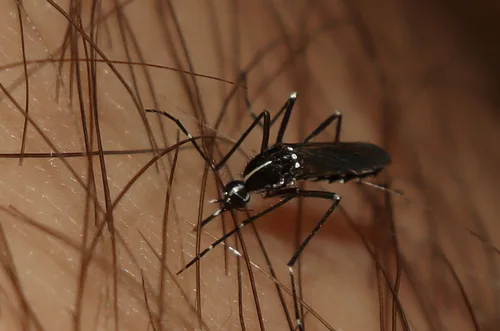
Mosquitoes in South Carolina are active March through November, spreading West Nile and other diseases. Here’s how to protect your yard.
Key Takeaways
- South Carolina hosts at least five significant mosquito species, including the Asian Tiger Mosquito and the Yellow Fever Mosquito.
- Mosquito season runs roughly March through November, peaking in summer when heat and humidity are highest.
- Standing water is the single biggest driver of mosquito populations around your home.
- Mosquitoes in the Palmetto State spread West Nile virus, Eastern equine encephalitis, and heartworm in pets.
- Professional barrier treatment, larvicide, and source reduction together deliver the strongest mosquito control results.
What Mosquito Season Looks Like in South Carolina
Mosquito season in South Carolina begins in March and runs through November, with peak activity from June through September. The state’s combination of warm temperatures, high humidity, and abundant rainfall creates near-perfect breeding conditions. Clemson Cooperative Extension notes that South Carolina’s coastal plain and Lowcountry regions, including areas around Myrtle Beach, face the longest and most intense mosquito pressure of any part of the state. Inland areas see relief in cooler months, but activity rarely stops entirely.
Mosquito populations surge after rain events. Any container, pond, or low-lying area that collects water becomes a breeding ground within a week. Adult mosquitoes can develop from egg to biting adult in as little as seven to ten days under warm conditions, which is why populations can seem to appear overnight.
Five Common Mosquito Species in South Carolina Yards
Understanding which species bite in South Carolina helps you target control where it matters most. Each species has different habits, peak hours, and disease risks.
Aedes albopictus: Asian Tiger Mosquito in South Carolina
The Asian Tiger Mosquito is the most common daytime biter in South Carolina yards. Identified by its distinctive black-and-white striped body, this species is aggressive and bites from sunrise to sunset, unlike most mosquitoes that peak at dusk. It lays eggs in small containers, including bird baths, flower pots, old tires, and discarded tires, making residential yards its preferred habitat. It spreads dengue fever, Zika virus, and chikungunya.
Aedes aegypti: Yellow Fever Mosquito in South Carolina
The Yellow Fever Mosquito is a medium-sized species that prefers to breed in artificial containers around homes. Like the Asian Tiger Mosquito, it bites during the day and targets humans almost exclusively. It is the primary vector of dengue fever and Zika virus. Populations have expanded along the South Carolina coast in recent years, making coastal homeowners particularly vulnerable to the diseases it spreads.
Anopheles quadrimaculatus Group: Malaria Mosquito in South Carolina
The Anopheles quadrimaculatus group, also called the malaria mosquito or quads mosquito, breeds in ponds, marshes, and large bodies of water rather than small containers. These mosquitoes bite primarily at night. While malaria transmission in South Carolina is currently rare, this species remains a public health concern and is monitored by the South Carolina Department of Health and Environmental Control.
Culex quinquefasciatus: Southern House Mosquito in South Carolina
The Southern House Mosquito is the primary vector of West Nile virus in South Carolina. This species breeds in stagnant water, including clogged gutters, water storage containers, and neglected bird baths. It is most active from dusk through the night. West Nile virus causes serious health risks in older adults and people with weakened immune systems, ranging from flu-like symptoms to neurological complications.
Culiseta inornata: Winter Mosquito in South Carolina
Unlike most species, the winter mosquito remains active during cooler months. It is a large mosquito that bites both humans and animals, and it breeds in pools and marshy areas. Though it poses fewer disease risks than the Culex or Aedes species, its activity during fall and early spring extends the biting season well beyond what many South Carolina homeowners expect.
Health Risks Mosquito Bites Pose in South Carolina
Mosquitoes in South Carolina are not just a nuisance. They spread dangerous diseases that affect both people and pets.
West Nile virus is the most commonly reported mosquito-borne illness in the state. Most people experience mild symptoms or none at all, but roughly one in 150 infections develops into a serious neurological condition. The South Carolina Department of Health and Environmental Control tracks West Nile cases annually, with confirmed human infections reported most summers.
Eastern equine encephalitis is rare but severe. It carries a fatality rate of roughly 30% among those who develop brain inflammation, according to the CDC. La Crosse encephalitis is another mosquito-borne disease documented in the region, primarily affecting children under 16. Yellow fever and dengue fever remain risks tied to the Aedes species present along the coast.
Pets face serious health risks from mosquito bites as well. Heartworm disease, transmitted to dogs and cats through mosquito bites, is endemic across South Carolina. A single infected bite can lead to heartworm larvae developing in the heart and lungs. Year-round heartworm prevention for pets is standard guidance from veterinarians statewide because mosquito populations persist even in cooler months.
How to Reduce Mosquitoes Around Your South Carolina Home
Controlling mosquitoes in South Carolina requires attacking both breeding sites and adult populations. Neither approach alone delivers lasting results.
Eliminate Standing Water Breeding Grounds in South Carolina
Removing standing water is the single most effective step you can take to reduce mosquito populations around your home. Female mosquitoes lay eggs in as little as a bottle cap of water. Walk your yard weekly and empty or overturn anything that collects rainwater: flower pots, bird baths, water storage containers, old tires, and low-lying tarps. Clean clogged gutters, which hold standing water after every rain. For ponds or ornamental water features you cannot remove, a larvicide product targets mosquito larvae before they become biting adults.
Personal Protection Outdoors in South Carolina
When spending time outdoors during peak mosquito hours, the CDC recommends applying an EPA-registered repellent containing DEET, picaridin, or oil of lemon eucalyptus to exposed skin. Wear long sleeves and light-colored clothing when possible. Install or repair window screens to keep mosquitoes out of your home. Avoid spending time outdoors at dawn and dusk when most species are most active, though the Asian Tiger Mosquito bites throughout the entire day.
When Professional Mosquito Control in South Carolina Makes Sense
DIY source reduction helps, but it does not reach adult mosquitoes resting in dense foliage, shaded areas, and tree canopies around your property. Professional treatment covers what yard cleanup cannot.
Proforce’s mosquito control uses a three-part process: a barrier treatment applied to foliage and resting sites using a mister, a larvicide treatment for standing water that cannot be removed, and targeted trapping where applicable. Each treatment takes approximately thirty minutes for a standard yard. The barrier treatment uses Suspend Polyzone at Proforce’s South Carolina locations, applied to the areas where adult mosquitoes rest during the day. Altosid larvicide targets breeding grounds in residual water, reducing populations before adults emerge.
The In2Care system provides an additional layer of population control. It works by attracting mosquitoes to water that has accumulated in lower areas. Mosquitoes that contact the system carry the active ingredient to other standing water sources, making those sites unable to support new development. This approach continues reducing mosquito populations between service visits, which is why treatments hold up after rainfall rather than requiring immediate retreatment.
The EPA’s integrated pest management framework recommends combining source reduction, larvicide, and adult control for the most effective and sustainable mosquito management. Professional programs that follow this model deliver better long-term results than barrier spray alone.
If mosquitoes are persistent after treatment, Proforce’s Pest-free Service Warranty covers retreatment at no extra charge. Request a quote to get a treatment plan tailored to your yard’s size and specific mosquito pressure.
Bottom Line on Mosquitoes in South Carolina
Mosquitoes in South Carolina are a year-round concern in the Lowcountry and a warm-season problem statewide. Five key species drive the biting pressure, each with different habits and health risks. West Nile virus, Eastern equine encephalitis, dengue fever, and pet heartworm are all active threats linked to these pesky insects. Standing water on your property fuels every new generation of mosquitoes, so source reduction is the foundation of any control plan.
Professional barrier treatment, larvicide application, and ongoing monitoring cover what source reduction alone cannot. If mosquitoes are making your yard unusable or you want protection through the full South Carolina mosquito season, professional treatment is the practical next step.
Frequently Asked Questions
When is mosquito season in South Carolina?
Mosquito season in South Carolina typically runs from March through November, with the highest activity from June through September. Coastal areas near Myrtle Beach and the Lowcountry experience the longest season. The winter mosquito species remains active into cooler months, so some biting pressure extends into late fall and early spring in warmer parts of the state.
What diseases do mosquitoes spread in South Carolina?
Mosquitoes in South Carolina spread West Nile virus, Eastern equine encephalitis, La Crosse encephalitis, dengue fever, Zika virus, and yellow fever. They also transmit heartworm to dogs and cats through a single infected bite. The Southern House Mosquito is the main carrier of West Nile virus, while Aedes species carry dengue and Zika along the coast.
How do I prevent mosquito bites outdoors in South Carolina?
Apply an EPA-registered repellent with DEET, picaridin, or oil of lemon eucalyptus before going outdoors. Wear long sleeves and light-colored clothing. Avoid being outside at dawn and dusk when most species are most active. Note that the Asian Tiger Mosquito bites throughout the day, so repellent matters even during midday hours.
How does professional mosquito treatment work?
Professional mosquito control targets adult mosquitoes with a barrier treatment applied to foliage and shaded resting areas, uses a larvicide in stagnant water that cannot be removed, and in some cases deploys traps to reduce populations further. Each service visit takes roughly thirty minutes. Treatments are designed to hold up between visits, including after rainfall, through products that spread to additional breeding sites.
Can I reduce mosquitoes by removing standing water alone?
Removing standing water is essential and significantly reduces breeding grounds, but it does not address adult mosquitoes already resting in your yard’s vegetation. Combining source reduction with professional barrier treatment and larvicide gives you control over both the current adult population and the next generation before it can bite.