
Mosquitoes in Orlando can create costly problems when early signs are missed. Learn what to look for, why it matters, and when to call Proforce.
Key Takeaways About Orlando Mosquitoes
- Orlando’s warm, wet conditions can allow mosquitoes to breed in standing water around your yard, so regular property checks matter throughout the year.
- Reducing standing water, wearing protective clothing, and using repellents are practical steps that can help lower your exposure to mosquito bites.
- Proforce Pest Control offers a threefold mosquito control approach, including barrier treatments, larvicide for standing water that cannot be drained, and ongoing monitoring backed by a Pest-free Service Warranty.
- Learning which mosquitoes may be present around your home helps you understand what attracts them and how to make your property less inviting.
How to Identify Orlando Mosquitoes
Dozens of mosquito species can show up around Orlando properties. According to Purdue Extension, more than 50 species of mosquitoes annoy residents in a single state, and certain species can threaten public health because of their ability to transmit human diseases. Knowing what to look for helps you stay ahead of activity on your property.
How to Tell Mosquito Types Apart in Orlando
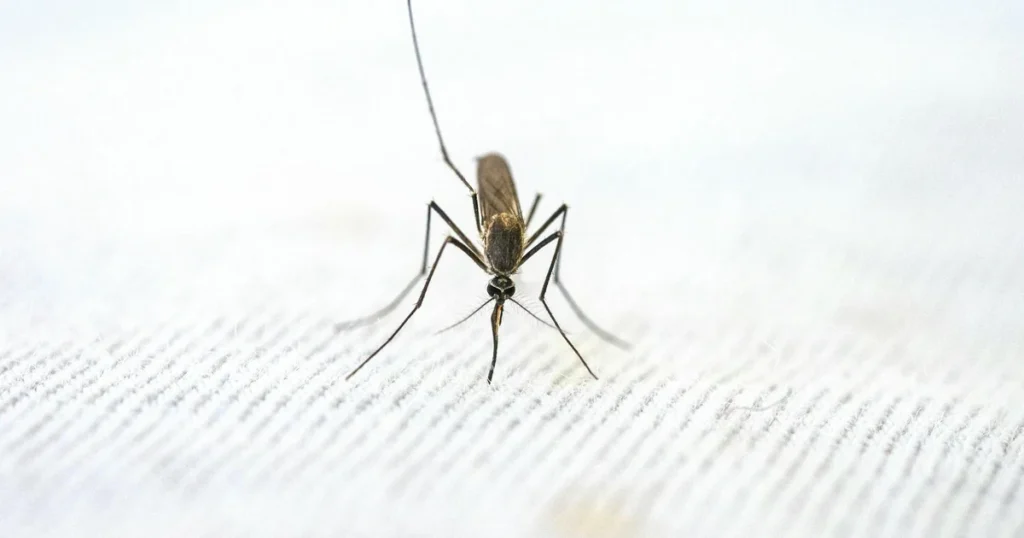
Mosquitoes are small, slender flying insects with long legs and a visible proboscis. Body color and wing patterns vary by species. Because some species may pose a greater health concern than others, larvae can be submitted to specialists for identification if disease-transmitting mosquitoes are suspected, as Purdue Extension notes. Paying attention to where and when you notice biting activity is a practical first step.
How to Spot Mosquito Activity Inside Your Orlando Home
You may notice mosquitoes resting on walls, ceilings, or near windows indoors. A persistent high-pitched buzzing near your ears, especially at rest, often signals one or more mosquitoes in the room. Bites that appear overnight or during quiet indoor time can also point to mosquitoes that have found their way inside.
Where Mosquito Activity Shows Up Around Orlando Homes
Any site that accumulates standing water should be inspected for possible mosquito breeding. Mosquito larvae develop in water, so birdbaths, clogged gutters, flower pot saucers, and similar spots where water collects can become active breeding sites. Sites identified as actively breeding mosquitoes should be noted for follow-up control efforts.
Shaded areas with still air, such as dense shrubs or under covered patios, are common resting spots for adult mosquitoes during the day. You may notice increased activity around these areas at dawn and dusk.
Exterior Entry Points Mosquitoes Use Around Orlando Homes
Mosquitoes can enter your home through torn window screens, gaps around doors, and open garage entries. Keeping doors and windows closed, or ensuring screens are intact, helps reduce the number of mosquitoes making their way indoors. During Proforce mosquito treatments, no open doors or windows should be present in the treatment area.
Why Mosquito Problems Develop in Orlando
Orlando homeowners often wonder why mosquitoes seem to appear in waves around their property. The answer starts with water. Heavy rains saturate the ground and create standing water that serves as breeding habitat. According to Texas A&M AgriLife Extension, mosquitoes emerge in predictable waves based on their preferred breeding environments.
Outdoor Nesting Areas for Mosquitoes Around Orlando Homes
Different mosquito species prefer various standing water sources for egg-laying. While permanent bodies of water like ponds and streams often contain predators that help control larvae, the more problematic breeding sites include marshes, clogged ditches, and temporary pools. Even a small container left outdoors can become a nursery after a rainstorm.
Overgrown vegetation can provide additional shelter for mosquitoes and other insects. Regular landscape maintenance helps reduce these potential breeding and resting areas around your yard.
Food and Shelter That Attract Mosquitoes Around Orlando Homes
Adult female mosquitoes locate hosts by sensing carbon dioxide from breath and skin, host odor, temperature, color, and movement. Any time you spend outdoors, you may be drawing mosquitoes toward your home. Shaded, moist areas in your landscaping give them resting spots between feeding.
Standing water remains the primary attractant for egg-laying. Rain gutters, old tires, buckets, plastic covers, and toys can all collect enough water for mosquitoes to breed. Plastic pools left uncovered when not in use can also give mosquitoes a place to lay eggs.
How Mosquitoes Move Around Orlando Homes
After heavy rainfall, mosquito habitat can become widespread. Some species bite persistently from dawn to dusk, and their range expands as new water sources form across a neighborhood. Development time from egg to adult depends on water temperature and species, but it can take as little as seven days. A single rain event can produce a new generation of adults within about a week.
Trails and Entry Points Mosquitoes Use in Orlando
Mosquitoes follow cues that lead them to a blood meal. Carbon dioxide trails from your breathing, body heat, and movement all guide them toward doors, patios, and other areas where people gather. Keeping doors and windows closed during peak activity hours reduces the chance they follow these cues indoors.
Risks From Orlando Mosquitoes
Mosquitoes are more than a backyard annoyance. These small flying insects bite people and animals, and they can carry diseases that affect your household and your pets. Understanding the risks helps you decide how seriously to treat mosquito activity around your Orlando home.
Health Risks Linked to Orlando Mosquitoes
According to the EPA, some pests can damage human and animal health, and mosquitoes that carry diseases are a key example. West Nile virus is one of the diseases mosquitoes can spread to people.
Culex species are the primary disease-carrying mosquitoes of concern to public health officials. These mosquitoes prefer stagnant water with high bacteria content and typically emerge as conditions dry. EPA mosquito-control guidance and CDC mosquito guidance describe coordination with federal, state, and local agencies to help protect public health from mosquito-borne diseases.
Property Damage From Mosquitoes in Orlando
Mosquitoes do not cause structural damage to your home. They do not chew wood, weaken foundations, or harm building materials. The real cost is the way persistent mosquito activity limits how you use your outdoor spaces. Communities sometimes implement adult mosquito control programs to address disease outbreaks or nuisance infestations, which reflects how disruptive heavy populations can become.
Food Areas and Mosquito Activity in Orlando Homes
Outdoor kitchens, patios with dining areas, and poolside spaces can draw mosquito activity when people gather. Mosquitoes are attracted to the people themselves rather than to the food. Any area where you and your family spend time outdoors can become a feeding opportunity for these pests.
When to Look Closer at Mosquito Activity in Orlando
Beyond the risks to you and your family, mosquitoes transmit diseases that affect animals. According to the EPA, dogs and horses face particular vulnerability to conditions like heartworms, eastern equine encephalitis, and West Nile virus. If you notice rising mosquito activity around your yard, it is worth looking for standing water and shaded resting areas where these pests may be breeding or gathering.
Urban breeding sites can occur in underground storm drains, making prediction and control challenging. Paying attention to conditions on your own property is one practical step you can take.
Professional Pest Control for Mosquitoes in Orlando
Orlando homeowners can face persistent mosquito pressure, and controlling these pests goes beyond swatting. A structured approach that addresses breeding sites, resting areas, and adult mosquitoes gives you the broadest coverage.
How to Reduce Attractants for Mosquitoes in Orlando
Mosquitoes need very little water to reproduce. Aedes aegypti mosquitoes lay eggs in tree holes, artificial containers, tires, and even bottle caps. Walk your yard regularly and empty or remove anything that collects standing water.
Because Aedes mosquitoes frequently bite indoors, keeping them out of your living space matters just as much as yard work. According to the EPA, installing window and door screens helps exclude mosquitoes from your home. Check existing screens for tears or gaps, and keep doors closed when possible.
Why Mosquito Control in Orlando Starts With Inspection
Before any treatment, a thorough look at your property helps identify where mosquitoes are breeding and resting. Service professionals check shaded areas, dense foliage, and low spots where water can accumulate. They also note containers or landscape features that hold standing water.
This step matters because according to the EPA, egg and larva interventions are generally the most cost-conscious way to control mosquitoes. Finding those breeding sites first lets the service team focus treatment where it counts most.
What to Expect During Professional Mosquito Treatment in Orlando
Proforce mosquito control uses a threefold process. First, a barrier treatment is applied to foliage, shaded areas, and resting sites using a mister or blower. Second, a larvicide is applied to stagnant water that cannot be drained. Third, if applicable, mosquito traps are placed along property lines and checked monthly.
Each treatment takes approximately thirty minutes, though this can vary based on yard size. Before service, the yard must be clear of people and animals. Pet food, water bowls, toys, and items that may be handled or placed in the mouth should be removed from treatment areas. Pets must be kept away from treated areas for at least four hours after treatment.
According to the EPA, the agency evaluates mosquito control products to confirm they do not pose risks to vulnerable populations, including children and pregnant women, when used according to label directions. Treatments are applied following label directions and non-target exposure warnings.
What to Expect From an Orlando Mosquito Control Plan
Ongoing mosquito control in Orlando works best as a recurring service. Proforce uses Suspend Polyzone for barrier treatments and Altosid as the larvicide for breeding sites. Where trapping is part of the plan, Inzecto Mosquito Traps are placed and monitored.
The In2Care system works on water that has accumulated in lower areas. It attracts mosquitoes that ingest the liquid and spreads it to those water areas, making them unable to spawn there. This approach helps the treatment hold up after rainfall and can reduce the mosquito population over time.
Proforce customers are covered by the Pest-free Service Warranty. If mosquitoes persist between scheduled visits, you can call for a reservice at no extra charge. That ongoing commitment is part of why Proforce maintains a 92.5 NPS across more than 23,000 reviews. Done Right. Every Time.
Bottom Line on Mosquitoes in Orlando
Orlando’s warm climate and frequent rainfall create conditions where mosquitoes can thrive throughout much of the year. Reducing standing water on your property, keeping screens in good repair, and wearing protective clothing outdoors all help lower your exposure. When mosquito activity persists despite your efforts, Proforce Pest Control’s threefold program covers foliage and resting sites, breeding areas, and trapping where applicable.
If mosquitoes keep showing up between visits, the Pest-free Service Warranty covers re-service at no extra charge. Contact Proforce to request a quote for your Orlando property.
Frequently Asked Questions About Mosquitoes in Orlando
Why Are There So Many Mosquitoes in My Yard After Rain?
Rain can leave water pooled in low spots, containers, and yard debris. Even small amounts of collected water may become a breeding site. Emptying or overturning anything that holds water after a storm helps reduce the next wave of mosquito activity on your property.
How Should I Prepare My Yard Before a Mosquito Treatment?
Keep people and pets out of the treatment area. Remove pet food, water bowls, toys, and any items that may be placed in the mouth. Close all doors and windows, and empty containers holding standing water when possible.
What Does a Professional Mosquito Treatment Include?
Proforce uses a threefold process: a barrier treatment applied to foliage and shaded resting sites, larvicide for stagnant water sources, and where applicable, traps placed along property lines and checked monthly.
Will the Treatment Hold Up After It Rains?
The larvicide component works on accumulated water in low areas and continues to target breeding activity even after rainfall. This ongoing action helps maintain results between scheduled visits. If you notice persistent mosquito activity, Proforce will re-service your property under the Pest-free Service Warranty at no additional cost.