
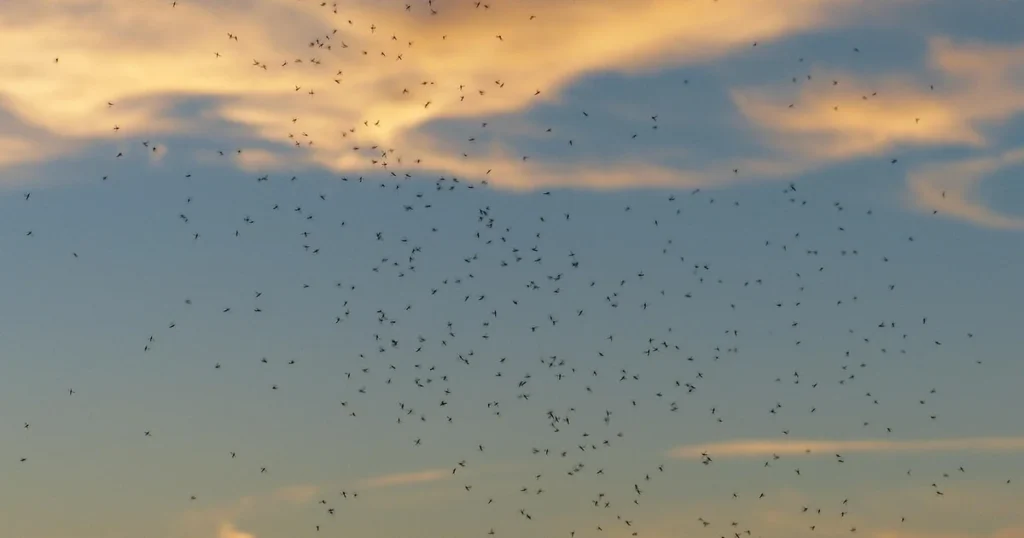
Mosquitoes in Florida can create costly problems when early signs are missed. Learn what to look for, why it matters, and when to call Proforce.
Key Takeaways About Florida Mosquitoes
- Florida’s tropical climate, diverse mosquito species, and high travel volume make the state a hotspot for mosquito-borne disease activity in the United States.
- Mosquitoes in Florida can carry West Nile virus, dengue, Zika, and several forms of viral encephalitis, making ongoing mosquito control a priority for homeowners.
- Aedes aegypti mosquitoes have driven local transmission of both dengue and Zika in Florida in recent years.
- Standing water is the primary breeding ground for mosquito larvae, and in warm months the full life cycle from egg to adult can finish in a week or less.
- A layered approach that combines barrier treatments, larvicide for standing water, and trapping delivers sustained population reduction across your yard.
- Proforce Pest Control backs every mosquito treatment with a Pest-free Service Warranty, so you can call for a reservice at no extra charge if mosquitoes persist.
How to Identify Florida Mosquitoes
Florida is home to dozens of mosquito species, and telling them apart starts with knowing what to look for on the body. Most adult mosquitoes share a slender frame, six long legs, a single pair of scaled wings, and a needle-like proboscis. Size varies, but most measure between a quarter-inch and half an inch. Color patterns on the body and legs help distinguish one species from another.
Telling Common Florida Species Apart
Aedes mosquitoes, including Aedes aegypti, are among the most recognized in Florida. They display bold black-and-white banding on the legs and a lyre-shaped marking on the upper body. According to Journal of the American Mosquito Control Association, Aedes aegypti was responsible for local dengue transmission in Florida in 2022. These daytime biters often stay close to the containers and tree holes where they breed.
Culex species tend to be brown or tan with faint banding. They are most active at dawn and dusk, and they commonly breed in stagnant ditches, storm drains, and neglected pools. Recognizing which species is present on your property helps determine where to focus prevention efforts.
How to Spot Mosquito Activity Inside Your Florida Home
Mosquitoes inside your home often announce themselves with their high-pitched whine, especially after dark. Look for them resting on walls, ceilings, and the undersides of furniture in dim rooms. Another sign is unexplained bites that appear overnight, usually as itchy, raised welts on exposed skin. If you notice consistent indoor activity, there is likely a nearby breeding source or an unsealed entry point.
Where Mosquito Activity Usually Shows Up in Florida
Outdoors, you will find mosquitoes wherever standing water collects. Bird baths, clogged gutters, plant saucers, and old tires are common breeding sites. According to the University of Kentucky, Aedes species deposit eggs above the water line in artificial containers and tree holes, and those eggs hatch when rainwater floods them. Shaded, humid areas along fence lines, under decks, and around dense shrubs serve as daytime resting spots for adults.
Because Florida’s warm climate supports rapid development, a small puddle can produce adults in just days. Egg rafts or single eggs laid near water are a telltale sign that a population is building on your property.
Exterior Entry Points Mosquitoes Use in Florida
Mosquitoes slip indoors through surprisingly small gaps. Torn or ill-fitting window screens are the most common entry point. Gaps around door frames, open garage doors, and unscreened lanai enclosures also invite them in. Even brief moments with a door held open during evening hours can allow several mosquitoes to follow you inside.
Check weatherstripping around exterior doors, patch any holes in screens, and keep sliding doors closed during peak activity at dawn and dusk. Addressing these entry points is a practical first step before adding professional mosquito control to your property.
Why Mosquito Problems Develop in Florida for Mosquitoes in Florida
Why Florida’s Climate Supports Mosquito Activity
Florida’s warm temperatures and high humidity create year-round conditions that mosquitoes need to breed and thrive. Heat accelerates their development. According to UC IPM, the entire mosquito life cycle from egg to adult can be completed in a week or less during summer, depending on water temperature. That rapid turnaround means populations can build quickly after every rain event, and Florida delivers plenty of those.
Mild winters also matter. In cooler states, freezing temperatures break the breeding cycle for months. Florida rarely sees sustained freezes, which allows mosquito colonies to persist well beyond what homeowners in other regions experience.
Food and Shelter That Attract Mosquitoes in Florida
Female mosquitoes need blood meals to produce eggs, and they find no shortage of hosts around Florida homes. People, pets, and wildlife all serve as prey. Between feedings, mosquitoes rest in shaded, humid spots: dense plants, hedgerows, under decks, and inside garages or screened porches with gaps.
Yards with overgrown vegetation offer ideal daytime shelter. Ornamental shrubs, palm fronds, and ground cover hold moisture close to the soil. These shaded microhabitats keep mosquitoes cool and protected until they become active again at dawn and dusk.
Why Florida Mosquitoes Adapt Around Homes
Many Florida mosquito species do not need natural wetlands to breed. Aedes mosquitoes deposit eggs above the water line in artificial containers or tree holes, and those eggs hatch when inundated with rainwater. Flower pots, clogged gutters, bird baths, discarded tires, and even bottle caps can hold enough standing water to support a new generation of larvae.
Female mosquitoes lay batches of 100 or more eggs at a time, and some species lay single eggs that can remain dormant for months or years. That dormancy means one overlooked container on your property can restart a population long after you thought the habitat was gone.
Seasonal Shifts That Move Mosquitoes in Florida
Florida’s mosquito season stretches longer than in most states. Activity typically rises with spring rains and peaks through the humid summer months. However, mosquitoes in Florida do not follow a neat on-off schedule. Warm spells in winter can trigger brief surges, and tropical storms in fall create fresh standing water across neighborhoods overnight.
These seasonal shifts push mosquitoes closer to homes as natural water sources expand and contract. When puddles dry up in open areas, the remaining moisture around foundations, planters, and drainage lines draws mosquitoes right to your yard. Ongoing treatment helps break this cycle before populations build.
Risks From Florida Mosquitoes
Health Risks Linked to Florida Mosquitoes
Florida’s warm, humid climate and high volume of international travel make it a hotspot for mosquito-borne diseases. According to Journal of the American Mosquito Control Association, the state is considered the national ground zero for exotic mosquito-borne illness due to its tropical conditions, mosquito diversity, and travel patterns. That threat is not theoretical. Local transmission of dengue occurred in 2022, spread by Aedes aegypti mosquitoes right here in Florida.
Mosquitoes in Florida can transmit diseases including West Nile virus, dengue, Zika, St. Louis encephalitis, and eastern equine encephalomyelitis. These diseases pose a real risk to your family, and children remain vulnerable to illnesses carried by biting insects. Even with West Nile virus, the most common mosquito-borne encephalitis strain, the threat is persistent across the state’s long warm season.
Property Damage From Mosquitoes in Florida
Mosquitoes do not cause structural damage to your home the way termites or rodents do. However, a heavy mosquito population can make your yard and outdoor living spaces unusable for months at a time. Decks, patios, pools, and play areas become no-go zones during peak activity. That lost outdoor space affects your daily routine and how your family enjoys your property.
In Florida’s summer heat, the entire mosquito life cycle from egg to adult can finish in a week or less. That rapid reproduction means a small problem around your yard can turn into a large one before you realize it, driving these pests deeper into the areas where you spend time outdoors.
Food Contamination Risks From Florida Mosquitoes
Mosquitoes are not a primary source of food contamination. They do not infest pantries or spoil stored goods. The real concern is their presence around outdoor dining and cooking areas. Grilling, eating on the patio, or hosting gatherings becomes difficult when mosquitoes swarm any uncovered food or drink. Their bites and the diseases they carry are the core risk, not food spoilage.
When a Mosquito Problem in Florida Needs Action
Because mosquitoes are known to transmit disease, as NPIC notes, the tolerance threshold for these pests may be zero. If you notice consistent biting activity in your yard, standing water that refills after rain, or mosquitoes entering your home, it is time to act. Waiting allows populations to multiply rapidly, especially during Florida’s long warm season.
Ongoing, scheduled mosquito control is the most practical approach for Florida homeowners. A single treatment will not keep pace with a pest that can complete its life cycle in days. If mosquitoes are disrupting your time outdoors or you are concerned about disease risk to your family, reach out to Proforce Pest Control for a tailored plan.
Professional Pest Control for Mosquitoes in Florida
Florida’s warm climate and abundant rainfall create year-round conditions that support mosquito populations. Because treatment options for mosquito-borne arboviruses remain limited, according to Journal of the American Mosquito Control Association, integrated management that combines prevention, inspection, and targeted treatment is the most practical approach for homeowners. Proforce Pest Control delivers a structured mosquito control program built around this principle, starting before a single product is applied.
How to Reduce Attractants and Seal Entry Points
Prevention begins in your own yard. Female mosquitoes deposit eggs in standing water, and during warm months the full life cycle from egg to adult can finish in a week or less. That means even a forgotten saucer beneath a flower pot can become a breeding ground within days. Walk your property regularly and dump, drain, or cover anything that collects water: bird baths, tire swings, clogged gutters, and tarps.
Keep window and door screens in good repair, and close them during peak activity at dawn and dusk. Trim back dense vegetation and overgrown shrubs where adult mosquitoes rest during the heat of the day. These steps reduce the number of mosquitoes on your property before any professional treatment takes place, and they help extend the results of every service visit.
Why the Process Starts With a Professional Inspection
A Proforce service professional inspects your yard to identify active resting sites, breeding areas, and drainage patterns unique to your property. Not every yard has the same pressure points. Shaded fence lines, low spots that hold rainwater, and ornamental ponds each call for a different response. The inspection maps these conditions so the treatment plan targets the right areas on the first visit.
Because mosquito infestations develop quickly in Florida, an early inspection also helps catch problems before populations spike. Your service professional documents what was found, notes any containers holding standing water that should be emptied (with your permission), and explains the plan before work begins.
What to Expect During Professional Mosquito Treatment
Proforce uses a threefold process for mosquito control. First, a barrier treatment is applied to foliage, shaded areas, and resting sites using a mister and blower. In Florida locations, Suspend Polyzone is the product applied during this step. Second, a larvicide called Altosid is placed in stagnant water sources that cannot be removed, targeting larvae before they mature.
Third, where conditions warrant, Inzecto Mosquito Traps are placed along property lines and monitored monthly. These traps work with water that accumulates in low areas and spread an active ingredient to additional water sources, reducing the mosquito population over time. This is also why results hold up after rainfall. Each treatment visit takes roughly thirty minutes, though larger yards may require more time.
Before your appointment, make sure no people or pets are in treatment areas. Remove pet food, water bowls, and toys from the yard. Close all doors and windows, and keep pets out of treated zones for at least four hours after service. All products are applied according to label directions and non-target exposure warnings.
What to Expect From a Florida Mosquito Control Plan
Ongoing treatment is the backbone of mosquito control in Florida, where warm temperatures support breeding nearly year-round. A single application addresses the current population, but consistent visits keep pressure low as new adults emerge. Proforce structures its mosquito plans around recurring service so your yard stays protected through every season.
Every plan is backed by the Proforce Pest-free Service Warranty. If mosquitoes persist between scheduled visits, you can call for a reservice at no extra charge. That accountability reflects the Proforce standard: Done Right. Every Time.
Ready to get started. Contact your local Proforce Pest Control branch to request a quote and schedule your first inspection.
Bottom Line on Mosquitoes in Florida
Florida’s warm climate, abundant standing water, and high volume of international travel create year-round pressure from mosquitoes. That combination makes ongoing, layered treatment far more practical than one-time efforts. Barrier applications targeting resting sites, larvicide in water that cannot be drained, and consistent monitoring work together to keep populations in check around your yard. Proforce Pest Control delivers this threefold approach on a recurring schedule, and the Pest-free Service Warranty means you can call for a reservice at no extra charge if mosquitoes persist between visits.
Staying ahead of the breeding cycle is the single most important thing you can do for your property.
Frequently Asked Questions About Mosquitoes in Florida
Why Are Mosquitoes So Persistent in Florida?
Florida’s tropical and subtropical conditions give mosquitoes nearly ideal breeding habitat. According to Journal of the American Mosquito Control Association, the state’s climate, mosquito diversity, and high rates of human travel make it a hotspot for mosquito-borne disease risk. During warmer months, the full life cycle from egg to adult can wrap up in a week or less, so populations rebound quickly after a single treatment. That rapid turnover is why recurring barrier and larvicide applications matter more here than in cooler states.
What Diseases Can Mosquitoes in Florida Carry?
these mosquitoes can transmit West Nile virus, dengue, Zika, St. Louis encephalitis, and eastern equine encephalomyelitis. Local dengue transmission occurred in Florida in 2022, and Zika transmission was documented in 2016, both spread by Aedes aegypti mosquitoes. Still, the individual odds of severe illness remain low. As noted by University of Kentucky, fewer than 1% of mosquitoes in affected areas carry West Nile virus, and if bitten by an infected mosquito, the chance of severe illness is also less than 1%.
How Long Should Pets Stay Off Treated Areas?
Pets should be kept out of treated areas for at least four hours after a mosquito service. Before your Proforce service professional arrives, bring pet food, water bowls, toys, and anything your pet may put in its mouth indoors. Close all doors and windows during the application. These steps follow product label directions and help minimize any unintended contact for animals and people alike.
How Often Should I Schedule Mosquito Treatments?
Because Florida mosquitoes breed continuously in warm weather, most homeowners benefit from recurring monthly treatments rather than a single seasonal application. Each visit takes roughly thirty minutes, during which a Proforce service professional applies a barrier treatment to foliage and shaded resting sites, treats standing water with Altosid larvicide, and checks any traps along your property line. This layered, ongoing approach keeps pressure on every stage of the mosquito life cycle. Contact Proforce Pest Control to request a quote tailored to the size of your yard.