
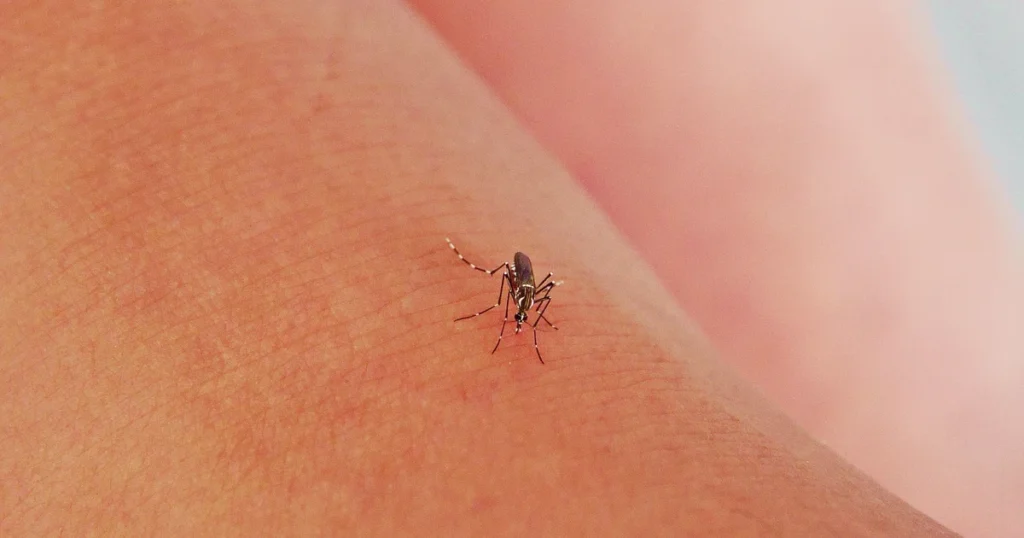
Mosquito Season in Virginia can create costly problems when early signs are missed. Learn what to look for, why it matters, and when to call Proforce.
Key Takeaways About Mosquito Season in Virginia
- Mosquitoes become active as temperatures warm in spring and remain a concern through summer and into fall, with activity levels tied to weather conditions in your area.
- Standing water around your property creates breeding opportunities, so removing or treating those sources is one of the most practical steps you can take.
- Mosquito bites can pose health risks beyond skin irritation, making bite prevention an important part of protecting your household.
- A layered approach that combines yard maintenance, personal protection like long sleeves and pants, and professional barrier treatments can help reduce mosquito pressure on your property throughout the season.
How to Identify Virginia Mosquitoes
The Proforce Pest Almanac
Mosquito activity in Virginia, by the month.
Bar height shows how active mosquitoes are in a typical year. Peak months get a green edge.
Knowing what to look for helps you respond to mosquito activity around your Virginia home before it becomes a nuisance. Different species behave differently, and the signs they leave behind often show up both indoors and outdoors.
How to Tell Mosquito Types Apart in Virginia
Multiple mosquito species may be present around a single property. According to UC IPM, some species are active at dawn and dusk, while others feed throughout the day. That range in activity patterns means you may notice biting pressure at different times depending on which species are nearby.
Mosquitoes go through four life stages: egg, larva, pupa, and adult. The first three stages are aquatic, and the time from egg to adult can vary from a few days to several weeks depending on species, water temperature, and food availability. Adult survival also varies by species and outdoor conditions.
Certain species also play distinct roles in disease transmission. As UF/IFAS Extension notes, the black salt marsh mosquito can act as a bridge vector between infected birds and uninfected mammals, though other mosquito species may be more competent vectors.
How to Spot Mosquito Activity Inside Your Virginia Home
Indoor mosquito activity usually starts with a familiar high-pitched whine near your ears, followed by bites on exposed skin. Because species vary in their feeding schedules, you may encounter them at almost any hour inside your home.
Repellents applied to skin make humans unattractive to mosquitoes so they avoid treated areas of the body. Repellents do not kill mosquitoes, but the best options can provide protection from bites for more than one hour with a single application.
Where Mosquito Activity Shows Up Around Virginia Homes
Mosquitoes need standing water to reproduce. Their aquatic egg, larva, and pupa stages develop wherever still water collects, so birdbaths, clogged gutters, and low spots in your yard can all support breeding. Reducing these water sources removes the habitat mosquitoes need to complete their life cycle.
Outdoor sprays and repellent devices vary widely in how well they work. According to UC IPM, these products can temporarily reduce the number of adult mosquitoes but have no lasting effect, which is why ongoing management matters.
Exterior Entry Points Mosquitoes Use Around Virginia Homes
Mosquitoes follow air currents and carbon dioxide trails toward open doors and windows. Any gap that allows airflow can serve as an entry point. Keeping doors closed and screens in good repair limits how many adults move from shaded resting areas outside into your living space.
Why Mosquito Problems Develop in Virginia
Mosquito activity in Virginia picks up as warm, humid weather settles in and standing water collects around residential properties. Understanding where these pests nest, what draws them to your yard, and how they move across a property helps you stay ahead of the pressure before it builds.
Outdoor Nesting Areas for Mosquitoes Around Virginia Homes
According to the EPA, rain gutters, old tires, buckets, plastic covers, toys, and other containers are common breeding locations around homes. Plastic pools that sit uncovered between uses can also collect enough water for egg-laying.
After heavy rainfall, mosquito habitat can become widespread. Shaded, low-lying areas of a yard that stay damp for days at a time give larvae the still water they need to develop.
Food and Shelter That Attract Mosquitoes Around Virginia Homes
Mosquitoes seek sheltered, shaded foliage during the heat of the day and feed on hosts from dawn to dusk. As Texas A&M AgriLife Extension notes, some mosquitoes bite throughout daylight hours. Dense landscaping, overgrown shrubs, and tree canopy close to the home offer resting spots between feeding.
Bird populations can also play a role. According to the UF/IFAS Florida Medical Entomology Laboratory, arboviral amplification can correspond with avian nesting season, when nestling birds and mosquitoes come into contact and initiate rounds of infection. Yards with active bird-nesting habitat can draw mosquitoes closer to living spaces.
How Mosquitoes Move Around Virginia Homes
Mosquitoes follow moisture and shade as they travel across a property. Containers left right-side up collect rainwater and create new breeding opportunities in different parts of the yard. Storing containers upside down, covering them, or disposing of them removes those stepping-stone sites.
Covering or draining plastic pools when they are not in use also cuts off a key egg-laying surface. Each water source you remove reduces the number of places mosquitoes can reproduce and spread outward.
Trails and Entry Points Mosquitoes Use in Virginia
Mosquitoes gravitate toward any gap that leads them closer to a blood meal. Patios and entryways bordered by damp landscaping can funnel mosquitoes toward high-traffic areas of your home. Keeping doors and windows closed or screened during active hours limits indoor access.
Because habitat expands after rainfall, property-wide water management is essential throughout the season.
Risks From Virginia Mosquitoes
Health Risks Linked to Virginia Mosquitoes
Mosquitoes bite people and animals and can spread serious diseases. According to the EPA, mosquitoes can carry dangerous diseases and viruses including malaria, dengue, Zika, and West Nile virus, which may cause encephalitis, meningitis, and microcephaly.
Preventing mosquito bites reduces the risk of contracting these diseases. Staying aware of mosquito activity around your yard is important during mosquito season in Virginia.
Property Damage From Mosquitoes in Virginia
Mosquitoes do not cause structural or property damage in the traditional sense. However, they can harm human and animal health. Dogs and horses face particular vulnerability to conditions like heartworms, eastern equine encephalitis, and West Nile virus. If you keep animals on your Virginia property, the risk extends well beyond the people living in your home.
Food Areas and Mosquito Activity in Virginia Homes
Around Virginia homes, outdoor dining spaces and food prep areas often sit near landscaping or containers where water collects. These overlapping zones can put your family closer to active mosquito populations right where you gather most.
According to the EPA, mosquitoes that carry diseases can damage human and animal health, so keeping food and gathering areas clear of standing water matters throughout the season.
When to Look Closer at Mosquito Activity in Virginia
Communities implement adult mosquito control programs to address disease outbreaks or significant nuisance infestations. If you notice persistent biting around your yard, it may signal active breeding nearby. Sites identified as actively breeding mosquitoes should be noted for follow-up control efforts.
Mosquito larvae may be submitted to specialists for species identification if disease-transmitting mosquitoes are suspected. Paying attention to where water sits on your property helps you catch breeding activity before populations grow.
Professional Pest Control for Mosquitoes in Virginia
Managing mosquitoes around your Virginia home takes more than swatting away the occasional pest. A layered approach that combines attractant reduction, property inspection, and professional control gives you the strongest defense during active months.
How to Reduce Attractants for Mosquitoes in Virginia
Some mosquitoes can use very small pockets of standing water. According to the EPA, Aedes aegypti mosquitoes deposit eggs in natural habitats such as tree holes and in artificial containers that hold water. Walk your yard regularly and empty, overturn, or remove anything that collects rainwater.
Inside your home, window and door screens help keep mosquitoes out of living spaces. Check screens for tears or gaps, especially before warm-weather months pick up.
Why Mosquito Control in Virginia Starts With Inspection
Before any control work begins, identifying where mosquitoes rest and breed on your property matters. Proforce service professionals walk your yard to locate shaded foliage, pooling water, and forgotten containers so the right approach is applied to the right areas.
Inspection also helps determine whether larvicide or barrier control is the better starting point. According to the EPA, egg and larva interventions are generally the most effective and least costly way to control mosquitoes because they target immature stages before they become adults.
What to Expect During Professional Mosquito Treatment in Virginia
Proforce mosquito control uses a threefold process. First, your service professional applies a barrier treatment to foliage, shaded areas, and resting sites using a mister or blower. Second, they apply a larvicide to stagnant water that cannot be removed. Third, where applicable, mosquito traps are placed along property lines and monitored monthly.
Each visit takes approximately thirty minutes, though larger yards may need more time. Larvicide treatment uses Altosid to target immature mosquitoes in standing water. Where trapping is part of the plan, Inzecto Mosquito Traps help reduce the local population over time.
Your yard must be ready before service begins. Keep people and animals out of the treatment area, remove pet food, water bowls, and toys, and close all doors and windows. Pets should stay out of treated areas for at least four hours after application.
What to Expect From a Virginia Mosquito Control Plan
Ongoing mosquito control works best as a recurring service rather than a one-time visit. Because mosquitoes breed continuously during warm months, regular larvicide and barrier applications help maintain lower populations throughout the season.
According to the EPA, mosquito control products are evaluated to confirm they do not pose risks to vulnerable populations, including children and pregnant women, when used according to label directions. Proforce applies all products per label instructions and non-target exposure guidelines.
If mosquitoes persist between visits, the Pest-free Service Warranty covers you with a reservice at no extra charge.
Bottom Line on Mosquito Season in Virginia
Mosquito activity in Virginia picks up during warmer months, and staying ahead of it means reducing breeding opportunities and keeping up with regular treatments. Proforce Pest Control uses a threefold approach that includes barrier treatments, larvicide for standing water that cannot be removed, and monitoring to help keep mosquito populations down around your home. If you are ready to get ahead of mosquito season, request a quote from your local Proforce team to get started.
Frequently Asked Questions About Mosquito Season in Virginia
How Long Does a Mosquito Treatment Take?
Each Proforce mosquito treatment takes approximately thirty minutes, though this can vary based on the size of your yard. Service professionals apply barrier treatments to foliage and shaded areas, treat breeding sites with larvicide, and check traps if applicable.
What Should I Do Before a Treatment?
Clear your yard of pet food, water bowls, toys, and items that may be handled or placed in the mouth. Close all doors and windows, and keep people and animals away from the service area. Emptying containers with standing water ahead of time helps reduce breeding sites.
How Soon Can Pets Return to the Yard?
Pets should be kept away from treated areas for at least four hours after service. Proforce applies all products according to label directions and non-target exposure warnings.
What If Mosquitoes Come Back Between Visits?
Proforce customers are covered by the Pest-free Service Warranty. If mosquitoes persist between scheduled treatments, you can request a reservice at no extra charge.