
Mosquito Season in Florida can create costly problems when early signs are missed. Learn what to look for, why it matters, and when to call Proforce.
Key Takeaways About Mosquito Season in Florida
- Florida’s warm temperatures can keep mosquitoes active across a long stretch of the year, and their activity may pick up earlier and linger later than in cooler states.
- Mosquitoes breed in standing water, so reducing those sources around your yard is one of the most practical steps you can take during active months.
- Proforce Pest Control uses a threefold mosquito control process, including barrier treatments, larvicide for breeding sites, and optional trapping, all backed by the Pest-free Service Warranty.
- Understanding which mosquito species are present, when they tend to bite, and how to limit exposure can help you enjoy your outdoor spaces throughout the season.
How to Identify Florida Mosquitoes
The Proforce Pest Almanac
Mosquito activity in Florida, by the month.
Bar height shows how active mosquitoes are in a typical year. Peak months get a green edge.
Florida is home to a wide range of mosquito species, and telling them apart starts with understanding their activity patterns. According to UC IPM, some mosquito species are active at dawn and dusk, while others remain active throughout the day. Paying attention to when you notice bites or buzzing can help you narrow down which species may be present around your property.
How to Tell Mosquito Types Apart in Florida
Multiple mosquito species can share the same yard, each with different habits and peak activity windows. In the U.S., 16 species have been identified as competent hosts of Dirofilaria immitis, and as UF/IFAS Extension notes, 11 of those species are found in Florida. Because so many species overlap in the state, identification often depends on observing when and where the mosquitoes appear rather than size or color alone.
All mosquito species move through four life stages: egg, larva, pupa, and adult. The first three stages are aquatic, and the time from egg to adult can vary from a few days to several weeks depending on species, water temperature, and food availability. Adult survival also varies by species and outdoor conditions.
How to Spot Mosquito Activity Inside Your Florida Home
You may notice mosquitoes indoors when species that are active throughout the day follow you through open doors or windows. A single mosquito buzzing near your ears at night or landing on exposed skin is often the first sign. Because some species stay active around the clock, indoor encounters can happen at any time, not just after sunset.
Where Mosquito Activity Shows Up Around Florida Homes
Outdoors, mosquito activity often concentrates near shaded areas and any spot where water collects. Since the aquatic life stages require standing water, containers, low spots, and neglected areas that hold moisture can support egg, larva, and pupa development. These sites are often the first places you will notice larvae or a spike in adult mosquitoes nearby.
Exterior Entry Points Mosquitoes Use Around Florida Homes
Mosquitoes can enter through open doors and windows, especially when those openings are unscreened. Species active at dawn and dusk may enter through doors and windows left open during those hours, while day-active species may enter at any time. Keeping doors and windows closed or properly screened reduces the chance that adults make their way inside between treatments.
Why Mosquito Problems Develop in Florida
Florida’s warm, wet climate creates conditions that support mosquito activity for much of the year. Heavy rains saturate the ground and create standing water that serves as breeding habitat, and mosquitoes emerge in predictable waves based on their preferred breeding environments. According to Texas A&M AgriLife Extension, you can expect to see increased mosquito activity in the days and weeks following heavy rainfall. That pattern repeats throughout Florida’s long rainy stretches.
Outdoor Nesting Areas for Mosquitoes Around Florida Homes
Different species prefer various standing water sources for egg-laying. While permanent bodies of water like ponds and streams often contain predators that help control mosquito larvae, the trouble spots are closer to your home. Marshes, swamps, clogged ditches, and temporary pools are where populations can build quickly. All mosquitoes share a four-stage life cycle of egg, larva, pupa, and adult, and each stage depends on access to water.
Food and Shelter That Attract Mosquitoes Around Florida Homes
Adult mosquitoes feed on nectar and other plant juices for energy. Shaded foliage and dense landscaping give them resting spots during the hottest hours. Females of most mosquito species also require a blood meal to develop their eggs. That need for blood is what drives persistent biting around yards where people spend time outdoors.
How Mosquitoes Move Around Florida Homes
Some species bite persistently from dawn to dusk, and their habitat can become widespread after heavy rainfall. When rain fills low spots, gutters, and forgotten containers across a neighborhood, breeding sites multiply. The United States hosts about 200 different species that inhabit specific environments and display distinct behaviors, so activity patterns can vary from one yard to the next.
Trails and Entry Points Mosquitoes Use in Florida
Standing water in rain gutters, old tires, buckets, plastic covers, and toys can all serve as breeding sites steps from your door. Plastic pools left uncovered when not in use also give mosquitoes a place to lay eggs. Removing or draining these water sources around your property is one of the most direct ways to reduce breeding opportunities close to your home.
Risks From Florida Mosquitoes
Health Risks Linked to Florida Mosquitoes
Certain mosquito species pose direct health concerns for Florida homeowners. According to Texas A&M AgriLife Extension, Culex species are the primary disease-carrying mosquitoes of concern to public health officials. These mosquitoes prefer stagnant water with high bacteria content and typically emerge as conditions dry.
The risk extends beyond a single species. According to the CDC, EEE virus is maintained in a cycle between certain mosquito species and birds, and transmission to humans requires bridge vector mosquitoes. The UF/IFAS black salt marsh mosquito guide explains that black salt marsh mosquitoes can act as bridge vectors between infected birds and uninfected mammals.
Personal protection can help reduce your exposure. Insect repellents containing US-EPA registered active ingredients are encouraged for individuals to protect exposed skin in areas that may have mosquitoes. Long sleeves and repellent such as DEET can reduce exposure to bites.
Property Damage From Mosquitoes in Florida
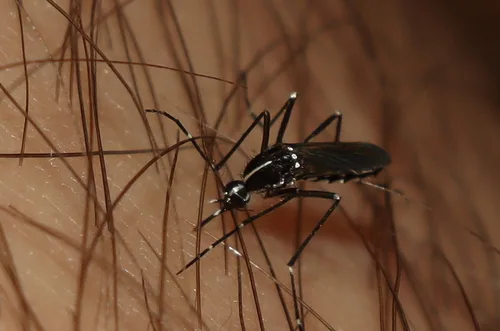
Mosquitoes do not cause structural damage to your home. However, persistent populations around your yard can limit how you use outdoor spaces. The Asian tiger mosquito is a day biter with feeding peaks early morning and late afternoon, so even daytime activities can be interrupted during mosquito season.
Food Areas and Mosquito Activity in Florida Homes
Outdoor dining areas, grills, and patios near standing water can attract mosquito activity close to where your family gathers. Mosquitoes are generally most active during crepuscular periods at dawn and dusk. Limiting outdoor activities during those windows can help you avoid bites near food prep and eating areas.
When to Look Closer at Mosquito Activity in Florida
According to Purdue Extension, any site that accumulates standing water should be inspected for possible mosquito breeding. Sites identified as actively breeding mosquitoes should be noted for follow-up control efforts. In urban areas, catch basins and other water-holding sites can create breeding opportunities that are easy to overlook.
If disease-transmitting mosquitoes are suspected, mosquito larvae may be submitted to specialists for species identification. Paying attention to where water collects on your property, especially as conditions dry, gives you a clearer picture of breeding pressure around your home.
Professional Pest Control for Mosquitoes in Florida
Keeping mosquito pressure low around your Florida home takes a combination of consistent upkeep and professional treatment. Standing water is the single biggest driver of mosquito activity on residential properties, so reducing it before and after rain is the foundation of any control effort.
How to Reduce Attractants for Mosquitoes in Florida
The most practical step you can take is removing standing water wherever it collects on your property. Check flower pots and plant containers weekly. If you spot mosquito larvae in the water, change it right away. Loosening compacted soil in potted plants also helps, because it allows water to drain through the soil rather than pooling on the surface where mosquitoes can breed.
According to Texas A&M AgriLife Extension, regular property inspections after rain to find and remove standing water sources are recommended. In Florida, where afternoon storms are common, a quick walkthrough of your yard after each rain can make a noticeable difference.
Why Mosquito Control in Florida Starts With Inspection
A thorough look at your property is the first step in any mosquito control plan. Proforce service professionals walk your yard to identify areas where water tends to accumulate. This includes spots that are easy to overlook, such as the saucers beneath container plants or low areas in garden beds where soil stays saturated.
Weekly inspections of containers and landscaping features help catch breeding conditions early. When larvae are visible in standing water, that water should be dumped or replaced promptly.
What to Expect During Professional Mosquito Treatment in Florida
Proforce mosquito control follows a threefold process. First, a barrier treatment is applied to foliage, shaded areas, and resting sites using a mister or blower. Second, a larvicide called Altosid is applied to stagnant water that cannot be removed. Third, when applicable, traps are placed along property lines and monitored monthly.
Each treatment takes approximately thirty minutes, though larger yards may require more time. Before service, the yard should be clear of people, pets, food bowls, and toys. Pets must stay out of treated areas for at least four hours after treatment.
What to Expect From a Florida Mosquito Control Plan
Proforce mosquito plans are built around ongoing treatment rather than one-time visits. Recurring service keeps barrier coverage consistent and addresses new breeding conditions as they develop throughout the year.
If mosquitoes persist between scheduled visits, the Pest-free Service Warranty covers a reservice at no extra charge. That ongoing accountability is part of what Proforce means by “Done Right. Every Time.”
Bottom Line on Mosquito Season in Florida
Florida’s warm, humid climate means mosquitoes can remain active for much of the year, and rainfall events can trigger noticeable waves of new activity around your property. Reducing standing water, keeping your yard maintained, and scheduling ongoing mosquito treatments are the most practical steps you can take to stay ahead of breeding cycles. Proforce Pest Control’s mosquito service combines barrier treatments, larvicide applications, and optional trapping to target mosquitoes where they rest and breed.
Reach out to Proforce for a quote tailored to your yard so you can enjoy your outdoor spaces with fewer interruptions.
Frequently Asked Questions About Mosquito Season in Florida
How Long Does Mosquito Season Last in Florida?
Because Florida stays warm and wet through much of the year, mosquito activity can stretch well beyond a single summer window. Populations tend to build after periods of heavy rain, when standing water accumulates across landscapes and provides breeding habitat. Homeowners may notice activity any time conditions stay consistently warm and moist.
What Attracts Mosquitoes to My Yard?
Standing water is the primary driver. Any container, low spot, or clogged drainage feature that holds water can become a breeding site. Shaded, sheltered areas also give adult mosquitoes places to rest during the day, which is why barrier treatments focus on foliage and similar resting spots around your property.
What Does Proforce’s Mosquito Treatment Include?
Proforce uses a threefold approach: a barrier treatment applied to foliage and shaded resting areas, a larvicide (Altosid) applied to stagnant water that cannot be removed, and optional mosquito trapping placed along property lines and monitored monthly. Each visit typically takes about thirty minutes, depending on yard size.
What If Mosquitoes Come Back Between Treatments?
Proforce customers are covered by the Pest-free Service Warranty. If mosquitoes persist between scheduled visits, you can call for a reservice at no extra charge. Between appointments, emptying any containers that collect water after rain can help reduce new breeding opportunities on your property.