
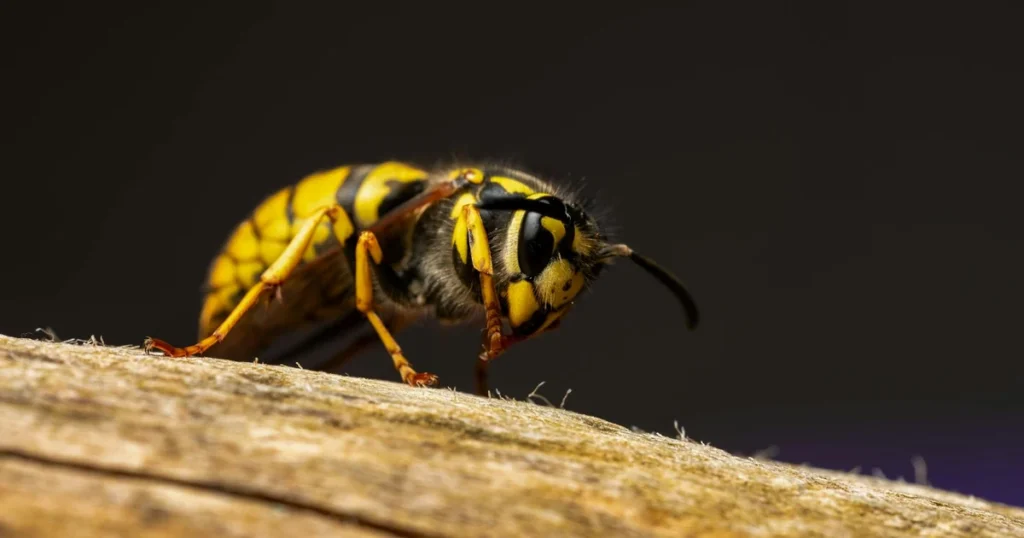
Hornets in Virginia can create costly problems when early signs are missed. Learn what to look for, why it matters, and when to call Proforce.
Key Takeaways About Virginia Hornets
- Virginia is home to several stinging insects that homeowners may encounter around their property, and correct identification helps guide the right response.
- Hornets and wasps can defend their nests when disturbed, so knowing where nests are located and avoiding direct contact is important for your safety.
- Using multiple pest control methods at the same time can help prevent stinging insects from returning to your property.
- Professional nest removal is worth considering, since disturbing a nest without proper equipment and protective gear carries real risk.
How to Identify Virginia Hornets
Knowing which stinging insect you are dealing with is the first step toward handling it safely. Virginia properties can host several species of social wasps, and each one behaves differently around people and structures. The notes below focus on what you can observe without getting dangerously close.
How to Tell Hornet Types Apart in Virginia
Different species vary in size, coloring, and colony scale. Yellowjackets, for example, are often confused with hornets because of their bold markings. According to UC IPM, yellowjacket colonies can reach populations of between 1,500 and 15,000 individuals depending on the species. That wide range means two yellowjacket colonies on the same property may look very different in terms of traffic volume.
Because species respond differently to common control methods, accurate identification matters. As UC IPM notes, lure traps using heptyl butyrate attract primarily the western yellowjacket and not other yellowjacket species. A trap that seems empty does not necessarily mean the area is clear of stinging insects.
How to Spot Hornet Activity Inside Your Virginia Home
You may notice individual wasps flying near interior windows or light fixtures. A single insect indoors is not always cause for alarm, but repeated sightings in the same room can suggest a colony is nearby. Listen for faint buzzing behind walls or in ceiling voids, which can point to an out-of-sight colony.
Where Hornet Activity Shows Up Around Virginia Homes
Outdoor activity is typically easier to spot. Watch for steady flight paths where insects travel back and forth along the same line. Elevated traffic near eaves, porch ceilings, or tree branches often indicates a colony in the area. Ground-level traffic in garden beds or along walkways may point to a below-ground colony.
Exterior Entry Points Hornets Use Around Virginia Homes
Stinging insects can enter wall voids and attic spaces through gaps that seem minor. Cracks where siding meets trim, openings around utility penetrations, and damaged soffit vents are all potential access points. Checking these areas from a low-risk distance during daylight can help you determine whether insects are coming and going through your home’s exterior.
Why Hornet Problems Develop in Virginia
Hornets and related stinging insects build nests near Virginia homes for straightforward reasons: accessible shelter, nearby food sources, and clear flight paths. Understanding what draws them in can help you recognize early activity before a nest grows large enough to pose a sting risk.
Outdoor Nesting Areas for Hornets Around Virginia Homes
Bald-faced hornets typically build enclosed, aerial nests in trees, under eaves, and along soffits. Paper wasp nests are smaller, rarely exceeding the size of an outstretched hand, and they hold populations of 15 to 200 individuals. Yellowjackets often nest at ground level or inside wall voids. Bumble bees are social and nest in the ground, becoming aggressive when their nest is threatened. Each species selects sheltered spots that offer protection from wind and rain.
Food and Shelter That Attract Hornets Around Virginia Homes
Bald-faced hornet nests contain large numbers of protein-rich larvae and pupae, which attract nest predators. The colony itself also forages for protein and sugars, so outdoor dining areas, fallen fruit, and open trash bins can draw hornets closer to your living space. Overwintering yellowjacket and paper wasp queens begin new nests in spring when the weather becomes warm, meaning early-season food availability around your property can influence where queens choose to build.
How Hornets Move Around Virginia Homes
When a bald-faced hornet colony perceives a threat, workers can release a venom sac extract that serves as a nest defense pheromone, according to Journal of Chemical Ecology. This coordinated alarm response means activity near one area of your yard can quickly intensify. A mistake during yellowjacket nest treatment can result in hospitalization or even death from excessive stings, so disturbing an active nest without proper preparation carries serious consequences.
Trails and Entry Points Hornets Use in Virginia
Hornets and wasps follow consistent flight paths between their nest and food sources. You may notice repeated traffic along fence lines, under porch ceilings, or near gaps in siding. Yellowjackets can exploit small openings in foundations or walls to establish nests inside structural voids. Monitoring these repeated travel routes in spring and early summer helps you spot a developing colony while it is still small. Even short-lived species like cicada killers, which are active for only about two to three weeks per year, can alarm homeowners when they appear near walkways.
Risks From Virginia Hornets
Health Risks Linked to Virginia Hornets
A single sting from a hornet is painful on its own, but the greater concern comes from multiple stings during a single encounter. Bald-faced hornets release alarm pheromones from their venom sac that can recruit nest mates to sting repeatedly. According to Journal of Chemical Ecology, venom sac extract increased the number of strikes on a target 27-fold compared to a control, showing how quickly a defensive response can escalate.
When several stings occur at once, the venom’s destructive enzymes can cause tissue damage that overwhelms the kidneys. According to UC IPM, multiple-sting encounters can lead to renal insufficiency or renal failure, and patients in that condition may require medical intervention including dialysis.
Property Damage From Hornets in Virginia
While hornets themselves do not typically bore into wood, other related species around Virginia homes can cause structural concerns. Carpenter bees, for example, are drawn to untreated wood surfaces. Cedar boards are particularly susceptible to extensive damage from carpenter bee tunneling.
Mud daubers also leave their mark on exterior walls. They construct 4- to 6-inch long vertical mud tubes in areas protected from rain, housing individual larvae and spider prey inside each cell. These tubes can accumulate on siding, eaves, and garage walls, creating a persistent nuisance.
Food Areas and Hornet Activity in Virginia Homes
Outdoor dining spaces, grills, and uncovered food can draw hornets closer to your living areas. When hornets forage near spots where your family gathers, the chance of an accidental sting rises. Because their alarm pheromones contain at least seven identified product components, even one agitated hornet near a food area can trigger a coordinated defensive response from nearby nest mates.
When to Look Closer at Hornet Activity in Virginia
Repeated hornet sightings around your home’s exterior deserve attention. A nest tucked under an eave or within a wall void may not be obvious until foraging traffic increases. The alarm-driven sting response means that disturbing a hidden nest, even accidentally during yard work, can result in multiple stings in a short window.
Monitoring high-traffic spots around your property, especially sheltered overhangs and protected wall surfaces, helps you notice nest-building activity before close encounters become unavoidable.
Professional Pest Control for Hornets in Virginia
Managing hornets around your Virginia home requires more than a can of spray from the hardware store. A structured approach that combines prevention, thorough inspection, and professional treatment gives you the best path toward addressing an active nest or discouraging hornets from settling near your living spaces.
How to Reduce Attractants for Hornets in Virginia
According to the EPA, integrated pest management focuses on prevention by removing conditions that attract pests, such as food, water, and shelter. For hornets, that means keeping outdoor dining areas clean, covering trash cans with tight-fitting lids, and picking up fallen fruit from trees in your yard.
Standing water in birdbaths, clogged gutters, or plant saucers can draw hornets looking for moisture. Reducing these water sources around your property removes one of the key conditions that make your yard appealing. Trimming overgrown vegetation near your home also limits sheltered spots where hornets may build nests.
Why Hornet Control in Virginia Starts With Inspection
Before any treatment takes place, a careful exterior inspection helps identify the species and pinpoint the nest location. Proforce service professionals observe the surroundings and note hazardous landscaping features that could affect treatment. They take notes and photographs to document what they find.
This step matters because different species call for different approaches. Bald-faced hornets, for instance, are among the natural predators of other social wasps, yet as UC IPM notes, none of these predators provides satisfactory biological control in home situations. Relying on nature to handle a hornet problem near your house is not a dependable strategy.
What to Expect During Professional Hornet Treatment in Virginia
Proforce service professionals wear bee suits for protection during hornet work. Once the species and nest location are confirmed, they apply species-specific treatment methods. These may include dusting, drenching, void treatments, or aerosol applications, depending on the situation.
Treatments are often performed early morning, evening, or dusk, when hornets are less active and more likely to be inside the nest. For bald-faced hornets, Proforce uses Stryker Wasp & Hornet Killer or D-Fense Dust. After treatment, nests are removed when possible, sealed in plastic bags, and disposed of at the branch office.
What to Expect From a Virginia Hornet Control Plan
Proforce service professionals follow a consistent process. The exterior inspection comes first, followed by species identification and targeted treatment. Interior service is not included in standard hornet work; manager approval is required if interior service is requested.
It is important to understand that treatment addresses the current nest. The service does not prevent future nests from forming. Keeping attractants low by removing accessible food, water, and shelter remains your strongest ongoing prevention measure.
Bottom Line on Hornets in Virginia
Hornets and other stinging insects around your Virginia home deserve attention, not panic. Knowing what you are looking at, understanding when nests may pose a concern, and taking basic prevention steps can go a long way. When a nest is in a high-traffic area or you are unsure of the species, professional help is the safest route. Proforce Pest Control service professionals can inspect, identify the species, and apply the right treatment approach. Contact Proforce to schedule an assessment for any hornet or wasp activity on your property.
Frequently Asked Questions About Hornets in Virginia
When Should I Call a Professional Instead of Handling a Nest Myself?
If a nest is near a doorway, porch, play area, or anywhere your family passes regularly, it is best to have a service professional handle it. Disturbing a nest without proper equipment can provoke a defensive response. Proforce service professionals wear protective gear and use species-specific treatment methods to address nests safely.
What Happens After a Nest Is Treated?
Once the stinging insects are addressed, the nest is removed when possible. Proforce service professionals seal removed nests in plastic bags for proper disposal. Keep in mind that treatment does not prevent future nests from being built in the same area.
Are Hornets Active Year-Round in Virginia?
Hornet and wasp colonies are seasonal. Activity tends to ramp up in warmer months and wind down as temperatures drop. Nests from the current season are not reused the following year, but new nests can appear in similar locations when conditions are favorable.
How Can I Reduce Stinging Insect Activity Around My Yard?
Reducing conditions that attract pests is a core part of integrated pest management. Remove food sources, standing water, and sheltered spots where nests may start. Routine exterior inspections of eaves, overhangs, and outbuildings can help you catch new nest construction early, before the colony grows.