
Hornets in Florida can create costly problems when early signs are missed. Learn what to look for, why it matters, and when to call Proforce.
Key Takeaways About Florida Hornets
- Florida homeowners may encounter several stinging insects, including wasps, yellowjackets, and bald-faced hornets, each with distinct nesting habits and appearance.
- Some species can be more aggressive near their nests and may sting more than once, so correct identification matters before approaching any nest.
- Proforce service professionals identify the species and nest location, then apply species-specific treatment methods to address the problem.
- Nest removal does not prevent future nests from forming, so staying aware of activity around your home is important year-round.
How to Identify Florida Hornets
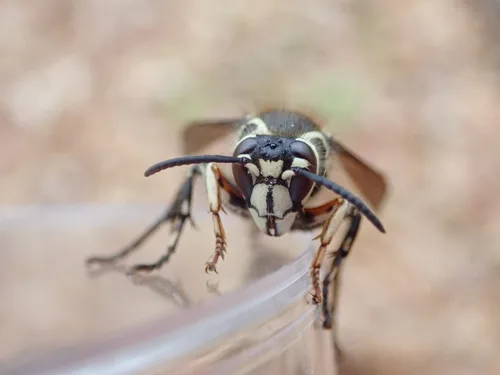
Knowing which stinging species are near your home starts with understanding what actually lives in Florida. The term “hornet” often gets used broadly, but the species you are most likely to encounter may surprise you. According to UF/IFAS Extension, the baldfaced hornet (Dolichovespula maculata) is actually a yellowjacket that earned the name “hornet” because of its large size and aerial nest.
How to Tell Hornet Types Apart in Florida
The baldfaced hornet has a largely black body with a mostly white face. That distinctive white-and-black coloring sets it apart from other species in the area. It builds paper nests above ground, often in trees.
Florida is also home to two Vespula yellowjacket species: the eastern yellowjacket (Vespula maculifrons) and the southern yellowjacket (Vespula squamosa). According to UF/IFAS Extension, only these two of the 18 Nearctic Vespula species are known from Florida. Their yellow-and-black banding looks different from the baldfaced hornet’s stark white markings.
Some solitary wasp species, such as Pachodynerus erynnis, also nest around Florida properties. Unlike social species such as paper wasps, solitary wasps lay eggs in individual nests that are not tended by other individuals. Identifying the species and nest location is the first step in deciding what to do next.
How to Spot Hornet Activity Inside Your Florida Home
Indoor sightings usually mean a nest is close by on the exterior of your home. You may notice a single hornet or yellowjacket buzzing around windows or light fixtures. Repeated sightings in the same room can point to a nearby nest just outside a wall, window frame, or roofline.
Where Hornet Activity Shows Up Around Florida Homes
Baldfaced hornets build their paper nests above ground, often attached to tree branches in the yard. Yellowjacket nests can appear at ground level or in sheltered spots around the property. Watch for steady traffic patterns of insects flying to and from a single location, which typically signals an active nest.
According to Mississippi State University Extension, some of these species are more aggressive than others and may fly several feet to sting someone who happens to be near the nest site. Give any suspected nest plenty of space until the species is confirmed.
Exterior Entry Points Hornets Use Around Florida Homes
Gaps along the roofline, openings around vents, and spaces where siding meets trim can all allow hornets or yellowjackets to move closer to the structure. Baldfaced hornets generally prefer building nests in trees, but any sheltered overhang or eave may attract nest-building activity. Checking these areas each month helps you catch new nests early.
Why Hornet Problems Develop in Florida
Hornets and related wasps are eusocial insects that live in colonies, sometimes reaching hundreds to thousands of individuals. Understanding why these colonies appear near your home helps you recognize the conditions that invite them in the first place.
Outdoor Nesting Areas for Hornets Around Florida Homes
The term “hornet” generally applies to species that nest above ground, while “yellowjacket” typically refers to species that build subterranean nests. Nests may be aerial or terrestrial depending on the species, and some species may construct both types. Paper wasps, a closely related group, form small colonies on a single exposed comb typically suspended from eaves or in outbuildings. According to UF/IFAS Extension, colonies are founded in the spring by a single queen that mated the previous fall and overwintered as an adult, usually under the bark of a log.
Food and Shelter That Attract Hornets Around Florida Homes
These social colonies need sheltered spots to establish and grow. Overhangs, eaves, and outbuildings offer the protected surfaces where nest-building often begins. Because colonies can grow over a single season, a small nest in spring can become a large and active one by summer.
How Hornets Move Around Florida Homes
Colonies sometimes develop in unexpected ways. According to UF/IFAS Extension, evidence suggested that one nest was a coalition of two or three independently founded colonies on the same tree. This means hornet activity near your home may involve more than one colony in a concentrated area, increasing the number of individuals defending the nesting site.
Social colonies include individuals whose task is to defend the nest. This defensive behavior is what makes a nearby colony a concern, especially when it is close to areas where your family spends time outdoors.
Trails and Entry Points Hornets Use in Florida
Hornets follow direct flight paths between their nest and foraging areas. Gaps under eaves, openings around outbuildings, and transitions between siding and rooflines can serve as access points for aerial nest-building species. Paper wasps in particular favor suspended spots like porch ceilings and shed rafters for their exposed combs.
These species are not typically aggressive and usually sting only when threatened. Still, nests positioned near doors, walkways, or outdoor living areas put you closer to the colony’s defensive perimeter. Noticing regular wasp traffic along the same path is often the first sign that a nest is nearby.
Risks From Florida Hornets
Hornets, yellow jackets, and paper wasps all belong to the order Hymenoptera, the same group that includes bees and ants. As stinging insects in this order, they can pose real concerns for Florida homeowners who encounter nests near doorways, eaves, or outdoor gathering spots.
Health Risks Linked to Florida Hornets
The most immediate risk is the sting itself. According to the University of Minnesota Extension, yellow jackets, paper wasps, and bumble bees can sting more than once because they pull out their stinger without injuring themselves. Unlike a honeybee sting, the stinger is not left in your skin after these encounters.
Because these stinging insects can deliver multiple stings in quick succession, even a brief encounter near a nest can result in several stings before you move away.
Property Damage From Hornets in Florida
When paper wasp nests are built in the wrong place, they are likely to cause stings and need to be addressed before the colony grows. Nests tucked under roof overhangs, inside grills, or along fence lines put anyone nearby at risk each time they step outside. Removing a poorly placed nest early reduces the chance of a sting event later in the season.
Food Areas and Hornet Activity in Florida Homes
Stinging insects from the order Hymenoptera can become a nuisance around outdoor kitchens, patios, and dining areas. Even when these insects are not nesting nearby, they may make their way into living areas, and stings can occur. Keeping food covered during outdoor meals and watching for scout activity near serving areas can help you spot a developing problem.
When to Look Closer at Hornet Activity in Florida
Not every hornet sighting calls for immediate alarm. However, even stinging insects that are not nesting or aggressive at a given time can still wander into living spaces and deliver a sting. If you notice repeated visits from wasps or hornets around entry points, windows, or covered porches, it may be worth investigating whether a nest is forming nearby.
Proactive attention to nest placement is especially important in high-traffic zones. A nest that goes unnoticed for weeks can grow large enough that stings become difficult to avoid whenever you use that part of your yard or home exterior.
Professional Pest Control for Hornets in Florida
Managing hornets around your Florida home takes more than a quick fix. Because nests can grow to a foot or more in diameter, early awareness and a structured approach matter. Here is what prevention, inspection, and professional treatment look like when hornets show up on your property.
How to Reduce Attractants for Hornets in Florida
Hornets are attracted to sugar sources such as berries, flower nectars, soft drinks, ripened fruits, and watermelons. This becomes a problem when the sugar source is a food or drink being consumed outdoors. Keep sweet items covered when eating or entertaining outside to reduce the chance of drawing hornets closer to your living spaces.
Yard upkeep also helps. Fallen fruit from trees and open beverage containers are easy targets. Covering these items is a straightforward step you can take right away.
Why Hornet Control in Florida Starts With Inspection
According to Mississippi State University Extension, staying alert for wasp and hornet nests around the home is an important first step. Proforce service professionals perform a diligent exterior inspection, observing the surroundings and noting hazardous landscaping features. They take notes and photographs to document what they find.
Spotting a nest early, before it grows larger, gives your service professional more options for low-risk removal. Inspection also helps confirm the species and exact nest location, which guides the treatment approach.
What to Expect During Professional Hornet Treatment in Florida
After identifying the species and nest location, Proforce service professionals apply species-specific treatment methods. For baldfaced hornets, treatments may include Stryker Wasp & Hornet Killer or D-Fense Dust. Methods can also include dusting, drenching, void treatments, and aerosol applications depending on the situation.
Treatments are often performed early morning, evening, or dusk. Service professionals wear bee suits for protection. Once the nest is no longer active, it is removed when possible, sealed in a plastic bag, and disposed of at the branch office.
What to Expect From a Florida Hornet Control Plan
Hornet treatment does not prevent future nests from forming on your property.
Proforce recommends acting quickly when you notice hornet activity. Combining ongoing awareness with professional inspection and treatment helps you stay ahead of nest-building activity around your home.
Bottom Line on Hornets in Florida
Florida homeowners may encounter hornets, yellowjackets, and related stinging wasps around their property. Knowing the difference between species helps you respond appropriately, and keeping food and drink covered outdoors can reduce unwanted attention from these insects. Because nests can be difficult to approach without risk, professional removal is often the practical choice. If you spot a nest on or near your home, contact Proforce Pest Control to request a quote and have a service professional assess the situation.
Frequently Asked Questions About Hornets in Florida
Are Hornets and Yellowjackets the Same Thing?
Not exactly. In general usage, “hornet” refers to species that nest above ground, while “yellowjacket” describes those that build subterranean nests. Both belong to the same family of social insects and live in colonies that can include hundreds to thousands of individuals.
When Is the Best Time to Address a Nest?
Treatments are often performed during early morning, evening, or dusk, when the insects tend to be less active. Proforce service professionals wear protective gear, including bee suits, during nest removal to stay low-risk throughout the process.
What Happens After the Nest Is Removed?
Once the nest is treated, Proforce service professionals remove it when possible. Nests are sealed in plastic bags and disposed of at the branch office. Treatment does not prevent future nests from forming.
Should I Try to Remove a Nest on My Own?
Approaching a nest without proper equipment and training can put you at risk of stings. Proforce recommends calling when you discover a nest, since certain species in Florida can be more aggressive when disturbed. Service professionals are equipped with the right tools and methods to handle the job without putting you at risk.