
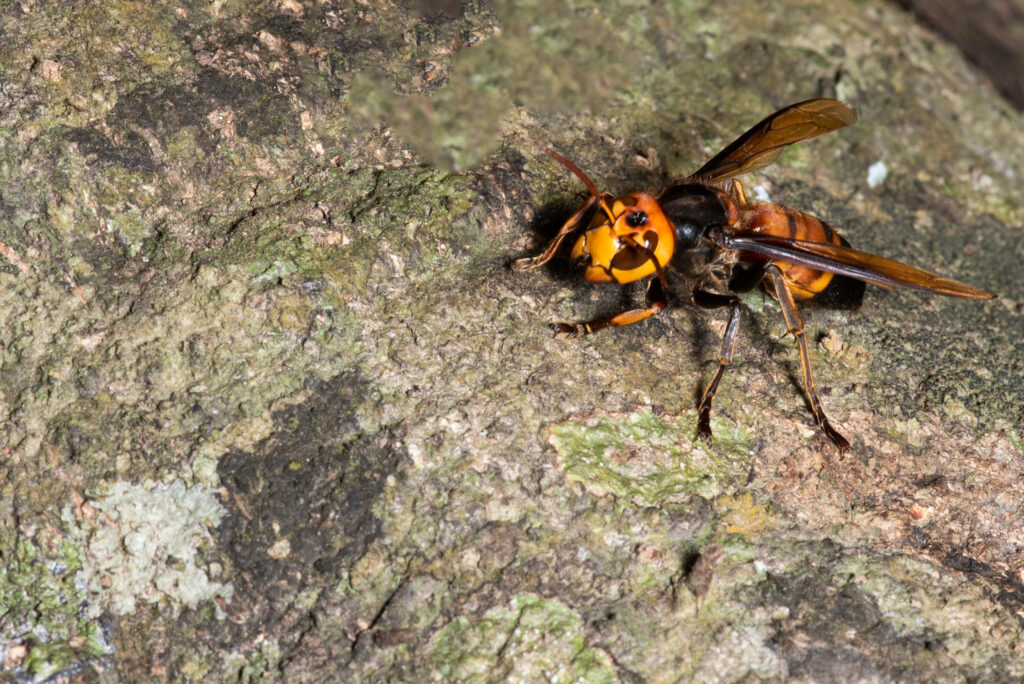
Types Of Hornets in Florida can create costly problems when early signs are missed. Learn what to look for, why it matters, and when to call Proforce.
Key Takeaways About Florida Hornets
- Florida homeowners may encounter several stinging insects often grouped as hornets, including paper wasps, yellowjackets, and mud daubers, each with distinct nest styles and behavior levels.
- Telling these insects apart starts with nest shape and location. Some build open, paper-like combs under eaves, while others nest in the ground or in enclosed cavities.
- Certain species are more defensive near their nests than others, so accurate identification matters before deciding on next steps.
- Proforce service professionals inspect the exterior, identify the species and nest location, and apply a species-specific treatment approach.
How to Identify Florida Hornets
Telling hornets and wasp species apart starts with understanding how they live. Some species are social, building nests headed by a reproductive queen and maintained by smaller female workers. Others, like solitary wasp species such as Pachodynerus erynnis, lay their eggs in individual nests that are not tended by any other individuals. Recognizing whether you are looking at a shared colony nest or a single-occupant nest is the first step toward narrowing down what you are dealing with.
How to Tell Hornet Types Apart in Florida
Florida homeowners group a lot of stinging insects under the word “hornet,” but most are actually paper wasps, yellow jackets, or mud daubers. The table below is the fastest way to narrow down what you’re looking at. Match what you’ve seen on size, color, and where the nest is sitting, then check the last column to decide how urgent the call is.
| Species | Size | Color | Where to look | Risk | Sting |
|---|---|---|---|---|---|
| Yellow jacket | 3/8–5/8″ | Bright yellow and black bands | Underground nests in lawns and garden beds; sometimes in wall voids | Most aggressive of the group; mowing or yard work can trigger swarming stings | Yes |
| Paper wasp | 5/8–3/4″ | Reddish brown to dark brown, narrow waist | Open umbrella-shaped combs under eaves, porch ceilings, and grills | Stings when nest is disturbed; colonies can persist multiple seasons in Florida | Yes |
| Carpenter bee | 3/4–1″ | Black with a shiny hairless abdomen, often confused with bumble bees | Perfectly round holes drilled into eaves, fascia, deck rails, and outbuildings | Structural wood damage from tunneling; males hover but cannot sting, females rarely sting | Yes |
| Mud dauber | 1/2–1″ | Black or metallic blue, very thin thread-like waist | Tube-shaped mud nests on walls, ceilings, sheds, and under overhangs | Solitary and not defensive; can sting if handled, but usually beneficial | Yes |
If what you’re seeing doesn’t match any row cleanly, take a photo from a careful distance and contact a pro. Florida’s year-round warmth means some colonies persist across seasons.
Social species maintain colonies where workers forage for wood fibers, nectar, water, and small invertebrates such as caterpillars, cicadas, and beetle larvae. According to UF/IFAS Extension, workers defend the nest using their painful stings. Solitary wasp species, by contrast, do not have a worker caste, so you will not see coordinated defense around their nests.
Another distinguishing trait is prey preference. Remove the Vespa mandarinia reference or replace it with a species actually relevant to Florida. For example: ‘Some social wasp species prey heavily on other insects, including honey bees, and can range across multiple bee colonies when foraging. Certain wasp species are more aggressive than others and may fly several feet to sting someone near the nest site. If you notice that kind of defensive range, treat the nest with extra caution.
How to Spot Hornet Activity Inside Your Florida Home
Inside your home, activity often shows up as individual wasps entering through gaps and lingering near windows or lights. Social species send workers out to gather materials, so repeated sightings of the same wasp species flying along the same path can point to a nearby nest. In many climates paper wasp nests last only one season, but in subtropical areas like Florida colonies can sometimes persist across multiple seasons. A nest from last year may still be active, so check for current movement before assuming it is abandoned., but fresh activity nearby may signal a new colony forming.
Where Hornet Activity Shows Up Around Florida Homes
Outside, look under eaves, along fence lines, and in shrubs. Social nests are easier to spot because multiple workers come and go throughout the day. Hornets that target honey bee colonies can range across multiple colonies rather than concentrating on a single one, so activity may appear at different points around your yard if you keep bees or live near hives.
Exterior Entry Points Hornets Use Around Florida Homes
Gaps around rooflines, soffit vents, and openings where utility lines enter the home are common pathways. Social workers foraging for wood fibers may be drawn to exposed or weathered wood around these entry points. Solitary wasp species may use small crevices or mortar joints to place individual nests. Sealing cracks and repairing damaged screens can reduce the chances of wasps moving deeper into your home’s structure.
Why Types Of Hornet Problems Develop in Florida
Florida’s subtropical climate gives stinging insect colonies an advantage that homeowners in cooler states rarely face. Understanding why these colonies form and persist around your property helps you recognize problems before a nest grows large enough to pose a real concern.
Outdoor Nesting Areas for Hornets Around Florida Homes
Colonies tend to establish themselves in sheltered outdoor spots near your home. In subtropical areas, paper wasp colonies may produce many foundresses and maintain nests for multiple seasons, periodically replacing queens with new foundresses. That means a nest you notice one year can still be active the next, unlike in colder climates where colonies typically die off each winter.
Honey bee colonies, by contrast, are not usually found in buildings, though their nests may persist for many years in other protected outdoor locations. The longevity of these colonies means a hands-off approach can allow them to become well established over time.
Food and Shelter That Attract Hornets Around Florida Homes
Social wasps and bees build colonies where shelter is reliable and nearby resources support the group. Florida’s year-round warmth extends the active season, giving colonies more time to grow. When conditions remain favorable through fall and winter, nests that would otherwise decline can continue producing new members.
How Hornets Move Around Florida Homes
Some yellow jacket species can become aggressive during late summer and fall and may sting unprovoked, according to the University of Minnesota Extension. This seasonal shift in behavior often brings stinging insects into closer contact with people as colonies reach their peak size. Social wasps and bees sting to defend their colony, so routine yard activity near a nest can trigger a defensive response.
Trails and Entry Points Hornets Use in Florida
By early spring, roughly March to May, a colony may be either dead or reduced in activity. If the colony is still active, this window is generally the most practical time for treatment and nest removal. Waiting until evening, when wasps are inactive, also reduces the chance of stings during any removal effort.
Because multi-season colonies can re-establish with new foundresses in subtropical regions, checking previously active nesting spots each spring is a practical habit for Florida homeowners.
Risks From Florida Hornets
Health Risks Linked to Florida Hornets
Stinging insects such as yellow jackets, paper wasps, and bumble bees can sting more than once because they pull out their stinger without injuring themselves. That ability to deliver multiple stings during a single encounter raises the potential for a painful experience, especially if you accidentally disturb a nest near your home.
The northern giant hornet, formerly known as the Asian giant hornet, has earned particular notoriety for its capacity to inflict life-threatening stings on humans, according to UF/IFAS Extension. While this species has not been established in Florida, awareness of its sting severity helps homeowners understand the broader risks that hornets and similar stinging insects can pose.
Property Damage From Hornets in Florida
Beyond stings, hornets and related stinging insects can build nests on or around structures. When nests appear near doorways, eaves, or outdoor living areas, they disrupt daily routines and limit how freely you use your own property. Proforce service professionals perform a diligent exterior inspection, identify the species and nest location, and apply species-specific treatment methods.
Food Areas and Hornet Activity in Florida Homes
Outdoor eating and cooking spaces can draw stinging insects closer to your household. Hornets, yellow jackets, and wasps foraging near grills, patios, or dining areas increase the chance of an unexpected sting. Encounters near food areas deserve prompt attention.
When to Look Closer at Hornet Activity in Florida
Repeated sightings of stinging insects around your roofline, yard, or outdoor spaces suggest a nest may be nearby. Hornet cuticles are tough. According to , honey bees that sting hornets often withdraw their stingers because barbs cannot fully anchor in the hornet’s thick outer covering. That durability is one reason hornets can persist in an area even when other insects attempt to drive them away.
If you notice increasing activity or a visible nest, Proforce recommends calling immediately. Once the pests are addressed, nests are removed when possible and sealed for disposal.
Professional Pest Control for Florida Hornets
Not every nest you spot around your Florida home needs to be treated. Some stinging insects are actually beneficial when they build nests away from high-traffic areas. Knowing when to leave a nest alone and when to call in a professional makes all the difference in keeping your household comfortable and sting-free.
How to Reduce Attractants for Florida Hornets
Paper wasps construct their nests from wood tissue and saliva, pressing those materials into thin, papery layers that form combs of hexagonal brood cells. Exposed wood surfaces around eaves, fences, decks, and outbuildings can supply raw material for nest building. Keeping wood surfaces painted or stained may make them less appealing as a fiber source.
Stay alert for nests forming around your home, especially under roof overhangs and porch ceilings where wasps tend to attach open-comb nests. Catching a small nest early gives you more options for low-risk removal. Regularly walking the perimeter of your property helps you spot new activity before it becomes a concern.
Why Hornet Control in Florida Starts With Inspection
Species identification drives every treatment decision. According to Purdue Extension, mud daubers do not defend their nests the way yellow jackets and other more social wasps do, though they can sting if provoked. When they nest away from where people live or work, they can be considered beneficial, and controls are not needed.
Paper wasp nests follow a similar rule. According to UC IPM, these nests should not require treatment unless they are near people. A thorough exterior inspection identifies the species present, the nest location, and whether the nest poses a genuine risk to your household. That assessment determines whether removal is warranted or the nest can be left in place.
What to Expect During Professional Hornet Treatment in Florida
Proforce service professionals begin with a careful exterior inspection. They observe the surroundings, note any hazardous landscaping features, and take photographs to document nest locations. Species and nest position are identified before any treatment begins.
Treatment methods are matched to the species involved. Options include dusting, drenching, void treatments, and aerosol applications. Treatments are performed during early morning, evening, or dusk when stinging insects are less active. Service professionals wear protective bee suits for safety throughout the process.
Once the stinging insects have been addressed, nests are removed when possible. Each removed nest is sealed in a plastic bag and disposed of at the local branch office.
What to Expect From a Florida Hornet Control Plan
Proforce recommends calling when you notice a nest, since Africanized bees may be present and can pose a risk to homeowners. Interior service is not included as a standard part of the treatment. If interior service is needed, manager approval is required.
Treatment addresses the current nest. The service does not prevent future nests from forming in the same area. If new nesting activity appears later, you should contact Proforce so the team can return and assess the situation.
With 11 locations across five states, Proforce pairs local knowledge with a consistent standard of care backed by a 92.5 NPS score and over 23,000 reviews. Contact Proforce to request a quote and schedule your exterior inspection. Done Right. Every Time.
Bottom Line on Florida Hornets
Telling hornets, wasps, and bees apart starts with looking at body shape, nest style, and behavior around your property. Florida homeowners may encounter paper wasps, yellow jackets, mud daubers, and carpenter bees, each with distinct nesting habits and varying levels of defensiveness. Accurate identification matters because the right response depends on the species involved. When you spot a nest on or near your home, note its location, shape, and the size of the insects visiting it. That information helps you decide whether to monitor the situation or call in a professional for species-specific treatment.
How Can I Tell a Hornet From a Wasp?
True hornets belong to the genus Vespa and tend to be larger and thicker-bodied than most paper wasps or yellow jackets. In Florida, many stinging insects that homeowners call “hornets” are actually paper wasps or yellow jackets. Checking the nest is one of the fastest ways to narrow down the species. Open, umbrella-shaped combs usually belong to paper wasps, while enclosed nests built in voids or underground often indicate yellow jackets.
Are Stinging Insects Near My Home Dangerous?
Defensiveness varies by species. Some wasps are relatively docile and sting only when they feel threatened. Others are more aggressive and may respond to activity near the nest. If you notice a nest in a high-traffic area around your yard or home, keep your distance and avoid disturbing it. Proforce recommends calling right away if you suspect the insects could be Africanized bees, which can be more defensive than other species.
Should I Remove a Nest Myself?
DIY nest removal carries real risk, especially if you misidentify the species or disturb a large colony. Proforce service professionals wear protective bee suits and use species-specific methods, including dusting, drenching, void treatments, and aerosol applications. Timing favors early morning, evening, or dusk when insects are least active. Once the pests are gone, the nest is removed when possible and disposed of at the local branch office.
Will Removing a Nest Keep New Ones From Appearing?
Removing one nest does not prevent future nesting. Stinging insects can build new nests in the same area if conditions remain favorable. If you notice new activity after a previous treatment, contact Proforce so a service professional can assess the situation and apply the appropriate treatment again.