
Fire Ants in Virginia can create costly problems when early signs are missed. Learn what to look for, why it matters, and when to call Proforce.
Key Takeaways About Virginia Fire Ants
- Imported fire ants can pose a sting risk to people and pets on your property.
- Identifying fire ant mounds early and understanding what attracts these ants to your yard are important first steps toward protecting your home.
- A sting from an imported fire ant can cause painful reactions, and some individuals may experience serious allergic responses that require medical attention.
- Proper treatment timing and technique matter when addressing a fire ant infestation, and a trained service professional can help you manage mound activity around your home.
How to Identify Virginia Fire Ants
Knowing what you are looking at is the first step toward addressing fire ants on your property. The red imported fire ant (Solenopsis invicta) is the species of concern for Virginia homeowners. Recognizing the ant itself, the signs it leaves behind, and the places it tends to show up can help you respond quickly.
How to Tell Fire Ant Types Apart in Virginia
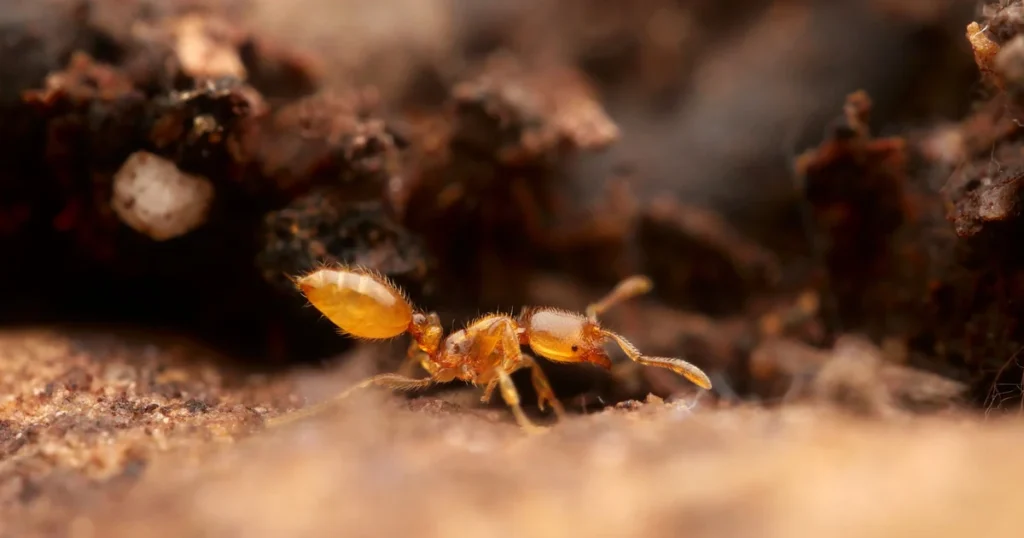
The red imported fire ant is the species most likely to draw attention. It is not native to the United States. According to The Journal of Allergy and Clinical Immunology: In Practice, Solenopsis invicta is known to cause anaphylaxis in humans, with numerous reported fatalities. That serious health concern makes correct identification important before you take any next steps.
If you see small, reddish-brown ants responding aggressively when their nest area is disturbed, you may be dealing with this species. Confirming the type matters because different ants call for different approaches.
How to Spot Fire Ant Activity Inside Your Virginia Home
Fire ants are primarily outdoor pests, but they can move indoors. Watch for small groups of reddish-brown ants trailing along baseboards, door frames, or near water sources. Activity inside your home often points to a larger population outside. If you notice ants indoors, inspect the perimeter of your home for additional signs of activity.
Where Fire Ant Activity Shows Up Around Virginia Homes
In your yard, look for loose soil that appears raised or freshly turned in open, sunny areas. Landscaped beds, along sidewalks, and near driveways are common places to check. Activity tends to be more visible during warm weather when ants are foraging above ground.
Because Solenopsis invicta stings can cause serious allergic reactions, it is worth being cautious around any suspected nest area. Avoid disturbing soil that looks like it may be an active nest until you are sure of what you are dealing with.
Exterior Entry Points Fire Ants Use Around Virginia Homes
Fire ants can enter through small gaps where the foundation meets the siding, around doors and windows, or where utility conduits pass through exterior walls. Any crack or opening at ground level is a potential pathway. Keeping an eye on these areas and noting ant trails nearby can help you catch activity early.
Regular visual checks of your home’s exterior, especially after warm stretches, give you the best chance of noticing fire ant presence before it becomes a larger concern.
Why Fire Ant Problems Develop in Virginia
Red imported fire ants have spread across much of the Southeast despite being non-native. According to UC IPM, this species infests most of 11 southern states and Puerto Rico. Virginia sits along the northern edge of that range, and yards with the right conditions can support active colonies.
Outdoor Nesting Areas for Fire Ants Around Virginia Homes
Red imported fire ants build mounds in sunny, disturbed habitats. Yards, pastures, parks, playgrounds, and right-of-ways all fit the profile. Open lawn areas that receive direct sunlight are the most common spots where mounds appear. Polygyne colonies can reach high densities in southeastern pastures, sometimes approaching 1,000 mounds per acre.
Newly graded soil, freshly seeded turf, and cleared lots create the kind of disturbed ground these ants prefer. Once a mound is established, foragers fan out from the colony to cover surrounding ground.
Food and Shelter That Attract Fire Ants Around Virginia Homes
Fire ants feed on almost any plant or animal material. Their diet includes other insects, ticks, ground-nesting animals, seedlings, seeds, plant buds, and developing fruits. A Virginia yard with garden beds, fruit trees, or ground-level wildlife activity can provide a steady food supply that supports growing colonies.
How Fire Ants Move Around Virginia Homes
Spraying foraging ants will not control a colony. According to UC IPM, spraying a nest may cause it to disperse, which can make control more difficult. That dispersal is one reason fire ant problems seem to spread across a property rather than stay in one place.
Broadcast baits work differently. They are spread around active mounds so foraging ants carry the material back to the colony. Bait should be applied in late afternoon when temperatures are warm and the ground is dry, and it should never be placed directly on top of a mound.
Ant Trails and Entry Points Around Virginia Homes
Foraging workers travel well beyond the mound to gather food. Trails can lead toward garden beds, compost areas, and any spot where biological debris collects near a home’s foundation. Recognizing active trails early helps you understand where the colony is centered and where treatment should be directed.
Risks From Virginia Fire Ants
Fire ants in Virginia carry risks that go beyond a simple nuisance. Because these ants are invasive, they can cause economic, environmental, and health harm. Understanding what those risks look like helps you decide when to act.
Health Risks Linked to Virginia Fire Ants
A single red imported fire ant can bite and sting repeatedly, according to UC IPM. The result is a burning and itching sensation followed by white pustules on the skin. Even brief contact with a mound can lead to numerous welts.
For people with fire ant allergies, the concern runs deeper. In vitro testing for imported fire ant allergy is commercially available through whole-body extract specific IgE testing. Immunotherapy buildup may use conventional, semi-rush, rush, or ultra-rush schedules with similar risk profiles, according to published allergy research.
Stinging ants in the Solenopsis genus account for a substantial healthcare burden worldwide. Over 200 stinging ant species exist globally, but this genus is among those driving the greatest impact.
Property Damage From Fire Ants in Virginia
Invasive species like fire ants are classified as non-native organisms likely to cause economic harm. Their presence on a property can affect yard usability and outdoor living areas. The USDA’s National Road Map for Integrated Pest Management specifically prioritizes responses that mitigate the impacts of invasive species for this reason.
Food Areas and Fire Ant Activity in Virginia Homes
Fire ant activity near outdoor kitchens, patios, or garden areas can make those spaces difficult to use. A sting from even one ant may discourage you and your family from spending time in affected zones. The repeated sting pattern of these ants makes any overlap between high-traffic areas and mound locations a practical concern worth addressing.
When to Look Closer at Fire Ant Activity in Virginia
As Virginia Tech Entomology notes, invasive ants can spread by hitchhiking on everyday vehicles. That means fire ant populations may appear in areas where they were not previously established. If you notice unfamiliar mound activity on your property, it is worth investigating sooner rather than later.
Monitoring for new mounds in recently disturbed areas of your yard can help you spot activity early. Repeated stings in the same area of your yard are another sign that a closer look is warranted.
Professional Pest Control for Fire Ants in Virginia
Managing fire ants on your Virginia property goes beyond a single treatment. A structured approach that combines prevention, thorough inspection, and targeted control gives you the best chance of keeping mounds from returning season after season.
How to Reduce Attractants for Fire Ants in Virginia
Prevention is one of the four tiers of an integrated pest management (IPM) program. Fire ants prefer baits containing oils, which tells us something about what draws them to a property. Reducing accessible food sources and keeping your yard well maintained can make your lawn less inviting to foraging workers.
Clearing yard debris and trimming vegetation near your home limits the sheltered areas where colonies may establish themselves. These straightforward steps support a broader pest management plan and help your service professional focus treatments where they matter most.
Why Fire Ant Control in Virginia Starts With Inspection
According to the EPA, IPM programs follow a four-tiered approach: identify pests and monitor progress, set action thresholds, prevent, and control. For fire ants, that means your Proforce service professional first confirms which ant species is present and maps active mound locations across your property.
Monitoring progress over time is just as important as the initial walkthrough. Tracking mound activity helps determine whether action thresholds have been reached and whether adjustments to the control plan are needed. Without that baseline, treatments can miss the mark.
What to Expect During Professional Fire Ant Treatment in Virginia
Professional fire ant control often relies on bait-based strategies tailored to the level of activity on your property. Product selection matters because fire ants prefer oil-based baits, which improves uptake by foraging workers.
For faster results, baits with hydramethylnon, such as Amdro Pro, can deliver noticeable reduction within one week or less. For longer-term management, baits containing insect growth regulators (IGRs) may be used, though according to UC IPM, these require four to six weeks for maximum results. Your Proforce service professional can determine which approach, or combination, fits your property.
How Proforce Structures a Virginia Fire Ant Control Plan
A Proforce fire ant control plan follows the IPM framework: identification, threshold setting, prevention, and control. Your service professional monitors mound activity at each visit and adjusts the plan based on what they find. This ongoing attention keeps the approach aligned with actual conditions on your property.
Because IGR-based baits and faster-acting options work on different timelines, a well-designed plan may layer both strategies. Proforce backs every service with the Proforce Guarantee, giving you confidence that your fire ant plan is Done Right. Every Time.
Anyone with a history of systemic allergic reactions to fire ant stings and a positive specific IgE test should talk with their physician about specific immunotherapy, per published allergy research.
Bottom Line on Fire Ants in Virginia
Fire ants can show up in Virginia yards and cause real problems when they do. Recognizing mounds early, understanding the stinging risk, and keeping your property maintained all help reduce the chance of a serious encounter. A professional approach that targets the colony rather than individual ants gives you a better path forward. If you suspect fire ant activity on your property, contact Proforce Pest Control to request a quote and get a plan in place.
Frequently Asked Questions About Fire Ants in Virginia
Are Fire Ants Dangerous to People?
Fire ants can sting repeatedly, and those stings may cause painful reactions. In some individuals, stings can trigger severe allergic responses. If you notice a mound on your property, avoid disturbing it and keep children and pets away until it can be addressed.
What Do Fire Ant Mounds Look Like?
Mounds typically appear in sunny, open areas of disturbed ground. They can vary in size depending on colony age and location. Spotting a mound early helps you take action before the colony grows larger.
Can I Treat Fire Ants on My Own?
Some over-the-counter baits may offer short-term results, but a structured approach that accounts for colony behavior tends to produce more reliable outcomes.
How Does Proforce Handle Fire Ant Activity?
Proforce service professionals assess your property, identify active mounds, and build a treatment plan tailored to your yard. Ongoing monitoring helps catch new activity before it becomes a bigger concern. Reach out through the Proforce website to learn more about coverage in your area.