
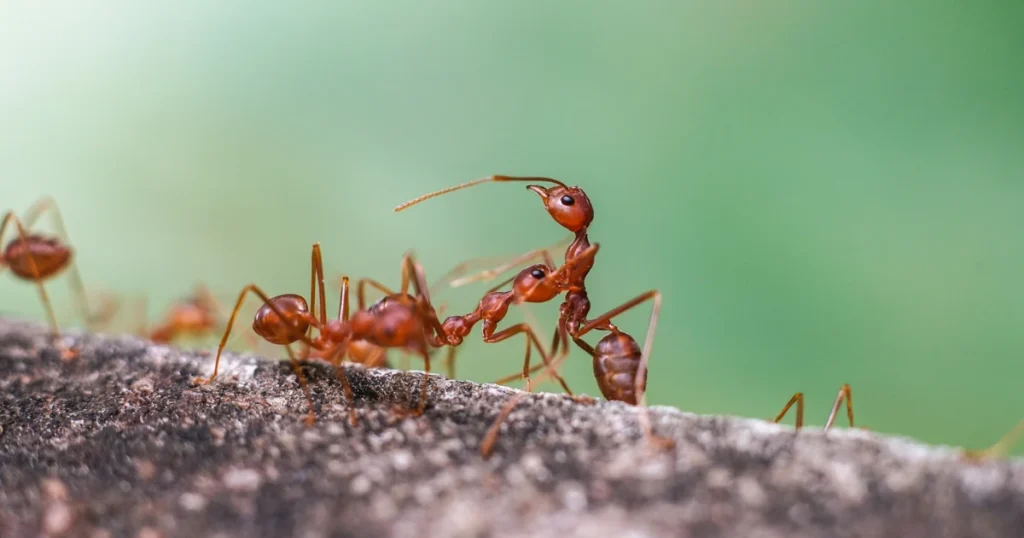
Fire Ants in South Carolina can create costly problems when early signs are missed. Learn what to look for, why it matters, and when to call Proforce.
Key Takeaways About South Carolina Fire Ants
- Red imported fire ants are not native to the United States and can build mounds in yards and open areas, making accurate identification an important first step for any homeowner.
- Fire ants can deliver a painful sting when their mound is disturbed, so knowing where mounds appear on your property helps you avoid accidental contact.
- Bait-based approaches allow foraging workers to carry product back to the colony, which can provide better long-term results than surface treatments that reach only the ants you see.
- A structured treatment plan from a trained service professional can address mounds across your yard more thoroughly than individual spot treatments alone.
How to Identify South Carolina Fire Ants
Knowing what to look for is the first step in managing fire ants around your South Carolina property. Recognizing the ants themselves, their mounds, and their nesting habits helps you act before a nest grows harder to manage.
How to Tell Fire Ant Types Apart in South Carolina
Red imported fire ants are the species homeowners in fire-ant-prone areas most commonly encounter. According to Texas A&M AgriLife Extension, this exotic species from South America prefers to nest outdoors in soil and constructs hills or mounds in open areas. It also nests under rocks, landscape timbers, at the bases of tree trunks, in decaying wood, and in clogged rain gutters.
One important behavioral clue: when a mound or nest is disturbed, the sterile female worker ants respond within seconds. They can run up vertical surfaces and will bite, holding on with their jaws while injecting venom with stingers at the ends of their abdomens. That aggressive defensive response is a strong sign you are dealing with fire ants.
How to Spot Fire Ant Activity Inside Your South Carolina Home
Fire ants prefer outdoor nesting, but they do not always stay outside. In some instances, red imported fire ants do not build mounds but nest in places such as walls of buildings. If you notice ants trailing along interior walls or baseboards and they match the defensive behavior described above, a nest may be nearby inside or just outside the structure.
Where Fire Ant Activity Shows Up Around South Carolina Homes
The most visible sign is a soil mound in an open area of your lawn. Mounds can also appear in less obvious locations, such as under sidewalks or in outdoor electric and water utility boxes, where they may not be visible at all.
Because individual mounds must each be located to be treated, spotting every nest on a property can be a real challenge. Mounds that go unnoticed continue to grow, making regular yard inspections worth your time.
Exterior Entry Points Fire Ants Use Around South Carolina Homes
Fire ants can take advantage of structural gaps where your home meets the ground. Nesting under sidewalks and inside utility boxes brings colonies close to foundations. From those nest sites, workers may move into walls of buildings. Keeping an eye on areas where soil contacts your home’s exterior helps you catch activity early.
Why Fire Ant Problems Develop in South Carolina
Fire ant problems around South Carolina homes usually trace back to a few overlapping factors: available nesting ground, nearby food, and easy paths into your yard or house. Understanding what draws fire ant colonies closer helps you recognize trouble before a mound appears next to your front walk.
Outdoor Nesting Areas for Fire Ants Around South Carolina Homes
Red imported fire ants build mounds in sunny, disturbed habitats such as yards, pastures, parks, and playgrounds. According to the University of Georgia pest guide, these ants are not native to the United States, yet they thrive in open, well-lit ground that has been cleared or regularly maintained. Freshly graded soil, lawn edges, and areas along driveways can all provide the conditions fire ant colonies need to establish a mound.
Food and Shelter That Attract Fire Ants Around South Carolina Homes
Fire ants are omnivorous. Outdoors, they feed on live and dead insects, seeds, and honeydew. Indoors, they are attracted to greasy foods and sweets. That varied diet means almost any property offers something for foraging workers to collect and carry back to the mound.
Some fire ant colonies have only one queen per nest, a structure called monogyne. Even a single-queen colony can sustain a large workforce of foragers that fan out across your yard searching for food sources.
How Fire Ants Move Around South Carolina Homes
Foraging workers may enter a house in search of food, moisture, or nesting sites, particularly during hot, dry periods or during floods. These weather swings can push fire ant colonies closer to foundations and interior spaces where moisture is more available. Red imported fire ants will quickly climb onto and sting anything touching their mound or food source, so accidental contact during yard work is a common way homeowners discover an active colony.
Ant Trails and Entry Points Around South Carolina Homes
Once workers locate a food source inside, they typically form a single trail leading from the house back to a nearby mound. According to Mississippi State University Extension, workers follow this path to carry food out of the home. Gaps around door sweeps, foundation cracks, and utility penetrations can serve as entry points for these trails.
If you suspect activity, you can place a piece of greasy food outdoors and check it in about 30 minutes. Foragers that arrive and recruit trail mates confirm that fire ant colonies are active near your home.
Risks From South Carolina Fire Ants
Fire ants are among the more concerning pests South Carolina homeowners may encounter on their property. Their aggressive behavior, painful sting, and tendency to nest near structures make them worth understanding. Below are the main risks to keep in mind.
Health Risks Linked to South Carolina Fire Ants
Fire ants deliver a painful sting. According to the University of Georgia pest guide, red imported fire ants inflict a painful sting and build mounds in sunny, often disturbed habitats such as yards, parks, and playgrounds. Because these pests nest where people spend time outdoors, the chance of an accidental encounter is real.
Displaced colonies are usually agitated and can sting in large numbers. When a mound is bumped by a lawnmower, foot traffic, or a child at play, the response can be swift and intense. Multiple stings from a single disturbance are common.
Property Damage From Fire Ants in South Carolina
The problems from fire ants go beyond the sting. Red imported fire ants build nests around trees, yard plants, pipes, and in the walls of structures. That nesting habit can interfere with landscaping, irrigation systems, and the exterior of your home.
Large fire ant mounds are unsightly and can damage equipment. According to Mississippi State University Extension, fire ants also cause direct agricultural and ecological damage. For homeowners with gardens or maintained lawns, these pests can disrupt the landscape you work hard to keep up.
Food Areas and Fire Ant Activity in South Carolina Homes
Because fire ants can nest in the walls of structures, their activity may bring them closer to indoor living spaces. Nesting around pipes provides another potential pathway near areas of your home where food is prepared or stored. Once a colony establishes itself near a structure, activity can be difficult to ignore.
When to Look Closer at Fire Ant Activity in South Carolina
Any visible mound in your yard deserves attention, especially in sunny, disturbed areas. Because fire ants sting aggressively when disturbed, leaving a mound unchecked raises the risk of a painful encounter for anyone using the yard.
Watch for mounds near trees, yard plants, pipes, and along the walls of your home. The closer a colony sits to high-traffic areas, the more urgent it becomes to address before someone steps on or bumps into a mound.
Professional Pest Control for Fire Ants in South Carolina
Fire ants are among the most economically important insect pests in the South, occurring throughout the region, according to Mississippi State University Extension. For South Carolina homeowners, that means fire ant control is not a one-time task. It takes ongoing attention, proper inspection, and the right treatment approach to manage mounds across your yard.
How to Reduce Attractants for Fire Ants in South Carolina
Some homeowners try DIY approaches like pouring boiling water on mounds or igniting flammable liquids over them. According to UF/IFAS Extension, these home remedies may bring about some level of control but are not recommended because they are dangerous to both people and the environment.
Certain mechanical and electrical devices marketed for fire ant control also fall short. Their results have not been documented. Relying on unproven methods can leave mounds active while the problem persists across your property.
Keeping your yard maintained and monitoring for new mounds are straightforward steps you can take between professional visits. Awareness is the first line of defense.
Why Fire Ant Control in South Carolina Starts With Inspection
Before any treatment begins, your yard needs a full inspection covering mound locations, nesting density, and proximity to high-traffic areas. Proforce service professionals walk the property to locate active mounds and assess how widespread the activity is. This step shapes the treatment plan so the right approach is applied where it matters most.
Inspection also helps determine whether bait treatments, contact treatments, or a combination will serve your yard best. Skipping this step can mean treating the wrong areas or using an approach that does not match the conditions on your property.
What to Expect During Professional Fire Ant Treatment in South Carolina
Fire ant control typically involves two distinct treatment types. Bait treatments rely on worker ants collecting the bait and carrying it back to the mound. Residual treatments work through contact activity, as Mississippi State University Extension notes. A professional plan may use one or both methods depending on what inspection reveals.
In landscapes where fire ants are abundant, bait treatments applied two to three times per year, in spring, midsummer, and fall, provide the strongest level of control. That schedule aligns with periods of peak ant activity and keeps pressure on mounds throughout the warm months.
What to Expect From a South Carolina Fire Ant Control Plan
Proforce builds recurring treatment plans around your property’s needs. With 11 locations across 5 states and a 92.5 NPS backed by over 23,000 reviews, Proforce brings consistency to every visit. The Proforce Guarantee stands behind every service. Done Right. Every Time.
Because fire ant control works best with repeated applications across multiple seasons, a one-and-done approach rarely holds up. A structured plan with spring, midsummer, and fall treatments gives your yard steady, year-round coverage against new mound activity.
Bottom Line on Fire Ants in South Carolina
Fire ants are an established concern across the state, capable of building unsightly mounds, inflicting painful stings, and foraging indoors for food. Identifying them early, keeping your yard maintained, and working with a professional service can help you stay ahead of colony activity. If you’re dealing with fire ant mounds on your property, contact Proforce Pest Control to request a quote and get started.
Frequently Asked Questions About Fire Ants in South Carolina
Why Do Fire Ants Show Up Inside My Home?
Workers may find a way indoors when foraging for food. A single trail of ants can enter the house, collect crumbs or pet food, and carry it back to a nearby outdoor mound. Colonies located close to a foundation may also move toward the home when disturbed by digging, landscaping, or flooding.
Are Fire Ant Stings Dangerous?
Fire ants deliver a painful sting. Colonies that have been disturbed can swarm and sting in large numbers, which makes accidental contact with a mound a serious concern for anyone spending time outdoors.
Can Fire Ant Mounds Cause Property Damage?
Yes. Large mounds can damage lawn equipment and are unsightly in yards and landscaped areas. Mounds should not be ignored even if they appear in less-trafficked parts of your property.
Should I Try to Treat Fire Ant Mounds on My Own?
DIY approaches can be unpredictable. Disturbing a mound improperly may cause the colony to scatter, making the problem harder to manage. A professional approach targets the colony below ground rather than just the visible workers on the surface.