
Mice in Florida can create costly problems when early signs are missed. Learn what to look for, why it matters, and when to call Proforce.
Key Takeaways About Florida Mice
- Yes, mice and rats are present in Florida and can move indoors seeking food and shelter.
- Rodents may nest inside walls and attics, making them difficult to detect without a thorough inspection.
- Cleaning up stored food messes is one of the most practical steps you can take to reduce food sources that attract mice and rats to your house.
- Abandoned rodent burrows around your property can attract secondary pests, including stinging insects that reuse those cavities.
- Professional rodent control is the most reliable way to address an active mouse problem, because over-the-counter rodenticides pose risks to non-target animals in and around your home.
- Proforce Pest Control offers rodent control and removal backed by the Proforce Guarantee, so the job is Done Right. Every Time.
How to Identify Florida Mice
Yes, there are mice in Florida, and knowing what to look for is the first step toward protecting your home. The state’s warm, humid climate supports several mouse species year-round. Recognizing the differences between species, the signs they leave behind, and the areas they prefer helps you act before a small problem grows into a larger one.
Telling Common Florida Species Apart
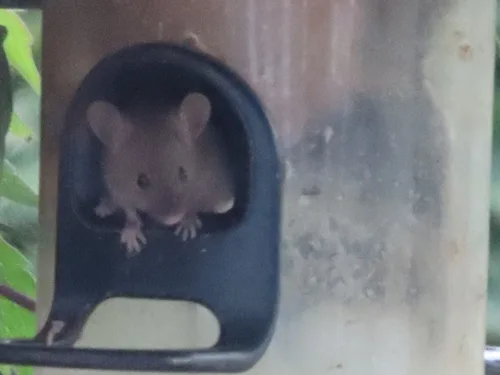
The house mouse is the species Florida homeowners encounter most often. House mice are small rodents commonly found indoors. A Proforce service professional can help you identify the species during an inspection. Deer mice are another species homeowners may encounter in Florida.
Other native mouse species may also be present in parts of Florida. Telling these species apart matters because each one favors different nest locations and food sources. If you spot a rodent and are unsure which species it is, a Proforce service professional can identify it during an inspection.
How to Spot Mouse Activity Inside Your Florida Home
Mice rarely announce themselves in the open. Instead, look for small, dark droppings about the size of a grain of rice near food storage areas, under sinks, or along baseboards. Gnaw marks on packaging, wood trim, or wiring are another reliable indicator.
You may also notice greasy rub marks along walls where mice travel the same path repeatedly. Shredded paper, fabric, or insulation gathered into a loose nest inside a cabinet or wall void confirms an active presence. Scratching or scurrying sounds at night, especially in ceilings and walls, point to mice moving between their nest and a food source.
Where Mouse Activity Usually Shows Up in Florida
Kitchens and pantries top the list because stored food provides an easy meal. Cleaning up stored food messes also minimizes food sources for mice and rats, so pay close attention to areas behind appliances and inside seldom-opened cabinets. Garages, attics, and laundry rooms are also common hotspots.
In Florida homes with attached storage or utility closets, mice often nest behind water heaters or stacked boxes. Any quiet, undisturbed space with nearby access to food or water can become a nesting site.
Exterior Entry Points Mice Use in Florida
Mice can squeeze through surprisingly small openings. Common exterior entry points include gaps around utility lines, dryer vents, garage door seals, and cracks in the foundation. Roof returns and soffit gaps are especially relevant in Florida construction, where species like roof rats and mice exploit upper-level access.
Overgrown vegetation touching your roofline or exterior walls creates a bridge straight to these openings. Trimming branches back and sealing visible gaps are practical first steps. For a thorough evaluation, Proforce service professionals can inspect your home’s exterior and recommend targeted next steps.
Why Mouse Problems Develop in Florida
Why Florida’s Climate Supports Mouse Activity
Florida’s warm, humid climate creates year-round conditions that allow mice to remain active and reproduce without the hard seasonal die-offs seen in colder states. Mild winters mean mice do not need to retreat indoors as urgently for warmth, but they still seek out structures when outdoor habitats shift. Consistent temperatures and moisture keep ground cover, vegetation, and food sources available across every season, supporting steady mouse populations in both rural and suburban areas.
Food and Shelter That Attract Mice in Florida
Mice do not travel large distances, so their presence around your home depends heavily on nearby food and cover. According to UF/IFAS Extension, the density and movement of rodents can be influenced by reducing brush, stacked wood, and food sources in the surrounding habitat. Overgrown landscaping, wood piles against exterior walls, and dense ground cover all create the shelter mice need within foraging range of your kitchen or garage.
Accessible food is the other half of the equation. Pet food left in open bags, birdseed spillage, unsealed pantry items, and food debris in storage areas all draw mice closer. As Oregon State University Solve Pest Problems notes, cleaning up stored food messes minimizes food sources for mice and rats. Without that easy food supply, mice are far less likely to settle in or around your home.
Why Florida Mice Adapt Around Homes
Florida homes offer the combination of reliable shelter and consistent food access that mice need. Wall voids, attic insulation, and crawl spaces provide protected habitats with stable temperatures. Mice can squeeze through surprisingly small openings to enter through utility lines, foundation cracks, and door sweeps that have worn down. Once inside, they establish nesting sites close to food and water, making removal more complex the longer they stay.
Seasonal Shifts That Move Mice in Florida
While Florida does not experience harsh winters, seasonal rain patterns and occasional cold fronts still push mice to adjust. Heavy summer storms can flood outdoor burrows and ground-level habitats, driving mice toward elevated, dry shelter inside your walls or attic. Cooler stretches in late fall and winter increase the appeal of heated interior spaces. These shifts do not happen all at once, but each weather change nudges mice a little closer to your living areas. Understanding that pressure helps you stay ahead of entry before a small visit becomes a lasting problem.
Risks From Florida Mice
Mice may seem like a minor nuisance, but once they settle into your Florida home, the problems they create go well beyond the occasional sighting. From health concerns to structural headaches, understanding what these pests can do helps you respond before small issues become costly ones.
Health Risks Linked to Florida Mice
Mice can create unsanitary conditions inside your home. Their droppings, urine, and dander accumulate in areas you may rarely inspect, such as wall voids and attic spaces. Pests like mice seek protection and shelter in dark cavities in walls or crawl spaces, according to University of Tennessee Extension, making exposure hard to detect until the population grows. Accumulated droppings and urine in hidden spaces can become a concern as the population grows.
Property Damage From Mice in Florida
Mice can damage materials throughout your home, and the longer an infestation goes unaddressed, the more costly repairs become. Rodents also stash food inside wall voids, creating hidden caches of nuts or pet food that attract secondary pests and can support heavy infestations that are difficult to trace back to a single source, as Mississippi State University Extension notes. Over time, these caches decay and produce foul odors that are tough to locate without opening walls.
Food Contamination Risks From Florida Mice
Mice leave droppings and urine trails wherever they forage. Unsealed dry goods, pet food bags, and fruit bowls are common targets. Because mice are drawn to warm air, moisture, and food sources, kitchens and garages often see the heaviest activity. Discarding contaminated items adds up quickly, making prevention far less expensive than repeated cleanup.
When a Mouse Problem in Florida Needs Action
A few telltale signs mean it is time to call in a professional. Droppings along baseboards, greasy rub marks on walls, and scratching sounds at night all point to an active population. If mice have nested inside wall voids or ceiling spaces, reaching the problem yourself is rarely practical or thorough.
Proforce Pest Control service professionals know where Florida mice hide and how to address the full scope of an infestation. If you notice any of these warning signs, requesting a quote sooner rather than later helps protect both your property and your family’s well-being.
Professional Pest Control for Mice in Florida
Mice can squeeze through surprisingly small openings, which means even a well-maintained Florida home can develop an infestation without obvious warning signs. Proforce Pest Control combines professional inspections with targeted treatment to address mice at the source. With 11 locations across 5 states, our service professionals understand the local conditions that drive rodent activity in your area. Below is what the process looks like from prevention through ongoing control.
How to Reduce Attractants and Seal Entry Points
Prevention is the first line of defense when mice are present in your Florida home. Start by cleaning up stored food messes, which minimizes food sources for mice and rats. Transfer pantry staples into airtight containers and keep pet food sealed between feedings. Mice are known to stash nuts and pet food in wall voids, and these hidden caches can sustain an infestation long after you think you have cleaned up, as Mississippi State University Extension notes.
Next, walk the exterior of your home and look for cracks around utility lines, dryer vents, and door sweeps. Seal any gaps or cracks you find with steel wool backed by caulk, since mice can fit through very small openings. Trim vegetation and tree limbs that touch the roofline, and remove old rodent nests from attics or crawl spaces. According to UC IPM, old nests can harbor secondary pest infestations that compound the original problem.
Why the Process Starts With a Professional Inspection
A professional inspection reveals what a homeowner often cannot see. Mice travel along walls, behind appliances, and inside insulation, leaving droppings, gnaw marks, and grease trails that trained eyes can identify quickly. Our service professionals check attics, garages, crawl spaces, and wall voids to map the full scope of the infestation.
Inspection also uncovers how mice entered in the first place. Understanding the entry pathway is critical because sealing those gaps prevents reinfestation after treatment. Without this step, any control effort is temporary. Proforce service professionals document every finding and walk you through the results before recommending a treatment plan.
What to Expect During Professional Mouse Treatment
Once the inspection is complete, your Proforce service professional designs a treatment approach tailored to your home. This may include tamper-resistant bait stations, snap traps placed along confirmed travel routes, and exclusion work at identified entry points. As UF/IFAS Extension explains, rodenticides target commensal mice and rats, but other species can also be affected, so placement by a trained professional protects pets, children, and wildlife.
Follow-up visits allow your service professional to monitor trap activity, refresh stations, and verify that the infestation is decreasing. Rodent control is rarely a one-visit job. Ongoing monitoring ensures that new activity is caught early before a small problem grows into a larger one.
What to Expect From a Florida Mice Control Plan
Proforce Rodent Control plans are built for ongoing protection, not just a single treatment. Your plan includes scheduled visits, continued monitoring, and re-treatment under the Proforce Guarantee. Our 92.5 NPS and more than 23,000 reviews reflect the consistency homeowners count on. Done Right. Every Time.
Because mice reproduce quickly, an infestation can rebound if treatment stops too soon. A structured control plan keeps pressure on the population while your service professional reinforces exclusion points and removes attractants over time. If you suspect mice in your Florida home, request a quote from your nearest Proforce location to get started.
Bottom Line on Mice in Florida
Yes, mice are present across Florida, and the state’s warm, humid climate gives them year-round access to food and shelter in residential areas. Keeping your home protected means combining smart prevention habits with professional rodent control. Cleaning up stored food messes reduces the resources that draw mice indoors, and sealing entry points keeps them from settling into wall voids and attics. When mice have already moved in, working with a trained service professional is the most reliable path to lasting results.
Proforce Pest Control offers rodent control backed by the Proforce Guarantee, so the job is Done Right. Every Time.
Frequently Asked Questions About Mice in Florida
What Attracts Mice to My Home?
Mice look for warmth, shelter, and steady food sources. According to Mississippi State University Extension, rodents stash items like nuts or pet food in wall voids, turning your home into a long-term pantry. Unsealed gaps around pipes, doors, and utility lines give them easy entry. Cleaning up stored food messes and securing pantry items in airtight containers removes the resources they depend on.
How Do I Know If Mice Are Inside My Walls?
Scratching or scurrying sounds at night are common indicators. You may also find droppings along baseboards, gnaw marks on food packaging, or small caches of food hidden in closets and cabinets. Mice reproduce quickly, so early detection matters. If you notice any of these signs, schedule a professional inspection rather than waiting for the problem to grow.
Can I Handle a Mouse Problem on My Own?
DIY traps may catch a stray mouse, but they rarely address the full scope of an infestation. As UF/IFAS Extension notes, rodenticides target commensal mice and rats, yet they can also pose risks to other species in and around your home. A Proforce service professional can identify entry points, gauge activity levels, and apply targeted treatments that protect both your household and the surrounding environment.
How Often Should I Schedule Rodent Inspections?
Ongoing treatment is the best way to stay ahead of mice in Florida. Regular visits let your service professional monitor for new activity, reseal vulnerable entry points, and adjust the approach as conditions change. Proforce Pest Control serves homeowners from 11 locations across 5 states, bringing local knowledge to every visit. Contact your nearest branch to request a quote and set up a schedule that fits your home.