
Ants in Florida can create costly problems when early signs are missed. Learn what to look for, why it matters, and when to call Proforce.
Key Takeaways About Florida Ants
- Florida homeowners encounter multiple types of ants, including carpenter ants, fire ants, and Argentine ants, each requiring a different control approach.
- Carpenter ants hollow out wood to form nests, and while they do not eat wood like termites, they can weaken building structures over time.
- Argentine ants form dozens of smaller, interconnected nests across infested landscapes and trail up trees and over the sides of buildings in large numbers.
- Fire ants build single large nests and deliver painful stings, making yard work and outdoor activity a concern for your household.
- Woodpiles, overgrown shrubs, and decaying lumber near your home create ideal nesting conditions for several ant species.
- Ongoing, professionally managed treatment is the most consistent way to keep ant populations under control, which is why Proforce builds scheduled re-treatment into every plan.
Understanding which ants are active around your Florida home is the first step toward protecting it. The sections below cover identification, risks to your property, and practical prevention tips so you can act with confidence.
How to Identify Florida Ants
Florida’s warm, humid climate supports a wide range of ant species year-round. Knowing what to look for helps you act before a small trail becomes a larger problem. Size, color, and nest location all offer clues about which species has moved in.
Telling Common Florida Species Apart
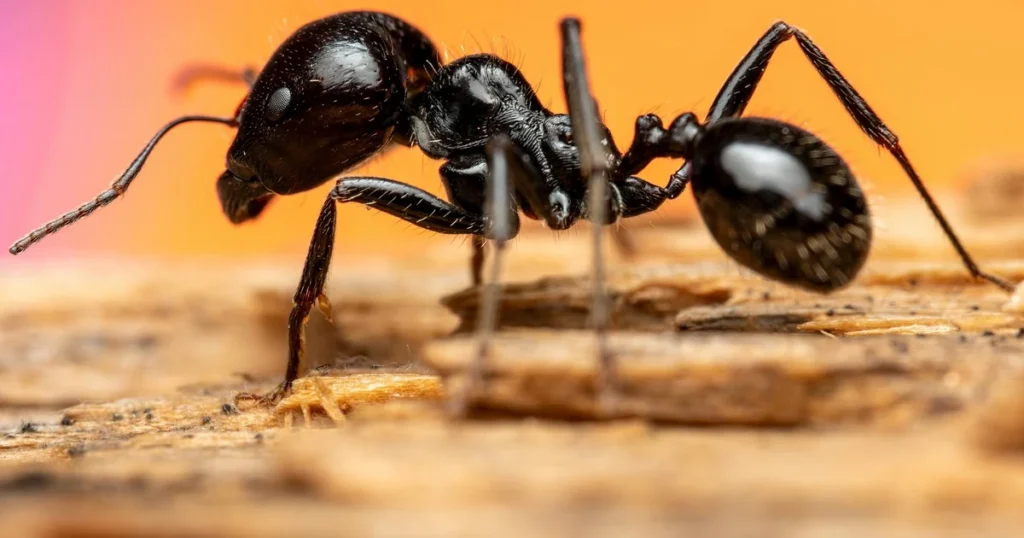
Size and color are your first sorting tools. According to Mississippi State University Extension, imported fire ants measure 1/12 to 3/16 inch, vary in worker size, and range from light to dark brown. They deliver repeated stings when disturbed, so correct identification matters. Argentine ants are smaller, about 1/10 inch, light to medium brown, and uniform in worker size. Black carpenter ants stand out at 1/4 to 1/2 inch with solid black coloring and workers that vary in size. Odorous house ants share many habits with Argentine ants, making close observation important.
How to Spot Ant Activity Inside Your Florida Home
Consistent trailing is the most obvious indoor sign. You may notice steady lines of ants along baseboards, countertops, or door frames, especially near kitchens and bathrooms. Carpenter ants leave behind small piles of sawdust-like shavings as they tunnel through wood to build their nest, as noted by Oregon State University Solve Pest Problems. Finding these frass piles near window sills, door casings, or wooden beams points to an active nest inside the structure.
Winged ants appearing indoors are another red flag. These swarmers indicate a mature colony nearby. Pay attention to any dead ants collecting on window ledges or light fixtures, because that pattern often reveals a hidden nest within the walls.
Where Ant Activity Usually Shows Up in Florida
Most ant species nest in soil, and colonies often establish next to buildings, along sidewalks, or near trees and plants that attract honeydew-producing insects. Imported fire ants build noticeable soil mounds in open, sunny areas of your yard. Other species nest underground or beneath rocks, landscape pavers, and garden mulch. In Florida, moist soil around irrigation lines and flower beds creates especially attractive nest sites.
Exterior Entry Points Ants Use in Florida
Ants follow edges. Look for trails along the foundation, beside driveways, and under exterior door sweeps. Gaps around plumbing penetrations, cable conduits, and window frames give foragers a direct path indoors. Overgrown vegetation touching your roofline or siding acts as a bridge from outdoor nest sites to interior spaces. Tree branches in contact with the house are a common highway for carpenter ants moving between a yard nest and indoor wood.
Keeping an eye on these entry points helps you catch activity early and decide when to call in a Proforce service professional for an inspection that covers interior trails, exterior entry points, and moisture conditions.
Why Ant Problems Develop in Florida
Why Florida’s Climate Supports Ant Activity
Florida’s warm temperatures and high humidity create year-round conditions that allow ant colonies to thrive. Most ant species depend on moist soil for nesting, and Florida delivers that in abundance. While cooler states see colony activity slow or pause during winter, Florida’s mild seasons keep colonies active, foraging, and growing with little interruption.
That consistent warmth also supports the plants and insects that ants rely on for food. According to UC IPM, ants nest near trees or plants that harbor honeydew-producing insects, and Florida landscapes are full of both. This creates a reliable food web that keeps colonies well fed close to your property.
Food and Shelter That Attract Ants in Florida
Ants are drawn to the same things you enjoy about your home: shelter, moisture, and accessible food. Pet food left on a patio, crumbs near a kitchen entry, or sticky residue on countertops all serve as open invitations. Even small, overlooked food sources can sustain a foraging trail for weeks.
Outside, mulch beds, leaf litter, and landscape timbers provide ideal nesting cover. Odorous house ants, for example, form small, inconspicuous nests under mulch, leaf litter, and tree bark, and a single colony often has many interconnected nest sites, some of which may extend indoors, as noted by Mississippi State University Extension. The more ground cover around your foundation, the more nesting opportunities colonies have.
Why Florida Ants Adapt Around Homes
Florida homes offer ants easy access through cracks in foundations, gaps around utility lines, and door sweeps that have lost their seal. Once a few foragers locate a food source inside, they lay scent trails that guide the rest of the colony. Colonies nesting in soil next to buildings and along sidewalks are already positioned to exploit those entry points.
Carpenter ants add another layer of concern. They target areas with water damage, using softened wood as nesting space. Addressing moisture issues and sealing entry points is a critical first step in reducing that pressure on your home’s structure.
Seasonal Shifts That Move Ants in Florida
Heavy summer rains can flood ground-level nests, pushing colonies toward higher, drier ground, often your home’s foundation or interior walls. Red imported fire ants build mounds in sunny, disturbed habitats like yards, parks, and playgrounds, and saturated soil forces those colonies to scatter.
Disturbing a colony outdoors, whether through yard work or misapplied treatments, can also trigger movement indoors. That is why a structured, ongoing treatment plan matters more than a one-time reaction. Proforce service professionals understand these seasonal pressures and build a schedule around them to keep colonies from gaining a foothold in your home.
Risks From Florida Ants
Florida’s warm climate supports dozens of ant species, and many of them pose direct risks to your health, your property, and your daily comfort. Understanding which pests threaten your household helps you respond before a small trail becomes a serious problem.
Health Risks Linked to Florida Ants
Red imported fire ants are the most concerning pests in Florida yards. According to the University of Georgia pest guide, these non-native ants inflict a painful sting and build mounds in sunny, disturbed areas like lawns, playgrounds, and parks. When a mound is disturbed, the colony can swarm and sting in large numbers, making outdoor spaces hazardous for children and pets.
Little black ants can also sting, though the reaction is relatively minor compared to fire ants. Carpenter ants do not sting but can bite and spray formic acid from their abdomens, which may be unpleasant. Argentine ants, another common Florida pest, carry no sting at all. Knowing which species you are dealing with matters because each one presents a different level of risk.
Property Damage From Ants in Florida
Fire ants are not just a sting hazard. As UC IPM notes, red imported fire ants cause problems by nesting around trees, yard plants, pipes, and even inside the walls of structures. These mounds can undermine landscaping, damage plants, and interfere with pipes and other structures around your yard.
Carpenter ants hollow out wood to create galleries for their colonies. Over time, untreated activity can weaken building structures. Because carpenter ant damage is hidden inside wood, it often goes unnoticed until the colony is well established.
Food Contamination Risks From Florida Ants
Many ant species that invade Florida homes are drawn to kitchens, pantries, and pet feeding stations. Ants forage indoors for sugars, grease, and protein. Once a foraging trail reaches a food source, workers can contaminate stored goods and preparation surfaces.
Keeping pests out of your food requires more than wiping down counters. Persistent colonies maintain multiple foraging routes, and a single trail can reappear within hours of being cleaned away.
When an Ant Problem in Florida Needs Action
A few ants on the patio are easy to dismiss, but certain signs call for professional attention. Multiple fire ant mounds across your yard create a serious sting risk for anyone walking barefoot. Indoor trails that return day after day suggest a nearby colony that surface cleaning will not resolve.
Sawdust-like debris near wood trim or baseboards may point to carpenter ant activity inside your walls. If you spot any of these warning signs, reaching out to Proforce Pest Control gives you a clear path to diagnosis and ongoing treatment tailored to your home.
Professional Pest Control for Ants in Florida
Florida’s warm, humid climate gives ants year-round access to food and moisture around your home. A proactive approach that combines habitat management, thorough inspection, and targeted treatment gives you the best chance of keeping ant activity under control. Proforce Pest Control brings local knowledge and a structured process to every visit, so you know what’s happening and why.
How to Reduce Attractants and Seal Entry Points
Start by removing what draws ants inside. Wipe down counters after meals, store pantry items in sealed containers, and empty trash bins on a set schedule. Fix leaky faucets and address any standing water near your foundation. Moisture is one of the strongest attractants for Florida ant species.
Next, focus on access points. Seal cracks around windows, doors, and utility lines with caulk. According to Purdue Extension, homes built on concrete slabs are especially vulnerable because ants nest beneath the slab and enter through cracks, heating ducts, and utility openings. Trim branches and shrubs that touch the exterior walls, since these create bridges straight to your roofline.
Why the Process Starts With a Professional Inspection
Before any treatment begins, a Proforce service professional inspects your property inside and out. They trace ant trails back toward nest locations, identify the species present, and note moisture issues or structural gaps that contribute to the problem. Species identification matters because Florida hosts carpenter ants, fire ants, Argentine ants, and others that each require different control strategies.
This inspection also maps where ants are entering. Treating entry points without locating the source often leads to repeated activity. A detailed assessment up front keeps the plan focused and avoids unnecessary steps.
What to Expect During Professional Ant Treatment
Once the inspection is complete, your service professional targets the nest and the pathways ants use to reach your home. Foundation perimeter treatments and baiting systems are common approaches. As Oregon State University Solve Pest Problems notes, the most effective products for carpenter ant control are not available at retail stores and require a licensed applicator to use.
For ants nesting in wall voids or hard-to-reach cracks, dust formulations can be applied to the nest site. Exterior mounds are treated at the source. Every step is designed to address the colony where it lives rather than just the trailing workers you see indoors.
What to Expect From a Florida Ant Control Plan
Proforce builds ongoing ant control into its General Pest Control plan, which covers 35 pests. Your service professional returns on a scheduled basis to re-inspect, re-treat as needed, and adjust the plan if new species show up or conditions change. That consistency is backed by the Proforce Guarantee and supported by over 23,000 reviews with a 92.5 NPS.
Because Florida ant pressure never stops, a one-time visit rarely provides lasting control. An ongoing treatment schedule keeps your home protected through every season. If you’re ready to get started, request a quote from your nearest Proforce location. Done Right. Every Time.
Bottom Line on Ants in Florida
Florida’s warm climate and slab-construction homes create year-round conditions that favor multiple ant species. Fire ants build mounds across sunny yards, Argentine ants trail indoors in large numbers, carpenter ants hollow out wood to form nests, and little black ants forage around homes. Each species calls for a different approach, and many are difficult to control with a single product. A professional, ongoing treatment plan that targets nests at the source gives your home the best chance of staying ant-free season after season.
Frequently Asked Questions About Ants in Florida
Why do ants keep coming back after I treat them myself?
Many ant species nest under concrete slabs and enter through cracks, heating ducts, and utility openings. According to Purdue Extension, homes built on slabs often face serious ant problems because the colony lives beneath the foundation. Over-the-counter sprays may remove foraging trails without reaching the nest, so the ants find a new entry point.
Are carpenter ants as destructive as termites?
Carpenter ants do not consume wood the way termites do. As Purdue Extension notes, they hollow out wood to form nests. While the structural risk is usually less severe than termite damage, carpenter ants can weaken building structures over time. Addressing moisture issues and scheduling regular inspections help catch activity early.
Do all Florida ants sting?
Not all species sting. Argentine ants and odorous house ants lack a notable sting. Fire ants, however, deliver a painful sting when their mounds are disturbed. Little black ants can also sting, though the sensation is relatively minor compared to fire ants. Identifying the species around your home helps you understand the level of risk.
How can I reduce ant activity around my home?
Locating and addressing the nest is the most direct step. Check soil along your foundation, seal cracks and utility gaps, and remove food and moisture sources that attract foragers. For persistent problems or species like carpenter ants, professional treatment is often necessary. Proforce Pest Control covers ants under its general pest control plan. Request a quote to learn how ongoing service keeps colonies from re-establishing around your property.