
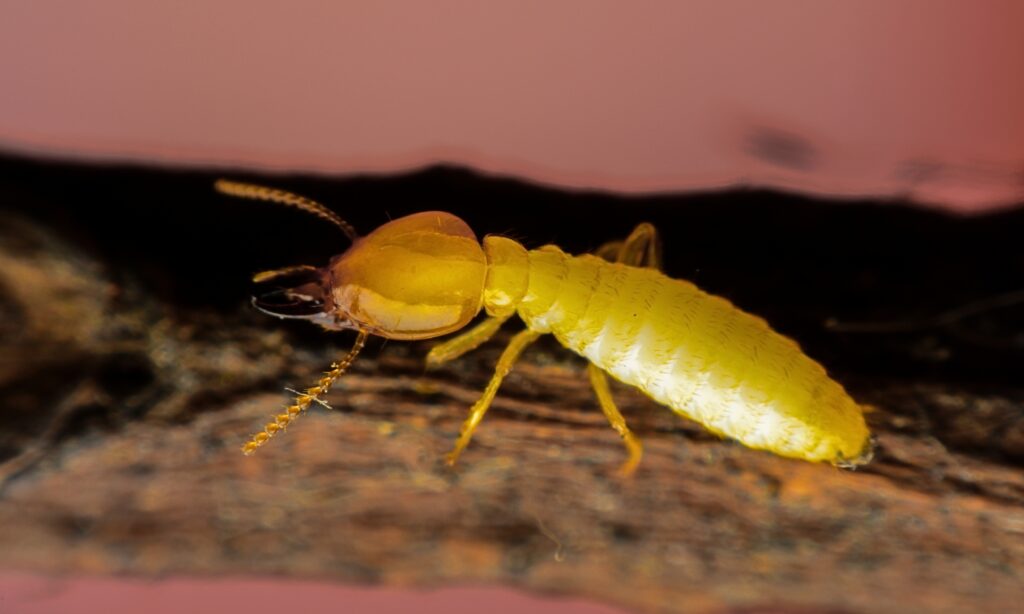
Termites in Georgia can create costly problems when early signs are missed. Learn what to look for, why it matters, and when to call Proforce.
Key Takeaways About Georgia Termites
- Georgia is home to several termite types, including subterranean and drywood termites, each with different habits and signs of activity.
- Termite activity can go unnoticed for a long time because these insects often feed out of sight, making early detection a challenge for any homeowner.
- Proper moisture management around your home, including ventilation in crawl spaces, can help reduce conditions that attract termites.
- A professional termite inspection is one of the most reliable ways to identify damage and signs of activity before they become costly.
How to Identify Georgia Termites
Knowing what termites look like and where they show up gives you a head start on protecting your home. Subterranean termites are the primary termite species Georgia homeowners may encounter, and Proforce’s Termite Protection Service is designed to address them. Recognizing the differences between termite species and the signs they leave behind can help you act before structural damage grows.
How to Tell Termite Types Apart in Georgia
Native subterranean termite swarmers range from black to caramel colored and measure roughly 1/4 to 3/8 inch in body length, according to the University of Georgia termite guide. These are the winged reproductives you may notice during warmer months when they leave a colony to start new ones.
Formosan termite swarmers are noticeably larger. According to the University of Georgia termite guide, they measure about 1/2 inch with wings included, have a caramel-colored body, and carry tiny wing hairs visible only under magnification. Comparing body size and color side by side is one of the most reliable ways to distinguish these two termite species.
Most subterranean termite species consume wood at about the same rate, but certain factors can make some species potentially more voracious and damaging than others. That is why accurate identification matters when planning treatment.
How to Spot Termite Activity Inside Your Georgia Home
Discarded swarmer wings near windowsills or light fixtures are often one of the first clues homeowners notice. The shed wings can be easy to overlook against dark surfaces.
Proforce controls subterranean termites only. Drywood and dampwood termites are not covered under this service, since those species can live in structures without soil contact. If you find swarmers indoors, noting their size and coloring helps determine which termite species is present.
Where Termite Activity Shows Up Around Georgia Homes
Subterranean termites need contact with soil, so activity typically appears where wood meets or sits close to the ground. Foundation walls, crawl spaces, and areas where moisture collects near a structure are places to watch closely.
Proforce service professionals perform an exterior inspection, checking for termite activity and conditions conducive to termites as part of the termite protection service. Catching activity early at these common trouble spots helps guide the right treatment approach.
Exterior Entry Points Termites Use Around Georgia Homes
Bait stations are installed around a home’s perimeter at regular intervals: approximately every 10 feet with the Sentricon System, or every 10 to 20 linear feet with the Trelona Advanced Termite Bait System. These intervals reflect where subterranean termites are most likely to forage along a foundation.
Every home that does not have preventative termite treatment will eventually have termites. Because subterranean termite species may approach from multiple directions along the soil line, consistent perimeter coverage is a core part of Proforce’s approach to termite protection in Georgia.
Why Termite Problems Develop in Georgia
Georgia’s landscape gives termites the soil, wood, and moisture they need to thrive. Understanding where colonies nest, what draws them closer to your home, and how they gain entry can help you spot conditions before damage builds.
Outdoor Nesting Areas for Termites Around Georgia Homes
Subterranean termites live in the soil and forage outward to find wood. A mature colony can range from several hundred to several million individuals, according to the University of Georgia termite guide. That colony size means foraging pressure on nearby structures can be constant once a nest is established in your yard.
Drywood termites follow a different pattern. They require no soil contact or liquid moisture, getting all the moisture they need from wood itself and metabolic processes. According to the University of Georgia termite guide, in Georgia drywood termites are most commonly found in furniture and picture frames in the central and northern parts of the state, but they can be structural pests in south and southeast Georgia.
Food and Shelter That Attract Termites Around Georgia Homes
Wood is the primary draw. Subterranean termites forage from the soil into structures specifically to access wood. They excavate galleries as they consume it, sometimes leaving only a thin wooden exterior behind. Any wood in contact with the ground provides a direct path from colony to food source.
Georgia is also home to the Formosan subterranean termite, an invasive species native to China. Formosan colonies have a higher proportion of soldiers, about 15%, compared to less than 5% in eastern subterranean termite colonies. That higher soldier ratio distinguishes Formosan colonies from native eastern subterranean colonies.
How Termites Move Around Georgia Homes
Native subterranean termite species typically begin swarming in January and are mostly finished by early June, according to the University of Georgia termite guide. Formosan termites, by contrast, swarm from mid-May to early June. Native subterranean species typically swarm in the morning or early afternoon and are not attracted to lights, while Formosan termites swarm at dusk and are drawn to lights. These flights allow new colonies to establish in soil near homes.
Once a colony matures, workers travel through the soil toward any available wood. Their constant foraging means they can reach a structure without visible surface signs.
Trails and Entry Points Termites Use in Georgia
Subterranean termites move through the soil and enter structures where wood meets or nears the ground. Because they forage from below, the damage they cause often stays hidden behind intact outer surfaces. Homeowners may not notice activity until the wood is heavily consumed inside.
Drywood termites take a different route entirely. Because they need no soil contact, they can enter through any exposed wood on a structure, making upper stories and detached items like furniture potential targets as well.
Risks From Georgia Termites
Structural Risks From Georgia Termites
Termite damage in Georgia homes starts with the workers. Only termite workers eat wood, while swarmers do not consume it. That distinction matters because the caste doing the real structural harm operates out of sight, often behind walls and beneath floors, long before a homeowner spots a winged swarmer near a window.
Subterranean termite workers build earth-hardened shelter tubes using saliva mixed with soil and bits of wood or even drywall. These mud tubes let workers travel between soil and structural wood while staying protected. Spotting tubes along a foundation wall is one of the clearest signs that termite damage may already be underway.
Hidden Termite Damage in Georgia Homes
Much of the risk from termites in Georgia comes from how difficult colonies are to detect. According to UC IPM, thorough inspection is needed to detect and contain termite damage and colonies so that localized treatments can be used most effectively. Without a trained eye, an active colony can feed on wood framing for months or years before visible signs appear on the surface.
Drywood termites can be especially hard to catch early. Missing early warning signs can allow damage to spread further than necessary.
Belongings and Moisture Risks From Georgia Termites
Termite workers do not limit themselves to structural lumber. Materials beyond framing, including drywall, can be affected. Drywood termite infestations often leave behind uniform-sized fecal pellets, called frass, about the size of a grain of sand, typically found on a flat surface directly beneath infested wood.
Because frass piles are small and easy to overlook, Georgia homeowners may sweep them away without realizing they point to an active colony overhead.
When a Termite Problem in Georgia Needs Action
Any sign of termite activity warrants prompt attention. Mud tubes on a foundation, frass beneath wood surfaces, or swarmers indoors all suggest that workers are already feeding. Early detection paired with ongoing monitoring is the most practical way to stay ahead of damage in Georgia.
Proforce controls subterranean termites using bait systems or liquid treatments. A proactive approach is essential for long-term protection.
Professional Pest Control for Termites in Georgia
Dealing with termite infestations in Georgia often requires more than a DIY approach. Homeowners can replace termite-damaged wood and correct conditions that attract subterranean termites, but according to UC IPM, applications of registered pesticides are highly regulated and require a licensed pest control professional to carry out the inspection and control program. Understanding what you can do on your own and where professional help becomes necessary will help you protect your home.
How to Reduce Attractants for Termites in Georgia
You can take steps to correct conditions around your property that may be conducive to subterranean termite infestations. Removing termite-damaged wood is one action homeowners can handle independently. Addressing moisture issues and wood-to-soil contact around your home’s foundation can also make the property less appealing to foraging termites.
These preventive measures are a solid starting point, but they do not replace professional treatment. Proforce offers both preventative and active termite control, including the Trelona Advanced Termite Bait System manufactured by BASF, providing ongoing perimeter protection.
Why Termite Control in Georgia Starts With Inspection
A pest control professional has special training to inspect your home for termite damage and signs of activity. An obvious sign of a subterranean termite infestation is the presence of live termites when shelter tubes or damaged wood are broken open. At certain times of the year, swarmers may also be found in galleries. These signs can be easy to miss without trained eyes.
Proforce professionals inspect the exterior for termite activity and conducive conditions. Proforce currently performs 600 termite inspections per year for builders covering new homes and new neighborhoods.
What to Expect During Professional Termite Treatment in Georgia
Proforce’s Termite Protection Service targets subterranean termites. The process begins with preparation and pre-service communication, during which the system is explained to you. Service professionals then install bait stations around your home’s perimeter.
The Trelona system uses the active ingredient Novaluron. When consumed, it prevents termites from molting, which eventually leads to death. Worker termites consume the bait and alert other workers, bringing it back to colony members. Colonies can be reached in as quickly as 15 to 45 days. Bait remains active for 2 to 4 years under typical conditions.
Proforce also offers termiticide foundation trenching. A barrier of termiticide applied around the foundation prevents subterranean termites from gaining access. It also has a “transfer effect” that allows termites to spread it to each other. Each liquid application typically lasts approximately five years, at which time switching to the Trelona system is recommended.
What to Expect From a Georgia Termite Control Plan
After station installation, Proforce monitors bait stations annually and refills them as needed. Additional visits are available if issues arise between scheduled checks. This ongoing approach helps keep infestations from going undetected.
Products needed to control termite infestations are not available to the general public, which is why professional involvement is important. As HUD / NPMA 99-A notes, even new-construction guarantees require that a licensed or otherwise state-authorized pest control company treat infestations as necessary. Proforce has provided pest control since 2015, with 11 locations across 5 states, backed by a 92.5 NPS and over 23,000 reviews.
Bottom Line on Termites in Georgia
Subterranean termites forage from the soil into structures, and colonies can grow to several million individuals. Because they work hidden inside wood, homeowners in Georgia may not notice activity until visible signs appear. Proforce Pest Control uses bait systems and termiticide foundation trenching to target foraging subterranean termites. Whether you need a preventative program or suspect active termite activity, contact Proforce for an inspection and a quote tailored to your home.
How Do I Know if I Have Termites?
Look for swarmers indoors, discarded wings, or mud tubes along your foundation. Only termite workers consume wood, so structural signs may not be obvious until damage is well underway. A professional inspection is the most reliable way to confirm activity.
What Types of Termites Are a Concern in Georgia?
Subterranean termites are the primary concern for Georgia homeowners. The Formosan subterranean termite, an invasive species, can also be present. Their colonies support more aggressive foraging due to a higher proportion of soldiers compared to native species.
What Treatment Options Does Proforce Offer?
Proforce controls subterranean termites using either the Trelona Advanced Termite Bait System or termiticide foundation trenching. Bait stations are monitored on an ongoing basis. Foundation trenching creates a barrier that can last approximately five years, after which switching to the bait system is recommended. Proforce does not treat drywood or dampwood termites.
Is Preventative Termite Treatment Worth It?
Every home without preventative termite treatment may eventually face termite activity. A preventative program places bait stations around your home or applies a liquid treatment to create a barrier at the foundation. Proforce’s termite protection program includes ongoing annual renewal treatments, giving you continuous monitoring and coverage rather than a one-time fix.