
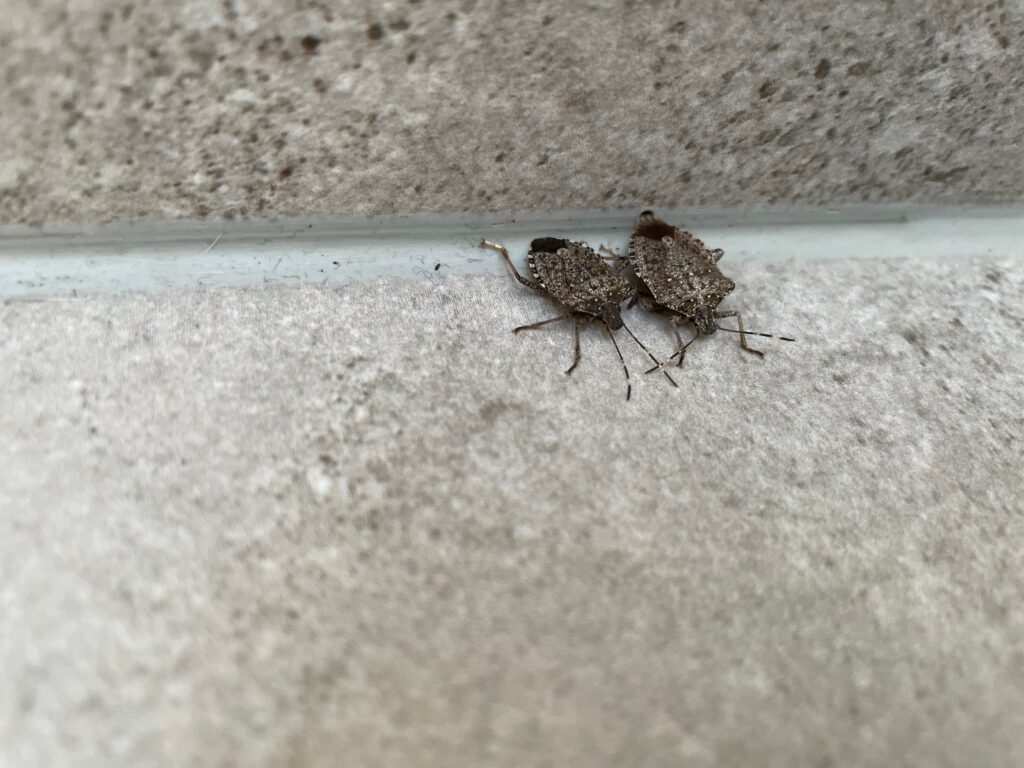
Stink Bugs in Florida can create costly problems when early signs are missed. Learn what to look for, why it matters, and when to call Proforce.
Key Takeaways About Florida Stink Bugs
- Florida is home to several stink bug species, including plant-feeding types that can damage fruit, vegetables, and ornamental plants, as well as predatory species that feed on other insects.
- Stink bugs do not bite people or pets, but certain species can become a nuisance when adults move indoors during cooler weather.
- Physical barriers such as row covers over garden beds and sealing entry points around your home can help reduce stink bug activity on your property.
- If stink bugs are showing up inside your home or damaging your landscape, contact Proforce Pest Control to request a quote.
How to Identify Florida Stink Bugs
Several stink bug species can show up around Florida homes. Knowing what to look for helps you tell one species from another and catch activity before it becomes a nuisance. The brown stink bug, the brown marmorated stink bug, and other common species each have distinct color patterns, so a closer look at the body and nymphs is the first step toward accurate identification.
How to Tell Stink Bug Types Apart in Florida
Adult stink bug coloration varies by species. Some display bright or contrasting color combinations such as black and orange, while others are mostly brown, gray, or green. According to UC IPM, this range applies to both adults and nymphs, so size alone is not a reliable way to separate one species from another.
The brown stink bug, Euschistus servus, is one of several common species in the southern U.S. The brown marmorated stink bug is an invasive species that is often confused with the rough stink bug or consperse stink bug. Paying attention to body markings, antenna banding, and overall shape will help you narrow down which species you are seeing.
Hatching nymphs are nearly round. Their coloring may or may not match the adults of the same species, which can make young stink bugs harder to identify without a reference image.
How to Spot Stink Bug Activity Inside Your Florida Home
Stink bugs that enter a home are usually noticed on walls, window frames, or light fixtures. Adults tend to gather where warmth and light are present. You may also detect the characteristic odor the insects release when disturbed.
Because brown marmorated stink bug nymphs and adults feed on more than 200 species of plants, the insects often move indoors from nearby gardens or landscaping. Seeing even a few adults inside can point to a larger population outside.
Where Stink Bug Activity Shows Up Around Florida Homes
Outdoors, stink bugs are most often found on fruit trees, vegetable gardens, and ornamental plants. The brown stink bug is a pest of seed, grain, nut, and fruit crops throughout the southern U.S., so any edible garden near your home can attract these insects.
Check the undersides of leaves for egg clusters and small, round nymphs. Clusters of adults resting on siding, fences, or outdoor furniture are another common sign of nearby activity.
Exterior Entry Points Stink Bugs Use Around Florida Homes
Stink bugs typically move indoors through gaps around doors, windows, and utility openings. Damaged screens and poorly sealed weather stripping offer easy access. Inspecting these areas regularly can help you notice activity early.
If you are finding stink bugs inside and want a professional assessment, contact Proforce Pest Control to request a quote. Our service professionals can help you determine the species involved and recommend next steps.
Why Stink Bug Problems Develop in Florida
Stink bugs can become a nuisance around Florida homes when outdoor habitat, food sources, and shelter pressure overlap. Several species feed on crops in central and south Florida, and the brown marmorated stink bug has spread across the southeastern United States since it was first reported in Pennsylvania in 1996, according to the University of Georgia pest guide. Understanding what draws these pests closer to your property helps you stay ahead of the problem.
Outdoor Nesting Areas for Stink Bugs Around Florida Homes
Stink bugs spend much of the year outdoors near the plants they feed on. Brown stink bugs hibernate during winter and surface in spring. Landscaping, garden beds, and nearby fruit trees can all support stink bug populations close to your home. Florida predatory stink bugs also live in these same outdoor areas, though they prey on plant-feeding insects such as beetles and caterpillars rather than the plants themselves.
Food and Shelter That Attract Stink Bugs Around Florida Homes
Brown stink bugs use piercing-sucking mouthparts to feed on a range of plants. Peach is one of the first food crops they damage in spring, arriving at orchards during the late bloom stage as fruit begins to form. In pecans, stink bugs injure nut kernels, with most feeding injury occurring in late season. Their feeding can damage fruit, leaves, and seeds, and the wounds they create may make plants more susceptible to pathogens or attack by other insects..
As temperatures drop, shelter becomes the priority. Adult brown marmorated stink bugs often seek overwintering sites inside houses and other buildings, according to the EPA. While large numbers can be a nuisance, they do not bite people or animals, nor do they damage buildings.
How Stink Bugs Move Around Florida Homes
Stink bugs follow seasonal patterns. After hibernating in winter, they surface in spring to reach nearby food crops. Multiple species may cause similar damage in central and south Florida peach orchards, broadening the window when these pests are active around residential areas.
Trails and Entry Points Stink Bugs Use in Florida
When stink bugs transition from feeding to overwintering, they move toward structures. Gaps around your home give them a path inside. If you notice stink bugs gathering on exterior walls or appearing indoors, contact Proforce to request a quote and keep your home comfortable year-round.
Risks From Florida Stink Bugs
Stink bugs in Florida can create problems that go beyond their well-known odor. Understanding the risks they pose to your garden, home, and food-storage areas helps you decide when to act and when to call a professional.
Health Risks Linked to Florida Stink Bugs
Stink bugs are not known to bite or sting people. Their primary concern is the unpleasant smell they release when disturbed or crushed. While they are not direct health pests, their presence indoors can become a persistent nuisance that disrupts your daily routine.
Property Damage From Stink Bugs in Florida
The real risk from stink bugs falls on plants and crops. Brown stink bugs often feed on the vegetative parts, flowers, stems, and foliage of plants, as well as the seed, nut, or fruit. According to the EPA, the brown marmorated stink bug has been observed feeding on numerous fruit, vegetable, and field crops including apples, cherries, corn, grapes, peppers, tomatoes, and soybeans.
Brown marmorated stink bugs primarily damage fruit and are serious pests of many fruiting vegetable crops. Researchers are still evaluating the feeding effect on tree health, particularly young trees. If you grow fruit trees or vegetable gardens at your Florida home, stink bug activity is worth monitoring closely.
Food Areas and Stink Bug Activity in Florida Homes
Adult brown marmorated stink bugs can enter homes through cracks and crevices. Once inside, they can often be found near doors, windows, and other entry points throughout the home. Their presence around food areas is a nuisance concern, and large numbers can make indoor spaces uncomfortable.
When to Look Closer at Stink Bug Activity in Florida
A stink bug or two may not seem urgent, but repeated sightings indoors or visible feeding damage on your garden plants deserve attention. Sealing cracks and crevices around your home is a practical first step. When stink bugs keep appearing despite your efforts, contact Proforce Pest Control to request a quote and get a professional assessment.
Professional Pest Control for Stink Bugs in Florida
Dealing with stink bugs in Florida can be frustrating, especially when DIY methods fall short. According to UC IPM, most garden insecticides are not effective against stink bugs, particularly adults. A professional approach focuses on prevention, thorough inspection, and targeted treatment to address the problem where it starts.
How to Reduce Attractants for Stink Bugs in Florida
Prevention is one of the most practical steps you can take against stink bugs in Florida. Covering vegetables with row cover material can prevent stink bug feeding. This physical barrier keeps the pests off your plants without relying on sprays.
Because stink bugs are large, they can be handpicked and brushed off plants into soapy water. Checking your garden regularly and removing them by hand helps keep numbers low before they become a bigger nuisance around your home.
In the wild, brown marmorated stink bug adults spend cooler months tucked into cracks or under the peeling bark of older or dead trees. Removing dead wood, old tree stumps, and loose bark near your home reduces sheltering spots that draw them closer to your living space.
Why Stink Bug Control in Florida Starts With Inspection
A proper inspection helps identify where stink bugs are gathering and how they may be entering your home. The potential damage they cause to garden plants may depend on each region’s climate and nearby host plants, so a cookie-cutter approach will not work for every Florida property.
A Proforce service professional evaluates the areas around your home where stink bugs tend to shelter. This includes cracks, gaps, and any vegetation that may be attracting them. An inspection gives your service team the information they need to build the right plan for your property.
What to Expect During Professional Stink Bug Treatment in Florida
Because conventional garden insecticides often fall short against adult stink bugs, professional treatment takes a different approach. A Proforce service professional focuses on the specific entry points and harborage areas identified during your inspection rather than relying on broad applications.
Treatment is tailored to your property’s layout, landscaping, and the level of stink bug activity found. The goal is to address the areas where stink bugs gather and reduce their access to your home.
What to Expect From a Florida Stink Bug Control Plan
Stink bugs in Florida may behave differently from property to property depending on local climate conditions and the host plants growing nearby. A control plan from Proforce accounts for those factors so the approach fits your situation.
With 11 locations across 5 states, Proforce has local service professionals who understand the pest pressures in your area. Every service is backed by the Proforce Guarantee. Contact Proforce to request a quote and get a plan built around your home. Done Right. Every Time.
Bottom Line on Stink Bugs in Florida
Florida stink bugs range from plant-feeding species that can damage garden crops to predatory species that actually help control other pests. They do not bite people or animals, but they can become a nuisance when they gather on or inside structures. Sealing entry points, using physical barriers over garden plants, and reducing outdoor lighting near doors and windows are practical steps to limit encounters. If stink bugs keep appearing in large numbers, contact Proforce Pest Control to request a quote.
Do Stink Bugs Bite or Cause Health Problems?
Stink bugs do not bite people or animals. Their main nuisance is the strong odor they release when disturbed or crushed. Large indoor gatherings can be unpleasant, but they are not a direct health concern for your household.
Why Are Stink Bugs Coming Inside My Home?
Stink bugs may seek shelter inside homes and other buildings as temperatures change. Gaps around windows, doors, and utility openings give them easy access. Sealing cracks and ensuring screens are intact can help keep them out.
Are All Florida Stink Bugs Harmful to Plants?
No. Some species found in Florida are predatory and feed on other plant-feeding insects, making them beneficial in gardens and landscapes. Identifying the species you are seeing can help you decide whether action is needed.
How Can I Protect My Garden from Stink Bug Damage?
Row cover material placed over vegetables can prevent stink bugs from reaching and feeding on your plants. Regularly inspecting crops and removing individual bugs by hand are additional steps that may reduce feeding pressure on your garden.