
Signs Of Termites in North Carolina can cause costly problems when early signs are missed. Learn the signs, risks, and when to call Proforce.
Key Takeaways About North Carolina Termites
- Termite activity in North Carolina homes can be difficult to spot early because subterranean termites often stay hidden until visible signs like mud tubes or wood damage appear.
- Knowing what to look for around foundation walls, crawl spaces, and areas where wood contacts soil can help you catch termites sooner and reduce the risk of structural damage.
- Addressing moisture issues and limiting wood-to-soil contact around your home are practical steps that may lower the chances of termite activity.
- Proforce Pest Control offers termite protection using bait stations installed around your home’s perimeter, with ongoing monitoring to help keep subterranean termite colonies in check.
How to Identify Signs of Termites in North Carolina
Knowing what termite activity looks like can help you catch a problem before structural damage grows. Subterranean termites are the type Proforce treats, and they leave behind a few reliable clues that North Carolina homeowners can learn to recognize.
How to Tell Termite Types Apart in North Carolina
Subterranean termite swarmers range from black to caramel colored and measure 1/4 to 3/8 inch in body length. Formosan termite swarmers are noticeably larger, about 1/2 inch with wings included, and have a caramel-colored body with tiny wing hairs visible only under magnification. According to the University of Georgia termite guide, size and coloring differences between these swarmers can help you narrow down which type may be present around your home.
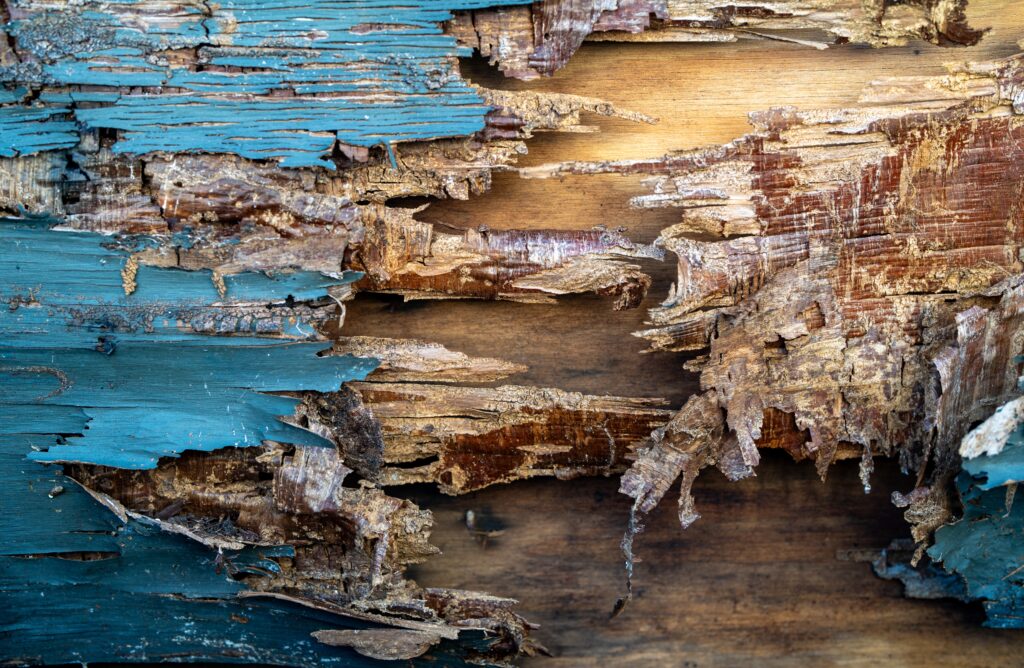
Wood damage patterns also provide useful information. According to UC IPM, the distinctive pattern of wood damage from subterranean termites can many times be used on its own to distinguish their activity from that of other species.
How to Spot Termite Activity Inside Your North Carolina Home
The usual first sign of subterranean termite presence in a house is the appearance of swarmers. These winged termites emerge indoors, and you may find evidence of them near windows and doorways. If you are not home when the swarm occurs, you may find only large numbers of discarded termite wings, usually on a window sill.
Piles of shed wings are easy to overlook or mistake for other insect debris. If you spot translucent, uniform wings grouped together indoors, that discovery warrants a closer look at the surrounding wood.
Where Termite Activity Shows Up Around North Carolina Homes
Inside the home, discarded wings tend to collect on window sills and near doorways where swarmers are drawn to light. Wood that shows a distinctive layered damage pattern, rather than smooth or random gouging, can point to subterranean termite feeding.
Because swarmers may appear in large numbers over a short time, the evidence they leave behind is often concentrated in one area. Checking window sills and nearby surfaces after noticing even a few loose wings is a practical step.
Exterior Entry Points Termites Use Around North Carolina Homes
Subterranean termites need contact with soil to survive, so the perimeter of your home where the foundation meets the ground is the primary area to watch. Proforce installs bait stations around the home’s perimeter to intercept foraging termites at these entry points.
Regularly inspecting the exterior foundation line for mud shelter structures or swarmer activity can help you stay aware of what is happening around your property before damage progresses out of sight.
Why Termite Problems Develop in North Carolina
Subterranean termites live in the soil and forage into structures to reach wood. Because their activity is hidden, infestations are usually not readily visible until remodeling exposes damage or foraging signs become obvious, such as mud tubes built from the ground up. Understanding what draws termites toward a home helps North Carolina homeowners recognize trouble earlier.
Outdoor Nesting Areas for Termites Around North Carolina Homes
Subterranean termite colonies start underground. The soil around a property serves as both habitat and launchpad for foraging trips toward any wood the colony can reach. According to the University of Georgia termite guide, subterranean termites forage from the soil into structures, sometimes consuming wood so thoroughly that only a thin exterior shell remains.
The Formosan subterranean termite, an invasive species native to China, can also establish colonies in the Southeast. Formosan colonies maintain a higher proportion of soldiers, about 15 percent, compared to less than 5 percent in eastern subterranean termite colonies.
Food and Shelter That Attract Termites Around North Carolina Homes
Wood is the primary draw. Subterranean termites excavate galleries inside wood as they feed, hollowing it from the inside. Any structural wood in contact with or close to soil gives foragers a shorter path from colony to food source.
Drywood termites operate differently. They require no soil contact or liquid moisture, obtaining all the moisture they need from wood itself and metabolic processes. That distinction means wood alone can support a drywood termite presence without the soil connection subterranean species depend on.
How Termites Move Around North Carolina Homes
Native subterranean termite species begin swarming in January and are mostly finished by early June. According to the University of Georgia termite guide, these swarmers fly in the morning or early afternoon and are not attracted to lights. Swarms are often the first visible clue that a colony is active nearby.
Between swarm events, worker termites travel through soil and shelter tubes to reach wood. Their hidden movement means damage can progress for a long time before any outward sign appears.
Termite Trails and Entry Points Around North Carolina Homes
Shelter tubes, sometimes called mud tubes, are the clearest physical evidence of subterranean termite travel. Workers build these tubes from the soil upward along foundations and other surfaces to maintain a protected path between their colony and a food source.
The cryptic nature of this activity complicates early detection. Infestations typically remain hidden until foraging signs like mud tubes become obvious or until construction work reveals interior damage.
Termite Risks for North Carolina Homes
Structural Risks From Termites in North Carolina
Termites cause substantial structural damage to wooden structures. According to Oregon State University Solve Pest Problems, damaged wood may need to be fully removed and replaced once termites have worked through it. In North Carolina homes, this can mean costly repairs to load-bearing members, window frames, and other wood components that hold your house together.
Subterranean termites are responsible for more structural damage than dampwood termites, which are less common and cause less costly structural damage by comparison. The longer termite damage goes unaddressed, the more wood is compromised throughout a structure.
Hidden Termite Damage in North Carolina Homes
Much of the termite damage in a home stays out of sight. According to Alabama Cooperative Extension System, the damage occurs first in the soft spring growth of infested wood members, leaving outer surfaces looking intact while the interior is hollowed.
Subterranean termites build earth-hardened shelter tubes from saliva mixed with soil and bits of wood or even drywall. These tubes let them travel between soil and your home’s wood without exposure. An obvious sign of infestation is the presence of live termites when shelter tubes or damaged wood are broken open.
Belongings and Moisture Risks From Termite Activity
Termite damage is not limited to visible framing. In areas like crawl spaces, basements, and storage areas, wood framing can sustain serious damage. Subterranean termites feed along the grain of the wood, consuming the softer springwood and leaving the harder summerwood, which can weaken structural members while the outer surface appears intact. Items stored in these spaces sit in direct contact with compromised wood, and the moisture conditions that attract termites can compound the problem.
When a Termite Problem in North Carolina Needs Action
Careful inspection is needed so colonies are detected and termite damage contained. According to UC IPM, thorough inspection supports the best use of localized treatments and helps keep damage from spreading further.
Subterranean termites may not leave fecal pellets in their galleries, so visual clues can be limited. At certain times of the year, swarmers may appear in galleries or around your home. If you notice shelter tubes, damaged wood, or swarming termites, that is the point to pursue a professional inspection rather than wait for more visible signs.
Professional Termite Control in North Carolina
Spotting signs of a termite infestation early gives you the best chance to protect your home’s structure. Whether you notice mud tubes along your foundation or small pellet piles near wood surfaces, the right response combines prevention, thorough inspection, and professional treatment. Here is what North Carolina homeowners should know about each step.
How to Reduce Termite Attractants Around Your North Carolina Home
Termites damage wooden structures, so minimizing their access to your home is a practical first step. Remove sources of moisture and repair any moisture damage around your property. When soil fills are graded close to wooden members of a structure, termite colonies in those fills can be the source of infestations, according to Alabama Cooperative Extension System.
Keep soil levels below wood framing where the foundation meets the ground. Homeowners can replace termite-damaged wood and correct conditions conducive to infestation on their own. Reducing wood-to-soil contact and addressing standing water around the perimeter are steps you can take right away.
Why Termite Control in North Carolina Starts With Inspection
Subterranean termites build working tubes from their nest in the soil to wooden structures, and these tubes may travel up concrete or stone foundations. An exterior inspection looks for those mud tubes, as well as shelter tubes made of wood debris and fecal material that may appear on surfaces and in crevices.
Drywood termite infestations usually first show up as piles of fecal pellets. These pellets vary in color from light gray to very dark brown, depending on the wood being consumed. They are hard, elongate, less than 1/25 inch in length, with rounded ends and six flattened or concavely depressed sides. A trained eye can distinguish these from sawdust or other debris.
A licensed pest control professional is needed for a full inspection and control program because applications of registered pesticides are highly regulated, as UC IPM notes. Proforce service professionals perform an exterior inspection checking for termite activity and conditions that invite termites in.
What to Expect During Professional Termite Treatment in North Carolina
Proforce uses the Trelona Advanced Termite Bait System, manufactured by BASF, with the active ingredient Novaluron. Each station comes pre-loaded with two Termite Bait Cartridges and is installed in the soil approximately every 10 to 20 linear feet around your home’s foundation.
The active ingredient prevents termites from molting when consumed. Worker termites consume the bait and bring it back to other colony members. Colonies can be reached in as quickly as 15 to 45 days. Bait remains active for 2 to 4 years under typical conditions, at which point stations are inspected and refilled as needed.
For existing infestations, termiticide foundation trenching creates a barrier around the home’s foundation. Termites that contact the barrier can spread it to each other through a transfer effect. Each liquid application typically lasts approximately five years, after which switching to the Trelona system is recommended.
What to Expect From a North Carolina Termite Control Plan
Proforce’s Termite Protection Service targets subterranean termites. The service begins with preparation and pre-service communication so you understand how the system works. After the exterior inspection, bait stations are installed around the perimeter. Stations are then monitored annually, with additional visits available if issues arise.
Every home without preventative termite treatment may eventually face termites, which is why ongoing monitoring matters. Proforce’s monthly termite protection program also includes general pest control and an annual termite renewal, giving you consistent coverage throughout the year.
Bottom Line on Termites in North Carolina
Catching termite activity early starts with knowing what to look for. Swarmers, discarded wings, shelter tubes along foundation walls, and damaged wood are the warning signs that deserve your attention. Subterranean termites can work out of sight for a long time, so regular inspections of porches, structural wood, and foundation areas matter. Reducing moisture around your home and limiting wood-to-soil contact are straightforward steps that help lower risk. If you spot any of these signs, contact Proforce Pest Control to schedule an inspection and discuss a protection plan for your home.
What are the first signs homeowners usually notice?
The earliest clue is often the appearance of swarmers inside the home. If you miss the swarm itself, you may find piles of discarded wings near windows or doors. Shelter tubes running along foundation walls, piers, or in crevices between structural members are another common indicator worth checking.
How can I tell termite damage apart from other wood damage?
Subterranean termites leave a distinctive damage pattern in the wood they consume. Breaking open damaged wood or shelter tubes may reveal live termites inside. Drywood termites, by contrast, tend to leave behind small, hard fecal pellets with six concave sides that differ noticeably from sawdust.
Where should I inspect around my home?
Focus on porches and other structural or foundation wood. Look for shelter tubes on foundation walls, in cracks, and along wood that contacts the ground. Check areas where moisture collects, since damp conditions can make wood more vulnerable.
Does Proforce offer ongoing termite protection?
Yes. Proforce installs bait stations around the perimeter and monitors them on an ongoing basis. The service targets subterranean termites with station-based and liquid treatment options. Annual inspections and refills keep the protection in place, with additional visits available if concerns arise between scheduled checks.