
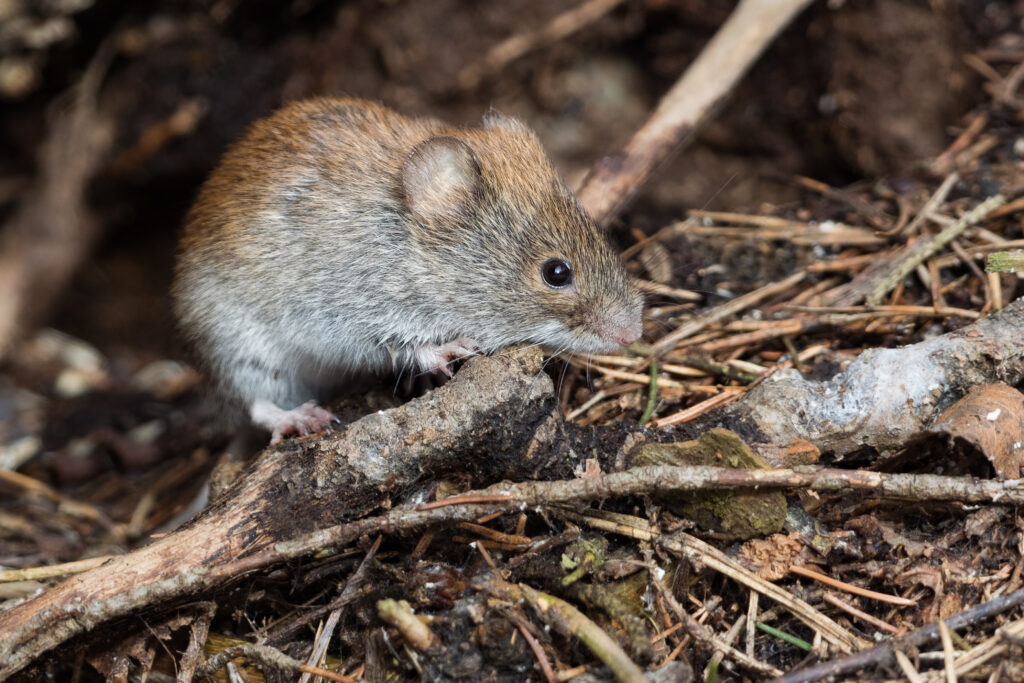
Types Of Mice in Florida can create costly problems when early signs are missed. Learn what to look for, why it matters, and when to call Proforce.
Key Takeaways About Florida Mice
- Knowing which mice and rats can enter your Florida home starts with identifying key physical differences, such as body size, fur color, and tail length.
- House mice, roof rats, and Norway rats are the primary rodent pests that can cause property damage and pose health concerns for homeowners.
- Not every mouse species commonly referenced online is actually present in Florida, so accurate identification matters before choosing a control approach.
- Sealing entry points and reducing food access around your home are practical first steps, and a professional inspection can help confirm which species you are dealing with.
How to Identify Florida Mice
Telling one type of mouse from another starts with a close look at color, size, and markings. Knowing what to watch for helps you act as soon as signs appear inside or around your home.
How to Tell Mice Types Apart in Florida
The mice you’ll actually see in Florida come down to three species. The table below is the fastest way to narrow down what you’re looking at. Match what you’ve seen on size, color, and where it showed up, then check the last column to decide how urgent the call is.
| Species | Size | Color | Where to look | Risk | Sting |
|---|---|---|---|---|---|
| House mouse | 5–7″ total length | Uniform grayish tone across the body | Indoors near food and shelter: pantries, garages, attic spaces, wall voids | Spreads leptospirosis, salmonella, and LCM; gnaws wiring and insulation | No |
| Oldfield mouse | 4–6″ total length | Pale brown above, white underside | Sandy outdoor habitats in northern and central Florida; rarely indoors | Native field species; minimal household risk unless nesting in outbuildings | No |
| Florida mouse | 6–8″ total length | Brown above, white underside, large ears and hind feet | Sandhill and scrub habitats in peninsular Florida; rarely near homes | Native species of conservation concern; minimal household risk | No |
If what you’re seeing doesn’t match any row cleanly, that’s usually a sign you’re dealing with rats rather than mice. A pro can confirm before you start setting traps for the wrong rodent.
House mice have a uniform grayish tone across the body. According to UC IPM, an adult house mouse typically weighs about half an ounce and measures between 5 and 7 inches in total length, with the tail making up 3 to 4 inches of that measurement. Their small, slender build makes them easy to overlook until activity becomes obvious.
Remove the deer mouse from this Florida-focused identification section, or replace it with a Peromyscus species actually found in Florida, such as the oldfield mouse (Peromyscus polionotus) or the Florida mouse (Podomys floridanus), with accurate descriptions sourced accordingly. House mice lack this two-tone pattern, so a quick glance at the belly area can help you distinguish one from the other.
How to Spot Mice Activity Inside Your Florida Home
Because house mice are small, they can slip through tight gaps without drawing attention. Watch for rice-shaped droppings along baseboards, inside cabinets, and near stored food. Gnaw marks on packaging or small shredded material gathered in corners also indicate active mice.
You may hear faint scratching or rustling behind walls or above ceilings, especially at night. Greasy rub marks along surfaces where mice travel repeatedly can confirm a regular path between nesting and feeding areas.
Where Mice Activity Shows Up Around Florida Homes
Mice tend to stay close to shelter and food. Look for droppings or nesting material in garages, storage sheds, and attic spaces. Disturbed insulation or small tunnels through stored boxes can point to ongoing activity.
Outdoor wildlife also plays a role in mouse populations near your property. Remove the deer mouse reference or rewrite to reference mice generally: “Mice serve as prey for a wide range of predators, including owls, hawks, snakes, and domestic cats. Noticing these predators around your yard can sometimes signal a nearby mouse population.
Exterior Entry Points Mice Use Around Florida Homes
Given their small body length, mice can squeeze through openings that look far too narrow. Gaps around utility conduits, foundation cracks, and spaces beneath doors are all worth checking. Sealing these openings is a practical first step in reducing access.
Inspect rooflines and vents as well. Any gap wide enough to fit the tip of a pencil deserves attention. Routine checks of these areas help you catch new openings before mice move indoors.
Why Mice Problems Develop in Florida
Understanding why mice settle around Florida properties starts with the resources available to them outdoors. When those resources overlap with your home’s structure, mice can transition from yard visitors to indoor pests within days..
Outdoor Nesting Areas for Mice Around Florida Homes
House mice tend to stay within 30 feet of their nest sites and food sources. That compact range means a mouse nesting in landscaping, a shed, or a woodpile is already close enough to explore your home’s exterior. Outdoor areas near swimming pools and other favorable spots can also draw mice closer to structures.
Food and Shelter That Attract Mice Around Florida Homes
House mice are flexible eaters. According to UC IPM, they consume roughly 20 percent of their body weight each day across about 200 small meals taken nightly. Their diet includes cereals, grasses, roots, seeds, and insect larvae. That dietary range means yards, gardens, and storage areas all offer something worth foraging.
Stored food messes inside garages, pantries, or utility rooms extend the food source list further. House mice consume human food supplies and pet food. They also contaminate what they do not eat through fecal deposits, forcing you to throw out affected items.
How Mice Move Around Florida Homes
Because house mice keep their activity within a tight radius, they test walls, foundations, and rooflines over and over. That concentrated movement pattern means a single gap or crack gets tested over and over. Mice may also shift from one favorable outdoor area to another, eventually finding a route inside.
Trails and Entry Points Mice Use in Florida
Mice follow the same paths between their nest and each food source, creating worn trails along walls and edges. Cleaning up stored food messes helps remove the food source that anchors a trail. Without that draw, mice have less reason to keep returning to the same entry point. Keeping an eye on areas within 30 feet of your home’s perimeter helps you spot activity before mice settle in further.
Risks From Florida Mice
Mice that enter your home bring more than a nuisance. They can jeopardize your household’s well-being and leave behind damage that adds up over time. Understanding the specific concerns tied to mice activity helps you decide how quickly to act.
Health Risks Linked to Florida Mice
House mice serve as vectors for multiple pathogens affecting human health. According to UC IPM, documented diseases transmitted by house mice include leptospirosis, salmonella, and lymphocytic choriomeningitis (LCM). These pathogens can spread through droppings, urine, and contaminated surfaces inside your home.
Hantaviruses have been identified in the deer mouse in other U.S. regions, and the disease is fatal in about 36 percent of cases. If you encounter wild mice or their droppings, clean the materials with a disinfectant or a mixture of bleach and water rather than sweeping or vacuuming dry debris.
Property Damage From Mice in Florida
The house mouse is a persistent gnawer that can damage wiring, insulation, and stored items once inside a structure. Mice gnaw on wiring, stored items, and building materials, and the damage adds up over time. Addressing an active population sooner rather than later helps limit the scope of repair work.
Food Areas and Mice Activity in Florida Homes
Kitchens and pantries draw mice because of accessible food. Droppings and urine near food preparation or storage areas raise the risk of salmonella and other pathogens reaching surfaces you use daily. Keeping food sealed and counters clean reduces the resources that attract mice, though it may not stop an established population on its own.
When to Look Closer at Mice Activity in Florida
Fresh droppings, gnaw marks, or scratching sounds in walls are signs worth investigating right away. Because mice can spread diseases through everyday contact with household surfaces, even a small number of active mice warrants a closer look. A professional inspection can help you confirm what species is present and how widespread the activity has become.
Professional Pest Control for Florida Mice
Dealing with mice in your Florida home requires more than a single trap placed at random. A structured approach that combines prevention, inspection, and professional treatment addresses the problem at its source. Proforce Pest Control builds each rodent control plan around what our service professionals find during the inspection, so every step is tailored to your property.
How to Reduce Attractants for Florida Mice
Mice look for easy access to food and shelter. Stored pantry items such as pet foods, cereals, nuts, and candy are among the most common food sources that draw mice indoors. Keeping these items in sealed containers removes a major reason mice enter your living space.
biological buildup in and around your home can also attract pests that mice feed on, creating a cycle that keeps rodents nearby. Clearing wet biological debris from drains, garages, and utility areas reduces the conditions that support pest activity in general.
Outside the home, properties near barns, stables, or other large animal-production facilities may see higher pest pressure because these settings provide abundant food and harborage. If your property borders that type of environment, pay extra attention to entry points along your exterior walls and foundation.
Why Mice Control in Florida Starts With Inspection
Traps and exclusion work only when they are placed where mice travel. Placing traps along walls, where rodent activity is most often found, gives you far better results than scattering them across open areas. A careful inspection identifies those high-traffic paths before any treatment begins.
Proforce service professionals walk your property inside and out, noting entry gaps, droppings, gnaw marks, and movement patterns. This inspection step ensures that the plan addresses your home’s specific layout rather than relying on guesswork.
What to Expect During Professional Mice Treatment in Florida
Once the inspection is complete, your Proforce service professional develops a treatment approach based on the findings. Trap placement focuses on the routes and areas identified during the walkthrough, concentrating effort where mice are most active.
Exclusion work targets the gaps and openings that allow mice to enter. Your service professional will explain what was found, what steps are being taken, and what you can do between visits to support the plan.
What to Expect From a Florida Mice Control Plan
Rodent control is rarely a one-visit job. Proforce structures ongoing plans so that service professionals return to monitor activity, adjust trap placement, and verify that exclusion points remain sealed. This recurring approach reflects the Proforce Guarantee and the consistency behind our 92.5 NPS and over 23,000 reviews.
Between visits, continue storing food in sealed containers and keeping biological debris cleared from drains and damp areas around your home. These habits complement the professional work and help keep conditions less inviting for mice. Contact Proforce to request a quote and get a plan built around your property.
Bottom Line on Florida Mice
Knowing which mice may show up around your home is the first step toward keeping them out. The house mouse is the primary rodent pest you are likely to encounter indoors, while Florida does have native Peromyscus species in outdoor and rural settings. Accurate identification matters because each species behaves differently, leaves different signs, and calls for a different response. When you spot droppings, gnaw marks, or hear scratching in walls, a prompt inspection helps you understand exactly what you are dealing with and what to do next.
How Can I Tell House Mice Apart From Native Florida Species?
House mice tend to have a uniform grayish tone across their body. Native Peromyscus species found in Florida, such as the oldfield mouse, typically show darker coloring on top with a lighter underside. Size, tail length, and color contrast are the quickest field markers to check.
Are Deer Mice Found in Florida?
The true deer mouse (Peromyscus maniculatus) is absent from the southeastern United States, including Florida. Florida is home to related Peromyscus species, but they are distinct from the deer mouse commonly discussed in other parts of the country.
What Risks Do Mice Pose to My Home?
Mice can jeopardize health and cause property damage when they move indoors. They contaminate stored food, leave droppings in hidden areas, and gnaw on household materials. Addressing an issue early helps limit these concerns.
When Should I Call a Professional?
If you notice recurring signs such as droppings, chewed packaging, or nesting material despite your own efforts, a professional inspection can pinpoint entry points and activity areas. Proforce Pest Control offers rodent control services and can help you develop a plan suited to your home.