
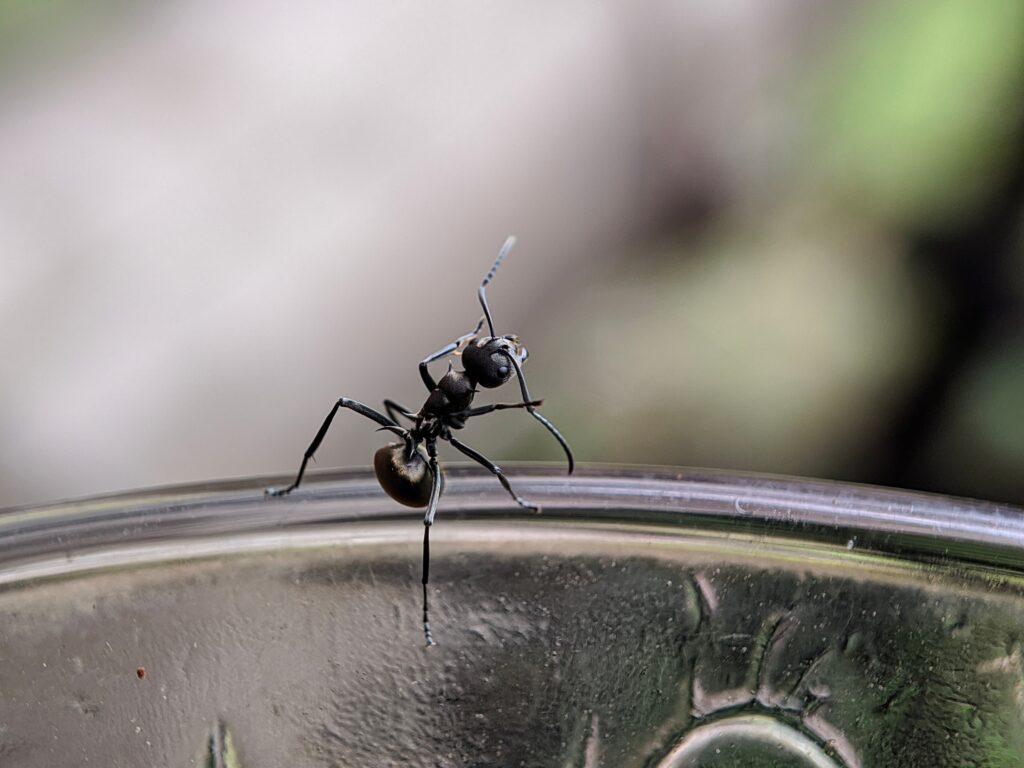
Ants in North Carolina can create costly problems when early signs are missed. Learn what to look for, why it matters, and when to call Proforce.
Key Takeaways About Ant Types in North Carolina
- North Carolina homeowners may encounter several ant species, and telling them apart starts with noting size, color, nesting habits, and whether they forage indoors or outdoors.
- Some ants are primarily a nuisance when they enter homes searching for food or water, while others can damage wood by tunneling through it for nesting.
- Correct identification matters because different ant types call for different control approaches, and treating the wrong species the wrong way can leave the problem unresolved.
- Proforce Pest Control covers ants under its general pest control plan, with local service professionals who understand the species homeowners are most likely to see.
How to Identify Ant Types in North Carolina
Telling one ant species from another can be tricky, but a few physical details go a long way. Size, color, worker uniformity, and nesting habits are the quickest clues for narrowing down what you are looking at around your North Carolina home.
How to Tell Ant Types Apart in North Carolina
Most ant problems in North Carolina come down to six species. The table below is the fastest way to narrow down what you’re looking at. Match what you’ve seen on size, color, and where it showed up, then check the last column to decide how urgent the call is.
| Species | Size | Color | Where to look | Risk | Sting |
|---|---|---|---|---|---|
| Carpenter ant | 1/4–1/2″ | Black, sometimes with red-orange patches | Damp or decayed wood: wall voids, structural timbers, stumps near the house | Structural wood damage from hollowed-out nesting galleries | No |
| Red imported fire ant | 1/16–1/4″ | Reddish brown body, darker abdomen | Sunny yards, parks, and playgrounds, building dome mounds | Painful, swarming sting when the mound is disturbed | Yes |
| Acrobat ant | ~1/8″ | Light brown to black, heart-shaped abdomen raised over the body | Wall voids indoors; outdoors under stones, in stumps, and dead wood | Nuisance trailing indoors; can bite and emit a foul odor if disturbed | No |
| Odorous house ant | ~1/8″ | Dark brown to black | Indoors near moisture; outside under leaf litter, mulch, and tree bark | Food contamination; rotten-coconut smell when crushed | No |
| Argentine ant | ~1/8″ | Light to dark brown | Interconnected outdoor nests in mulch and landscaping; trails indoors in winter | Nuisance foraging in huge multi-queen colonies | No |
| Little black ant | ~1/16″ | Jet black, shiny | Wall voids and cracks; thin trails along counters and baseboards | Food contamination; mild sting if handled | Yes |
If what you’re seeing doesn’t match any row cleanly, that’s usually a sign you’re dealing with more than one species at once. A pro can confirm before you start treating the wrong colony.
Carpenter ants are among the easier species to recognize. According to Texas A&M AgriLife Extension, these large ants measure 1/4 to 1/2 inch and appear solid black, brown, or black with red-orange patches. They have single pedicels, smooth curved thoraxes, and variable worker sizes. Odorous house ants, by contrast, are a native species that shares many habits with Argentine ants. Colony structure also varies across ant species: some colonies contain just one queen while others have multiple queens.
How to Spot Ant Activity Inside Your North Carolina Home
Acrobat ants occasionally invade homes, and while they present minimal nuisance compared to other ant species, they can still generate complaints when present. If you notice small trailing ants in your kitchen or along baseboards, look closely at body shape and movement patterns. Carpenter ants are predominantly nocturnal, so you may spot them during evening hours following linear pathways.
Where Ant Activity Shows Up Around North Carolina Homes
Nests are the main indicator of an established colony. Acrobat ants nest under stones, in stumps, or in dead wood, and some species make nests in trees. Foraging acrobat ant workers tend aphids and other sucking insects outdoors, feeding on the honeydew those insects produce. Carpenter ants follow consistent trails along fences and branches, which can lead you back to a nest site.
Exterior Entry Points Ants Use Around North Carolina Homes
Several ant species nest in similar outdoor sites. According to Mississippi State University Extension, one common outdoor species nests in locations comparable to those used by Argentine ants and odorous house ants. Tree branches, stumps, and stones near your foundation can all harbor nests that eventually push foraging workers toward interior spaces. Watching where trail lines meet your exterior walls is one of the most reliable ways to trace ants back to their source.
Why Ant Problems Develop in North Carolina
Ant colonies thrive when they find reliable food sources and sheltered nesting spots around a property. Understanding where ants nest, what draws them closer, and how they move can help you recognize early signs of activity before colonies grow.
Outdoor Nesting Areas for Ants Around North Carolina Homes
Several ant species build colonies in protected outdoor spots close to structures. According to Mississippi State University Extension, odorous house ants form relatively small, inconspicuous nests under leaf litter, mulch, and tree bark. A single colony usually has many interconnected nest sites, and some of those sites may be located indoors. Argentine ant colonies follow a similar pattern, typically maintaining dozens of smaller, interconnected nests rather than one large mound.
Carpenter ants take advantage of preexisting soft, weak wood to establish their colonies. They do not harm healthy trees but instead move into wood that is already compromised. These colonies are organized by castes, with various sizes of workers and an egg-laying queen performing different functions.
Food and Shelter That Attract Ants Around North Carolina Homes
Carpenter ants may forage indoors searching for food or water. Their food preferences are complicated, and they may not be attracted to common ant-bait food sources. That can make them harder to address with store-bought products. Other ant types are drawn to accessible food sources around kitchens and living spaces, behaving as nuisances in the same way any foraging ant does once it finds a reliable path indoors.
How Ants Move Around North Carolina Homes
Ant colonies can expand quickly when conditions are favorable. Because each Argentine ant colony may contain several queens, populations can become huge in some areas. Colonies with many interconnected nest sites can spread across a property, with workers traveling between outdoor and indoor nesting spots as they search for food and water.
Ant Trails and Entry Points Around North Carolina Homes
Foraging ants follow consistent trails between their colonies and food sources. Treating the problem requires locating all colonies both in and near the house, since a partial approach may leave active nests in place. Watching where ant trails lead can help you identify nesting areas and understand the scope of colony activity around your home.
Risks From North Carolina Ants
Not every ant in North Carolina poses the same type of risk. Some species sting, others bite, and a few can damage the structure of your home. Knowing which pests you are dealing with helps you understand what is actually at stake.
Health Risks Linked to North Carolina Ants
Red imported fire ants inflict a painful sting and are among the most concerning ant pests in a yard. According to the University of Georgia pest guide, these ants build mounds in sunny, disturbed habitats such as yards, parks, and playgrounds. Displaced colonies are usually agitated and sting in large numbers.
Little black ants can also sting, but according to Mississippi State University Extension, the sting is relatively minor compared to fire ants. Argentine ants do not sting at all. Black carpenter ants lack a stinger but can bite and spray formic acid as a defensive response.
Property Damage From Ants in North Carolina
Carpenter ants are the primary property concern. Though they bite rather than sting, they hollow out wood in trees, doors, boxes, and building structures. Unlike pests that leave surface-level signs, carpenter ants work from the inside out, which can make early detection harder for homeowners.
Fire ant mounds can also disrupt yards and outdoor spaces. These mounds appear in sunny, open areas and can become a recurring issue across lawns and landscaping.
Food Areas and Ant Activity in North Carolina Homes
Foraging worker ants leave the nest and seek foods such as insects, decaying fruit, and honeydew. When these foraging workers enter a home, they can be a nuisance in kitchens and anywhere food is accessible. Some species, like Argentine ants and odorous house ants, do not sting but still trail indoors in steady numbers looking for resources.
When to Look Closer at Ant Activity in North Carolina
A few ants in a doorway may not seem urgent, but the type of ant matters. Fire ants that deliver painful stings pose a different concern than nuisance pests that trail across a counter. Carpenter ants hollowing out wood in your home deserve attention for a completely different reason. Identifying the species is the first step toward understanding the actual risk to your household.
Professional Pest Control for Ants in North Carolina
Identifying which ants are active around your home is the first step toward the right control approach. Carpenter ants hollow out wood to form nests rather than consuming it, so they require a different strategy than Argentine ants that move indoors during winter to escape cold temperatures. A professional pest control plan accounts for these differences and targets each species where it lives and forages.
How to Reduce Attractants for Ants in North Carolina
Small changes around your property can make a noticeable difference in ant activity. Wood piles are common carpenter-ant nest locations, so keep firewood and lumber away from your buildings. Stacked logs against a wall or near a foundation give carpenter ants a convenient bridge into structural wood.
Moisture problems also draw ants indoors. Replacing rotted wood and correcting sources of excess moisture removes the conditions carpenter ants look for when choosing a nesting site. Argentine ants, which are not native to the United States, can be difficult to control in winter as they seek warmth inside your home, according to the University of Georgia pest guide. Reducing entry points around doors, windows, and foundation gaps helps limit indoor access.
Why Ant Control in North Carolina Starts With Inspection
Carpenter ants burrow into dead portions of standing trees, stumps, logs, or under fallen logs and stones. They also nest in structural timbers if they find suitable conditions. Because their nests can be hidden inside wall voids or decayed wood, an inspection that covers wall voids, decayed wood, and exterior nesting sites is essential before any control work begins.
Acrobat ants present a similar challenge. When they are found indoors in wall voids, locating the exact nesting area guides where treatment should be applied. Skipping the inspection step often means missing the nest entirely, which leaves the underlying problem in place.
What to Expect During Professional Ant Treatment in North Carolina
According to the University of Minnesota Extension, the best way to control carpenter ants is to locate and destroy the nest, replace damaged or decayed wood, and address any moisture problems. This approach targets the source rather than just the visible foragers.
For acrobat ants nesting in wall voids, a pest control professional can apply treatment directly into the void where the colony is active. While carpenter ants usually are not as serious as termites, they can weaken building structures over time, so prompt attention matters. Carpenter ants differ from termites because they do not consume wood but simply hollow it out to form nests.
What to Expect From a North Carolina Ant Control Plan
A structured ant control plan pairs the initial treatment with the prevention steps that keep ants from returning. Proforce Pest Control service professionals focus on locating nests, correcting the conditions that attracted the colony, and following up on a recurring basis. Proforce covers ants under its General Pest Control plan alongside other common household pests.
Each Proforce branch brings local knowledge of the service area, backed by the Proforce Guarantee and a 92.5 NPS score across more than 23,000 reviews. Done Right. Every Time.
Bottom Line on Ant Types in North Carolina
Knowing which ant you are looking at helps you understand what it needs and where it may be nesting. Some species tunnel into wood, some trail along kitchen counters searching for moisture, and others build mounds outdoors that you may step on before you see them. Correct identification is the first step toward the right response. If you are unsure what is trailing through your home, reach out to Proforce Pest Control for a closer look.
How Can I Tell Carpenter Ants Apart From Other Ants?
Carpenter ants are among the larger ants you may find indoors. They nest inside wood rather than eating it, hollowing out galleries for their colonies. If you notice coarse debris near wooden structures, carpenter ants may be present.
Why Do Ants Come Inside During Winter?
Some ant species that are not native to the United States, such as Argentine ants, move indoors in winter to escape cold temperatures. Warm interior spaces provide shelter and access to food and water.
Do All Ants in North Carolina Sting?
Not all species sting. Red imported fire ants are known for a painful sting and build mounds in sunny, disturbed areas. Other species you may encounter indoors are primarily a nuisance rather than a stinging risk.
Should I Handle an Ant Problem on My Own?
Small trailing lines may respond to basic cleanup, but some species nest in hard-to-reach locations such as wall voids or wood. When nests are difficult to locate or the colony keeps returning, a pest control professional can assess the situation and identify the species involved.