
Rodents in North Carolina can create costly problems when early signs are missed. Learn what to look for, why it matters, and when to call Proforce.
Key Takeaways About North Carolina Rodents
- Rodents such as rats and mice can cause property damage and pose health concerns for homeowners, making early identification important.
- Roof rats and Norway rats behave differently, so recognizing which type of rodent you are dealing with helps guide the right control approach.
- Sealing entry points and reducing access to food and nesting materials are key steps in keeping rodents out of your home.
- Proforce Pest Control offers rodent control services backed by a re-treat guarantee on every service, with wildlife exclusion jobs carrying a 1-year warranty.
How to Identify North Carolina Rodents
Knowing which rodent species you are dealing with is the first step toward addressing the problem. Mice and rats share some traits, but the differences in where they nest and how they move through your home can help you identify them and understand where to look for signs of activity.
How to Tell Rodent Types Apart in North Carolina
The most common commensal rodents in homes are mice and rats. House mice can be mistaken for other small rodents inhabiting buildings and surrounding areas, so paying attention to key differentiating features helps separate house mice from similar species. Size, droppings, and nesting location are among the most reliable ways to tell them apart.
According to Texas A&M School IPM, different rat species have distinct behaviors. Roof rats climb and nest above ground in attics and trees, while Norway rats burrow near foundations and can travel up to 150 feet from their nests. Recognizing these patterns helps you narrow down which species may be present in your North Carolina home.
How to Spot Rodent Activity Inside Your North Carolina Home
Droppings are one of the first signs homeowners notice. You may find them near food storage areas, in drawers, cupboards, and under sinks. The size of the droppings can indicate what type of rodent is present. Small, dark, seed-shaped droppings typically point to mice, while larger droppings suggest rats.
Other interior signs include runs on drywall or countertops from rodents repeatedly traveling the same trails. Scratching or scurrying sounds in walls and under floorboards are also common indicators. Strange pet behavior, such as barking at nothing or pawing under furniture, may point to rodent activity as well.
Where Rodent Activity Shows Up Around North Carolina Homes
Since roof rats nest above ground in attics and trees, attic spaces are a frequent area of activity. Look for discolored running trails from oils that rub off rodent fur. A musty urine odor in the attic is another strong indicator. Norway rats, on the other hand, tend to burrow near foundations, so activity around the base of your home is worth checking.
Exterior Entry Points Rodents Use Around North Carolina Homes
Holes in walls and floors can serve as entry points for rodents. Mice are small enough to squeeze through narrow gaps and cracks. Some of the most common ways they get in include through the garage, siding holes, foundation cracks, and gaps around doors and windows.
Poorly sealed AC entry points and holes along the fascia are also frequent access areas. Roof rats can climb trees and travel along power lines to reach rooftops, where they may enter through vents or other openings. Checking these areas around your North Carolina home helps you understand where rodents may be getting inside.
Why Rodent Problems Develop in North Carolina
Rodent problems around North Carolina homes typically start outside and move inward. The house mouse is one of the most adaptable rodent species worldwide, thriving in diverse habitats and maintaining a strong association with human settlements. Understanding what draws rodents closer to your property helps you recognize risk before an issue takes hold.
Outdoor Nesting Areas for Rodents Around North Carolina Homes
Several rodent species live across the United States, and certain non-native species can pose problems when they settle near homes. Yards with accessible shelter give rodents a foothold. According to Texas A&M School IPM, rodents nest near warm food sources, so any outdoor area that offers both warmth and something to eat can become a starting point for activity around your property.
Food and Shelter That Attract Rodents Around North Carolina Homes
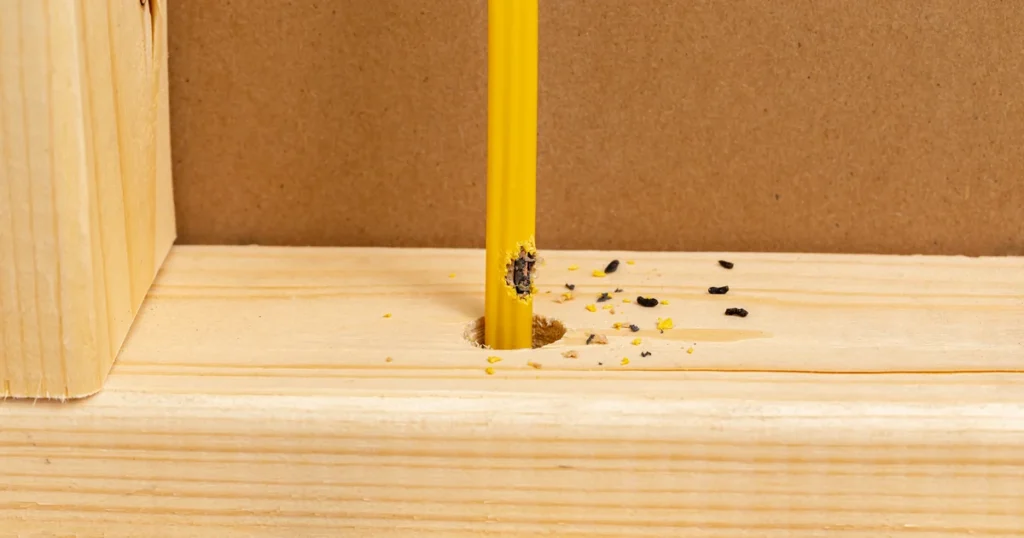
Rodents are drawn to accessible food. Gnaw marks on food packaging are a common sign that rodents have found a food supply inside your home. Rodents may also stash nuts or pet food in wall voids, building hidden caches that sustain them over time. Mice can even compromise storage containers designed for food protection. Removing accessible food sources that attract rodents is one of the most practical steps you can take.
How Rodents Move Around North Carolina Homes
Rodents create substantial annual damage to property, crops, and food supplies throughout America. They follow consistent travel routes as they move between nesting areas and food. According to Texas A&M School IPM, signs of activity appear along walls, foundations, pipes, and electrical conduits. Grease marks, which are dark oil stains from rats rubbing against surfaces, often show up along these paths and reveal how rodents navigate through a structure.
Trails and Entry Points Rodents Use in North Carolina
Rodents can enter through poorly sealed AC entry points, gaps around doors and windows, foundation cracks, siding holes, or through the garage. Roof rats may also enter through the ridge of the roof or holes along the fascia. Sealing holes and gaps in your home and garage is a key step in preventing rodent entry. Droppings, pilfered food, and gnaw marks near these routes often confirm where rodents are traveling and how they gained access.
Risks From North Carolina Rodents
Rodents that find their way into a North Carolina home can introduce a range of concerns beyond the nuisance of scratching sounds in the walls. The risks span disease exposure, structural and property damage, and contamination of the spaces where you store and prepare food. Understanding what these pests can do helps you recognize problems early.
Health Risks Linked to North Carolina Rodents
Rodents can transmit diseases to humans and pets. Deer mice have been linked to hantaviruses in other U.S. regions, and according to Missouri Department of Conservation, the disease is fatal in about 36 percent of cases. Deer mice also associate with plague and Lyme disease transmission. Safely cleaning rodent droppings and nesting material with a disinfectant or a bleach-and-water mixture is important to reduce exposure.
Although plague is a disease rats can carry, it is rarely found in commensal rodent species. Commensal rats and mice do not carry or transmit rabies, as UC IPM notes. Still, the diseases rodents may spread make any sign of activity worth investigating without delay.
Property Damage From Rodents in North Carolina
Rodents can cause trouble well beyond the walls of your home. They frequently target vehicle engines, gnawing on the insulative sheaths of engine wires. This can lead to malfunctions and expensive mechanical repairs. If you park in an attached garage or near your home, your vehicles may be at risk alongside the structure itself.
Food Areas and Rodent Activity in North Carolina Homes
Rats are capable of contaminating food supplies, which makes kitchens, pantries, and any area where food is stored a prime concern. Once rodents access these spaces, the food they contact may no longer be low-risk for your household. Keeping an eye on packaging for gnaw marks or droppings helps you catch the problem before contamination spreads further.
When to Look Closer at Rodent Activity in North Carolina
Droppings, a musty urine smell, or scratching and scurrying sounds in walls and under floorboards are all signs that warrant a closer look. Because these pests can transmit diseases and damage property, acting on early warning signs is worth the effort.
Professional Pest Control for Rodents in North Carolina
Dealing with rodents in North Carolina often means addressing more than the animals themselves. Rodent nests can harbor pantry insects that may migrate into your living spaces, and rodent mites can occasionally disperse and bite humans when their animal hosts are removed. A structured approach that covers prevention, inspection, and treatment gives you the best chance of resolving the issue and its secondary effects.
How to Reduce Attractants for Rodents in North Carolina
Rats are most active at dusk and travel at night to reach food and water sources. Limiting what draws them toward your home is a practical first step. Seal all food in sturdy containers and put away uneaten pet food. Clean up spills as they happen and get cardboard out for recycling as soon as possible, since cardboard boxes can serve as nesting material.
Remove tree branches or bushes within three feet of your foundation. Do not store blankets or fabrics in unsealed bins or flimsy plastic bags. Use heavy-duty storage bins instead. These steps reduce both food access and the nesting material rodents rely on.
Why Rodent Control in North Carolina Starts With Inspection
According to Texas A&M School IPM, mice typically forage within 30 feet of their nests, so intensive searching near activity signs often reveals nests in wall voids, cardboard boxes, heating units, and appliances. That short foraging range means signs of activity point directly to the source.
Norway rat burrows appear in soft soil, eroded areas, or where hard surfaces meet soil. Their entry holes tend to be clean and smooth and may show grease marks. Roof rats favor elevated locations including attics, walls, tree tops, and vine-covered structures. Proforce service professionals inspect attics, under homes (with a crawl bot if needed), and on top of roofs with drones to cover every potential harborage.
What to Expect During Professional Rodent Treatment in North Carolina
A Proforce rodent service begins with placing four bait stations around your home based on evidence such as droppings, tracks, and nests. Service professionals use evidence such as droppings, tracks, and nests to position stations in the most productive locations. In the attic, they look for running trails, visible chewing damage on AC conduits, and a musty urine smell that often confirms a rodent issue.
A dust applicator delivers a thin layer of dust toward the four corners of the attic with a dust applicator, and Maki Paks are placed on either side of the AC unit to redirect chewing away from wires. Baited glue traps and snap traps handle rodents still moving indoors. For burrowing rodents, an IGI CO2 burrow option is available at additional cost.
Removing the rodents themselves also matters because rodent mites normally infest their animal hosts but can occasionally disperse and bite humans. According to Texas A&M AgriLife Extension, these mites cannot survive without their natural hosts, so professional control paired with host removal addresses both problems at once.
What to Expect From a North Carolina Rodent Control Plan
When ongoing exclusion is needed, a Proforce wildlife crew performs a detailed exterior inspection, photographs problem areas, and outlines what needs to be sealed, caulked, or replaced. Exterior exclusion uses cement or steel applied to openings a quarter-inch or larger. Attic exclusion may include wire mesh around fascia, whirly bird vents, and the base of the home.
Every rodent service carries a re-treat guarantee. Wildlife exclusion jobs include a one-year warranty against the animal they were originally set in place for. If rats flee during the initial exclusion and the home is sealed while they are outside, the trapping program may not catch any inside, but regular service and bait contact over up to two weeks can address remaining activity.
Bottom Line on Rodents in North Carolina
Rodents can show up in any North Carolina home, and catching the signs early helps you stay ahead of the problem. Watch for droppings, gnaw marks on food packaging, or unusual scratching sounds. Sealing gaps around your home, storing food in sturdy containers, and removing accessible attractants are practical first steps. When rodents have already moved in, a professional inspection can pinpoint entry points and guide the right response.
Frequently Asked Questions About Rodents in North Carolina
How Do Rodents Get Inside a Home?
Rodents can squeeze through surprisingly small openings. Roof rats may climb trees or travel along power lines to reach roof vents and fascia gaps.
What Are the First Signs of a Rodent Problem?
You may also notice gnaw marks on food packaging, scratching or scurrying sounds in walls, or small holes chewed in food bags. Pets acting unusually, such as barking at walls or pawing under furniture, can also signal rodent activity.
Why Are Traps Not Catching Anything?
Rats in particular can be trap shy and may avoid traps until placement or bait is adjusted. During exclusion work, rodents sometimes flee the home before traps are triggered. With ongoing service, bait stations can make rodents more likely to encounter traps over time. Proforce warranties the service, so continued activity is covered.
What Can I Do to Prevent Rodents Around My Property?
Seal holes and gaps around your home and garage, especially where utilities enter. Store food in sturdy containers, put away uneaten pet food, and clean up spills right away. These steps reduce both food sources and nesting opportunities.