
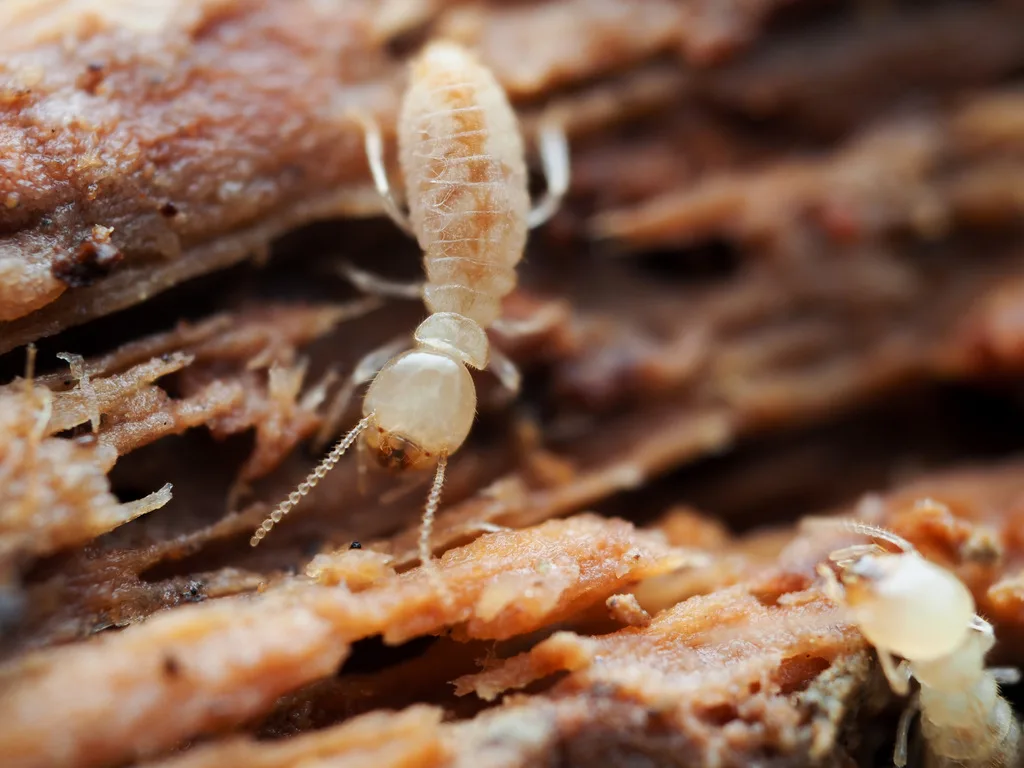
Termite Protection in South Carolina can cause costly problems when early signs are missed. Learn the signs, risks, and when to call Proforce.
Do You Need Termite Protection in South Carolina?
Yes. Every home without preventative termite protection will eventually face termites. South Carolina homeowners who wait for visible signs of activity often discover damage that has been building undetected, so a proactive approach is worth serious consideration.
Termite protection starts with understanding what you are up against. Subterranean termites are the primary concern for most homes, and an inspection can reveal whether conditions around your property favor an infestation. Knowing what to look for, and having a trained eye confirm it, helps you make a confident decision about next steps.
Throughout this guide, you will find details on how to identify termite activity, the risks termites pose to your home, and the treatment methods Proforce Pest Control uses to keep subterranean termite colonies from causing costly damage. Whether you are buying a new house, maintaining an existing one, or simply weighing your options, the information ahead will help you decide what level of protection makes sense.
How to Identify South Carolina Termites
Knowing what to look for can help you catch termite activity before it goes unnoticed for months. Proforce treats subterranean termites, the type most likely to affect South Carolina homes. Below are the signs that matter and where to find them.
How to Tell Termite Types Apart in South Carolina
Subterranean termites feed in a way that leaves a distinctive pattern in wood. They generally follow the grain, attacking the softer springwood while leaving the harder summerwood behind. According to UC IPM, this creates a layered, almost honeycomb-like look inside damaged wood.
That feeding pattern is one of the clearest ways to tell subterranean termite damage apart from damage caused by other species. Many times this distinctive wood-damage pattern alone can confirm subterranean termite activity.
How to Spot Termite Activity Inside Your South Carolina Home
Inside your home, look for signs of damage in exposed wood. Subterranean termites consume softer layers and leave harder wood intact, so damaged wood may appear grooved or rippled along the grain. You might notice this when pressing on baseboards, door frames, or other wood surfaces.
Some species deposit light-brown excrement within cavities in the wood. If you spot small accumulations of light-brown material inside hollowed-out areas, that can be another sign of termite activity worth investigating further.
Where Termite Activity Shows Up Around South Carolina Homes
Mud tubes are one of the most recognizable signs of subterranean termites. These pencil-width tunnels run along surfaces and connect the colony to its food source. If you break a tube open, you may see live workers and soldiers running through it.
Check along your foundation walls, crawl space supports, and any wood that contacts the ground. Mud tubes in these areas are a strong indicator that termites are actively moving between the soil and your home’s structure.
Exterior Entry Points Termites Use Around South Carolina Homes
Subterranean termites reach your home from the soil. Their mud tubes can appear along the exterior foundation, running upward toward wood framing. Because these tubes are often narrow and soil-colored, they can be easy to miss during a quick glance.
Routine checks around the outside of your foundation give you the best chance of catching activity early. Look for intact or broken tubes, and remember that an open tube does not always mean termites have left. Fresh signs of workers or soldiers inside the tubes confirm ongoing activity.
Why Termite Problems Develop in South Carolina
Subterranean termites live in the soil and forage into structures to access wood. That basic biology means any home with a foundation touching the ground sits within reach. Because subterranean termites nest in soil and forage into nearby structures, any home with wood and ground contact can be at risk, and understanding how these pests find your home helps explain why protection matters.
Outdoor Nesting Areas for Termites Around South Carolina Homes
Because subterranean termites nest in the soil, any ground surrounding your home can harbor a colony. According to the University of Georgia termite guide, these termites excavate galleries in wood as they consume it, sometimes leaving only a thin wooden exterior. The colony stays hidden underground and sends workers outward to locate food sources, including the wood in nearby structures.
The Formosan subterranean termite, an invasive species native to China, also nests in soil. Formosan colonies tend to have a larger proportion of soldiers, with soldiers making up about 15 percent of the colony compared to less than 5 percent in eastern subterranean termite colonies.
Food and Shelter That Attract Termites Around South Carolina Homes
Wood is the primary draw. Subterranean termites forage from the soil into structures to reach it. Any wood in contact with or close to the ground gives foraging workers a pathway to a reliable food source. Once inside, they can consume wood extensively while leaving the outer surface intact, making the damage hard to spot without an inspection.
How Termites Move Around South Carolina Homes
Subterranean termites spread to new areas through swarming. According to the University of Georgia termite guide, native subterranean termite species begin swarming in January and are mostly finished by early June. These swarms typically occur in the morning or early afternoon, and the swarmers are not attracted to lights. Swarms of winged reproductives can also appear in summer or fall.
Formosan termite swarmers are larger, measuring about half an inch with wings included, and have a caramel-colored body with tiny wing hairs visible only under magnification. Native subterranean swarmers are smaller, typically black, and measure about 1/4 to 3/8 inch in body length.
Trails and Entry Points Termites Use in South Carolina
Subterranean termites build shelter tubes to travel between the soil and your home’s wood. These mud tubes protect workers from open air as they move along foundation walls and other surfaces. Signs of an infestation include the presence of these shelter tubes, evidence of tunneling in wood, and swarms of winged reproductives near the structure.
Because the damage often stays concealed behind a thin layer of intact wood, a problem can develop for a long time before you notice visible evidence. Regular inspections give you a clearer picture of what is happening around your home’s foundation.
Risks From South Carolina Termites
If you own a home in South Carolina, termite protection is worth serious consideration. Subterranean termites can cause damage to wood in your home’s structure, and the longer they go unnoticed, the more costly that damage can become. Understanding the risks helps you decide whether preventative coverage makes sense for your property.
Structural Risks From South Carolina Termites
Subterranean, drywood, and dampwood termites all cause damage to wood, according to UC IPM. For South Carolina homeowners, that means framing, support beams, and other wooden structural components are at risk. Because termites feed from the inside out, the exterior of a board can look intact while the interior is hollowed or weakened.
Termites often enter structures far from the point where they are discovered, as Texas A&M AgriLife Extension notes. This means visible damage in one area may signal a much broader problem behind walls or beneath floors you cannot inspect without professional access.
Hidden Termite Damage in South Carolina Homes
One of the biggest challenges with termites is that damage often stays hidden until it becomes extensive. Workers build earth-hardened tubes using saliva mixed with soil and bits of wood or even drywall. These shelter tubes let colonies move between the soil and your home’s structure without exposing themselves.
Because activity can remain concealed for a long time, regular inspections are an important part of protecting your home. By the time you notice soft spots in flooring or warped trim, the underlying damage may already be widespread.
Belongings and Moisture Risks From South Carolina Termites
Termites do not limit their damage to structural lumber. They can damage wood in many forms throughout a home. The shelter tubes they construct may incorporate bits of drywall, which means their pathways can extend across surfaces you would not associate with a wood-destroying pest.
Moisture plays a role as well. Subterranean termites rely on soil contact and damp conditions, so areas of your home where moisture accumulates can become entry points.
When a Termite Problem in South Carolina Needs Action
A spot treatment may cost less upfront, but it carries risks. Limited warranties from spot-only approaches may require additional payments if termites appear elsewhere in your home later. Comprehensive treatments typically offer better long-term value.
Every home without preventative termite treatment will eventually have termites. If you notice mud tubes, wood damage, or swarming insects near your foundation, those are signs that warrant a closer look sooner rather than later.
Professional Pest Control for Termites in South Carolina
Protecting your home from termites in South Carolina is worth taking seriously. Prevention and proper treatment can help you identify and guard your property before infestations develop. Understanding what goes into inspection, reducing conducive conditions, and choosing the right treatment strategy puts you in a stronger position as a homeowner.
How to Reduce Attractants for Termites in South Carolina
Reducing conditions that attract termites is a practical first step you can take on your own. Moisture control matters. According to Oregon State University Solve Pest Problems, treatments for subterranean termites won’t work well unless sources of moisture are removed and damaged wood is repaired. Addressing these conditions before or alongside any treatment helps the overall approach succeed.
Homeowners can replace termite-damaged wood and correct conditions conducive to subterranean termite infestations on their own. However, the treatment side of the equation requires professional involvement. Pairing your own upkeep with a professional termite control plan gives your home layered protection against infestations.
Why Termite Control in South Carolina Starts With Inspection
It is important for homeowners to have some familiarity with inspection procedures, reduction of conducive conditions, and treatment strategies. Knowing what a trained professional looks for during an inspection helps you understand the scope of the work and why certain treatment steps are recommended.
Proforce service professionals perform an exterior inspection, checking for termite activity and conditions that may invite infestations. This step shapes the treatment plan and determines where bait stations or other methods should be placed. Every home that doesn’t have preventative termite treatment will eventually have termites, so routine inspections are a core part of any ongoing plan.
What to Expect During Professional Termite Treatment in South Carolina
There are different types of termite treatments available. The products used for the prevention or treatment of termite infestations are called termiticides and must demonstrate the ability to provide structural protection before they are registered. In most cases, according to the EPA, only a trained pest management professional can perform the termiticide application correctly.
Proforce uses the Trelona Advanced Termite Bait System, manufactured by BASF. Each station comes pre-loaded with bait cartridges and is installed in the soil around your home’s perimeter approximately every 10 to 20 linear feet. The system uses an active ingredient that, when consumed, prevents termites from molting. Worker termites consume the bait and bring it back to other colony members.
Proforce also offers termiticide foundation trenching, which creates a barrier around the foundation. This barrier has a transfer effect that allows termites to spread the termiticide to each other. Each liquid application lasts approximately five years, at which time switching to the Trelona bait system is recommended.
What to Expect From a South Carolina Termite Control Plan
Applications of registered termiticides are regulated at the federal and state level and require a licensed pest control professional to carry out the inspection and control program. This is not a do-it-yourself task. A structured plan from a qualified provider keeps your home monitored over time, not just treated once.
Proforce’s termite protection service covers subterranean termites. The service begins with preparation and pre-service communication, followed by station installation and ongoing monitoring. Stations are inspected annually and refilled as needed, with additional visits available if issues arise. Proforce’s termite protection program is charged monthly and includes ongoing annual termite renewal treatments.
Bottom Line on Termite Protection in South Carolina
Yes, termite protection is worth having for a South Carolina home. Subterranean termites can cause structural damage that is not always obvious until it has progressed, and preventive treatment is the most practical way to stay ahead of that risk. An exterior inspection can reveal conditions that invite termites, and a bait-station or liquid-barrier program can address the threat before damage starts. If you do not currently have a termite plan in place, contact Proforce Pest Control to schedule an inspection and learn which option fits your property.
Frequently Asked Questions About Termite Protection in South Carolina
Do All Homes in South Carolina Need Termite Protection?
Every home without preventive termite treatment can eventually face termite activity. Subterranean termites are the primary concern for most residential properties, and a proactive plan is the most reliable way to guard against hidden damage over time.
What Does a Termite Inspection Look For?
A service professional examines the exterior of your home for signs of termite activity and conditions that may attract subterranean termites. The goal is to catch warning signs early and determine whether a preventive or active treatment plan is appropriate.
How Does Proforce Protect Against Termites?
Proforce offers bait stations installed around your home’s perimeter and liquid termiticide foundation trenching. Bait stations target foraging termites by preventing them from molting, while a liquid barrier keeps subterranean termites from reaching the structure. Your service professional can recommend the right fit during an inspection.
Is Preventive Treatment Worth the Cost if I Have Not Seen Termites?
Termite damage often builds out of sight, so waiting for visible signs can mean repairs are already needed. A preventive program is designed to intercept termites before they reach your home, which can help you avoid the cost and disruption of structural repairs later.