
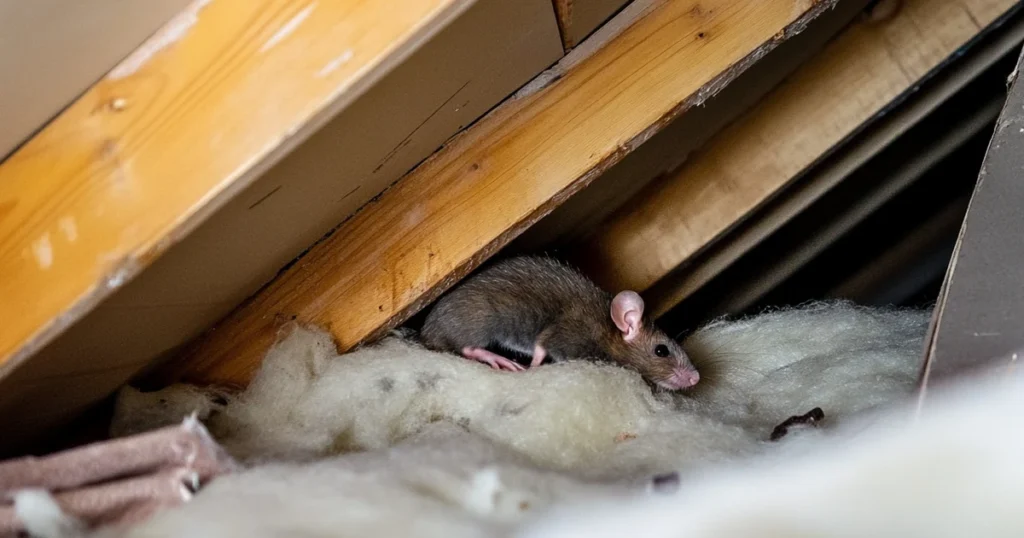
Rats in North Carolina can create costly problems when early signs are missed. Learn what to look for, why it matters, and when to call Proforce.
Key Takeaways About North Carolina Rats
- Norway rats and roof rats are the two species North Carolina homeowners may encounter, and each one nests in different areas around a property.
- Rats can pose risks to both your home’s structure and your household’s well-being, so early identification of activity matters.
- Prevention focuses on reducing access points and attractants, while control strategies should match the species involved.
- Proforce Pest Control offers rodent control and removal backed by the Proforce Guarantee, with local service professionals who understand your area.
How to Identify North Carolina Rats
Knowing which rat species you are dealing with is the first step toward addressing the problem. Two species account for most residential rat activity: the roof rat and the Norway rat. Each species has distinct nesting habits, preferred locations, and behaviors that can help you figure out what is happening in or around your North Carolina home.
How to Tell Rat Types Apart in North Carolina
According to Texas A&M School IPM, different rat species have distinct behaviors. Roof rats climb and build nests above ground in attics and trees. Norway rats burrow near foundations and can travel up to 150 feet from their nests. Recognizing this difference matters because the species determines where you should look for activity and how a service professional approaches the situation.
Trap placement also depends on the species. For Norway rats, traps work best close to walls, behind objects, in dark corners, and in places where droppings have been found. Understanding which species is present helps you or a service professional focus on the right areas.
How to Spot Rat Activity Inside Your North Carolina Home
Roof rats that get into attics may cause considerable damage through gnawing and nest-building activities. As UC IPM notes, both species may chew directly on natural gas lines, creating explosion and fire hazards. Gnawing on electrical wiring can also present safety concerns, including sparks and fires.
Rats build nests in crawl spaces, attics, and walls. They may use dry wood, water-damaged wood, and insulation as nesting material. Finding shredded insulation or chewed wood in these areas can point to an active nesting site.
Where Rat Activity Shows Up Around North Carolina Homes
Norway rats tend to burrow near foundations, so look for disturbed soil or holes along the base of your home. Roof rats prefer elevated spots and may nest in trees close to the structure. Old rodent burrows around the yard can also attract secondary pests. Yellowjackets, for example, commonly build nests in abandoned rodent burrows and in protected cavities such as wall and ceiling voids.
Exterior Entry Points Rats Use Around North Carolina Homes
Because roof rats climb, they can access your home through upper-level openings near the roofline. Norway rats are more likely to enter at ground level near foundations. Both species exploit gaps wherever they find them. Checking these areas regularly helps you catch activity before nests become established inside walls, attics, or crawl spaces.
Why Rat Problems Develop in North Carolina
Rats are among the most problematic rodents in residential areas, capable of contaminating food supplies and transmitting diseases to humans and pets. Understanding what draws them to your property is the first step toward keeping them out of your North Carolina home.
Outdoor Nesting Areas for Rats Around North Carolina Homes
Certain non-native rodent species pose problems for homeowners, according to the EPA. Rats can settle near foundations, along walls, and around pipes where cover is available. Roof rats are strong climbers, able to access elevated structures and move across utility lines with notable agility. These climbing abilities let them reach areas most homeowners overlook.
Food and Shelter That Attract Rats Around North Carolina Homes
Rats have strong food preferences. They favor fruits, tree nuts, berries, slugs, snails, young birds, and bird eggs. These food sources can be plentiful around North Carolina yards with fruit-bearing trees or garden beds. Stored food messes inside garages, sheds, or kitchens also provide easy food sources for rats and mice.
Rodents create substantial annual damage to property, crops, and food supplies across America. The combination of accessible food and nearby shelter is often enough to keep rats returning to the same property.
How Rats Move Around North Carolina Homes
Rats are most active at dusk and travel at night to reach food and water sources. Roof rats can routinely travel 300 feet or more for food, establishing feeding territories that may cover multiple properties. That range means a rat population on a neighboring lot can affect your home as well.
Trails and Entry Points Rats Use in North Carolina
Signs of rat activity often appear along the paths they use repeatedly. Droppings, gnaw marks, pilfered food, and grease marks are common indicators. Grease marks are dark oil stains left when rats rub against surfaces. According to Texas A&M School IPM, these signs show up along walls, foundations, pipes, and electrical conduits, which are the travel routes rodents rely on to move in and around a structure.
Risks From North Carolina Rats
Rats that move into your home bring more than noise in the walls. According to the EPA, Norway rats, roof rats, and house mice are particularly problematic pests that infest homes, jeopardize public health, and cause property damage. Understanding the specific risks helps you recognize warning signs early and respond before damage accumulates.
Health Risks Linked to North Carolina Rats
Rats can carry diseases that put your household at risk. Plague is one disease rats can carry, though according to UC IPM, it is rarely found in commensal rodent species. Commensal rats and mice do not carry or transmit rabies. Even so, the presence of rats in living spaces is a public health concern that deserves attention.
Property Damage From Rats in North Carolina
Gnawing is one of the most costly behaviors rats bring into a home. Rats target electrical wires and wooden structures such as doors, ledges, corners, and wall trimmings. That persistent chewing can weaken structural components over time and create potential fire hazards from damaged wiring.
Norway rats are particularly destructive pests. Their burrowing can undermine building foundations and slabs. They gnaw on all types of materials, including soft metals such as copper and lead, as well as plastic and wood. The range of materials they damage makes almost no part of a structure off-limits.
Food Areas and Rat Activity in North Carolina Homes
Kitchens, pantries, and anywhere you store food can attract rat activity. These pests infest homes in part because of easy access to food sources. Once they settle in, they move between nesting areas and food areas repeatedly, increasing the chance of contamination across your living space.
When to Look Closer at Rat Activity in North Carolina
Fresh gnaw marks on wooden trim, doors, or corners are a strong indicator that rats are active nearby. Damage to wiring or visible burrow holes along your foundation also point to an ongoing problem. Because rats cause property damage that compounds over time, early attention matters. If you notice these signs, a closer look at your home’s vulnerable areas is a worthwhile next step.
Professional Pest Control for Rats in North Carolina
Keeping rats out of a North Carolina home takes more than a single step. A thorough approach combines removing what draws them in, inspecting where they hide, and placing the right controls in the right spots. Here is what that process looks like and how Proforce Pest Control fits in.
How to Reduce Attractants for Rats in North Carolina
Rats settle where they find shelter close to resources. Roof rats nest in enclosed, elevated spaces such as attics, wall voids, ceiling cavities, and storage cabinets. Norway rat burrows appear in soft soil, eroded areas, or where hard surfaces meet soil. Reducing access to these shelter points is a practical first move.
Trim tree branches and vines that touch your roofline, since roof rats favor tree tops and vine-covered structures. Seal gaps where entry holes appear clean and smooth, and watch for grease marks around openings. Removing ground-level cover near your foundation can also discourage Norway rat burrowing.
Why Rat Control in North Carolina Starts With Inspection
Rat species behave differently, so a thorough inspection determines which type is present and where activity is concentrated. Norway rat burrow openings along foundations and soil lines point to ground-level nesting. Roof rat signs in attics, walls, or trees point to elevated nesting activity.
These distinctions matter because station placement depends on the species. According to UC IPM, Norway rat stations belong near burrows, against walls, or along travel routes, while roof rat stations should go in elevated locations such as tree crotches, fence tops, or high in a vine. Skipping the inspection step can mean placing controls where the target species will never encounter them.
What to Expect During Professional Rat Treatment in North Carolina
Proforce service professionals tailor treatment to the species found during inspection. Station placement follows species-specific patterns, because roof rats may not enter bait stations even when stations sit along established runways. That behavioral quirk can complicate control when a one-size-fits-all approach is used.
Pet safety is also part of the plan. According to UC IPM, primary poisoning typically involves dogs eating bait directly or a combination of direct bait consumption and secondary poisoning. Best practices include keeping pets away from rodenticide baits and dead or dying rodents. Proforce service professionals account for household pets when positioning stations throughout your property.
What to Expect From a North Carolina Rat Control Plan
A Proforce rat control plan covers inspection, species-appropriate station placement, and ongoing monitoring. Norway rat stations are positioned near burrows or suspected nest sites. Roof rat stations go in elevated locations matched to the nesting habits of that species, which favors attics, walls, tree tops, and vine-covered structures.
Because rat behavior varies, your plan may be adjusted over time based on what service professionals observe during follow-up visits. Proforce covers rats under its rodent control and removal service, backed by the Proforce Guarantee and consistent, accountable service. Done Right. Every Time.
Bottom Line on Rats in North Carolina
Rats can carry diseases, gnaw through materials in your home, and leave behind droppings and grease marks that signal a growing problem. Keeping food sources cleaned up, sealing entry points, and watching for signs of activity are all steps worth taking. Request a quote at proforcepest.com to get started.
Frequently Asked Questions About Rats in North Carolina
How Do I Know If I Have Rats in My Home?
Look for droppings, gnaw marks on surfaces, and dark grease stains along walls or foundations. You may also notice pilfered food or hear movement in walls or overhead. These signs tend to appear along travel routes rats use repeatedly.
Are Rats Dangerous to My Family?
Rats have the potential to carry and transmit diseases to people and pets. They may also gnaw on wiring and other materials inside walls and attics, which can create safety concerns over time.
What Can I Do to Prevent Rats?
Cleaning up stored food messes minimizes food sources that attract rats. Seal gaps around your foundation, pipes, and conduits where rodents travel. Reducing clutter in attics, garages, and yards removes potential nesting spots.
Should I Use Traps or Call a Professional?
Traps can help with small problems, but placement matters. Different species nest and travel in different areas, so a one-size approach may miss the mark. A Proforce service professional can assess activity in your home and recommend a plan tailored to what you are dealing with.