
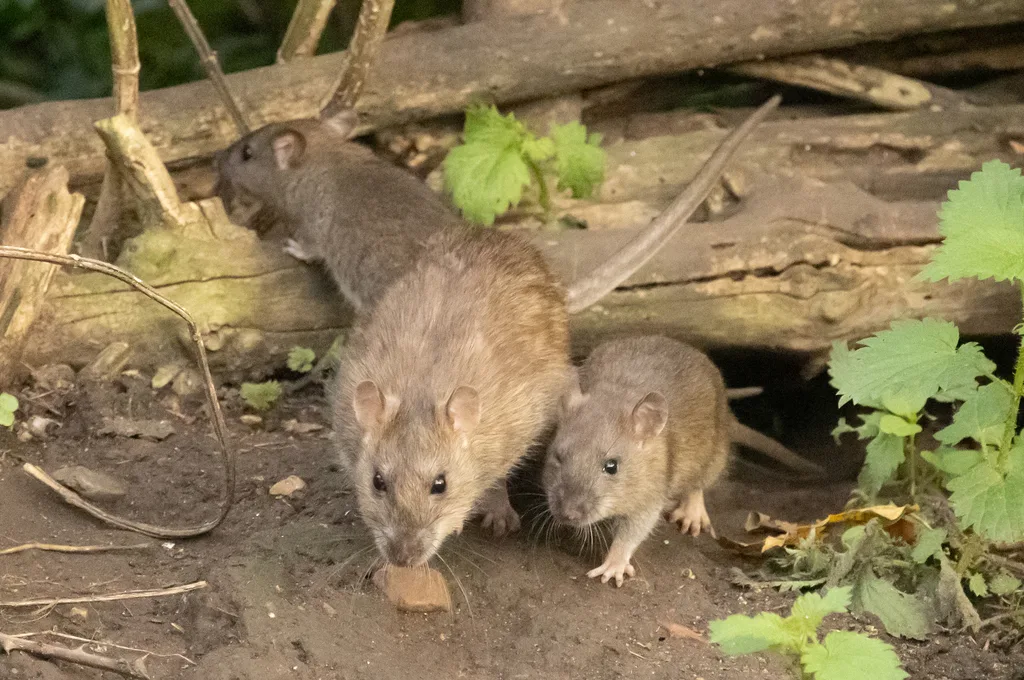
Rats in Georgia can create costly problems when early signs are missed. Learn what to look for, why it matters, and when to call Proforce.
Key Takeaways About Georgia Rats
- Georgia homeowners may encounter more than one rat species, and each one behaves differently around your home. Knowing which type you are dealing with guides every control step that follows.
- Rats can pose health concerns and cause property damage, so early signs of activity around your home deserve prompt attention.
- Proper identification, sanitation improvements, and species-specific placement of traps or stations are all part of an effective rodent control approach backed by species-level inspection data.
- Proforce Pest Control offers rodent control and removal backed by the Proforce Guarantee, with local service professionals who understand the pest pressures in your area.
How to Identify Georgia Rats
Knowing which species you are dealing with is the first step toward addressing a rat problem. Properties in much of the United States may host two primary commensal rat species: roof rats and Norway rats. Each species looks different, behaves differently, and tends to show up in distinct areas of a home. Understanding those differences helps you recognize activity early and respond appropriately.
How to Tell Rat Types Apart in Georgia
Roof rats and Norway rats are the two commensal species homeowners are most likely to encounter. According to UC IPM, one species displays a gray to white belly with a uniformly dark tail covered in fine scales. A quick size check: when that tail is pulled back over the body toward the head, it reaches at least to the snout.
Behavioral differences also help with identification. Roof rats climb and nest above ground in attics and trees, while Norway rats burrow near foundations and can travel up to 150 feet from their nests. Recognizing which species is present guides where you focus your attention around the property.
How to Spot Rat Activity Inside Your Georgia Home
Roof rats inhabiting attics may cause considerable damage due to their gnawing and nest-building activities. According to UC IPM, this gnawing can present safety concerns, including electrical sparks and fires. Both species may chew directly on natural gas lines, creating explosion and fire hazards.
Because the two species prefer different areas, the location of activity often points to the species involved. Roof rats tend toward upper levels, while Norway rats stay closer to ground-level spaces. Paying attention to where you notice disturbances narrows down what you are dealing with.
Where Rat Activity Shows Up Around Georgia Homes
Roof rats gravitate toward trees and elevated structures, while Norway rats burrow near foundations. That distinction means roof rat activity typically appears along rooflines, in attics, and around tree canopies. Norway rat activity, by contrast, tends to concentrate at ground level near the base of a structure.
If trapping is considered for Norway rats, placement works best close to walls, behind objects, and in dark corners where droppings have been found. Placement strategy differs between the two species, so correct identification matters before taking any action.
Exterior Entry Points Rats Use Around Georgia Homes
Because roof rats climb, they can access a home from overhanging branches and elevated gaps. Norway rats approach from below, taking advantage of openings at or near the foundation. Both species are persistent gnawers, so even small gaps can become entry points over time.
Checking both high and low areas of the exterior gives you the best chance of finding where rats are getting in. Matching the entry point location with the species profile helps confirm which rat you are dealing with and where to direct your attention next.
Why Rat Problems Develop in Georgia
Rats are among the most problematic rodents affecting residential areas. They can damage crops, contaminate food supplies, and transmit diseases to humans and pets. Understanding what draws them to your property is the first step toward keeping them out of your Georgia home.
Outdoor Nesting Areas for Rats Around Georgia Homes
Rats favor areas that offer both cover and access to food. Fruit trees, nut trees, and berry-producing plants provide strong food sources. According to UC IPM, rats show clear food preferences for fruits, tree nuts, berries, slugs, snails, young birds, and bird eggs. Properties with these features can become attractive nesting zones.
Food and Shelter That Attract Rats Around Georgia Homes
Accessible food is the primary draw. Stored food messes, open garbage, and unmanaged pet food all create reliable food sources for rats. Cleaning up stored food messes minimizes what rats can feed on around your home.
Pet food management is especially important. Feed your pet only the amount of food it will eat at a feeding, and keep pet food in rodent-proof containers. Reducing available food makes your property less appealing.
How Rats Move Around Georgia Homes
Rats are most active at dusk and travel at night to reach food and water sources. This nocturnal pattern means you may not see rats directly, even when they are present. Instead, look for signs of activity: droppings, pilfered food, gnaw marks, and grease marks along their travel routes.
Grease marks are dark oil stains left when rats rub against surfaces repeatedly. These stains tend to appear along walls, foundations, pipes, and electrical conduits, which are areas rodents use as consistent pathways.
Trails and Entry Points Rats Use in Georgia
Rats follow the same routes night after night, leaving visible evidence behind. Signs of infestation appear along walls, foundations, pipes, and electrical conduits. These repeated travel routes connect outdoor nesting areas to indoor food and water. Rodents create substantial annual damage to property, crops, and food supplies throughout America, and Georgia homes are no exception when conditions invite them in.
Risks From Georgia Rats
Rats that share living spaces with people can jeopardize public health and cause property damage. Norway rats and roof rats are both problematic pests that infest homes, and understanding the risks they bring helps you respond sooner rather than later.
Health Risks Linked to Georgia Rats
Rats can carry diseases, and that concern drives much of the urgency around infestations. Plague is one disease associated with rats, though according to UC IPM it is very rarely found in commensal rodent species. Commensal rats are considered extremely low risk for rabies. According to the CDC, small rodents including rats are rarely infected and have not been known to transmit rabies to humans in the United States. Still, the presence of rats in a home raises valid public health concerns that deserve attention.
Property Damage From Rats in Georgia
Both Norway rats and roof rats are known to cause property damage once they move indoors. According to the EPA, the Norway rat, roof rat, and house mouse are particularly problematic pests that jeopardize public health and cause property damage. Roof rats, with their sleeker, more agile build, can access areas that larger rodents may not reach, broadening the scope of potential damage throughout a structure.
Food Areas and Rat Activity in Georgia Homes
Kitchens, pantries, and anywhere food is stored or prepared can attract rat activity. Rats that infest homes often focus their movement around areas where food is accessible. The longer an infestation persists, the harder it becomes to manage, but you do have options for ridding your property of a rat or mouse infestation.
When to Look Closer at Rat Activity in Georgia
If you notice signs of rats in or around your home, it is worth investigating further. Roof rats can be distinguished from Norway rats by their tail, which is longer than the head and body combined. Identifying which species is present can help guide the right approach, since roof rats and Norway rats differ in body structure and habits.
Knowing the risks that rats pose to both your health and your property is the first step toward addressing an infestation before it grows.
Professional Pest Control for Rats in Georgia
Managing rats in Georgia takes more than a single trap or a weekend project. A thorough approach pairs prevention with inspection and targeted treatment. Knowing what attracts rats, how professionals locate activity, and what a control plan involves helps you make informed decisions about protecting your home.
How to Reduce Attractants for Rats in Georgia
Rats consume roughly 0.5 to 1 ounce of food each day and tend to hoard additional food near their nesting areas. Removing accessible food sources is one of the most practical steps you can take. Norway rats prefer meats and fish, so securing trash bins, storing pantry goods properly, and keeping outdoor cooking areas clean can reduce what draws them to your property.
Good sanitation matters indoors, too. Store pantry goods in sealed containers and avoid leaving pet bowls out overnight. Even a small, steady food supply can sustain an infestation once rats settle in.
Why Rat Control in Georgia Starts With Inspection
According to Texas A&M School IPM, even one rat or evidence of rodent presence, such as fresh droppings or gnaw marks, justifies setting traps, improving sanitation, and rodent-proofing the building. Waiting for a larger infestation only gives rats more time to establish themselves.
Proforce service professionals look for these specific indicators during an inspection. Fresh droppings and gnaw marks tell professionals where rats are traveling and feeding. That information shapes every decision about trap placement and building exclusion.
What to Expect During Professional Rat Treatment in Georgia
Station placement depends on the species involved. As UC IPM notes, stations for Norway rats should be positioned near burrows or suspected nest sites, against walls, or along travel routes, while stations for roof rats should be placed in elevated locations such as in the crotch of a tree, on top of a fence, or high in a vine. Proper placement is essential for results.
All rodent baits pose toxicity risks, including dangers to dogs and cats. Secondary poisoning through consumption of treated carcasses represents a substantial hazard. Professional handling helps manage these risks so your household and pets stay protected throughout treatment.
What to Expect From a Georgia Rat Control Plan
A rat infestation often calls for professional assistance. Proforce Pest Control offers rodent control and removal as part of its service lineup. Your plan may include trapping, sanitation guidance, and rodent-proofing measures tailored to what the inspection reveals.
Proforce operates with a straightforward approach: consistent service backed by the Proforce Guarantee. With 11 locations across 5 states and a 92.5 NPS built on over 23,000 reviews, the team brings both local knowledge and the resources of an established organization. Done Right. Every Time.
Bottom Line on Rats in Georgia
Rats can pose real concerns for Georgia homeowners, from gnaw damage to potential health risks. Identifying the signs early, keeping food sources cleaned up, and sealing entry points along your home’s exterior are the best first steps you can take. When those efforts are not enough, professional rodent control can help you address the problem with a plan tailored to your home. Contact Proforce Pest Control to request a quote and get a plan tailored to your home.
Frequently Asked Questions About Rats in Georgia
How Do I Know If I Have Rats in My Home?
Look for droppings, gnaw marks on surfaces, pilfered food, and dark grease stains along walls and foundations. These oily rub marks come from rats brushing against surfaces as they travel. Spotting any of these signs along pipes, corners, or baseboards suggests rats may be active nearby.
Are Rats in Georgia Dangerous?
Rats can carry certain diseases, though some commonly feared illnesses are rarely found in the species that typically enter homes. They do not carry or transmit rabies. The bigger day-to-day concern for most homeowners is property damage from constant gnawing on household materials.
What Can I Do to Prevent Rats?
Cleaning up stored food and spills removes a major attractant. Traps can help control activity, and if you use bait stations, choose tamper-resistant models made of durable plastic or metal placed where children and pets cannot reach them. Reducing clutter and sealing gaps around your home limits the routes rats use to get inside.
Should I Hire a Professional for Rat Control?
If you are seeing ongoing signs of activity or prefer not to handle traps and bait stations yourself, a rodent control professional can assess the situation and apply a targeted approach. Proforce service professionals understand what Georgia homeowners deal with and can set up a plan that fits your property.