
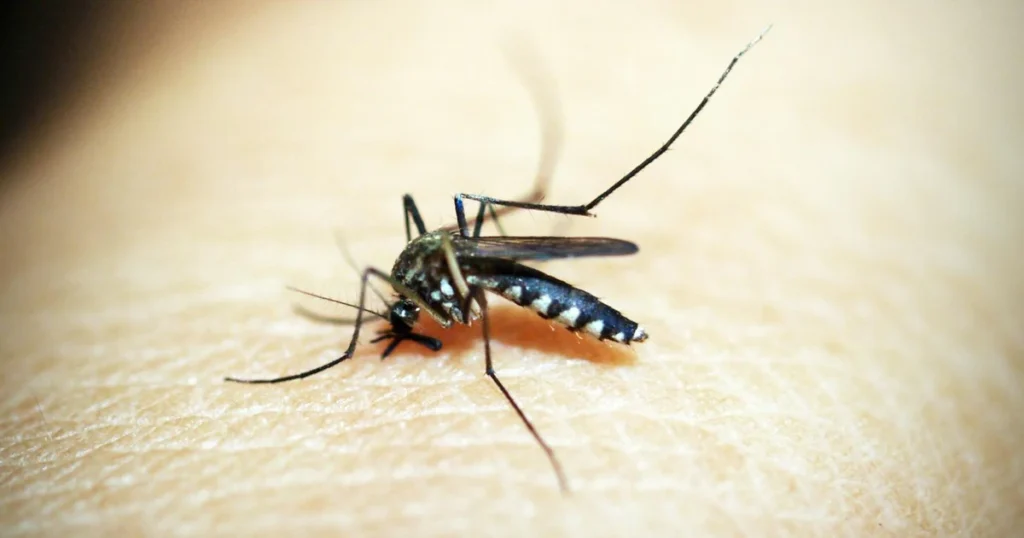
Mosquitoes in Virginia can create costly problems when early signs are missed. Learn what to look for, why it matters, and when to call Proforce.
Key Takeaways About Virginia Mosquitoes
- Several mosquito types can be present in Virginia, and knowing how to tell them apart helps you understand their habits and when they may bite.
- Mosquitoes can carry diseases, so reducing bites around your yard is worth the effort for every household.
- Removing standing water from containers and low-lying areas is one of the most practical steps you can take to limit where mosquitoes breed.
- Professional mosquito control, including barrier treatments and larvicide applications, can help reduce mosquito activity across your property throughout the season.
How to Identify Virginia Mosquitoes
Knowing which mosquito species are active around your Virginia property helps you understand when and where to look for them. Different species behave differently, and recognizing the signs of activity is the first step toward managing it.
How to Tell Mosquito Types Apart in Virginia
Virginia is home to multiple mosquito species, and their habits vary. Some species are most active around dawn and dusk, while others feed throughout the day. Aedes aegypti, for example, readily bites hosts throughout daylight hours in both indoor and outdoor settings, according to UF/IFAS Extension. Culex species are another group worth knowing. Female Culex tarsalis mosquitoes are among the documented vectors of St. Louis encephalitis virus, which circulates between Culex mosquitoes and birds.
Adults of most mosquito species feed on nectar and other plant juices for energy. Females of most species require a blood meal to nourish and develop their eggs. This distinction matters because the females are the ones biting you, and activity patterns differ from one species to the next.
How to Spot Mosquito Activity Inside Your Virginia Home
You may notice mosquitoes indoors when daytime-active species follow you through open doors or windows. Aedes aegypti is one species that attacks hosts in both indoor and outdoor environments. If you are getting bitten inside during the day, that can point to a species that has found a way in.
Where Mosquito Activity Shows Up Around Virginia Homes
Any site that accumulates standing water should be inspected for possible mosquito breeding, as Purdue Extension notes. Larvae can develop in surprisingly small amounts of collected water around your yard. If disease-transmitting mosquitoes are suspected, larvae may be submitted to specialists for species identification. Sites identified as actively breeding mosquitoes should be noted for follow-up control.
Pay attention to shaded areas and spots where water collects after rain. These are the places where mosquito activity tends to concentrate around Virginia homes.
Exterior Entry Points Mosquitoes Use Around Virginia Homes
Open doors and windows are the most straightforward entry points mosquitoes use to move from your yard into your living space. Because different species are active at different times of day, there is no single “low-risk” window of time to leave doors open. Keeping entry points closed or screened helps reduce indoor encounters with any species active in your area.
Why Mosquito Problems Develop in Virginia
Mosquito activity in Virginia ties directly to water and weather. About 200 different species of mosquitoes live across the United States, each inhabiting specific environments and displaying distinct behaviors. Despite those differences, every species shares the same four-stage life cycle: egg, larva, pupa, and adult. That cycle depends on standing water, and Virginia yards can supply plenty of it.
Outdoor Nesting Areas for Mosquitoes Around Virginia Homes
Different species prefer various standing water sources for egg-laying. Permanent bodies of water like ponds and streams often contain predators that help control mosquito larvae. The more problematic breeding sites tend to be marshes, swamps, clogged ditches, and temporary pools, according to the EPA. These overlooked spots give larvae a sheltered place to develop without natural checks.
Heavy rains saturate the ground and create standing water that serves as breeding habitat. Mosquitoes then emerge in predictable waves based on their preferred breeding environments. After wet weather, you can expect to see more mosquito activity in the days and weeks that follow.
Food and Shelter That Attract Mosquitoes Around Virginia Homes
Female mosquitoes need blood meals and quiet resting spots between feedings. Shaded areas, dense foliage, and overgrown vegetation around your home offer daytime shelter. Some species bite persistently throughout the day, and their habitat can become widespread after heavy rainfall, making them difficult to control.
Any container that holds even a small amount of water can become a breeding site. Rain gutters, old tires, buckets, plastic covers, and toys all qualify. Plastic pools left uncovered or undrained when not in use also give mosquitoes a place to lay eggs.
How Mosquitoes Move Around Virginia Homes
Mosquitoes follow moisture and shade as they move through a yard. After rain events, new breeding habitat can appear quickly in low spots, ditches, and forgotten containers. This expanding habitat drives population waves that push mosquitoes closer to living spaces.
Removing breeding habitat is one practical way to manage populations, especially for container-breeding species such as the Asian tiger mosquito. Storing containers upside down, covering them, or disposing of them limits the places mosquitoes can lay eggs.
Trails and Entry Points Mosquitoes Use in Virginia
Mosquitoes gravitate toward the transition zone between your landscaping and your home’s exterior. Shaded areas along foundations, near porches, and around foliage provide resting sites within easy reach of entry points like open doors or windows. Keeping those openings closed during peak activity hours helps reduce indoor encounters.
Standing water near the home creates a short flight path from breeding site to living space. According to the EPA, removing standing water in rain gutters, old tires, buckets, plastic covers, toys, or any other container where mosquitoes can breed is a straightforward step Virginia homeowners can take to reduce nearby populations.
Risks From Virginia Mosquitoes
Mosquitoes bite people and animals and can spread diseases such as West Nile virus. For Virginia homeowners, understanding what these pests can do helps you stay ahead of potential problems around your property.
Health Risks Linked to Virginia Mosquitoes
The most serious concern with mosquitoes involves disease transmission. According to the EPA, mosquitoes can carry dangerous diseases and viruses including malaria, dengue, Zika, and West Nile virus, which may cause encephalitis, meningitis, and microcephaly. Zika virus disease is a nationally notifiable condition, and suspected cases should be reported to state or local health departments.
The incubation period from an infected mosquito bite to feeling sick ranges from 4 to 14 days. Most infected individuals remain asymptomatic, though those experiencing illness typically develop fever, headache, dizziness, nausea, and generalized weakness that may intensify over several days to a week.
Culex species are the primary disease-carrying mosquitoes of concern to public health officials. They prefer stagnant water with high bacteria content and typically emerge as conditions dry. Urban breeding sites often occur in underground storm drains, making prediction and control challenging.
Property Damage From Mosquitoes in Virginia
Mosquitoes do not cause structural damage to your home. However, their presence can make outdoor spaces difficult to enjoy. According to the EPA, dogs and horses face particular vulnerability to conditions like heartworms, eastern equine encephalitis, and West Nile virus.
Food Areas and Mosquito Activity in Virginia Homes
Outdoor dining areas, patios, and anywhere you prepare or serve food can attract mosquitoes. Homeowners should be vigilant about preventing mosquito bites to reduce the risk of contracting diseases. Keeping people and animals away from areas where pests are active during peak hours helps lower your exposure.
When to Look Closer at Mosquito Activity in Virginia
Regular property inspections after rain are recommended to remove standing water sources where mosquitoes breed. If you notice persistent biting activity around your yard, it may point to nearby breeding sites that need attention. Staying proactive about standing water removal is one of the steps the EPA recommends for managing mosquito populations and disease prevention.
Professional Pest Control for Mosquitoes in Virginia
Keeping mosquitoes under control around your Virginia home takes more than a single step. A layered approach that combines prevention, inspection, and professional mosquito control gives you the best chance of reducing populations where you live and spend time outdoors.
How to Reduce Attractants for Mosquitoes in Virginia
Mosquitoes need standing water to breed, and even tiny amounts count. According to the EPA, Aedes aegypti mosquitoes lay eggs in tree holes, artificial containers, tires, and even bottle caps. Walk your yard regularly and empty, overturn, or remove anything that collects water after rain.
Because Aedes mosquitoes frequently bite indoors, physical barriers matter too. Installing window and door screens helps exclude mosquitoes from your home and limits indoor biting opportunities. Keeping screens in good repair is one of the simplest steps you can take.
Why Mosquito Control in Virginia Starts With Inspection
Targeting immature stages is generally the most cost-conscious way to control mosquitoes. As the EPA notes, larvicides address mosquitoes before they become biting adults, maximizing results while minimizing the amount of product needed. An inspection identifies where water collects, where adults rest during the day, and where larvae may already be developing.
Proforce service professionals walk your property looking for breeding sites and shaded resting areas. That assessment shapes the treatment plan so products go exactly where they are needed rather than being applied broadly.
What to Expect During Professional Mosquito Treatment in Virginia
Proforce mosquito control follows a threefold process. First, a barrier treatment is applied to foliage, shaded areas, and resting sites with a mister or blower. Second, a larvicide is applied to stagnant water that cannot be removed. Third, when applicable, traps are placed along property lines and monitored monthly.
Each treatment takes approximately thirty minutes, though the time can vary based on the size of your yard. Before service, you should remove people and pets from treatment areas, bring in pet food and water bowls, and close all doors and windows. Pets must stay out of treated areas for at least four hours afterward.
All products are applied according to label directions. According to the EPA, mosquito control products are evaluated to ensure they do not pose risks to vulnerable populations, including children and pregnant women, when used as directed.
What to Expect From a Virginia Mosquito Control Plan
Proforce uses Suspend Polyzone for barrier treatments in Virginia and Altosid as a larvicide for breeding sites. When mosquito traps are part of the plan, Inzecto Mosquito Traps are placed along property lines. The In2Care system works on water that has accumulated in lower areas, attracting mosquitoes and spreading the active ingredient to additional water sources so those areas can no longer support larvae. This approach helps the treatment hold up even after rainfall.
Ongoing mosquito control matters because adult populations can rebuild quickly. Proforce customers are covered by the Pest-free Service Warranty. If mosquitoes persist between scheduled visits, you can request a reservice at no extra charge.
Bottom Line on Mosquitoes in Virginia
Mosquitoes in Virginia can be more than a backyard nuisance. They may carry diseases, and their populations can grow quickly wherever standing water collects on your property. A combination of reducing breeding sites and professional barrier treatments offers the most thorough approach to keeping mosquito activity low throughout the season. Proforce Pest Control uses a threefold process of barrier treatment, larvicide application, and trapping where applicable, all backed by the Pest-free Service Warranty. Contact Proforce to request a quote and get your yard ready for the season ahead.
Frequently Asked Questions About Mosquitoes in Virginia
How Can I Reduce Mosquitoes Around My Yard?
Start by removing or emptying any containers that hold standing water, such as buckets, old tires, and clogged gutters. Inspect your property regularly, especially after rain. Homeowner efforts can help lower mosquito numbers, though over-the-counter products tend to offer limited, short-lived results compared to professional barrier treatments.
What Does a Professional Mosquito Treatment Involve?
Proforce applies a barrier treatment to foliage and resting sites, treats stagnant water with Altosid larvicide, and places Inzecto Mosquito Traps where applicable. Each visit takes approximately thirty minutes, though larger yards may need more time.
How Soon Can My Family and Pets Go Back Outside After Treatment?
No people or animals should be in the treatment zone during application, and doors and windows should remain closed. Pet food, water bowls, and toys should be removed from the yard beforehand.
What Happens If Mosquitoes Come Back Between Visits?
If activity continues between scheduled treatments, you can call for a reservice at no extra charge. This ongoing coverage helps maintain consistent results throughout the mosquito season.