
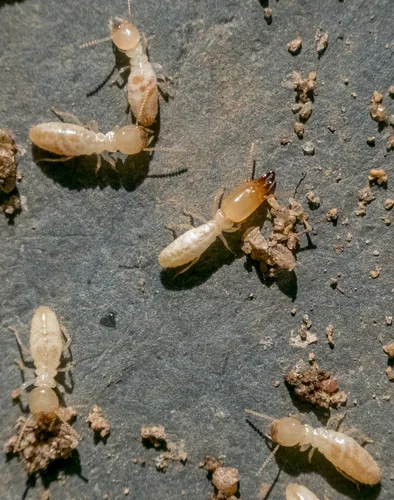
Signs Of Termites in Florida can create costly problems when early signs are missed. Learn what to look for, why it matters, and when to call Proforce.
Key Takeaways About Signs of Termites in Florida
- Termite activity in Florida often goes unnoticed until visible signs appear, so knowing what to look for around your home can help you catch a problem sooner.
- Mud tubes along your foundation are among the most recognizable signs of a subterranean termite infestation, while wood damage patterns can help distinguish one termite type from another.
- Proforce Pest Control offers preventative and active termite protection for subterranean termites, including bait station installation and ongoing monitoring to keep your home defended.
- Florida law requires termite pre-treatments for new construction, but existing homes also benefit from routine inspections and a proactive termite protection plan.
How to Identify Signs of Termites in Florida
Knowing what to look for is the first step toward catching termite activity early. Florida homeowners may encounter more than one termite species on the same property, and the signs each type leaves behind can differ. Below is a closer look at what to watch for, where to check, and how different termite species can present differently.
How to Tell Different Termite Types Apart in Florida
Most subterranean termite species consume wood at about the same rate, but certain factors can make some species potentially more damaging than others. According to Alabama Cooperative Extension System, the Formosan subterranean termite is more aggressive and maintains larger colonies, which means it can cause more damage in the same amount of time compared to other species.
A single building can host multiple colonies of the same termite species or even several different species at once. That overlap makes identification harder, because the termite signs you notice may point to more than one active colony working in different areas of the structure.
How to Spot Termite Activity Inside Your Florida Home
According to Alabama Cooperative Extension System, the usual first sign of subterranean termite presence in a house is the appearance of swarmers. These winged termites appear in large numbers, and if you miss the swarm itself, you may find only piles of discarded wings, usually on a window sill.
Formosan subterranean termites swarm in the evening and are attracted to lights, which increases the chance you will notice them near windows or light fixtures indoors. A building inspector, by contrast, would only encounter swarmers outside the termite workings by pure chance.
Where Termite Activity Shows Up Around Florida Homes
Because more than one colony or termite species can infest a building at the same time, termite signs may appear in separate areas rather than clustering in a single spot. Checking multiple zones of your home gives you a better chance of catching activity early.
Keep in mind that Proforce’s Termite Protection Service focuses on subterranean termites, which require soil contact. Drywood and dampwood termites can live in structures without soil contact, so signs from those species may appear in locations that seem unconnected to the ground.
Exterior Entry Points Termites Use Around Florida Homes
Subterranean termites need a path between the soil and the wood they feed on. The home’s perimeter is the primary area to monitor. Proforce installs bait stations around the exterior, spaced at regular intervals, because that perimeter is where foraging termites are most likely to approach.
If you have tree stumps or dead trees on your property, those can also attract termite activity. Proforce service professionals can evaluate those areas during an inspection and recommend next steps based on what they find.
Why Termite Problems Develop in Florida
Florida homeowners often wonder why termite signs appear around their property. Subterranean termites live in the soil and forage into structures to access wood, sometimes consuming it from the inside and leaving only a thin wooden exterior. According to UF/IFAS Extension, the cryptic nature of this activity complicates early detection, and infestations are usually not readily visible until remodeling or when signs of foraging become obvious, such as shelter tubes from the ground up.
Outdoor Nesting Areas for Termites Around Florida Homes
Subterranean termites maintain their colonies in soil, which gives them the moisture they need to survive. Formosan subterranean termites, invasive in the United States and native to China, can build particularly large colonies. Soldiers make up about 15% of a Formosan colony, compared to less than 5% in eastern subterranean termite colonies. That larger defensive caste reflects the scale of Formosan colonies and the foraging pressure they place on nearby structures.
Food and Shelter That Attract Termites to Florida Homes
Wood is the primary draw. Subterranean termites forage from soil into structures to reach it. Drywood termite colonies, by contrast, are small and consist of a few thousand individuals at most, so damage per colony is less rapid. Subterranean species can sustain much larger populations, which is why their feeding often goes unnoticed until damage is well advanced.
How Termites Move Around Florida Homes
Termite colonies can expand in more than one way. Subterranean termite colonies may be established by division of an existing colony. Swarming is another route. Native subterranean species begin swarming in January, mostly finish by early June, swarm in the morning or early afternoon, and are not attracted to lights. Formosan swarmers are about 1/2 inch with wings included and have a caramel-colored body with tiny wing hairs visible only under magnification.
Trails and Entry Points Termites Use in Florida
Subterranean termites build shelter tubes to travel from the soil to the wood they feed on. These tubes protect foraging termites from open air and are one of the most recognizable signs of activity. Native subterranean swarmers are black to caramel colored and measure 1/4 to 3/8 inch in body length, so discarded wings near entry points can be easy to overlook without a close look.
Risks From Termite Infestations in Florida
Recognizing signs of termites in Florida is only the first step. Understanding the risks those signs represent helps you gauge how urgently your home needs attention. Termite damage can range from surface-level wood damage to deeper structural concerns, and the type of termite involved matters.
Structural Risks From Termites in Florida
Subterranean termites target the soft spring growth of wood first, hollowing out structural members from the inside. According to UC IPM, the distinctive pattern of wood damage from subterranean termites can often be used on its own to distinguish their activity from that of other species. That pattern may weaken framing long before any visible surface clue appears.
Formosan subterranean termites pose an added concern. The amount of carton material they produce is much greater than that of native subterranean species, and they place carton outside of the damaged wood in wall cavities. This extra material can complicate structural assessments and mask the full extent of damage.
Hidden Termite Damage in Florida Homes
Even when subterranean termites are no longer active, the damage they leave behind tells a story. When damaged wood is broken open, the characteristics can confirm past activity. Subterranean termite galleries contain no fecal pellets. When damaged wood is broken open, the galleries show a distinctive pattern of damage to the softer spring growth, which can confirm subterranean termite activity even if termites are no longer present.
An obvious sign of active infestation is live termites found when shelter tubes or damaged wood are broken open. At certain times of the year, swarmers may also be found in galleries. Shelter tubes are earth-hardened structures made by workers using saliva mixed with soil and bits of wood or even drywall.
Belongings and Moisture Risks From Termites in Florida
Not all termite species carry the same level of structural risk. Dampwood termites are less common and cause less costly structural damage than drywood or subterranean termites. However, their presence often signals a moisture problem that can compound wood damage over time if left unaddressed.
Drywood termites present a different concern. Because they live entirely within wood without soil contact, inspection that includes probing wood surfaces and checking for fecal pellets is needed to detect colonies before damage spreads through multiple wood members.
When a Termite Problem in Florida Needs Action
Careful inspection is the foundation of any response. As UC IPM notes, thorough inspection is needed so colonies are detected and damage contained, especially for drywood termites. Waiting for obvious surface clues may mean wood damage has already progressed well beyond the initial point of entry.
Every home without preventative termite treatment will eventually have termites. The longer signs go uninvestigated, the harder it becomes to assess the full scope of damage. Proforce controls subterranean termites using bait systems, with stations monitored annually and refilled as needed.
Professional Pest Control for Termites in Florida
Spotting termite evidence early matters, but addressing it properly requires more than a quick fix. Homeowners can replace termite-damaged wood and correct conditions that attract subterranean termites on their own. However, according to UC IPM, applications of registered treatments are highly regulated and require a licensed pest control professional to carry out the inspection and control program.
How to Reduce Termite Attractants in Florida
Correcting conditions conducive to subterranean termites is something you can handle yourself. That means addressing moisture issues and removing wood-to-soil contact around your home’s perimeter. These steps can make your property less inviting to foraging termites.
Tree-nesting termites build shelter tubes made of wood debris and fecal material, which may be seen on surfaces and in crevices. Keeping an eye on trees and stumps near your home helps you catch these signs before colonies move closer to the structure.
Why Termite Control in Florida Starts With an Inspection
Drywood termites tend to work just under the surface of the wood, leaving a very thin veneer-like layer intact. Probing with a sharp instrument or pounding the surface may reveal hidden damage that is not visible from the outside. This is why an inspection that includes probing and tapping wood surfaces is the foundation of any control plan.
The first evidence of drywood termite infestations is usually piles of fecal pellets. These pellets are hard, elongate, less than 1/25 inch in length, with rounded ends and six flattened or concavely depressed sides. They vary in color from light gray to very dark brown, depending on the wood being consumed.
A trained inspector knows where to look and what each sign means. Proforce service professionals perform exterior inspections, checking for termite activity and conditions that may invite colonies to your home.
What to Expect During Professional Termite Treatment in Florida
Proforce uses the Sentricon System and the Trelona Advanced Termite Bait System for subterranean termite control. Bait stations are installed in the soil around the home’s perimeter approximately every 10 to 20 linear feet. Each Trelona station comes pre-loaded with two Termite Bait Cartridges.
The system uses an active ingredient that, when consumed, prevents termites from molting. Worker termites consume the bait and bring it back to other colony members. Formosan termite control may also include liquid termiticides containing fipronil and bait treatments with a chitin synthesis inhibitor, as noted by University of Georgia termite guide.
Proforce also offers termiticide foundation trenching. A barrier of termiticide applied around the foundation prevents subterranean termites from gaining access. It also has a “transfer effect” that allows termites to spread it to each other. Each liquid application typically lasts approximately five years.
What to Expect From a Termite Control Plan in Florida
After installation, Proforce monitors bait stations annually and refills them as needed. The bait in Trelona stations remains active for two to four years under typical conditions. Additional visits are available if issues arise between scheduled checks.
Proforce’s termite protection service covers subterranean termites. Drywood and dampwood termites require different treatment approaches because they do not depend on soil contact. Understanding which type you are dealing with is another reason a professional inspection matters.
In Florida, home builders are required by law to provide a new construction termite pre-treatment before pouring the foundation. Proforce provides same-day pre-treatments that include a blue dye so building inspectors can verify correct application. Pre-treatments are also available for home additions, remodels, and commercial properties.
Bottom Line on Signs Of Termites in Florida
Catching termite activity early starts with knowing what to look for. Swarmers, discarded wings, fecal pellets, and damaged wood are all indicators that warrant a closer look. Because termites can work out of sight for extended periods, regular inspections of porches, foundation wood, and other structural areas help you stay ahead of potential damage. Proforce Pest Control offers termite protection programs built around the Sentricon and Trelona bait systems, both designed to target subterranean termite colonies around your home.
Contact Proforce to request a termite inspection and learn which option fits your property.
Frequently Asked Questions About Signs Of Termites in Florida
What Are the First Signs Homeowners Usually Notice?
Swarmers are often the first clue. Discarded wings near windows or doors are a common indicator if the swarm is missed. For drywood termites, small piles of hard, elongated fecal pellets are typically the earliest visible evidence. Probing wood surfaces with a sharp instrument can also reveal hidden damage just beneath the surface.
How Can I Tell Subterranean and Drywood Termites Apart?
Subterranean termites do not leave fecal pellets in their galleries. Instead, you may find live termites when damaged wood or shelter tubes are broken open. Drywood termites push out hard fecal pellets that range in color based on the wood species they consume.
Where Should I Inspect Around My Home?
Focus on porches and other structural or foundation wood. Look for tubes on surfaces and in crevices, and tap or probe wood that sounds hollow. Some termite species swarm in the evening and are drawn to lights, so pay attention to areas near exterior lighting as well.
Does Proforce Cover All Termite Types?
Proforce’s termite protection service targets subterranean termites. Drywood and dampwood species are not included because they do not require soil contact. Options include bait station installation or termiticide foundation trenching, with stations monitored annually and refilled as needed.