
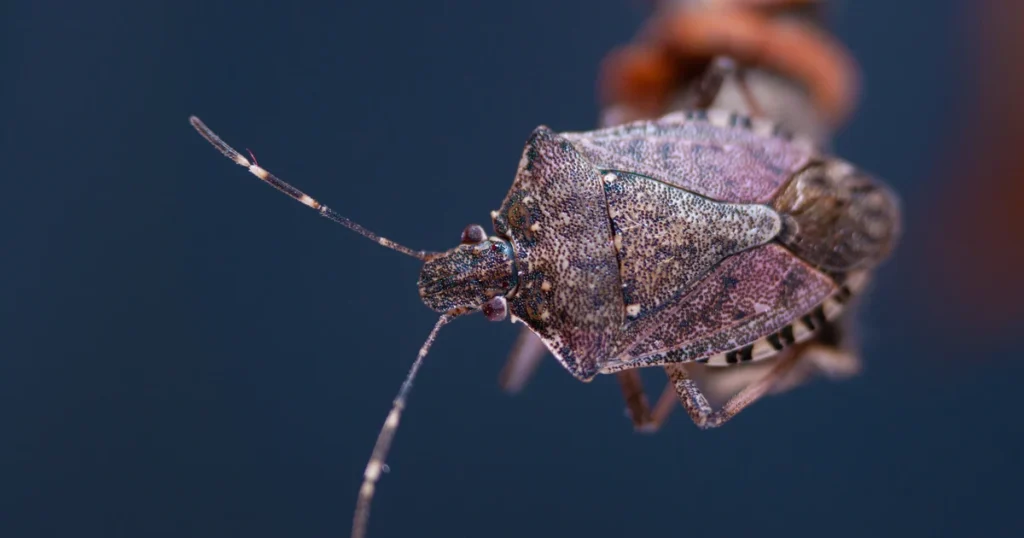
Stink Bugs in Virginia can create costly problems when early signs are missed. Learn what to look for, why it matters, and when to call Proforce.
Key Takeaways About Virginia Stink Bugs
- Stink bugs in Virginia can be a nuisance for homeowners, especially when they seek shelter indoors during cooler months.
- Several stink bug species may appear around Virginia properties, and knowing how to tell them apart helps you respond appropriately.
- These insects can affect fruit, vegetables, and ornamental plants, so early awareness matters for both your home and garden.
- Sealing entry points and reducing attractants around your home are practical first steps toward keeping stink bugs outside where they belong.
How to Identify Virginia Stink Bugs
Virginia homeowners may encounter more than one stink bug species around their property. Telling them apart matters because some species are invasive pests of fruit and vegetable crops, while others are actually beneficial predators of pest insects. Knowing what you are looking at helps you decide the right next step.
How to Tell Stink Bug Types Apart in Virginia
The brown marmorated stink bug (Halyomorpha halys) is the species that draws the most attention. According to the EPA, this invasive pest is present throughout much of the United States and is native to Asia, introduced in the mid-1990s, possibly stowing away in a shipping container. It is often confused with the rough stink bug or the consperse stink bug.
Other species you may come across include the brown stink bug (Euschistus servus) and the southern green stink bug (Nezara viridula). The brown stink bug is a pest of seed, grain, nut, and fruit crops. Some species, such as the spined soldier bug (Podisus maculiventris) and twospotted stink bug (Perillus bioculatus), are beneficial predators of pest insects.
Because several insect species look similar to the brown marmorated stink bug, an identification app with photographs of look-alikes is available for both Apple and Android devices to help distinguish them.
How to Spot Stink Bug Activity Inside Your Virginia Home
Stink bugs that enter your home can be tricky to identify at first glance. Focus on the shield-shaped body common to all stink bug species. The brown marmorated stink bug is the species most likely to show up indoors, and it is often confused with other similar-looking species.
Correctly identifying the species matters for choosing the right approach. For example, commercial stink bug traps exist, but the lures designed for one species will not necessarily attract another.
Where Stink Bug Activity Shows Up Around Virginia Homes
Stink bugs are primarily crop pests. The brown marmorated stink bug targets many fruit and fruiting vegetable crops, while other common species damage seed, grain, and nut crops. If you have garden beds or fruit trees near your Virginia home, those areas may draw stink bug activity closer to the structure.
Parasites and general predators can contribute to the control of some stink bug species when natural enemies are not destroyed. Keeping your landscape balanced supports those natural checks.
Exterior Entry Points Stink Bugs Use Around Virginia Homes
Stink bugs look for gaps and openings in a home’s exterior. Inspect around your home for any spaces where the shield-shaped insects could squeeze through. Sealing those gaps is one of the most straightforward steps you can take to reduce indoor encounters with any stink bug species.
Virginia homeowners should stay especially alert for the brown marmorated stink bug. Accurate identification is the first step toward a well-informed response.
Why Stink Bug Problems Develop in Virginia
Brown marmorated stink bugs follow a predictable yearly cycle that brings them into contact with Virginia homes. Understanding where they nest, what food draws them in, and how they find entry points helps you stay ahead of the problem before large numbers gather on or inside your house.
Outdoor Nesting Areas for Stink Bugs Around Virginia Homes
During the warmer months, stink bugs stay outdoors where food plants are available. From May through August, adult females lay clusters of 20 to 30 light green or yellow eggs on the undersides of leaves. According to the EPA, they usually produce one or two generations per year in cooler climates but can produce up to five generations per year in warmer climates.
Outside the breeding season, stink bugs can also be found in leaf litter and vegetation around properties. These outdoor areas give them cover until temperatures push them toward structures in early autumn.
Food and Shelter That Attract Stink Bugs Around Virginia Homes
Stink bugs feed on a wide range of plants. Peach is one of the first food crops they target in spring after emerging from winter hibernation. The amount of damage they may cause to garden plants has yet to be fully determined and may depend on each region’s climate and nearby host plants.
As temperatures drop, food becomes secondary to shelter. Adult stink bugs often seek out houses and other buildings to overwinter. Large numbers can gather on exterior walls as they search for a warm place to ride out the cold months.
How Stink Bugs Move Around Virginia Homes
During most years, brown marmorated stink bugs hibernate during winter and then emerge in spring to feed on nearby food crops as fruit begins to form. This seasonal pattern means activity ramps up through summer, peaks in early autumn, and then shifts from gardens to structures. Virginia Tech researchers have studied stink bug behavior and trapping methods, reflecting how persistent these pests are across the state.
Trails and Entry Points Stink Bugs Use in Virginia
In early autumn, adult stink bugs actively look for wintering sites. During this time, they can often be found on the outsides of buildings or inside near doors, windows, and other entry points. According to the EPA, they do not bite people or animals, nor do they damage buildings.
Gaps around doors, windows, and other openings are frequent entry points. Once a few stink bugs settle into a sheltered spot, others may follow, which is why autumn sightings near these openings deserve your attention.
Risks From Virginia Stink Bugs
Stink bugs in Virginia pose risks that go beyond the unpleasant odor they release when disturbed. Understanding what these pests can do to your garden, your fruit trees, and your living spaces helps you decide when it is time to act.
Health Risks Linked to Virginia Stink Bugs
No selected evidence supports direct health risks from stink bugs to people or pets. The primary concern with these insects is the damage they cause to plants and the disruption they bring indoors. Still, large numbers of stink bugs inside your home can be a persistent nuisance that affects your comfort throughout cooler months.
Property Damage From Stink Bugs in Virginia
According to UC IPM, brown marmorated stink bugs seriously damage many fruit and fruiting vegetable crops. If you grow tomatoes, peppers, peaches, or other fruiting plants, stink bug feeding can leave noticeable marks and reduce your harvest.
Virginia sits within the mid-Atlantic region, where these pests cause major economic damage to fruit, vegetable, and field crops. Feeding on grains may kill small seedlings, produce stunted plants, or cause “suckering,” which is the production of tillers from the base of damaged plants.
Established woody plants, however, are not seriously harmed by stink bug feeding in most situations, except for the fruit and nuts they produce.
Food Areas and Stink Bug Activity in Virginia Homes
Stink bugs that move indoors during fall may congregate in wall voids, attics, and other sheltered spaces as they seek low-risk overwintering sites. While they are not seeking food inside your home, large numbers can become a persistent nuisance in living areas.
Feeding by stink bugs can also inhibit root mass development in surviving plants, making them more susceptible to pathogens or attack by other insects, as UF/IFAS Extension notes. Home gardens near entry points are worth watching closely.
When to Look Closer at Stink Bug Activity in Virginia
If you notice stink bugs gathering on fruit trees, vegetable plants, or around your home’s exterior, it is worth taking a closer look. Early attention to feeding damage on fruiting crops and seedlings can help you gauge whether the activity level calls for a professional assessment.
Keep an eye on younger plants in particular. Because stink bug feeding may kill small seedlings or stunt growth, catching the signs early gives you more options for protecting your garden and landscape.
Professional Pest Control for Stink Bugs in Virginia
Stink bugs can be a persistent pest for Virginia homeowners, and controlling them takes more than a single approach. Their defensive odor deters many natural predators, and according to UC IPM, most garden insecticides are not very effective against stink bugs, especially adults. A structured pest control plan is worth considering.
How to Reduce Attractants for Stink Bugs in Virginia
Brown stink bugs often feed on vegetative parts, flowers, stems, foliage, seeds, nuts, and fruit. If you grow vegetables, covering them with row cover material can prevent feeding. This physical barrier is one of the more reliable ways to protect garden plants without relying on a single control method.
Because stink bugs are large, they can be handpicked and brushed off plants into soapy water. Regularly checking your garden and removing these pests by hand can help keep numbers down, especially when you catch activity early.
Why Stink Bug Control in Virginia Starts With Inspection
A thorough inspection matters because stink bug control is not one-size-fits-all. Several studies have shown that traps are sometimes not successful in catching stink bugs unless populations are already high. That means a service professional needs to assess the scope of activity before recommending next steps.
Proforce service professionals understand the habits of these pests and can identify where stink bugs are congregating around your home. This inspection-first approach helps avoid wasted effort on methods that may not match the level of activity present.
What to Expect During Professional Stink Bug Treatment in Virginia
Stink bug control requires a layered strategy. Because many common products fall short against adult stink bugs, Proforce service professionals focus on targeted approaches rather than broad, general treatments. The goal is to address the pest where it is active and reduce the conditions that draw it in.
Physical control methods, such as removing stink bugs by hand or with soapy water, can be part of a broader plan. Row covers and other barriers may also be recommended for garden areas. Your service professional will walk you through what applies to your property.
What to Expect From a Virginia Stink Bug Control Plan
A Proforce pest control plan for stink bugs combines inspection, targeted treatment, and prevention. Traps alone may not be the answer, and a single product application often falls short with this pest. That is why Proforce builds ongoing plans tailored to your home and the level of activity found during inspection.
Proforce backs every service with the Proforce Guarantee. With 11 locations across 5 states, local service professionals know what Virginia homeowners deal with and bring consistent, accountable service to every visit. Done Right. Every Time.
Bottom Line on Stink Bugs in Virginia
Stink bugs can become a persistent nuisance for Virginia homeowners, especially when they move indoors seeking shelter during cooler months. They do not bite people or animals, but large numbers inside your home can be unpleasant, and the foul-smelling liquid they release when disturbed makes them especially unwelcome guests. Sealing entry points, removing outdoor attractants, and addressing any indoor activity early are your best lines of defense. The potential impact on garden plants may vary, so staying aware of activity around your yard matters too.
If stink bugs are showing up in numbers you cannot manage on your own, contact Proforce Pest Control for a tailored plan that fits your home.
Frequently Asked Questions About Stink Bugs in Virginia
Why Do Stink Bugs Smell So Bad?
Stink bugs secrete a foul-smelling liquid as a defense mechanism. This odor is repulsive to many predators and is the trait that gives these insects their common name. The smell can linger on surfaces and skin, so avoid crushing stink bugs indoors when possible.
Do Stink Bugs Cause Damage Inside My Home?
Stink bugs that enter your home are looking for a place to overwinter, not a food source. They do not bite people or animals, and they are not known to cause structural harm. The main concern with indoor infestations is the nuisance factor, particularly the unpleasant odor they release when handled or disturbed.
Can I Trap Stink Bugs on My Own?
Trapping can be part of a management approach, though some studies have shown that traps may be ineffective unless populations are high. Because stink bugs are large, they can also be handpicked and placed into soapy water. For ongoing activity, professional support may offer a more thorough approach.
How Can I Keep Stink Bugs Out of My House?
Focus on sealing gaps around windows, doors, and utility openings before cooler weather arrives. Check for cracks in siding and around foundations. Reducing outdoor lighting near entry points may also help limit insect activity around your home. If you are already seeing stink bugs inside, a Proforce service professional can help identify how they are getting in and recommend next steps.