
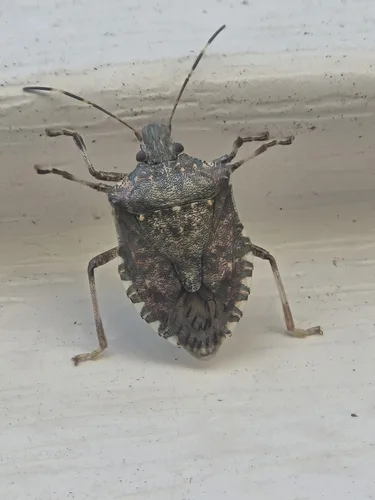
Stink Bugs in Georgia can create costly problems when early signs are missed. Learn what to look for, why it matters, and when to call Proforce.
Key Takeaways About Georgia Stink Bugs
- Several stink bug species can appear in Georgia, and knowing how to tell them apart helps you choose the right response.
- Stink bugs may feed on a wide range of plants, including garden crops and ornamentals, though the extent of damage can vary.
- These insects do not bite people or pets, but they can become a nuisance when they gather around structures looking for shelter.
- Sealing entry points and working with a pest control professional are practical steps for keeping stink bugs out of your home.
How to Identify Georgia Stink Bugs
Georgia homeowners may encounter several stink bug species around their property. Telling them apart matters because not every species causes the same kind of trouble, and some are actually helpful. Knowing what to look for on the bug itself, where you find activity indoors, and which exterior spots they favor can help you react before populations grow.
How to Tell Stink Bug Types Apart in Georgia
The brown marmorated stink bug is an invasive species often confused with the rough stink bug or the consperse stink bug. According to UC IPM, two other common species are the Say stink bug (Chlorochroa sayi) and the southern green stink bug (Nezara viridula). The brown stink bug (Euschistus servus) is a serious pest of seed, grain, nut, and fruit crops in the southern U.S.
Some stink bug species are beneficial predators of pest insects, including the spined soldier bug (Podisus maculiventris) and the twospotted stink bug (Perillus bioculatus). Accurate identification of the species on your property helps you avoid disturbing these helpful predators.
Nymph stages also look distinct from adults. Newly hatched nymphs have dark red eyes and a yellowish abdomen mottled with black and red. Older nymphs are darker with black and white bands on the legs and antennae. Similar to other stink bug species, all nymphs lack wings.
How to Spot Stink Bug Activity Inside Your Georgia Home
Stink bugs often draw attention indoors because of their size and the odor they release when disturbed. You may notice adults congregating near windows or light fixtures. Because brown marmorated stink bug nymphs and adults feed on more than 200 species of plants, nearby gardens or fruit trees can attract them close to your home before they move inside.
Where Stink Bug Activity Shows Up Around Georgia Homes
Outdoors, stink bugs tend to gather on or near the fruits, vegetables, and row crops they feed on. They may appear on garden plants, ornamental shrubs, or fruit trees in your yard. Natural enemies such as parasites and general predators can contribute to the control of some stink bug species when those natural enemies are present in the landscape.
Exterior Entry Points Stink Bugs Use Around Georgia Homes
Stink bugs look for gaps and openings in a home’s exterior when seeking shelter. Cracks around window frames, gaps along siding, and openings where utility connections meet the wall are typical access points. Sealing these gaps can reduce the number of stink bugs that make it indoors.
Why Stink Bug Problems Develop in Georgia
Brown marmorated stink bugs were first discovered in northwest Georgia in 2010, according to the University of Georgia pest guide. Since then, the species has become a familiar nuisance for homeowners across the state. Understanding what draws these pests to your property and how they get inside can help you stay ahead of the problem each year.
Outdoor Nesting Areas for Stink Bugs Around Georgia Homes
During warmer months, brown marmorated stink bugs stay outdoors near host plants where they feed and reproduce. From May through August, adult females lay clusters of 20 to 30 eggs on the undersides of leaves. They can also be found in leaf litter and vegetation as temperatures drop in early autumn. These outdoor areas serve as staging grounds before the bugs begin moving toward structures.
Food and Shelter That Attract Stink Bugs Around Georgia Homes
Garden plants and fruit trees can draw stink bugs to your yard. Peach trees are among the first food crops they target in spring after leaving winter hibernation. The extent of damage they cause to garden plants may depend on each region’s climate and nearby host plants.
As fall arrives, the search shifts from food to shelter. Adult stink bugs often seek out houses and other buildings to overwinter. According to the University of Georgia pest guide, they are attracted to homes in late September in Georgia, sometimes in large numbers.
How Stink Bugs Move Around Georgia Homes
Brown marmorated stink bugs hibernate during winter and then come out in spring. In warmer climates, they can produce up to five generations per year, while cooler climates usually see one or two. This reproductive pace means populations near your home can grow through the summer before the fall push toward structures begins.
Trails and Entry Points Stink Bugs Use in Georgia
In early autumn, brown marmorated stink bugs can often be found on the outsides of buildings or inside near doors, windows, and other entry points. Adults seek shelter in structures in the fall, particularly in older buildings where windows may not be sealed. These gaps around doors and windows are the primary paths they use to move indoors.
While large infestations can be a nuisance, brown marmorated stink bugs do not bite people or animals, nor do they damage buildings. The main concern is their sheer numbers once they find a way inside.
Risks From Georgia Stink Bugs
Brown marmorated stink bugs are an invasive pest present throughout much of the United States. While they do not pose a direct structural threat to your home, they can create real problems for gardens, fruit crops, and indoor comfort. Georgia homeowners who grow fruit or vegetable plants should understand what these pests can do, and anyone dealing with indoor activity should know what to expect.
Health Risks Linked to Georgia Stink Bugs
Stink bugs are not known to bite, sting, or directly threaten people. Their primary nuisance indoors is the unpleasant odor they release when disturbed. According to Purdue Extension, they do not feed or breed inside homes, but they become pests because of their presence and the smell they produce, particularly during warmer sunny periods in winter and spring.
That odor can linger in living spaces and become noticeable when multiple stink bugs gather in attics, wall voids, or window areas. For households sensitive to strong smells, repeated disturbances throughout cooler months can make the problem hard to ignore.
Property Damage From Stink Bugs in Georgia
The real concern with brown marmorated stink bugs is the harm they cause to plants. According to UC IPM, they primarily damage fruit and are a serious pest of many fruit and fruiting vegetable crops. Adults feed by inserting needlelike mouthparts into stems, leaves, and seed pods. While doing so, they may inject substances that cause plant structures to abort or inhibit development near the puncture sites.
Leaf feeding can leave stippled areas roughly 1/8 inch in diameter around feeding sites. Beyond physical plant injury, feeding wounds can provide an entryway for disease to attack the host fruit or plant.
Food Areas and Stink Bug Activity in Georgia Homes
Inside your home, stink bugs are not after your food. They do not feed or breed indoors. However, they may appear in kitchens, pantries, or other warm rooms simply because they are seeking shelter. Their presence in food preparation areas is a nuisance, and crushing or disturbing them releases the distinctive odor that gives these pests their name.
When to Look Closer at Stink Bug Activity in Georgia
If you notice stink bugs appearing indoors during warmer sunny stretches in winter or spring, that activity typically signals an overwintering group already inside the structure. Outside, watch for stippled leaves or damaged fruit on garden plants. These signs suggest active feeding that could worsen over a growing season. Paying attention early helps you understand the scope of the problem before populations build further.
Professional Pest Control for Stink Bugs in Georgia
Stink bug control in Georgia often requires more than a trip to the garden center. According to UC IPM, most garden insecticides are not effective against stink bugs, especially adults. That limited response from over-the-counter products is why many homeowners turn to a structured approach that combines prevention, inspection, and professional treatment.
How to Reduce Attractants for Stink Bugs in Georgia
Reducing what draws stink bugs to your property is a practical first step. Brown marmorated stink bug adults spend winter months in cracks or under the peeling bark of older or dead trees. Removing dead trees, stacked firewood near the home, and loose bark piles can reduce the sheltering spots these pests seek out during cooler months.
For garden areas, covering vegetables with a row cover material can prevent feeding by stink bugs. Row covers act as a physical barrier, keeping stink bugs off your plants without relying on sprays.
Why Stink Bug Control in Georgia Starts With Inspection
Because stink bugs can be confused with other shield-shaped insects, accurate identification matters before any control steps begin. If you suspect you have seen brown marmorated stink bugs, reaching out to a qualified resource for proper identification helps ensure the right approach is taken.
Proforce service professionals are trained to identify the pest, locate where adults may be sheltering, and assess entry points around your home. An inspection helps determine the scope of what you are dealing with so that follow-up steps are appropriate and targeted.
What to Expect During Professional Stink Bug Treatment in Georgia
Proforce builds each treatment around what the inspection reveals. Because standard garden insecticides offer limited results, a professional approach focuses on methods and application points that address the specific conditions around your home.
Service professionals look at cracks, gaps, and other harborage areas where stink bug adults may be overwintering. Addressing these shelter points is central to a control plan that targets documented harborage areas rather than relying on broad-coverage sprays.
What to Expect From a Georgia Stink Bug Control Plan
A Proforce control plan pairs prevention with ongoing attention. Your service professional will walk you through steps you can take between visits, such as removing potential sheltering spots like dead wood near your home’s exterior.
Proforce covers 35 pests under its general pest control plan, and stink bug control fits within that broader coverage. With 11 locations across 5 states and a 92.5 NPS backed by over 23,000 reviews, Proforce is built around consistency. Done Right. Every Time.
Bottom Line on Stink Bugs in Georgia
Stink bugs in Georgia are primarily a nuisance pest that may enter your home looking for shelter as cooler weather arrives. They do not bite people or animals, but they can gather in large numbers and release an unpleasant odor when disturbed. Sealing gaps around your home and managing garden plants can help reduce encounters. If stink bugs are becoming a recurring problem in your home, contact Proforce Pest Control to request a quote and learn how our service professionals can help.
Frequently Asked Questions About Stink Bugs in Georgia
Are Stink Bugs Harmful to People or Pets?
Stink bugs are not harmful to people or animals. They do not bite or sting. Their main concern for homeowners is the nuisance factor, especially when large numbers gather inside a home during cooler months. The odor they release when disturbed or crushed is unpleasant but not dangerous.
When Do Stink Bugs Try to Enter Homes in Georgia?
Brown marmorated stink bugs typically seek overwintering sites in late September in Georgia. In the wild, adults shelter in bark crevices of older or dead trees, so homes with unsealed entry points can become attractive alternatives.
Can Garden Insecticides Control Stink Bugs?
Most garden insecticides provide limited control, particularly against adults. For garden plants, row covers offer a physical barrier that can help prevent feeding without relying on product sprays.
How Long Have Brown Marmorated Stink Bugs Been in Georgia?
This species spread across the eastern United States and was first discovered in northwest Georgia in 2010. Since then, homeowners across the state have become more familiar with this pest, particularly during the fall months when adults begin seeking shelter.