
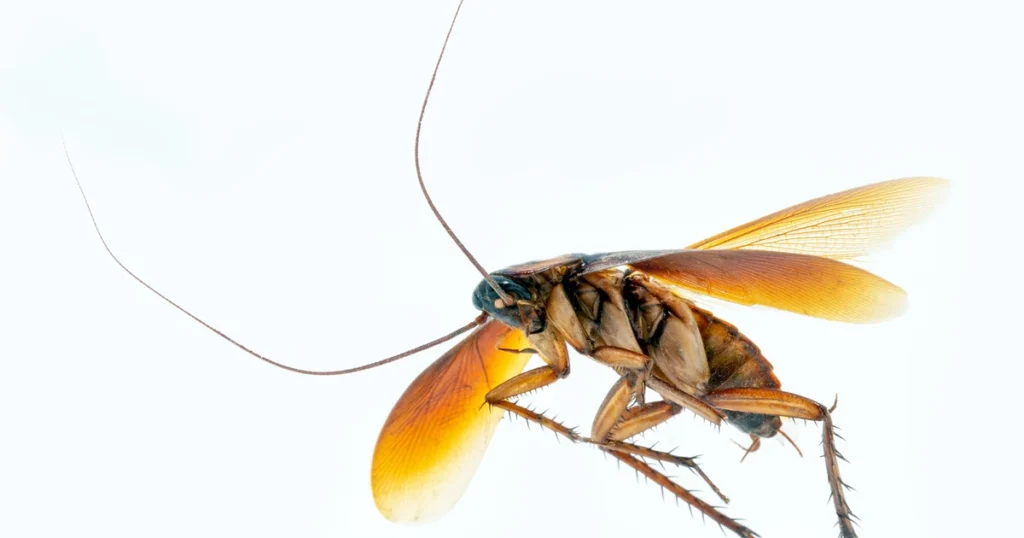
Palmetto Bugs in South Carolina can create costly problems when early signs are missed. Learn what to look for, why it matters, and when to call Proforce.
Key Takeaways About South Carolina Palmetto Bugs
- Palmetto bugs are a common name for the American cockroach, a large roach species that can show up in South Carolina homes, particularly in dark, damp areas.
- These insects may carry bacteria picked up from unsanitary environments, which means their presence in your home is worth addressing promptly.
- Reducing moisture, sealing entry points, and keeping living spaces clean can help make your home less attractive to palmetto bugs.
- When palmetto bugs persist, a professional pest control approach can help target the problem at its source.
How to Identify South Carolina Palmetto Bugs
The name “palmetto bug” is widely used across South Carolina, but it most often refers to the American cockroach. According to Texas A&M AgriLife Extension, the American cockroach, in both its adult and nymph forms, is also known as the palmetto bug or waterbug. Knowing which cockroach species you are dealing with helps you understand where to look and what steps to take next.
How to Tell Palmetto Bug Types Apart in South Carolina
The American cockroach is one of the larger cockroach species you may encounter. It measures about 1.5 inches long and has a reddish-brown body. It reproduces more slowly than German roaches. The brownbanded cockroach is closer in size to the German roach but lacks the lengthwise stripes that distinguish the German species.
The Asian cockroach stands out because it flies toward light sources and is attracted to light, which is rare behavior among cockroach species. If you see a cockroach flying toward porch lights or indoor lamps, it may be an Asian cockroach rather than a palmetto bug.
How to Spot Palmetto Bug Activity Inside Your South Carolina Home
American cockroaches prefer dark, moist areas such as basements and crawl spaces. If you notice roach activity in those locations, palmetto bugs are a likely match. Brownbanded cockroaches, by contrast, tend to show up in upper areas of rooms and on furniture rather than in kitchens or bathrooms.
Sticky traps can help you confirm which species is present. Placing cockroach sticky traps along walls and in suspected hiding spots allows you to catch specimens and compare their features at your own pace.
Where Palmetto Bug Activity Shows Up Around South Carolina Homes
American cockroaches gravitate toward dark, moist spaces. Basements and crawl spaces are typical gathering points. Brownbanded cockroaches may appear in less obvious spots, such as furniture and higher shelving, making them easy to overlook during a casual search.
Exterior Entry Points Palmetto Bugs Use Around South Carolina Homes
Because Asian cockroaches are attracted to light, exterior lighting near doors and windows can draw them toward your home. Other cockroach species generally move toward dark, sheltered gaps. Placing sticky traps near suspected entry areas can help you gauge how many and which species are trying to get inside.
Why Palmetto Bug Problems Develop in South Carolina
Palmetto bugs, a common name for American cockroaches, turn up around South Carolina homes when outdoor conditions push them toward food and accessible openings. Understanding where they nest, what draws them in, and how they travel can help you stay ahead of activity before it moves indoors.
Outdoor Nesting Areas for Palmetto Bugs Around South Carolina Homes
American cockroaches are found mainly in basements, sewers, steam tunnels, and drainage systems. According to UF/IFAS Extension, they are also found in commercial and large buildings such as restaurants, grocery stores, bakeries, and anywhere food is prepared and stored. Residential properties that sit near sewer lines or storm drains can see palmetto bugs congregating close to the structure.
Food and Shelter That Attract Palmetto Bugs Around South Carolina Homes
Palmetto bugs are drawn to fermenting food sources. They have a preference for fermenting foods such as bread soaked with beer. Anywhere food is prepared, stored, or left out can become a draw for these pests.
Because American cockroaches may come into contact with human excrement in sewers or with pet droppings outdoors, they can pick up and carry bacteria that cause food poisoning, including Salmonella spp. and Shigella spp. Keeping food sources cleaned up reduces both the attraction and the risk of contamination.
How Palmetto Bugs Move Around South Carolina Homes
American cockroaches have spread throughout the world by commerce. Around your home, they travel through sewer lines and drainage systems, following moisture and food. Once they locate a reliable food source near or inside a building, repeat visits are likely.
Trails and Entry Points Palmetto Bugs Use in South Carolina
Combining several methods offers the most practical approach: caulking entry points and entryways, cleaning up food sources, and baiting when necessary. Gaps around pipes, foundation cracks, and unsealed utility openings all serve as pathways palmetto bugs can use to get inside. Addressing these entry points alongside food source removal helps limit indoor activity.
Risks From South Carolina Palmetto Bugs
Palmetto bugs can create more than just an unpleasant surprise when they turn up indoors. Understanding the specific risks these pests pose helps you decide how quickly to act when you notice activity in or around your home.
Health Risks Linked to South Carolina Palmetto Bugs
American cockroaches, one of the pests commonly called palmetto bugs, are rarely found inside houses under normal conditions. However, infestations can occur after heavy rain drives these pests indoors. When large numbers of cockroaches move through a home, the risk of contact with contaminated surfaces increases.
Palmetto bugs may also share space with other pests. Bird and rodent mites, for example, normally infest their animal hosts but can occasionally disperse and bite humans. When palmetto bugs and other pests overlap in attics or crawlspaces, the overall pest pressure in your home can grow.
Property Damage From Palmetto Bugs in South Carolina
According to the University of Georgia pest guide, the smokybrown cockroach is the most common cockroach in suburban Southern neighborhoods with mature hardwood trees. These pests commonly live in treeholes, attics, crawlspaces, and sheds. When populations build near your home, repeated indoor entry becomes more likely.
American cockroaches can develop to enormous numbers in the right conditions. According to UF/IFAS Extension, populations greater than 5,000 have been found in individual sewer manholes. Even a fraction of that population moving toward a home after heavy rain can mean a noticeable presence indoors.
Food Areas and Palmetto Bug Activity in South Carolina Homes
Kitchens and pantries are areas where palmetto bug activity matters most. When these pests move through food-preparation surfaces, they may leave droppings and shed body parts behind. Keeping food areas clean and sealed reduces conditions that attract pests indoors.
Because American cockroaches typically live in sewers and drainage systems before entering homes, their presence around food storage or prep areas is a concern worth addressing promptly.
When to Look Closer at Palmetto Bug Activity in South Carolina
A single palmetto bug sighting may not signal a full infestation. However, repeated sightings, especially after heavy rain, can indicate that pests are finding reliable entry points into your home. Monitoring activity over several days gives you a clearer picture.
Populations of these pests can multiply in favorable outdoor conditions. Early attention to signs of activity, such as droppings or frequent nighttime sightings, helps you understand the scope before numbers build further.
Professional Pest Control for Palmetto Bugs in South Carolina
Keeping palmetto bugs out of your South Carolina home comes down to removing the conditions that draw them inside. A structured approach that combines prevention, thorough inspection, and professional treatment gives you a stronger defense against an infestation.
How to Reduce Attractants for Palmetto Bugs in South Carolina
Palmetto bugs look for three things when they move indoors: food, water, and hiding places. According to Purdue Extension, you can prevent cockroach infestations from occurring by removing their food, water, and hiding places. That means addressing all three at once rather than focusing on just one.
Start with food sources. Regular cleaning and vacuuming help reduce the conditions that attract cockroaches indoors. Store food after each meal, keep counters and floors clean, and avoid leaving dishes out overnight. Small, consistent habits make your home less appealing.
Water access matters just as much. Fix dripping faucets, dry out sinks before bed, and reduce standing moisture wherever possible. When palmetto bugs cannot find easy water, they are less likely to settle in.
Hiding places round out the list. Reducing clutter, sealing gaps, and keeping storage areas tidy limits the spots where palmetto bugs can harbor undetected.
Why Palmetto Bug Control in South Carolina Starts With Inspection
Before any treatment begins, a careful inspection helps determine where palmetto bugs are active and what is sustaining them. Proforce service professionals evaluate your home for the food, water, and shelter conditions that support an infestation.
Inspection pinpoints which areas need attention first. Rather than guessing, your service professional identifies the specific conditions in your home and builds a plan around what they find.
What to Expect During Professional Palmetto Bug Treatment in South Carolina
Proforce service professionals target the areas identified during inspection. Treatment focuses on the spaces where palmetto bugs are most likely to find food, water, and harborage. By addressing these conditions alongside direct treatment, the goal is to disrupt the cycle that supports an infestation.
Your Proforce team works through each area step by step, paying close attention to the hiding places palmetto bugs prefer. Every service is backed by the Proforce Guarantee, so you know the work is Done Right. Every Time.
What to Expect From a South Carolina Palmetto Bug Control Plan
Ongoing control matters because palmetto bugs can return when conditions allow. Proforce builds recurring service plans around your home’s specific needs, with regular visits that help keep food, water, and shelter conditions in check over time.
Your plan covers palmetto bugs as part of Proforce’s 35-pest coverage, so you are not paying for a single pest and hoping for the best. Service professionals familiar with your area handle each visit, giving you consistent, accountable care from a local team.
Bottom Line on Palmetto Bugs in South Carolina
Palmetto bugs are a familiar pest for South Carolina homeowners, and managing them starts with knowing what you’re dealing with. Proper identification helps you understand which species has moved in, and keeping your home clean and sealed reduces the conditions that attract them. Because these roaches can be persistent, ongoing professional attention often makes the biggest difference. Proforce Pest Control covers cockroaches under our general pest control plan, so reach out to request a quote and get started with a service professional who knows your area.
Frequently Asked Questions About Palmetto Bugs in South Carolina
What Exactly Is a Palmetto Bug?
“Palmetto bug” is a common nickname for the American cockroach. It is a large, reddish-brown roach that tends to prefer dark, moist areas around homes. Other cockroach species may also be present, so accurate identification matters when choosing the right approach.
Are Palmetto Bugs a Health Concern?
Palmetto bugs can pick up bacteria in the places they travel, which may pose a food-safety concern when they move through kitchens and pantries. Keeping surfaces clean and food stored properly helps reduce that risk.
How Can I Make My Home Less Attractive to Them?
Reducing moisture, sealing gaps around doors and foundations, and removing food debris are practical first steps. These roaches are drawn to damp spaces, so addressing humidity in crawl spaces and basements can help limit activity over time.
Does Proforce Cover Palmetto Bugs?
Yes. Cockroaches, including the species commonly called palmetto bugs, are covered under the Proforce general pest control plan. Our service professionals can assess activity around your home and set up an ongoing treatment schedule tailored to your needs.