
Hornets in South Carolina can create costly problems when early signs are missed. Learn what to look for, why it matters, and when to call Proforce.
Key Takeaways About South Carolina Hornets
- Hornets and related wasps can build nests above ground or below ground, and proper identification of the species and nest location is an important first step before any action.
- Some hornet species pose risks to both people and honey bee populations, making awareness important for homeowners and beekeepers alike.
- Prevention and control may involve locating nests and using trapping methods, but nest removal can be dangerous and is best handled by a service professional.
- Proforce Pest Control service professionals inspect your property, identify the species, and apply species-specific treatment methods to address hornet activity around your home.
How to Identify South Carolina Hornets
Knowing what you are looking at is the first step when you spot stinging insects around your South Carolina property. Hornets, yellowjackets, and other social wasps can look alike at a glance, but a few size and color details help you tell species apart and decide what to do next.
How to Tell Hornet Types Apart in South Carolina
Hornets, yellowjackets, and paper wasps are related social wasps, and common names do not always map cleanly to nest location. Some build aerial paper nests, while others nest in voids or underground. Accurate identification matters because nest location and species influence how the situation should be handled.
Most homeowners do not need to identify a species down to scientific name. Focus on where the nest is located, how many insects are traveling in and out, and whether activity is near doors, walkways, or rooflines. Those details help a service professional decide how to respond.
How to Spot Hornet Activity Inside Your South Carolina Home
You may notice a single hornet indoors before seeing a nest outside. Colonies are founded in spring, and queens may enter interior spaces for a short time while searching for a nest site.
Repeated sightings of individual hornets inside living areas can indicate a nest is nearby. Pay attention to any pattern in where and when you see them, as this helps narrow down the nest location.
Where Hornet Activity Shows Up Around South Carolina Homes
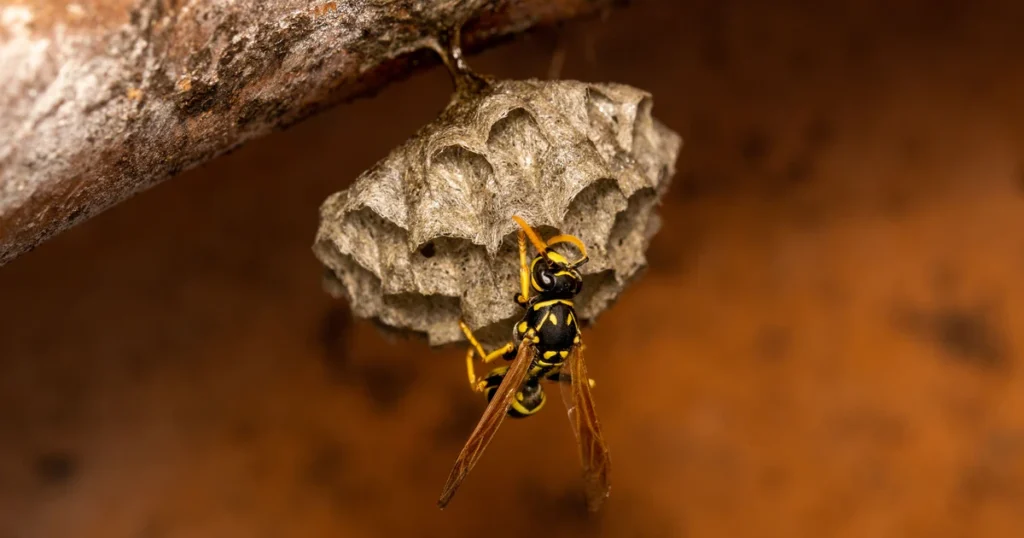
Nests may be aerial or terrestrial, depending in part on the species. Some species may construct both types of nests. Look for papery, enclosed nest structures attached to trees, under roof overhangs, or in sheltered spots around your property. Ground-level activity in garden beds or along slopes can point to a subterranean nest instead.
Because colonies can grow to hundreds or thousands of individuals, early awareness of nest-building activity gives you more options for dealing with it before the colony reaches full size.
Exterior Entry Points Hornets Use Around South Carolina Homes
Hornets typically access sheltered spaces through gaps where building materials meet, such as where siding overlaps the roofline or where utility penetrations create openings. Observing flight paths near your home during early morning or evening hours can reveal which entry points the colony is using.
Proforce service professionals identify the species and nest location during an exterior inspection, noting any hazardous landscaping features and documenting findings with photographs. This species-specific approach guides the right treatment method for your situation.
Why Hornet Problems Develop in South Carolina
Hornet colonies follow a predictable growth cycle that often catches South Carolina homeowners off guard. Nests expand through summer and into fall, with peak population occurring in mid-September. According to Penn State Extension, a single nest typically houses 200 to 400 workers at its peak, though exceptional nests may contain up to 1,000 individuals. Understanding what draws hornets to your property can help you recognize trouble early.
Outdoor Nesting Areas for Hornets Around South Carolina Homes
Hornets build nests that can grow to hold between 1,500 and 3,000 cells, and nest size correlates with the size of the hornets themselves. Around South Carolina homes, identifying the species and pinpointing the nest location are the first steps in understanding the scope of the problem. Colonies begin producing reproductive females and males in late summer, with mating flights continuing into fall.
Food and Shelter That Attract Hornets Around South Carolina Homes
Hornets are predatory arthropod consumers with opportunistic feeding habits that can extend to decaying animals. Some species show a particular preference for honey bees, making properties near beehives or apiaries more attractive to foraging hornets. These food sources, combined with sheltered outdoor structures, give hornets reasons to establish nests close to living spaces.
How Hornets Move Around South Carolina Homes
Colony activity intensifies as the season progresses. By late fall, the colony produces new queens and males. These reproductives leave the nest and mate. After mating, the males die, and the newly mated queens seek sheltered overwintering sites. At the season’s end, all workers and the original queen perish. Only newly mated queens survive to found fresh nests the following year, restarting the cycle on or near your property.
Trails and Entry Points Hornets Use in South Carolina
Hornets are not particularly aggressive and typically sting only when they feel threatened. However, nests positioned near doorways, walkways, or overhangs put you in closer contact with foraging workers. As nest populations grow through mid-September, the volume of hornets traveling to and from the nest increases, raising the chance of an encounter around your home’s exterior.
Risks From South Carolina Hornets
Hornets in South Carolina can pose real concerns for your household, your property, and the pollinator populations nearby. Understanding the specific risks helps you decide how quickly to act when you spot activity around your home.
Health Risks Linked to South Carolina Hornets
Hornet stings usually happen when the insect is protecting its nest or feels provoked. Any sting should be taken seriously, especially for people with known allergies or symptoms that go beyond localized pain and swelling.
Wasp stings can trigger allergic reactions in susceptible individuals. Wearing protective clothing, including long sleeves and full-length pants with ankles tucked into long socks, can help reduce sting risk if you need to work near a nest area.
Property Damage From Hornets in South Carolina
Queens that spent winter in wall voids may turn up indoors in spring. According to Penn State Extension, overwintering queens sometimes move into attics or living spaces instead of heading outside. If you see large wasps indoors during warm spring weather, note where they appear so a service professional can inspect the area.
Nests built within wall voids or attic spaces can grow throughout the season, creating a disruptive presence that becomes harder to address the longer it goes unnoticed.
Food Areas and Hornet Activity in South Carolina Homes
Hornets foraging near outdoor dining areas or kitchens can become a persistent nuisance. Repeated encounters near food-preparation spaces raise the likelihood of a sting, particularly when the insects feel cornered or swatted at.
Hornets and related social wasps also prey on other insects. Around homes, the more immediate concern is activity near food-preparation areas, trash, or flowering landscaping that brings foragers close to people.
When to Look Closer at Hornet Activity in South Carolina
Spring is a key window to watch for queen hornets moving toward your home. If you notice large wasps entering eaves, attic vents, or gaps in siding during warmer months, it may indicate early nest-building activity inside the structure.
Increased hornet traffic around a single spot on your roofline, soffit, or landscaping often signals a nearby nest. Addressing the situation sooner rather than later helps you avoid close-range encounters as the colony grows through summer.
Professional Pest Control for Hornets in South Carolina
Dealing with hornets around your South Carolina home takes more than a quick fix. A structured approach that combines prevention, inspection, and species-specific treatment addresses a nest and keeps your property comfortable throughout the season.
How to Reduce Attractants for Hornets in South Carolina
Staying alert for nests around the exterior of your home is one of the simplest steps you can take. Check eaves, rooflines, shrubs, and sheltered corners before activity builds. If the nest is active or close to high-traffic areas, avoid disturbing it and have a service professional evaluate it.
Physical control starts with knowing where the nest is and keeping people away from active entry points. Regularly scanning eaves, overhangs, and sheltered spots helps you notice activity before the nest becomes harder to access.
Why Hornet Control in South Carolina Starts With Inspection
A thorough exterior inspection is the foundation of any hornet service. Proforce service professionals perform a diligent inspection of the outside of your home, observing the surroundings and noting features that may contribute to nesting activity. They also take photographs and detailed notes so the treatment approach matches what they find on your property.
This inspection follows Proforce’s general pest control protocol with added safety precautions, since working near active hornet nests requires extra care. Identifying the species before treatment begins helps the team choose the right method for your situation.
What to Expect During Professional Hornet Treatment in South Carolina
Proforce service professionals apply species-specific treatment methods based on the type of hornet or wasp present. These methods may include dusting, drenching, void treatments, and aerosol applications. The approach depends on the nest’s location and the species identified during the inspection.
Treatments are often performed early morning, evening, or dusk, when hornets tend to be less active. Proforce service professionals wear bee suits for protection during the process. Once the nest has been addressed, it is removed when possible, sealed in a plastic bag, and disposed of at the branch office.
What to Expect From a South Carolina Hornet Control Plan
Hornet treatment does not prevent future nests from forming on your property. New colonies may establish themselves in the same areas over time.
Combining ongoing awareness with professional service when nests appear helps you stay ahead of hornet activity around your South Carolina home. Keep notes on where activity returns so the next inspection starts with a clear picture of the problem area.
Bottom Line on Hornets in South Carolina
Hornets in South Carolina can build nests around your home and may sting when they feel threatened. Identifying the species and locating the nest are the first steps toward addressing any concern. Staying alert and acting early can help you avoid close encounters as colonies grow. Because Proforce service professionals follow species-specific treatment methods and added safety precautions, professional help is often the most practical option. Contact Proforce Pest Control to request an assessment if you spot hornet activity near your home.
Frequently Asked Questions About Hornets in South Carolina
When Is the Best Time to Address a Hornet Nest?
Hornets tend to be less active in the evening. If a nest needs to be addressed, approaching it during that window can reduce the chance of stings. Proforce service professionals also schedule treatments during early morning, evening, or dusk for the same reason.
Will Removing a Nest Keep Hornets From Coming Back?
Nest removal does not prevent future nests from being built in the same area. If you notice new hornet activity after a previous treatment, you should reach out so a service professional can evaluate the situation again.
How Does Proforce Treat Hornet Nests?
Service professionals first identify the species and nest location, then apply the appropriate method. Treatments may include dusting, drenching, void treatments, or aerosol applications depending on the type of hornet. Once the nest is no longer active, it is removed when possible and disposed of properly.
Are Hornets Aggressive Toward People?
Most hornet species sting only when they feel threatened or their nest is disturbed. Keeping a low-risk distance and letting a professional handle removal is the more cautious approach.