
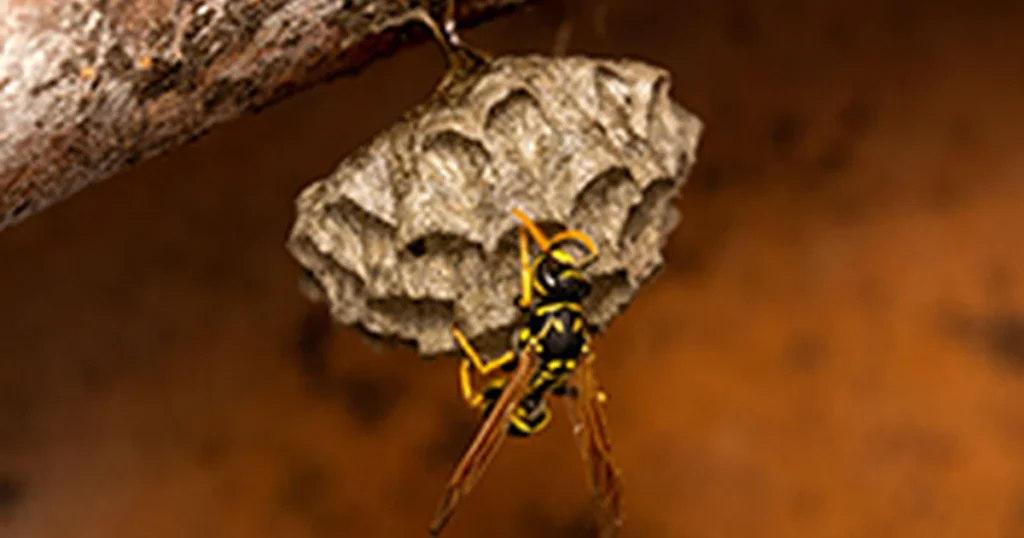
Hornets in North Carolina can create costly problems when early signs are missed. Learn what to look for, why it matters, and when to call Proforce.
Key Takeaways About North Carolina Hornets
- Several stinging insects, including hornets, wasps, and bees, can be found flying near North Carolina homes, and telling them apart helps you respond appropriately.
- Some species may sting when threatened, so knowing which ones pose a greater risk and which are less aggressive is worth your attention.
- Proforce Pest Control service professionals identify the species and nest location before applying a targeted treatment approach suited to the situation.
- Nest removal is handled after treatment when possible, though the service does not prevent future nests from forming in a new season.
How to Identify North Carolina Hornets
Knowing which species you are dealing with is the first step toward keeping your North Carolina home comfortable. The European hornet is an introduced species well-established across eastern North America since its first documented U.S. appearance in the 1840s, according to Penn State Extension. Identifying the species and pinpointing the nest location helps you decide what to do next.
How to Tell Hornet Types Apart in North Carolina
North Carolina homeowners may encounter several stinging species, including paper wasps, yellowjackets, and European hornets. Each species builds a distinct nest, so nest shape and placement are useful clues. Some of these wasps are more aggressive and may fly several feet to sting someone near the nest site, according to Mississippi State University Extension. Recognizing which species is present matters before any action is taken.
Regardless of species, paper wasp nests last only one season. That means an old, empty nest from the previous year does not indicate a current problem. A fresh nest with active insects coming and going is the one that needs attention.
How to Spot Hornet Activity Inside Your North Carolina Home
Hornets and wasps sometimes find their way indoors. You may notice a single insect near a window or light fixture, or hear buzzing inside a wall. Repeated sightings in the same room can point to a nest hidden in a void nearby. Paying attention to where and when you see activity helps narrow down the nest location.
Where Hornet Activity Shows Up Around North Carolina Homes
Be alert for wasp nests around the home. Nests can appear under roof overhangs, inside grills, or along porch ceilings. Paper wasp nests built where they are likely to cause stings need attention before someone gets stung. Checking these areas every few weeks, especially as warmer months arrive, gives you an early heads-up.
Exterior Entry Points Hornets Use Around North Carolina Homes
Hornets and wasps often use gaps in exterior walls, open soffit vents, and cracks around trim to access sheltered nesting spots. A nest tucked into a void may go unnoticed until you see steady insect traffic flowing in and out of a small opening. Noting these entry points during a walk around your property can reveal nests before they grow larger.
Why Hornet Problems Develop in North Carolina
Hornets and large wasps can catch North Carolina homeowners off guard, especially when nests appear near living spaces. Understanding what draws these insects to your property helps you recognize conditions that lead to unwanted activity around your home.
Outdoor Nesting Areas for Hornets Around North Carolina Homes
European hornets build paper nests and prefer protected aerial locations, unlike bald-faced hornets that construct large exposed nests in trees or yellowjackets that typically nest underground. According to Penn State Extension, European hornets select sheltered spots that offer overhead cover and limited disturbance. Eaves, soffits, and wall voids around your home can provide the shelter they seek.
Fertilized queens that survive winter also need protected places to wait out the cold months. These overwintering queens may shelter in fallen tree bark crevices or building wall voids until warmer weather returns and a new colony cycle begins.
Food and Shelter That Attract Hornets Around North Carolina Homes
Throughout most of the year, European hornets function as predatory insects, hunting grasshoppers, various fly species, and yellowjackets. Properties with gardens, landscaping, or other insect activity can provide a steady food source that keeps hornets nearby. European hornets may occasionally attack honeybees, though according to Penn State Extension, this behavior appears more prevalent in European populations than North American ones.
Cicada killer wasps are another large wasp homeowners may notice. These solitary wasps are not aggressive and are drawn to areas where cicadas are present.
How Hornets Move Around North Carolina Homes
European hornet colonies are annual. Colonies perish with autumn frosts, and only fertilized queens survive through winter. Each spring, those queens leave their overwintering sites and begin building new nests in a fresh location. This annual cycle means new nesting activity can appear on your property even if the previous year was quiet.
European hornets are not particularly aggressive and typically sting only when threatened. However, foraging workers may range across your yard throughout the day as they hunt prey.
Trails and Entry Points Hornets Use in North Carolina
Gaps in siding, open attic vents, and wall voids can serve as pathways into sheltered nesting spots. Queens seeking overwintering sites in fall may enter through the same openings. Keeping an eye on these access points can help you spot early signs of hornet activity before a full colony establishes itself.
Risks From North Carolina Hornets
Hornets belong to the order Hymenoptera, the same group of stinging insects that includes wasps, bees, and ants. Understanding the risks these pests pose around your North Carolina home helps you make informed decisions about nest management and personal safety.
Health Risks Linked to North Carolina Hornets
The biggest concern with hornets and related stinging insects is the sting itself. Unlike a honey bee, whose barbed stinger usually remains in the skin, yellow jackets, paper wasps, and bumble bees can pull their stinger out without injuring themselves. According to the University of Minnesota Extension, these pests can sting more than once, and the stinger is not left in your skin. Multiple stings during a single encounter raise the overall discomfort level.
Because a honey bee’s barbed stinger typically stays embedded, you can usually tell which type of stinging insect was involved by checking for a stinger in the skin. That distinction matters when deciding how to respond after a sting near your home.
Property Damage From Hornets in North Carolina
Hornets themselves are not major structural pests, but carpenter bees, another member of the Hymenoptera order, can cause real property damage. Bare, unpainted softwoods—especially cedar—are preferred nesting sites for carpenter bees, and structures made from these woods can sustain damage over time.. If your home features cedar trim, siding, or decking, these pests deserve attention alongside any hornet activity on your property.
Food Areas and Hornet Activity in North Carolina Homes
Stinging insects often become a nuisance around areas where food is present. Outdoor dining spaces, grills, and open containers can draw hornets, yellow jackets, and wasps closer to high-traffic parts of your yard. Their presence near food areas increases the chance of an unexpected sting.
When to Look Closer at Hornet Activity in North Carolina
If you notice hornets or wasps returning to the same spot on your home’s exterior, a nest may be forming nearby. Some nests are tucked into voids or overhangs where they are hard to spot. Treatments for nests that require closer-range work may call for a broader spray pattern to maintain a margin of safety. A professional assessment helps determine the species involved and the best approach for your situation.
Professional Pest Control for Hornets in North Carolina
Dealing with hornets around your North Carolina home requires more than a can of spray from the hardware store. Nest location, species, and timing all factor into a treatment approach that keeps you and your household protected. Understanding how prevention, inspection, and professional treatment work together can help you make informed decisions when hornet activity appears on your property.
How to Reduce Attractants for Hornets in North Carolina
Reducing the conditions that draw hornets near your home is a practical first step. Keep outdoor garbage bins sealed and clean up fallen fruit or food scraps after cookouts. Trim overgrown vegetation and seal gaps around soffits, eaves, and other exterior openings where hornets may build nests. These steps can make your property less inviting, though they do not guarantee hornets will stay away.
Why Hornet Control in North Carolina Starts With Inspection
Before any treatment begins, Proforce service professionals follow a structured pest control protocol with added safety precautions specific to stinging insects. The exterior inspection includes observing surroundings and noting hazardous landscaping features. Service professionals take notes and photographs to identify the species involved and pinpoint nest locations.
This careful inspection step matters because treatment methods vary by species. Identifying what you are dealing with shapes the entire approach. Skipping this step can lead to incomplete treatment or unnecessary risk.
What to Expect During Professional Hornet Treatment in North Carolina
Proforce service professionals apply species-specific treatment methods based on what the inspection reveals. These methods include dusting, drenching, void treatments, and aerosol applications. According to UC IPM, aerosol formulations labeled for wasp and hornet nests can work against yellowjackets and paper wasps, but they must be used with extreme caution.
Treatments are often performed early morning, evening, or dusk, when hornets are less active. As Penn State Extension notes, where nests are accessible, nighttime application may prove effective. Service professionals wear proper protective equipment, including bee suits, to minimize sting risk during the process.
Once the nest is no longer active, Proforce service professionals remove it when possible, seal it in a plastic bag, and dispose of it at the branch office. This removal step helps reduce the chance of other insects being drawn to the old nest structure.
What to Expect From a North Carolina Hornet Control Plan
Hornet treatment addresses existing nests but does not prevent future nests from forming on your property. New queens can establish nests in new locations each season, so ongoing awareness of your property’s exterior remains important even after a successful treatment. Checking eaves, overhangs, and sheltered areas every few weeks can help you spot early nest-building activity before a colony grows larger.
Bottom Line on Hornets in North Carolina
Hornets and other stinging insects around your North Carolina home deserve attention, but not every large wasp you see poses the same level of risk. Proper identification is the first step, followed by understanding nesting habits and knowing when professional help makes sense. If you spot a nest on or near your property, Proforce Pest Control can identify the species and apply the right treatment approach. Contact Proforce to request a visit and get the situation handled. Done Right. Every Time.
Frequently Asked Questions About Hornets in North Carolina
How Can I Tell if I Have Hornets or Another Stinging Insect?
Several stinging insects in North Carolina can look similar at first glance. Paying attention to body size, color patterns, and nest style can help you narrow down what you are dealing with. When in doubt, a Proforce service professional can identify the species during an exterior inspection.
What Should I Do if I Find a Nest on My Property?
Avoid disturbing the nest. If you decide to address it yourself, wear clothing that covers your body, face, and hands. Sealing cuffs with tape can help keep stinging insects from getting inside your clothing. For nests in hard-to-reach areas or for species you cannot identify, professional treatment is a safer route.
When Is the Best Time to Treat a Nest?
Treatments are typically performed during early morning, evening, or dusk, when stinging insects tend to be less active. Proforce service professionals time their visits accordingly to reduce the chance of stings during the process.
Will Removing a Nest Keep Hornets From Coming Back?
Nest removal does not prevent future nests from being built in the same area. Once a nest is treated and removed, Proforce service professionals dispose of it properly.