
Fire Ants in Florida can create costly problems when early signs are missed. Learn what to look for, why it matters, and when to call Proforce.
Key Takeaways About Florida Fire Ants
- Fire ants are not native to the United States. They build mounds in open, sunny areas around your yard, making them easy to stumble across.
- These ants feed on a wide range of plant and animal material, and their stings can pose a concern for anyone spending time outdoors on your property.
- Both single-mound treatments and area-wide broadcast approaches may help manage fire ant populations on your property.
- Keeping outdoor areas free of accessible food sources is one step you can take to reduce fire ant activity near your home.
How to Identify Florida Fire Ants
Knowing what fire ants look like and where they nest helps you respond quickly when you spot activity on your property. Two ant species carry the “fire ant” name, and each builds a different style of nest. The details below will help you tell them apart and find the places they favor around Florida homes.
How to Tell Fire Ant Types Apart in Florida
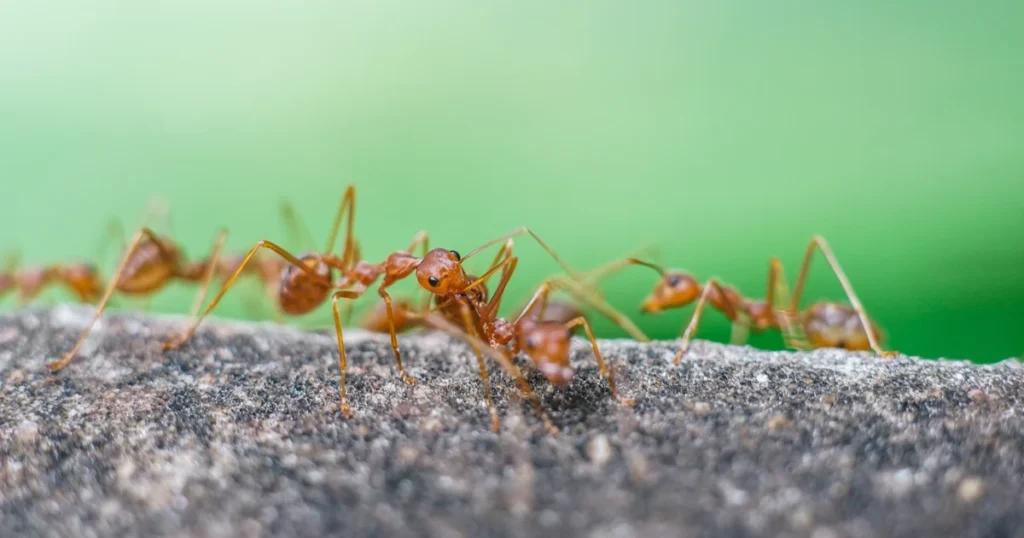
Red imported fire ant workers range from 1/16 to 1/5 inch long. They are reddish with a dark brown abdomen. According to UC IPM, red imported fire ants have two nodes between the thorax and abdomen, which sets them apart from single-node ant species. That two-node feature is one of the fastest ways to confirm what you are dealing with.
How to Spot Fire Ant Activity Inside Your Florida Home
Red imported fire ants prefer to nest outdoors in soil, but they can move into structures. In some instances they nest in walls of buildings rather than building mounds. If you notice a trail of small reddish ants inside, check for a nest behind wall voids or near plumbing penetrations. Queens begin to lay eggs that develop into small worker ants in about one month, so indoor colonies can grow quickly once established.
Where Fire Ant Activity Shows Up Around Florida Homes
Outdoors, red imported fire ants construct mounds in open areas such as lawns and yard edges. They also nest under rocks and landscape timbers, at the bases of tree trunks, in decaying wood, and in clogged rain gutters. When a mound is disturbed, the worker ants respond quickly and will run up vertical surfaces to reach the intruder.
Workers bite and hold on with their jaws while injecting venom with stingers at the ends of their abdomens. That aggressive response is often the first sign homeowners notice before they see the nest itself.
Exterior Entry Points Fire Ants Use Around Florida Homes
Red imported fire ants sometimes skip mound building entirely. According to UC IPM, they can nest in rotten logs, under sidewalks, and in outdoor electric and water utility boxes. These concealed nest sites are easy to overlook during routine yard work.
Because these ants favor soil and ground-level gaps, any crack along a foundation, sidewalk joint, or utility-box seal can serve as a pathway toward the interior of your home. Checking these areas regularly helps you catch nest activity early.
Why Fire Ant Problems Develop in Florida
Fire ant activity around Florida homes comes down to where these ants nest, what draws them closer, and how they find a path inside. Understanding each factor helps you recognize early signs and reduce the conditions that invite colonies onto your property.
Outdoor Nesting Areas for Fire Ants Around Florida Homes
Red imported fire ants build mounds in sunny, disturbed habitats such as yards, pastures, parks, and playgrounds. According to the University of Georgia pest guide, these ants thrive in open, well-lit ground. Any area of your lawn that receives consistent sunlight and has been recently graded, mowed short, or cleared can become a prime nesting spot.
Food and Shelter That Attract Fire Ants Around Florida Homes
Outdoors, fire ants feed on live and dead insects, seeds, and honeydew. Indoors, they are attracted to greasy foods and sweets. Foraging workers may enter a house in search of food, moisture, or nesting sites, particularly during hot, dry periods or during floods.
Pet food is a common cause of indoor fire ant invasions. Spilled food and crumbs also draw workers inside. Cleaning up food sources and storing items in ant-proof containers can help reduce the draw.
How Fire Ants Move Around Florida Homes
Red imported fire ants will quickly climb onto and sting anything that touches their mound or food source. Workers are aggressive foragers. They fan out from the colony, covering ground in search of insects and other invertebrates like ticks, chiggers, and caterpillars, along with any accessible food near your home.
Ant Trails and Entry Points Around Florida Homes
The most common indoor scenario occurs when workers find their way into a home and begin foraging on food items such as pet food or crumbs. According to Mississippi State University Extension, usually a single trail of workers comes into the house and carries food back out to a nearby mound.
If you notice a steady line of ants moving between an indoor food source and an exterior wall, a mound is likely close by. Limiting the amount of time you leave out pet food can help reduce these indoor trails.
Risks From Florida Fire Ants
Fire ants in Florida can affect your health and your property. Understanding what these ants do when disturbed helps you protect your yard, your home, and your family.
Health Risks Linked to Florida Fire Ants
Fire ant stings produce a burning sensation and often cause whitish blisters. A single red imported fire ant can bite and sting its victim repeatedly, with each sting later forming a white pustule. Most people can tolerate the stings, but some are very sensitive to fire ant venom and must seek medical attention.
According to UC IPM, a small percentage of the human population is allergic to fire ant stings, and symptoms such as chest pains, nausea, dizziness, or shock require emergency medical assistance. In some cases of severe allergic reaction, fire ant stings can be fatal if not treated.
Property Damage From Fire Ants in Florida
Beyond the painful sting, red imported fire ants cause problems by building nests around trees, yard plants, pipes, and in the walls of structures. Mounds can appear across your yard in areas you and your family use regularly.
These nests can interfere with landscaping and outdoor fixtures. When colonies establish themselves near pipes or within walls, the potential for ongoing property issues grows.
Food Areas and Fire Ant Activity in Florida Homes
Fire ants respond aggressively to disturbance. Their conspicuous mounds, which lack visible entrance holes, may appear near outdoor dining or gathering areas. Because a single ant can sting repeatedly, encounters near food prep or eating spaces can quickly become a problem for anyone spending time outside.
When to Look Closer at Fire Ant Activity in Florida
If you notice mounds forming in sunny spots around your yard, near walkways, or close to your home’s foundation, it is worth taking a closer look. Activity near your home’s exterior deserves attention, since fire ants can nest in walls and around pipes.
Watch for the tell-tale mounds without visible entrance holes. If anyone in your household has experienced sensitivity to fire ant stings in the past, early awareness of mound activity on your property becomes especially important.
Professional Pest Control for Fire Ants in Florida
Fire ants are primarily outdoor pests that cause problems because of their aggressive stinging and the severe reactions many people have to being stung. Their large mounds can damage equipment and harm young plantings. For Florida homeowners, a structured approach to reducing attractants, inspecting your yard, and working with a trained team can help you stay ahead of fire ant activity.
How to Reduce Attractants for Fire Ants in Florida
Because fire ants are among the most economically important insect pests in the South, according to Mississippi State University Extension, keeping your yard less inviting matters. Start by maintaining your outdoor spaces. Mow regularly and clear debris that could make conditions more favorable for mound building.
Certain mechanical and electrical devices are marketed for fire ant control, but their efficacy has not been documented. Relying on unproven tools can waste time and money while mound activity continues. Prevention works best when paired with a professional assessment of your yard.
Why Fire Ant Control in Florida Starts With Inspection
Fire ant mounds can appear across lawns, garden beds, and other open areas of your property. A thorough inspection helps identify how many mounds are present and where activity is concentrated. This step gives service professionals a clear picture before recommending next steps.
At Proforce, service professionals who know their local service area inspect your yard to map out active mounds. Knowing the full scope of the problem helps avoid partial treatments that leave colonies undisturbed in other parts of the property.
What to Expect During Professional Fire Ant Treatment in Florida
Fire ant control recommendations focus on outdoor treatment, where these pests are most active. Proforce service professionals address mound activity across your yard rather than treating a single spot. This approach accounts for the fact that fire ants can build mounds in multiple areas at once.
Proforce covers ants under its General Pest Control plan, which includes ongoing treatment to help manage recurring activity. Your service professional will walk you through what was treated and what to watch for between visits.
What to Expect From a Florida Fire Ant Control Plan
A fire ant control plan from Proforce is built around consistent, recurring service. With a 92.5 NPS score and over 23,000 reviews, Proforce backs every visit with the Proforce Guarantee. Done Right. Every Time.
Your plan addresses outdoor mound activity and is adjusted over time based on what your service professional finds during each visit. Ongoing attention keeps your yard in better shape season after season.
Bottom Line on Fire Ants in Florida
Fire ants in Florida are more than a nuisance. They build mounds across open areas, can damage equipment and young plantings, and deliver a painful sting that catches homeowners off guard. Knowing how to tell red imported fire ants apart from native species helps you choose the right approach, and keeping your yard free of food attractants reduces the chance ants move closer to your home. When mounds keep returning or spread across your property, a Proforce service professional can assess the situation and put a plan in place.
Contact Proforce Pest Control to request a quote tailored to your property.
Frequently Asked Questions About Fire Ants in Florida
Are Fire Ants Native to the United States?
They are not native to the United States. Because they are introduced, they can cause ecological damage in areas where they become established.
How Can I Tell Red Imported Fire Ants Apart from Native Fire Ants?
Looking at the workers is one reliable method. Native fire ant colonies, such as Solenopsis geminata, typically contain workers with square-shaped heads that appear larger in proportion to the rest of their bodies. Comparing head shape and overall body proportion can help you determine which species you are dealing with, which matters when deciding on a management approach.
What Kind of Damage Can Fire Ant Mounds Cause?
Large mounds are unsightly and can interfere with lawn equipment. Fire ants also cause direct agricultural and ecological damage. Their mounds in open, sunny areas may pop up across yards, gardens, and fields, making routine outdoor activity more difficult.
What Should I Do If Fire Ants Trail into My House?
In many cases, a single trail of workers enters a home to carry food back to a nearby outdoor mound. Cleaning up the food source they are targeting is an important first step. If necessary, store items they were foraging on in ant-proof containers. Addressing the outdoor mound and reducing indoor attractants together can help keep ants from returning inside.