
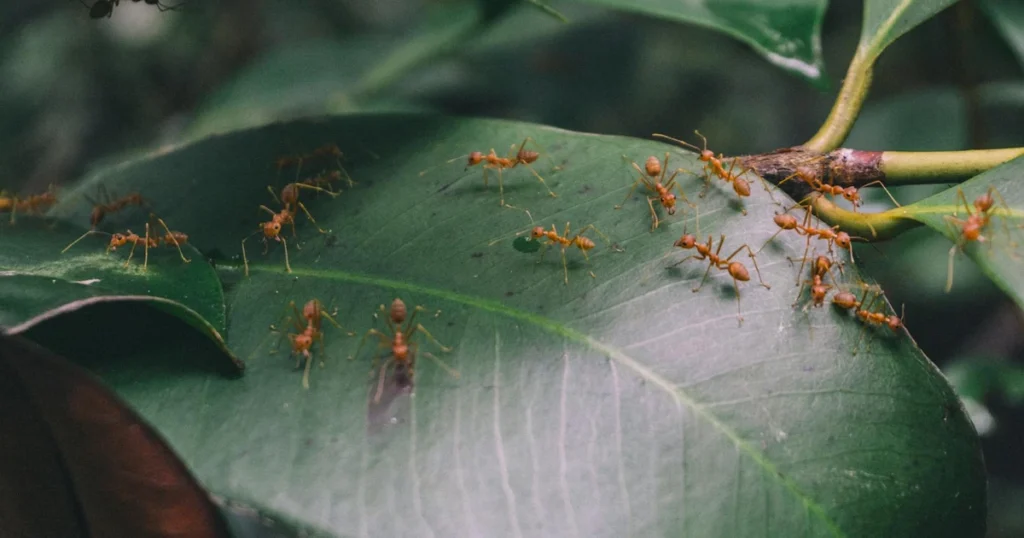
Fire Ant Season in Florida can create costly problems when early signs are missed. Learn what to look for, why it matters, and when to call Proforce.
Key Takeaways About Fire Ant Season in Florida
- Fire ants can remain active in Florida across much of the year, though activity around homes often increases during warmer months when mounds become more visible on lawns and in open areas.
- Two species of fire ants are found in Florida, and knowing which ants you are dealing with helps guide the right approach to prevention and control.
- Keeping food sources managed and addressing mounds early can help reduce fire ant pressure around your property.
- A structured treatment plan from a local service professional can help you stay ahead of fire ant activity rather than reacting to it season after season.
How to Identify Florida Fire Ants
The Proforce Pest Almanac
Fire ant activity in Florida, by the month.
Bar height shows how active fire ants are in a typical year. Peak months get a green edge.
Knowing what red imported fire ants look like and where they nest helps you spot activity early. This species originally came from South America and is not native to the United States. The ants prefer to nest outdoors in soil, and they build mounds in sunny, disturbed areas such as yards, parks, and playgrounds.
How to Tell Fire Ant Types Apart in Florida
Red imported fire ants are distinguishable by the mounds they construct in open, sun-exposed ground. Unlike some ant species that stay hidden, fire ants create visible soil mounds that stand out in lawns and along edges of driveways or walkways. When a mound is disturbed, the sterile female worker ants respond quickly, running up vertical surfaces to reach the intruder. According to Texas A&M AgriLife Extension, they bite and hold on with their jaws while injecting venom with stingers at the ends of their abdomens.
How to Spot Fire Ant Activity Inside Your Florida Home
Red imported fire ants can sometimes nest in walls of buildings rather than building visible mounds outdoors. If you notice a trail of small ants near interior walls, the colony may be nesting within the structure itself. According to UC IPM, in some instances these ants do not build mounds but nest in places such as walls of buildings and outdoor utility boxes. Indoor activity often traces back to a mound or nest site outside.
Where Fire Ant Activity Shows Up Around Florida Homes
Outdoors, red imported fire ants construct mounds in open areas. They also nest under rocks, landscape timbers, at the bases of tree trunks, in decaying wood, and in clogged rain gutters. Mounds may appear in sunny, disturbed habitats around your property, including along right-of-ways and in pastures. Locating the mound or nest site where the ants originated is key to addressing the colony at its source.
Exterior Entry Points Fire Ants Use Around Florida Homes
Fire ants can nest under sidewalks, in rotten logs near your home’s perimeter, and inside outdoor electric and water utility boxes. These less obvious nesting spots mean activity is not always marked by a visible mound. Checking utility boxes, walkway edges, and areas with decaying wood around your property can reveal nests you might otherwise overlook.
Why Fire Ant Problems Develop in Florida
Red imported fire ants are not native to the United States, yet they thrive in sunny, disturbed habitats found throughout Florida neighborhoods. According to University of Georgia pest guide, these ants build easily distinguishable mounds in yards, parks, and other open areas. Understanding what draws fire ant colonies to your property can help you recognize activity before it becomes harder to manage.
Outdoor Nesting Areas for Fire Ants Around Florida Homes
Fire ants form one large nest per colony, unlike some ant species that maintain many smaller, interconnected nests. They favor sunny, open ground where soil has been disturbed. Lawns, garden beds, and areas along walkways or driveways can all provide the conditions colonies need to establish mounds.
Food and Shelter That Attract Fire Ants Around Florida Homes
Imported fire ants feed on many types of food. Outdoors, red imported fire ants feed on live and dead insects, seeds, and honeydew. Indoors, they can be attracted to greasy foods and sweets. That variety in diet means colonies can find food sources in nearly any yard or kitchen.
Cleaning up food that ants are foraging on and storing it in ant-proof containers can reduce what draws them closer to your living spaces.
How Fire Ants Move Around Florida Homes
Red imported fire ants will quickly climb onto and sting anything that touches their mound or food source. This defensive behavior means colonies positioned near walkways, play areas, or garden paths can catch you off guard. Because fire ant colonies can be difficult to fully address with individual mound treatments alone, ongoing attention matters.
Ant Trails and Entry Points Around Florida Homes
When fire ants locate a food source near your home, workers may form a trail leading from the mound toward the food. Usually a single trail of workers comes into the house and carries food back out to a nearby mound. Spotting that trail early gives you a clearer picture of where the colony is located and what food source is drawing them inside.
Risks From Florida Fire Ants
Fire ants are among the more concerning pests Florida homeowners may encounter on their property. Their aggressive stinging behavior, ability to damage equipment, and tendency to build mounds in yards create a range of problems worth understanding so you can respond quickly when activity appears.
Health Risks Linked to Florida Fire Ants
Fire ants sting aggressively, and they often do so in large numbers. When a mound is disturbed, ants emerge to bite and sting the intruder. According to UF/IFAS Extension, a white pustule usually appears the next day at the site of the sting. Displaced colonies can be especially agitated, making encounters unpredictable.
Compared to other common ant pests, the fire ant sting stands apart. Little black ants can sting, but their sting is relatively minor compared to what fire ants deliver. That distinction matters when children or pets stumble across a mound in your yard.
Property Damage From Fire Ants in Florida
Fire ant mounds are built of soil and can reach up to 18 inches in diameter. These large mounds are unsightly in lawns, garden beds, and along walkways. Beyond appearance, fire ants can damage equipment. They also cause direct agricultural and ecological damage, making them a concern for both residential yards and surrounding landscapes.
Food Areas and Fire Ant Activity in Florida Homes
Fire ants are persistent foragers. When they move through areas near your home where food is accessible, they bring the same aggressive stinging behavior with them. If a colony is disturbed while foraging, the ants typically emerge in large numbers and sting aggressively. Keeping outdoor dining and food preparation areas clear of mound activity helps reduce the chance of an unpleasant encounter.
When to Look Closer at Fire Ant Activity in Florida
Fresh soil mounds in your yard are the most visible sign of fire ant presence. Because disturbed colonies are usually very agitated, even routine yard work like mowing can trigger an aggressive response. Checking your property regularly for new mounds, especially in open, sun-exposed areas, gives you a head start on managing these pests before a sting event catches you off guard.
Professional Pest Control for Fire Ants in Florida
Managing fire ants on your property takes more than a quick fix. A structured approach that combines reducing what draws ants in, thorough inspection, and professional treatment gives you the best chance of keeping mound activity under control around your Florida home.
How to Reduce Attractants for Fire Ants in Florida
Keeping your yard less inviting to fire ants starts with basic upkeep. Clear debris and keep grass trimmed so mounds are easier to spot early. Certain mechanical and electrical devices are marketed for fire ant control, but according to UF/IFAS Extension, their performance has not been documented. Relying on unproven tools can waste time and money while mound activity continues.
Instead, focus your effort on reducing conditions that encourage foraging near your home. Consistent yard maintenance helps you stay ahead of new mound formation and makes professional treatment more straightforward when the time comes.
Why Fire Ant Control in Florida Starts With Inspection
Before any treatment is applied, a thorough property inspection matters. Proforce service professionals walk your yard to identify active mounds, note their locations, and assess how widespread the activity is. This step shapes the treatment approach and helps avoid applying products where they are not needed.
Because fire ant mounds can appear across lawns, garden beds, and along edges of structures, a careful walkthrough ensures nothing is overlooked. Inspection also helps your service professional determine the right combination of treatment methods for your property.
What to Expect During Professional Fire Ant Treatment in Florida
Professional fire ant treatment typically involves more than one method. Bait treatments work when ants collect the product and carry it back to the mound. Residual treatments, on the other hand, work through contact activity, as Mississippi State University Extension notes. A service professional may use one or both approaches depending on the scope of the problem found during inspection.
Proforce service professionals select the right approach for your property rather than relying on a single method. This matters because fire ant colonies can be spread across a wide area, and a one-size approach may leave mounds untreated.
What to Expect From a Florida Fire Ant Control Plan
Fire ant management is an ongoing process, not a one-time event. Proforce builds a plan around your property’s specific conditions and the level of mound activity identified during inspection. Ongoing treatment visits help address new mounds as they appear over time.
Your service professional documents mound locations and tracks changes between visits. This approach keeps you informed about what is happening on your property and helps guide each round of treatment. Proforce backs its work with the Proforce Guarantee, giving you confidence that the job is done right. Done Right. Every Time.
Bottom Line on Fire Ant Season in Florida
Fire ants in Florida can remain active across a wide stretch of the year, and their mounds tend to appear in sunny, open areas around your property. Keeping food sources stored properly, watching for mound activity in your yard, and acting early when you spot a mound all help reduce the chance of painful stings. If you are seeing fire ant mounds on your property, reach out to Proforce Pest Control to request a quote and get started with a treatment plan.
Frequently Asked Questions About Fire Ant Season in Florida
When Are Fire Ants Most Active Around Florida Homes?
Fire ants tend to stay active during warm weather and can forage near homes whenever temperatures are favorable. In Florida, that warm window can stretch across much of the calendar, so regular yard checks are worthwhile throughout the year.
Why Do Fire Ant Mounds Appear in My Yard?
Red imported fire ants prefer sunny, disturbed habitats for building their mounds. Lawns, garden beds, and open areas around homes offer the conditions they look for. Mounds can pop up quickly after rain or soil disturbance.
Can Fire Ants Enter My House?
Fire ant workers may trail into a home while foraging for food. Keeping indoor food stored in sealed containers and cleaning up spills promptly can help make your home less attractive to foraging ants.
What Should I Do if I Find a Fire Ant Mound?
Avoid disturbing the mound, because displaced colonies can become very agitated. There are several mound treatment options available, though results can vary. A Proforce service professional can evaluate the mound and recommend the right approach for your yard.