
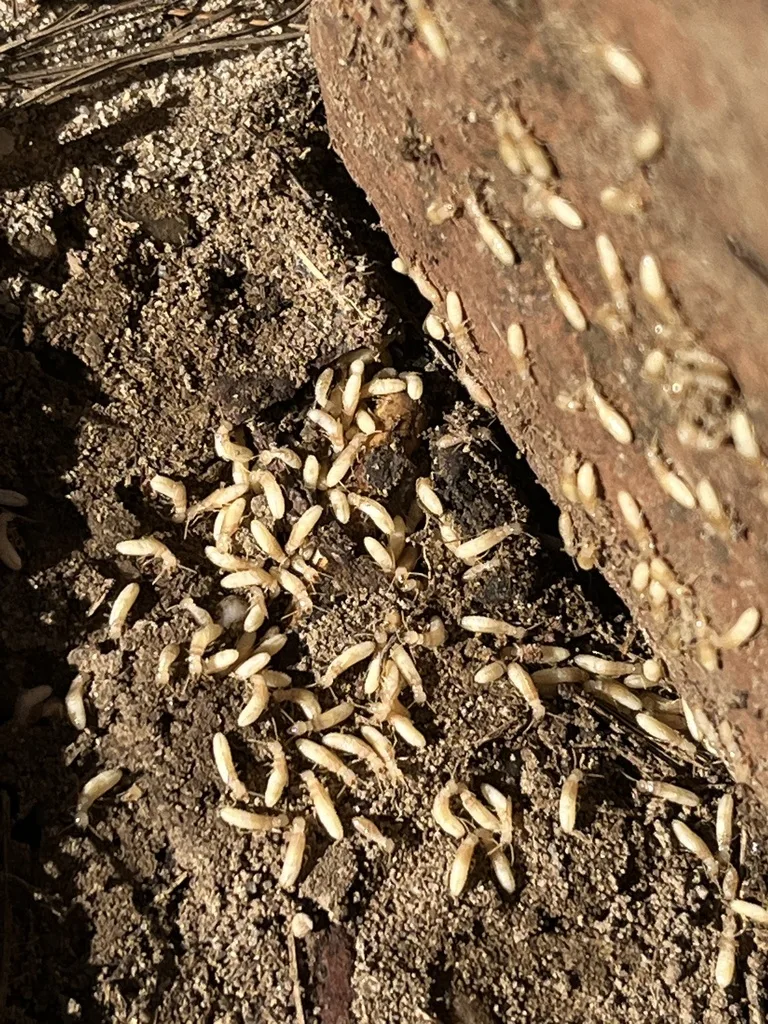
Termite protection in Florida helps homeowners manage hidden termite risks, early warning signs, and when to call Proforce for an inspection.
Do You Need Termite Protection in Florida?
- Florida homeowners face year-round termite pressure. Both subterranean termites and drywood termites are active in the state, and each species attacks wood differently.
- Subterranean termites build mud tubes from soil, saliva, and bits of wood or drywall to reach your home. Drywood termites need no soil contact at all, pulling moisture directly from the wood they consume.
- Termite damage to wood is often hidden. Distinctive patterns in damaged wood can help identify subterranean termite activity, but an inspection by a licensed pest control professional is the most reliable way to confirm it.
- Bait stations require ongoing maintenance and may involve unpredictable feeding delays, so consistent monitoring matters for continued protection.
- Reducing wood-to-soil contact around your home lowers the chance of an infestation, but preventative treatment remains the strongest line of defense.
- Proforce offers subterranean termite protection using the Trelona Advanced Termite Bait System and termiticide foundation trenching. Contact Proforce for a termite inspection and a quote tailored to your home.
How to Identify Florida Termites
Knowing whether you need termite protection in Florida starts with recognizing what termite activity actually looks like. Many homeowners never see a live termite, so learning the signs left behind by these insects is the fastest way to catch a problem early. Below, we walk through the species most common in Florida, the signs they leave inside and outside your home, and where to look first.
How to Tell Termite Types Apart in Florida
Subterranean termites are the most widespread threat to Florida homes. They live in underground colonies and build mud tubes to reach wood above the soil line. Workers are pale, six-legged insects that resemble ants in size and shape. Soldiers are larger than workers and have big orange heads with black pincers.
Drywood termites, by contrast, do not need soil contact. They nest entirely within the wood they consume. One telltale sign of drywood activity is small piles of light-brown excrement, called frass, pushed out of tiny kick-out holes in infested wood. According to UC IPM, some species deposit this light-brown excrement within cavities, so damage may be hidden for months before frass appears.
Native subterranean species swarm from January through early June, typically in the morning or early afternoon. Unlike many flying insects, they are not attracted to lights. Seeing winged termites or discarded wings near windows during this period is one of the clearest signs that a colony is nearby.
How to Spot Termite Activity Inside Your Florida Home
Inside your home, look for signs along baseboards, door frames, and window trim. Subterranean termites feed along the grain of wood, consuming the softer springwood while leaving the harder summerwood intact. As UC IPM explains, this distinctive pattern of wood damage can often be used to positively distinguish subterranean termite activity from that of other species.
Other indoor signs include bubbling or peeling paint that resembles water damage, hollow-sounding wood when tapped, and tight-fitting doors or windows, which can indicate hidden termite damage behind the frame. Discarded wings on interior windowsills after a swarm are another reliable indicator.
Where Termite Activity Shows Up Around Florida Homes
Termite activity tends to concentrate near moisture. Bathrooms, kitchens, laundry rooms, and any area with plumbing leaks deserve extra attention. Crawl spaces are especially vulnerable because they combine darkness, warmth, and soil proximity. Wood-to-ground contact beneath porches, stairs, and deck posts also attracts foraging colonies.
Garages and attached structures often go overlooked. Check stored cardboard, wooden shelving, and the bottom plates of garage walls for mud tubes or wood that crumbles easily. These are signs many homeowners miss until damage has spread further into the structure.
Exterior Entry Points Termites Use Around Florida Homes
Subterranean termites reach your home through mud shelter tubes built from the soil up foundation walls. These pencil-width tubes run along concrete, block, or stucco surfaces and are one of the most visible signs of an active colony. If you break a tube open, you may see live workers and soldiers moving through it.
Common exterior entry points include expansion joints in concrete slabs, gaps where utility lines enter the foundation, and any spot where soil is piled against siding or stucco. Mulch beds pushed up against the home’s perimeter can also mask tube construction. Proforce service professionals recommend keeping a visible gap between landscaping material and your foundation so signs of termite access remain easy to spot.
Why Termite Problems Develop in Florida
Yes, you need termite protection in Florida. The state’s warm temperatures, high humidity, and abundant moisture create year-round conditions that allow termite colonies to thrive. Subterranean colonies nest underground and move into structures to access wood, sometimes consuming it from the inside and leaving only a thin exterior shell. Without preventative treatment in place, your home stays exposed to ongoing pressure from colonies that never go dormant.
Why Florida’s Climate Supports Termite Activity
Florida’s subtropical climate gives termites exactly what they need: warmth and moisture throughout the year. Subterranean termites depend on soil contact and consistent humidity to survive, and Florida delivers both in every season. The state rarely experiences hard freezes, so colonies stay active and continue foraging even during winter months. This constant activity means there is no true off-season for termite pressure on your home.
The Formosan subterranean termite, an invasive species native to China, has established itself across parts of the Southeast. According to the University of Georgia termite guide, soldiers make up about 15 percent of a Formosan colony, compared to less than 5 percent in eastern subterranean termite colonies. That larger defensive force helps Formosan colonies grow and sustain themselves aggressively in Florida’s hospitable environment.
Food and Shelter That Attract Termites Around Florida Homes
Every home built with wood framing provides a food source for subterranean termites. These termites excavate galleries inside wood as they consume it, often leaving damage hidden behind walls and under floors. Mulch beds, tree stumps, firewood stacks, and wooden landscape ties near your foundation all create additional feeding opportunities that draw colonies closer to the structure.
Soil-to-wood contact at porches, deck posts, or siding that touches the ground gives termites a direct path inside. Even small cracks in your foundation slab can serve as entry points for foraging workers moving between the soil and the wood in your home.
How Termites Move Around Florida Homes
Subterranean termites build mud tubes to travel between the soil and their food source, maintaining the moisture they need along the way. These shelter tubes allow colonies to bridge gaps across concrete, block walls, and other non-wood materials to reach vulnerable framing. Because the damage happens inside the wood, infestations can progress for months before you notice any visible signs.
Seasonal Shifts That Affect Termite Activity in Florida
Native subterranean termite species begin swarming in January and are mostly finished by early June. These swarms occur in the morning or early afternoon. Seeing winged termites or discarded wings near windows and doors is often the first sign that a mature colony is nearby and actively expanding.
While swarming season draws the most attention, worker termites forage and feed on wood throughout the entire year in Florida. Seasonal rains raise soil moisture levels, which can push foraging activity closer to your foundation. Preventative termite protection keeps your home defended during every phase of the colony cycle, not just swarm season.
Risks That Make Florida Termite Protection Important
Florida’s warm, humid climate keeps termite pests active year-round, and the risk to your home is real. Understanding where and how these pests cause harm helps you decide whether termite protection is worth the investment. Below, we break down the structural, hidden, and property-level risks Florida homeowners face.
Structural Risks for Florida Homes
Subterranean termites move from underground nests into buildings when they find wood. As they consume it, they excavate interior galleries, sometimes leaving only a thin wooden exterior that hides severe damage underneath. Load-bearing framing, floor joists, and support beams can all be compromised long before you notice a problem.
Formosan subterranean termites, an invasive species originally native to China, are well established in Florida. Their large colonies intensify the structural risk because they can consume wood at a faster rate than native subterranean pests. Termiticide treatments must demonstrate the ability to provide structural protection before they are registered, according to the EPA, which underscores how seriously regulators treat this threat.
Hidden Termite Damage in Florida Homes
These pests rarely announce themselves. Workers build earth-hardened mud tubes from saliva mixed with soil, bits of wood, or even drywall. Those tubes run along foundation walls, inside wall cavities, and behind finishes where homeowners cannot easily see them. Damage may spread for months or years undetected.
As Texas A&M AgriLife Extension notes, termites frequently enter structures far from where they are first discovered. A spot inspection of one wall may miss colonies feeding on the opposite side of your home. This is why comprehensive inspections and whole-home protection plans typically offer better long-term value than limited spot treatments.
Belongings and Moisture Risks in Florida Homes
Subterranean termites need moisture to survive, and their foraging paths often follow plumbing lines, air-conditioning condensation, or areas with poor drainage. Those same damp zones put stored belongings, cabinetry, and wood flooring at risk from termite pests and the moisture conditions that attract them.
Florida also hosts drywood termites, which require no soil contact or liquid moisture at all. They obtain all the moisture they need from the wood itself and from metabolic processes. While Proforce’s termite protection service targets subterranean species, knowing that multiple types of pests threaten your home highlights the importance of regular professional inspections.
When a Termite Problem in Florida Needs Action
Native subterranean termite species begin swarming as early as January and are mostly finished by early June. If you see swarmers, discarded wings, or mud tubes on your property, the colony is already established and feeding. Waiting only extends the risk of deeper structural damage.
Registered termite treatments must be handled through a licensed pest control program. Proforce service professionals can assess your home’s exposure, install bait stations or apply foundation treatments, and monitor results over time. If you are asking whether you need termite protection in Florida, the answer for most homeowners is yes. Reach out to Proforce for an inspection and a quote tailored to your property.
Professional Pest Control for Florida Termites
The short answer is yes, and the right approach starts well before you spot any damage. A strong termite protection plan combines what you do around your property with what a trained professional handles during inspection and ongoing treatment. Here is how each piece fits together for Florida homeowners.
How to Reduce Attractants and Seal Entry Points
You can take practical steps on your own to make your home less appealing to subterranean termites. Start by removing wood debris, old stumps, and lumber scraps from your yard. Keep firewood stacked away from your foundation. Grade the soil so water drains away from your home rather than pooling near exterior walls.
Seal cracks in your foundation and close gaps where utility lines enter. Subterranean termites use shelter tubes, sometimes called mud tubes, to bridge the distance from soil to structural wood. Reducing direct soil-to-wood contact around porches, steps, and deck posts limits the pathways termites rely on. Correcting these conditions is something homeowners can address directly, but the treatment side of prevention requires professional involvement.
Why the Process Starts With a Professional Inspection
Termites often enter structures far from the point where damage is eventually discovered. That makes a thorough inspection the most important first step in any termite protection plan. A trained service professional examines your home’s exterior, foundation, and accessible interior areas for shelter tubes, wood damage, and live termites foraging within wood, which is a sure sign of an active infestation.
According to the EPA, termiticide application can only be properly performed by a trained pest management professional in most cases. Proforce service professionals perform exterior inspections and check for conditions conducive to termite activity before recommending a treatment plan. The company currently completes 600 termite inspections per year for builders alone, covering new homes and new neighborhoods.
What to Expect During Professional Termite Treatment in Florida
Proforce offers two primary treatment methods for subterranean termites. The Trelona Advanced Termite Bait System uses stations installed in the soil approximately every 10 to 20 linear feet around your foundation. Each station comes pre-loaded with bait cartridges containing the active ingredient Novaluron, which prevents termites from molting. Worker termites consume the bait and carry it back to other colony members.
Termiticide foundation trenching is another option. A barrier of termiticide is applied around your home’s foundation, and it includes a transfer effect that spreads from one termite to another. Each liquid application lasts approximately five years, at which point switching to the Trelona bait system is recommended. As UC IPM notes, these products belong in a licensed, inspection-based program.
Spot treatments may cost less upfront, but they carry risks because termite infestations frequently appear in areas far from the original discovery point. Comprehensive treatment typically offers better long-term value for Florida homeowners.
What to Expect From a Florida Termite Control Plan
Proforce’s termite protection program covers subterranean termites with ongoing monitoring and annual station inspections. After installation, bait remains active for two to four years under typical conditions, and service professionals replace cartridges as needed. Additional visits are available if concerns arise between scheduled inspections.
In Florida, home builders are required by law to provide a new construction termite pre-treatment before pouring the foundation. Proforce handles these pre-treatments, which include a blue dye so building inspectors can verify correct application. The service also extends to home additions, remodels, and commercial properties.
Proforce bundles termite protection with general pest control in a single monthly plan. If you want specific pricing for your home, request a quote directly from Proforce to get a plan based on your property’s linear footage and layout.
Bottom Line on Termite Protection in Florida
Yes, you need termite protection if you own a home in Florida. The state’s warm, humid climate supports both subterranean and drywood termite species year-round, and every home without preventative treatment is eventually at risk. Bait stations and liquid barriers each offer proven approaches to controlling subterranean termites, but as the EPA notes, termiticide application should be performed by a trained pest management professional.
Proforce installs and monitors either the Trelona Advanced Termite Bait System or termiticide foundation trenching, then backs the work with ongoing annual inspections and refills so your home stays protected.
Frequently Asked Questions About Termite Protection in Florida
How Soon After Buying a Home Should I Get Termite Protection?
As soon as possible. Florida law already requires a termite pre-treatment during new construction before the foundation is poured. If you purchased an existing home, there may be no active barrier in place. Proforce service professionals can inspect the exterior, identify conditions that attract subterranean termites, and install bait stations around your home’s perimeter so protection starts right away rather than after damage appears.
Can I Handle Termite Prevention on My Own?
You can take steps like reducing wood-to-soil contact, fixing moisture issues, and removing dead wood from your yard. However, according to UC IPM, termite treatment depends on professional application and inspection-based control. Proforce handles the full scope, from station installation every 10 to 20 linear feet to annual monitoring and bait replacement.
What Types of Termites Does This Service Cover?
Proforce’s termite protection covers subterranean termites, including invasive Formosan subterranean termites. Drywood termites are not covered by this service because they live entirely inside wood and require no soil contact. If you suspect drywood termites, a separate inspection and treatment approach would be needed.
How Long Does a Termite Bait Station Last?
Trelona bait cartridges provide a multi-year service window under typical conditions. Proforce inspects stations annually and replaces cartridges as needed. Liquid termiticide barriers applied through foundation trenching last approximately five years, at which point Proforce recommends a new application or a switch to the bait system for continued protection. Either way, your coverage stays current through the ongoing service plan.