
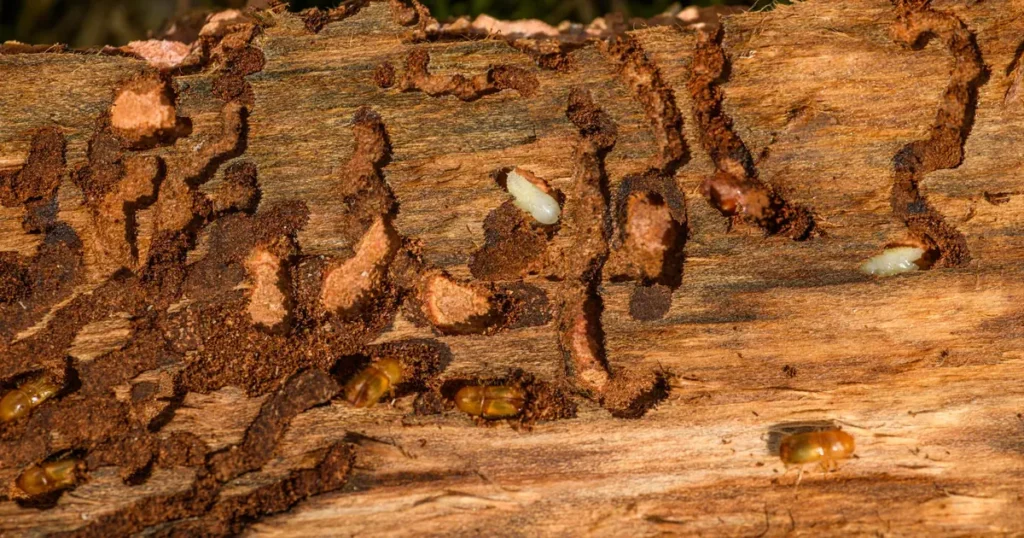
Termite protection in Georgia helps homeowners manage hidden termite risks, early warning signs, and when to call Proforce for an inspection.
Do You Need Termite Protection in Georgia?
- Subterranean termites are a persistent threat for homeowners. These colonies nest underground and move into structures to reach wood, sometimes hollowing it out until only a thin exterior shell remains.
- Regular inspections are essential. A thorough inspection of the interior, exterior, crawl space, and attic helps identify termite damage, activity, and risk factors such as cracks, crevices, or moisture problems before they escalate.
- Homeowners should understand inspection procedures, conducive conditions, and treatment strategies. Knowing what to look for gives you a head start, but treatment applications require a licensed pest control professional.
- Georgia is home to more than one termite threat. Subterranean termites need soil contact, while drywood termites do not, obtaining all moisture directly from wood. Both can damage your home.
- Preventative termite protection is worth the investment. Proforce uses bait station systems installed around your home’s perimeter and monitors them on an ongoing schedule to target colonies before structural damage occurs.
Subterranean termites forage from the soil into your home’s wood, and Formosan subterranean termites add to the pressure Georgia homeowners face. Whether you already see signs of termites or simply want to protect your property, a professional inspection is the right first step. Proforce service professionals can evaluate your home, install a preventative system, and keep it monitored so you stay ahead of termite activity.
How to Identify Georgia Termites
Knowing whether you need termite protection starts with recognizing what these pests look like and where they leave signs of activity. Georgia homeowners deal primarily with subterranean species, though drywood termites also appear in parts of the state. Each type behaves differently, and the signs they leave behind vary. Below is what to look for so you can act before damage spreads.
How to Tell Termite Types Apart in Georgia
Subterranean termites are the most widespread threat to Georgia homes. According to University of Georgia termite guide, swarmers are black to caramel colored and measure roughly 1/4 to 3/8 inch in body length. Workers are smaller, pale, and soft-bodied. These colonies live in the soil and build mud tubes to reach wood above ground.
The Formosan subterranean termite has established itself in parts of the Southeast. Formosan colonies tend to be larger, which can accelerate structural damage. Drywood termites require no soil contact. They obtain all moisture from the wood itself, so they can infest upper floors, attic framing, and furniture without any connection to the ground.
How to Spot Termite Activity Inside Your Georgia Home
One of the first signs homeowners notice is a swarm of winged termites indoors. Native subterranean species typically swarm between January and early June, usually in the morning or early afternoon. Discarded wings near windowsills or light fixtures are a common clue even after the swarm ends.
Look for wood that sounds hollow when tapped. Subterranean termites excavate galleries along the grain, consuming softer springwood and leaving harder summerwood intact. This pattern can leave only a thin wooden exterior that eventually buckles or cracks. Finding live termites foraging within wood is a sure sign of an active infestation.
Where Termite Activity Shows Up Around Georgia Homes
Inside your home, subterranean termite signs appear most often in areas close to ground level. Baseboards, door frames, and structural wood near the foundation are common targets. Mud tubes running along interior walls or in crawl spaces are another telltale indicator. Check behind stored boxes or rarely moved furniture where damage can go unnoticed for months.
Bathrooms, kitchens, and laundry rooms deserve extra attention because plumbing leaks create moisture that attracts foraging colonies. Any area where wood stays damp is at higher risk.
Exterior Entry Points Termites Use Around Georgia Homes
Outside, look for pencil-width mud shelter tubes running up your foundation walls, piers, or plumbing penetrations. These tubes protect subterranean termites as they travel between the soil and your home’s wood. Cracks in concrete slabs, expansion joints, and gaps around utility lines all serve as entry points.
Wood mulch, landscape timbers, and tree stumps near the foundation can draw foraging termites closer to your home. Firewood stacked against an exterior wall is another common bridge. If you spot any of these signs around your property, a professional inspection is the fastest way to confirm activity and determine your next steps.
Why Termite Problems Develop in Georgia
Subterranean termites depend on moisture, soil contact, and access to wood. Understanding why these pests thrive around homes helps explain why termite protection in Georgia matters for many homeowners. From the soil beneath your foundation to the wood framing your walls, your property can offer what termites need to feed and expand.
Why Georgia’s Climate Supports Termite Activity
Subterranean termites depend on moisture and moderate temperatures to survive. Warm soil and consistent humidity keep conditions hospitable for subterranean termite colonies through much of the year. Damp soil gives termites the moisture they require to build mud tubes and forage from the ground into structures.
According to the University of Georgia termite guide, native subterranean termite species begin swarming as early as January and are mostly finished by early June. That extended swarm window reflects how favorable Georgia’s climate is for colony reproduction and spread.
Food and Shelter That Attract Termites Around Georgia Homes
Subterranean termites nest underground and enter structures when they find wood. As they consume it, they excavate internal galleries, sometimes leaving only a thin wooden exterior behind. Mulch beds, firewood stacks, tree stumps, and wooden landscape borders all provide food sources close to your foundation.
Georgia is also home to Formosan subterranean termites. These colonies can grow larger and consume wood faster, and their soldier caste makes up a larger share of the colony than it does in eastern subterranean termite colonies.
How Termites Move Around Georgia Homes
Termites do not need a visible opening to reach your home. They build mud tubes from the soil along foundations, through cracks, and into wall voids. Because they work from the inside out, damage may stay hidden long after feeding begins. Removing moisture sources around your foundation and repairing damaged wood are important steps, since treatments are less productive when excess moisture remains.
Seasonal Shifts That Affect Termite Activity in Georgia
While swarm season runs from January through early June, foraging can continue outside of swarm season when soil temperatures and moisture remain favorable. Native subterranean swarmers emerge during morning or early afternoon hours and are not attracted to lights, which means homeowners may miss swarm events entirely. Homes without preventative termite treatment remain at risk over time. Proactive monitoring and a structured protection plan help catch activity before it becomes costly structural damage.
Risks That Make Georgia Termite Protection Important
Georgia homeowners often ask whether termite protection is truly necessary. The short answer: underground termite colonies can enter structures and feed on wood from the inside until only a thin shell remains. That hidden feeding pattern means visible warning signs may appear late. Understanding the specific risks helps you decide when to act.
Structural Risks for Georgia Homes
Subterranean termites target the wood framing that holds your home together. According to the University of Georgia termite guide, these pests excavate galleries through wood as they consume it, sometimes leaving only a thin wooden exterior. Load-bearing walls, floor joists, and support beams can all suffer termite damage that weakens your home’s structural integrity over time.
Multiple termite species cause wood damage, including subterranean and drywood varieties. The risk is ongoing because colonies forage continuously, and foraging pests do not pause once they locate a food source inside your structure.
Hidden Termite Damage in Georgia Homes
Because subterranean termites work beneath surfaces, termite damage often stays out of sight until it becomes severe. A thorough inspection should cover the interior, exterior, crawl space, and attic of your home, checking for both active pests and signs of past damage. These are the areas where colonies most commonly go undetected.
Homeowners can replace damaged wood and correct conditions that invite pests on their own. However, as UC IPM notes, registered termite treatment requires licensed professional application and an inspection-based control program. A trained eye catches damage that most homeowners miss.
Belongings and Moisture Risks in Georgia Homes
Subterranean termites depend on soil moisture to survive, which means they thrive wherever moisture meets wood in your home. Crawl spaces, foundation perimeters, and areas with poor drainage create conditions these pests exploit. Drywood termites present a different risk because they require no soil contact or liquid moisture, obtaining all they need from the wood itself.
That dual threat means both dry and damp areas of a Georgia home can harbor pests. Stored wood items in garages or sheds are also vulnerable if colonies are foraging nearby.
When a Termite Problem in Georgia Needs Action
One clear action trigger is swarming activity. Native subterranean termite species begin swarming in January and are mostly finished by early June. If you see winged pests inside your home during those months, a colony is likely already established nearby. Do not wait for visible termite damage to appear before scheduling a professional inspection.
Control of subterranean termites in structures is best left to professionals. Proforce service professionals can evaluate your home and determine whether preventative protection or active treatment is the right next step. Reach out to request a quote tailored to your property.
Professional Pest Control for Georgia Termites
If you are asking “do I need termite protection in Georgia,” the answer starts with understanding that termite treatment and control go well beyond what most homeowners can handle alone. While you can correct conditions around your property and replace damaged wood, registered products require a licensed professional and an inspection-based control program, as UC IPM notes. That means a trusted pest control company is your best partner for lasting termite protection.
How to Reduce Attractants and Seal Entry Points
Before any treatment begins, reducing the conditions that attract subterranean termites to your Georgia home makes a real difference. Address moisture problems around your foundation, including leaking faucets, clogged gutters, and poor drainage. Moisture removal is critical because treatments for subterranean termites will not work well unless sources of moisture are removed and damaged wood is repaired.
Seal cracks and crevices along your foundation where termites could gain entry. Move firewood, lumber, and wood debris away from your home’s exterior. These steps do not replace professional termite control, but they strengthen your overall protection and help your pest control company get better results from any treatment plan.
Why the Process Starts With a Professional Inspection
Regular inspections allow homeowners and pest control professionals to identify potential risk factors for infestation, such as cracks, crevices, or moisture problems, and take preventive measures. A thorough exterior inspection is the first step in any Proforce termite service. Our service professionals check for active termite activity and conditions that invite an infestation before recommending a treatment approach.
Proforce currently performs 600 termite inspections per year for builders covering new homes and new neighborhoods. That same inspection expertise applies to your existing home. A professional inspection gives you a clear picture of your property’s risk level and the right path forward for termite treatment.
What to Expect During Professional Termite Treatment in Georgia
When you move forward with Proforce, your service begins with preparation and clear communication about the treatment system selected for your home. As EPA advises, firms offering termite services must be licensed by your state, so always verify credentials. Proforce uses the Trelona Advanced Termite Bait System, manufactured by BASF, with the active ingredient Novaluron. Each station is pre-loaded with two Termite Bait Cartridges and installed in the soil around your home approximately every 10 to 20 linear feet.
Worker termites consume the bait and carry it back to other colony members. The active ingredient prevents termites from molting, which leads to the end of the colony. Bait remains active for two to four years under typical conditions. Proforce also offers termiticide foundation trenching, which creates a barrier around your foundation that lasts approximately five years.
What to Expect From a Georgia Termite Control Plan
Every home without a termite protection plan in place will eventually face a termite infestation. A Proforce termite control plan is designed for ongoing protection, not just a one-time treatment. After bait station installation, your stations are monitored annually and refilled as needed, with additional visits available if concerns arise between inspections.
Proforce controls subterranean termites, the primary threat to Georgia homes. The termite protection program is charged monthly and includes ongoing annual renewal treatments. Because control of subterranean termites in your home is best left to a professional pest control company, partnering with a local team that knows your area gives you consistent, accountable coverage. Proforce has been serving homeowners since 2015, with 11 locations and a 92.5 NPS score backed by 23,000+ reviews. Done Right. Every Time.
Bottom Line on Termite Protection in Georgia
Yes, you need termite protection in Georgia. Subterranean colonies nest in the soil and enter structures to reach wood, sometimes hollowing it out while leaving only a thin exterior shell intact. Native species swarm from January through early June, and Formosan subterranean termites add another layer of pressure. Regular inspections help identify risk factors like cracks, moisture problems, and conducive conditions before damage begins.
Because applications of registered termite treatments are highly regulated and require a licensed professional, ongoing protection from a trusted provider is the most reliable path forward. Proforce Pest Control offers both the Trelona Advanced Termite Bait System and termiticide foundation trenching to keep your home protected year-round.
Frequently Asked Questions About Termite Protection in Georgia
How Do I Know if My Home Already Has Termites?
Watch for black to caramel-colored winged swarmers, mud tubes along your foundation, hollow-sounding wood, and small piles of discarded wings near windows or doors. Proforce service professionals can perform a thorough exterior inspection to confirm activity and identify conditions that attract termites to your property.
What Types of Termites Are a Concern in Georgia?
Subterranean termites are the primary threat. Eastern subterranean termites are widespread, and Formosan subterranean termites are also present. According to the University of Georgia termite guide, soldiers make up about 15% of a Formosan colony compared to less than 5% in eastern subterranean colonies, reflecting a notably different colony composition. Proforce’s termite protection service targets subterranean species specifically.
Can I Handle Termite Prevention on My Own?
You can correct conducive conditions yourself, such as fixing moisture issues, removing wood-to-soil contact, and clearing debris from your foundation. However, as UC IPM notes, applications of registered treatments are highly regulated and require a licensed pest control professional. Proforce installs Trelona bait stations every 10 to 20 linear feet around your home and monitors them annually, giving you consistent, hands-off protection.
How Much Does Termite Protection Cost?
Proforce does not publish a one-size-fits-all price because every home is different. Your cost depends on factors like your home’s linear footage and the type of treatment selected. The best way to get an accurate number is to request a quote directly from Proforce Pest Control. Every plan includes ongoing monitoring so your protection stays current over time.