
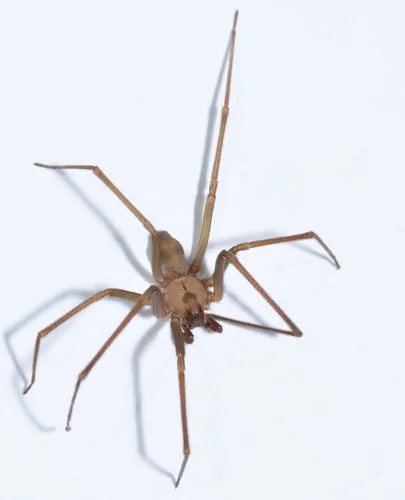
Brown Recluse in North Carolina can create costly problems when early signs are missed. Learn what to look for, why it matters, and when to call Proforce.
Key Takeaways About North Carolina Brown Recluse
- Brown recluse spiders carry a distinct dark, fiddle-shaped marking on the front portion of their backs, earning them the nickname “fiddle-back” spiders.
- Many suspected brown recluse spider bites in areas where the species is not established turn out to be misdiagnosed, so proper identification matters.
- Brown recluse spiders typically bite only when trapped against skin, such as when a person rolls onto one while sleeping or puts on clothing where a spider has crawled.
- Systemic bite symptoms may take two to three days to appear, and bites that become systemic usually do not also become necrotic.
- Other arthropods, including ants, bees, wasps, bed bugs, and biting flies, can produce skin reactions that resemble a brown recluse bite, making accurate diagnosis important.
- Brown recluse spiders can remain active year-round in climate-controlled spaces like homes, attics, and garages.
- A professional inspection from Proforce Pest Control can help you identify and address spiders in your North Carolina home.
How to Identify North Carolina Brown Recluse
The brown recluse (Loxosceles reclusa) is one of the most commonly misidentified spiders in North Carolina. Several local species share a similar light brown body, which leads homeowners to assume any brown spider in a closet or garage is a recluse. Knowing the correct features to look for helps you decide when to call a professional and when to simply leave the spider alone.
Telling Common North Carolina Species Apart
A true brown recluse has a light brown to greyish body with slender legs, and its overall size spans roughly a quarter to a half-dollar coin. The most reliable identification detail is the eye arrangement. According to the University of Georgia pest guide, the brown recluse has six eyes arranged in three distinct pairs, while the commonly confused male Southern house spider has eight eyes grouped in a single cluster. A hand lens makes this difference visible even on a small spider.
You may also notice a darker, violin-shaped marking on the body behind the eyes, pointing toward the abdomen. Other North Carolina spiders, including wolf spiders and cellar spiders, lack this combination of six paired eyes and the violin pattern. If you are unsure, capture the spider in a clear container and let a Proforce service professional confirm the identification.
How to Spot Brown Recluse Activity Inside Your North Carolina Home
Brown recluse spiders build irregular, loosely woven webs close to the ground or along wall edges. These webs look messy rather than circular and are often tucked behind furniture or inside boxes. You may also find shed skins, since recluses molt multiple times before reaching maturity. Sightings tend to increase at night when the spider leaves its retreat to hunt.
Because they prefer dark, undisturbed storage areas, many homeowners first spot a brown recluse while moving seasonal items or reorganizing a rarely opened closet. A single sighting does not always mean a large population, but it does warrant a closer inspection of nearby hiding spots.
Where Brown Recluse Activity Usually Shows Up in North Carolina
Brown recluses nest in dark, undisturbed storage areas throughout the home. Common spots include cardboard boxes in garages, seldom-used closets, attic storage bins, and spaces behind water heaters. As Mississippi State University Extension notes, both brown recluses and Southern house spiders gravitate toward these quiet retreats. Basements, crawl spaces, and utility rooms also provide the still, sheltered conditions the spider prefers.
Pay extra attention when reaching into areas you have not disturbed in weeks or months. Wearing gloves while sorting stored items is a simple habit that reduces the chance of an accidental encounter.
Exterior Entry Points Brown Recluse Use in North Carolina
Recluses typically move indoors through gaps around door frames, utility-line penetrations, and cracks in the foundation. Torn window screens and unsealed weep holes in brick are also common pathways. Firewood stacked against the house gives spiders a convenient staging area close to entry points.
Sealing these openings with caulk or weatherstripping makes your home less inviting. If you are finding brown recluse spiders inside regularly, a Proforce service professional can inspect the exterior, identify active entry points, and build a targeted treatment plan around your home’s specific layout.
Why Brown Recluse Problems Develop in North Carolina
Brown recluse spiders are not native to North Carolina. The brown recluse is a common house spider in the midwestern United States, and many sightings reported outside that core range turn out to be misidentified look-alikes. Still, individual brown recluse spiders can arrive in a home through shipments, moving boxes, or stored goods transported from areas where the species is established. Understanding what draws them in and keeps them hidden helps you respond quickly if one does show up.
Why North Carolina’s Climate Supports Brown Recluse Activity
North Carolina’s warm, humid summers create indoor conditions that many spiders find comfortable. Temperature-controlled spaces such as garages, attics, and crawl spaces offer stable warmth year-round. When a brown recluse is inadvertently introduced into a home, these indoor microclimates can allow it to survive well beyond its native midwestern range. According to UC IPM, reports of presumptive brown recluse bites often arise in regions where the spider is not actually endemic, which highlights how easily the species can be confused with local spiders.
Food and Shelter That Attract Brown Recluse in North Carolina
Brown recluse spiders favor dark, undisturbed storage areas. According to Mississippi State University Extension, brown recluses and similar species tend to nest in exactly these kinds of spaces. Cluttered closets, cardboard boxes stacked in a basement, and seldom-moved furniture all provide the quiet retreat these spiders prefer. Reducing stored clutter removes the sheltered spots that let an introduced spider go unnoticed for weeks or months.
Why North Carolina Brown Recluse Adapt Around Homes
Once inside, a brown recluse has little reason to leave. Interior spaces provide consistent shelter and access to other small household arthropods. Because the spider is reclusive by nature, it can occupy a gap behind a wall plate or inside a storage bin without being seen. Many North Carolina homeowners mistake male southern house spiders for brown recluses. Brown recluses have three pairs of eyes, while southern house spiders have eight eyes grouped together. Proper identification is the first step before deciding on a response.
Seasonal Shifts That Move Brown Recluse in North Carolina
Cooler fall temperatures push many spiders toward interior warmth, and any brown recluse already near a structure may move deeper inside. Seasonal cleaning or reorganization of storage areas can also disturb a hidden spider and bring it into living spaces. If identification is uncertain, a Proforce service professional can inspect the area and determine whether further action is needed. Accurate identification protects you from unnecessary worry and ensures the right approach for your home.
Risks for North Carolina Homeowners
Brown recluse spiders rank among the most concerning pests a North Carolina homeowner can encounter. While these spiders prefer to stay hidden, the risks they pose to your health and peace of mind are real. Understanding what is at stake helps you respond quickly if you spot one in your home.
Health Risks Linked to North Carolina Brown Recluse
Brown recluse bites are associated with necrotic arachnidism, a condition where tissue around the bite site breaks down. According to Mississippi State University Extension, you should seek immediate medical attention if you think you have been bitten, because early treatment can lessen the effects. If possible, capture the spider so it can be positively identified.
Many bites occur when people reach into dark, undisturbed storage areas where these pests nest. Attics, garages, and closets that go untouched for weeks create ideal hiding spots. Accidental contact with clothing or boxes stored in these spaces is one of the most common ways bites happen.
Property Damage From Brown Recluse in North Carolina
Brown recluse spiders do not cause structural damage to your home. The real property concern is the webbing and debris they leave in storage areas, crawl spaces, and seldom-used rooms. Their presence can also lower your comfort level in spaces you should feel at ease using, turning attics and garages into areas you avoid altogether.
Food Contamination Risks From North Carolina Brown Recluse
Brown recluse spiders are not drawn to your pantry or kitchen counters the way other pests are. They prefer dark, undisturbed areas far from daily activity. While finding any spider near food prep surfaces is unsettling, these pests are more likely to be found tucked behind stored boxes or inside rarely opened cabinets than near exposed food.
When a Brown Recluse Problem in North Carolina Needs Action
A single sighting does not always mean an infestation, but brown recluse spiders can be active year-round inside climate-controlled spaces like your home, attic, and garage. That means the problem does not go away on its own just because the season changes.
As Texas A&M AgriLife Extension notes, infestations can be difficult to manage, requiring a combination approach, and hiring a professional pest control company is the best path forward when bites are a possibility. If you are seeing these pests repeatedly in your North Carolina home, contact Proforce Pest Control for an inspection. Our service professionals understand local spider behavior and can put a plan in place to address the issue. Done Right. Every Time.
Professional Pest Control for Brown Recluse in North Carolina
If you suspect a brown recluse in your North Carolina home, a structured pest control approach gives you the best chance of managing the problem before it grows. Brown recluse infestations are notoriously difficult to handle on your own because these spiders stay hidden in undisturbed spaces. According to Texas A&M AgriLife Extension, hiring a professional pest control company is the recommended response to a household infestation. That process begins well before any treatment, starting with what you can do right now around your property.
How to Reduce Attractants and Seal Entry Points
Brown recluse spiders follow their food source indoors. Reducing the insects that attract them is one of the most practical steps you can take. Seal gaps around doors, windows, utility lines, and foundation cracks with caulk or weatherstripping. Replace damaged screens and install door sweeps on exterior doors.
Inside, reduce clutter in storage areas like attics, closets, garages, and crawl spaces. Brown recluses hide in the folds of infrequently used clothing, bedding, and coats. Shake out stored items before wearing or using them. Switch from cardboard boxes to sealed plastic bins so spiders have fewer places to settle.
Lowering the overall insect population in your home removes the prey that draws brown recluses inside. Keep food sealed, address moisture issues, and clear leaf litter or debris from the perimeter of your house.
Why the Process Starts With a Professional Inspection
Brown recluse spiders are nocturnal and prefer tight, dark crevices. That makes them easy to miss during a casual look around your home. A professional inspection targets the specific harborage points these spiders favor, including wall voids, boxes, seldom-used closets, and behind furniture. Proforce service professionals know where to look based on the structure of your home and the conditions in your area.
During the inspection, your service professional will assess the scope of activity and identify the entry points and conditions that are drawing spiders in. This step is critical because treating the wrong areas wastes time and leaves the real harborage untouched.
What to Expect During Professional Brown Recluse Treatment
Managing a brown recluse problem in North Carolina requires a combination approach. Your Proforce service professional will address both the spiders and the conditions that support them. Treatment typically focuses on targeted applications in confirmed harborage areas rather than broad, general spraying. This keeps the effort focused where brown recluses actually live and travel.
Sticky traps may be placed in key locations to monitor activity over time. These traps help your service professional gauge how large the population is and track progress after treatment. Because brown recluses reproduce in hidden areas, follow-up visits are an important part of the process.
If you believe you have been bitten, seek immediate medical attention. When possible, place the spider in a sealed container so a professional can confirm the species.
What to Expect From a North Carolina Brown Recluse Control Plan
A one-time visit rarely resolves an established brown recluse presence. Proforce builds ongoing pest control plans that include regular inspections and retreatment as needed, backed by the Proforce Guarantee. Your service professional will revisit your home on a scheduled basis to check traps, reapply where necessary, and confirm that entry points remain sealed.
Ongoing service also addresses the broader insect population inside your home, which helps keep brown recluses from returning. Proforce covers 35 pests under its general pest control plan, so the same visits that protect you from spiders also reduce the prey species that attract them.
If you are seeing signs of brown recluse activity in your North Carolina home, request a quote from your local Proforce branch to get started with an inspection. Done Right. Every Time.
Bottom Line on Brown Recluse in North Carolina
Brown recluse spiders can turn up in North Carolina homes, and knowing what to look for is your best defense. The fiddle-shaped marking and six eyes grouped in three pairs set them apart from common lookalikes. Reducing clutter, sealing entry points, and controlling the insects they feed on all help lower the chance of an indoor population. Because brown recluse infestations are difficult to manage on your own, according to Texas A&M AgriLife Extension, a professional approach that combines multiple methods is the most reliable path forward.
If you suspect brown recluse activity in your home, Proforce Pest Control can inspect, identify the spider, and build a targeted plan. Done Right. Every Time.
Frequently Asked Questions About Brown Recluse in North Carolina
How Do I Tell a Brown Recluse Apart From Other Spiders?
Look for a dark violin-like marking near the front of the spider’s body. Unlike most spiders, which have eight eyes, brown recluses have only six eyes arranged as three pairs. This eye pattern is one of the most reliable identification features. If you find an uncertain spider, a Proforce service professional can help confirm whether it is a brown recluse.
Are Brown Recluse Spiders Active Year-Round Indoors?
They are most frequently spotted during spring, and they stay active outdoors from spring through fall. Inside climate-controlled spaces such as homes, attics, storage areas, and garages, brown recluses can remain active throughout the year. Regular inspections and ongoing treatment help address this extended indoor activity window.
What Should I Do If I Think I Was Bitten?
Seek immediate medical attention, because early treatment can lessen the effects of a bite, as Mississippi State University Extension notes. When possible, try to capture the spider so a medical provider or pest professional can confirm the identification. Do not wait for symptoms to worsen before visiting a healthcare professional.
What Can I Do to Reduce Brown Recluse Activity in My Home?
Anything you do to exclude insects from your home will also help reduce brown recluse populations, since these spiders prey on the insects that get inside. Seal gaps around doors, windows, and utility lines. Remove cardboard boxes and undisturbed clutter where spiders tend to hide. For persistent activity, contact Proforce Pest Control to request a quote and set up a professional inspection.